Why Do Many Animals Have Five Fingers? Why Do Giant Pandas Have Six?
Humans normally have five fingers, with a few individuals having six fingers, usually two thumbs. The extra thumb is abnormal and superfluous in everyday life. Unlike humans, the sixth finger in giant pandas is useful. Without this additional thumb, pandas would not be able to survive on bamboo.
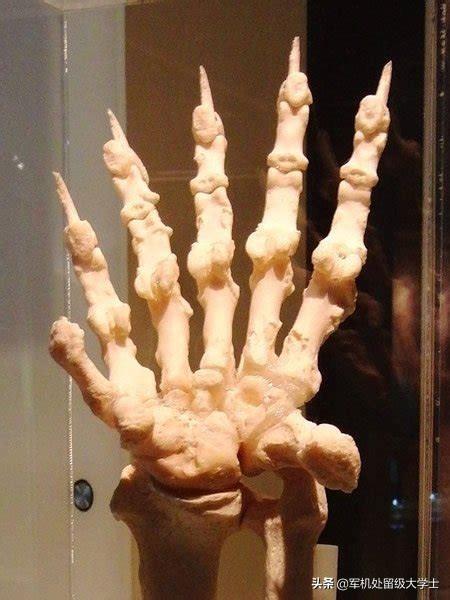
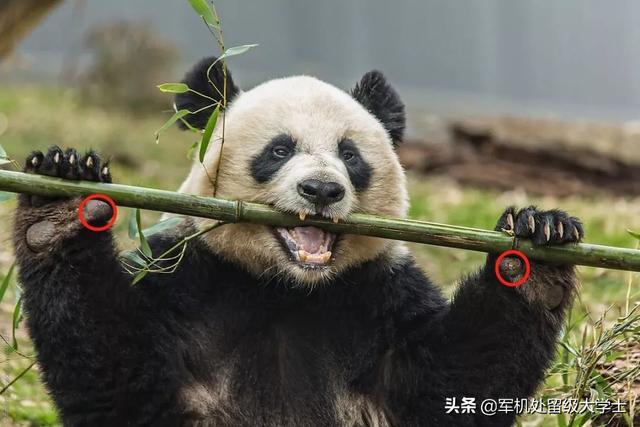
From an anatomical perspective, the panda's 'thumb' is not a true finger; it is completely different from a human's sixth finger. The panda's 'thumb' is formed by the projection of wrist bones, growing on the wrist. The panda's wrist bones are much longer than those of other fingers, with a length similar to a true thumb. This additional thumb serves as a pad on the panda’s forepaw, while the other five fingers form the palm for gripping bamboo, allowing the panda to flexibly grasp bamboo.

Pandas live in three provinces of central China, in forests at elevations of 1500 to 3000 meters, with dense bamboo groves. Pandas eat other plants and occasionally small vertebrates, with bamboo accounting for 99% of their diet. Pandas should be classified as herbivores, but they have digestive systems characteristic of carnivores, but they rarely absorb the bamboo they eat. As a result, pandas must eat a large quantity of bamboo, spending 10 to 12 hours each day eating. The panda's ‘thumb’ helps them to tear apart tough bamboo stalks and hold the bamboo while chewing. Without this unique ‘thumb’, the giant panda would find it difficult to eat. Pandas typically eat while sitting upright, with their forepaws supported by the ‘thumb’ while eating. Large molars and powerful jaws help the panda to chew bamboo into swallowable chunks.
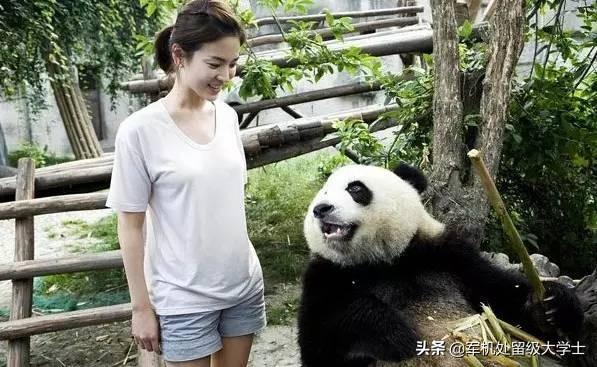
Because pandas need to eat so much bamboo, they have a close relationship with it. Bamboo dies naturally within a 15-120-year cycle, causing the entire bamboo population in a given area to disappear. This extinction forces panda populations that depend on bamboo to migrate in search of new food sources. When pandas eat, they disperse bamboo seeds, contributing to the spread of bamboo across a wider area and playing a role in protecting the ecosystem.