Do Giant Pandas Spit Out Sugar Cane Pulp When Eating?
The giant panda belongs to the order Carnivora, Ursidae family, and was originally a small carnivore. Genetic sequencing shows that about 200,000 years ago, the ancestors of the giant panda suddenly lost a gene called ‘TAS1R1’ due to genetic mutation. Because ‘TAS1R1’ gene is responsible for sensing the freshness of meat, the giant panda no longer has much interest in meat since then. After a period of twists and turns, they chose to mainly eat bamboo.

The panda's survival strategy is undoubtedly intelligent. Although bamboo contains little nutrition, bamboo is widely distributed in nature, covering mountains and valleys, and pandas can eat as much as they want without worrying about other animals competing for food sources. As long as they eat enough, they will get enough nutrition.
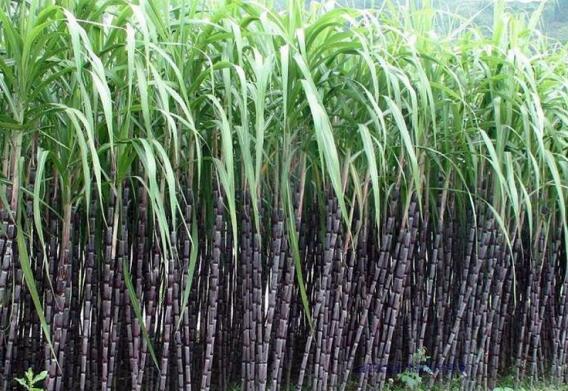
Sugar cane is a tall, solid herbaceous plant with a somewhat similar appearance to bamboo. Compared to bamboo, sugarcane contains more nutrients. Obviously, pandas won't refuse this food. So a interesting question arises: Do pandas know to spit out the sugarcane pulp when eating sugarcane?

For humans, eating sugarcane is relatively troublesome. Although sugarcane is sweet and juicy, the plant fiber contained in it is too coarse, and we basically cannot swallow it, so we can only spit out the remaining sugarcane pulp. But for pandas, it's completely different. They eat sugarcane like humans eat cucumbers with ease and joy. You can feel this through the following animation.

It’s no wonder. Because bamboo fiber is much thicker than sugarcane, so pandas don’t care about these plant fibers when eating sugarcane. However, from our experience of eating sugarcane, the sugarcane pulp after removing juice is tasteless, which is also one of the reasons why we spit out sugarcane pulp. So, why don’t pandas spit out these tasteless sugarcane pulp? Did they think that sugarcane pulp is also delicious?
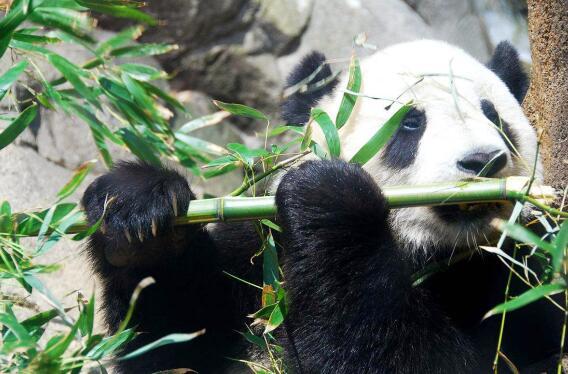
Actually, this is related to the panda’s feeding method. They never chew slowly and carefully. When eating bamboo, pandas usually just bite bamboo into small pieces and then swallow them directly into their stomachs. When eating sugarcane, pandas also adopt this method, so we can see that the correct answer to the question of whether pandas spit out sugarcane pulp when eating sugarcane is that pandas don’t produce sugarcane pulp when eating sugarcane, and of course they don’t know how to spit it out.
Will sugarcane pulp harm the panda's body?
First, we should know that sugarcane pulp will not cause ‘physical damage’ to the panda’s digestive system. This is because the panda has a large stomach, and the gastric mucosa and gastric muscle layer are also very thick, even bamboo thicker than sugarcane cannot damage it. When food comes out of the stomach, it has already been softened by the digestive juices of the panda’s stomach.
Secondly, sugarcane pulp contains no substances harmful to pandas. Its main components are cellulose, as well as small amounts of lignin and protein, which are similar to the components contained in the bamboo pandas usually eat, so it can be said that pandas will not harm their bodies after eating sugarcane pulp.

Note that because sugarcane contains a lot of sugar, sugarcane can only be a panda’s ‘snack’, and they cannot eat too much.
The giant panda is our national treasure, its plump and cute appearance is loved by people, and the giant panda is also an ‘living fossil’ on Earth (related studies show that they have been on Earth for about 8 million years), and is listed as a flagship species for global biodiversity protection. It’s gratifying that with the careful care of humans, the panda population is increasing steadily. We sincerely wish that cute pandas can be more and more happy on Earth.Okay, that’s all for today, welcome everyoneFollow us
See you next time