Winter Dormant Animals – A List of 15 Animals That Hibernate
Every world is wondrous. Nature is full of diverse species, which together form the Earth's family. Each animal has its own habits, and hibernation is one of them.
Hibernation is a survival strategy employed by some animals in winter, allowing them to maintain a state of minimal life activity to conserve energy.
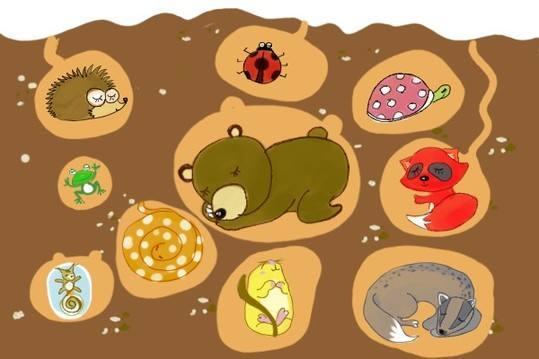
These 15 animals hibernate during the winter months: squirrels, snakes, frogs, toads, black bears, lizards, earthworms, polar bears, snails, crocodiles, hedgehogs, turtles, bats, bees, and Asian black bears.
Below, we introduce some of them.
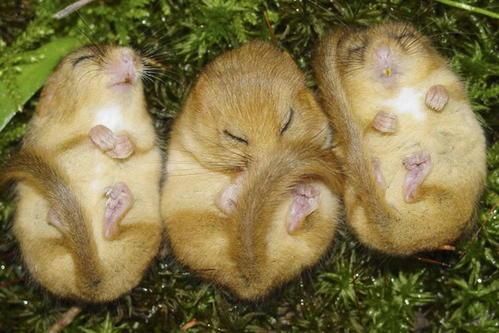
1, Sleepy Mouse
The sleepy mouse is the animal with the longest hibernation time. It hibernates for about 9 months during the spring, autumn, and winter. During hibernation, it stops eating and moving, its breathing almost stops, and its body becomes stiff. It sleeps for about four-fifths of its life.
2, Squirrels
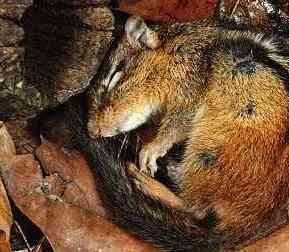
As we all know from our textbooks, squirrels prepare food in winter, seal their holes with straw, and hold their bushy tails to keep warm, starting hibernation and coming out when the weather gets warmer.
3, Snakes
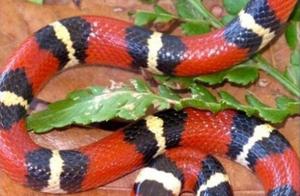
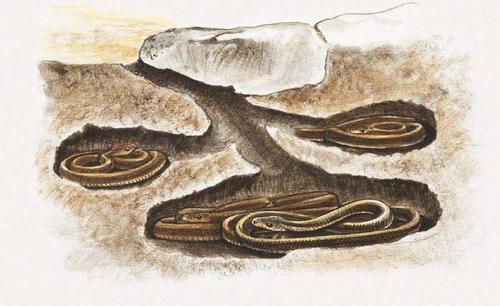
All kinds of snakes hibernate when the surrounding temperature drops below 15°C. From this temperature point of view, snakes usually start hibernating in the autumn.
4, Frogs
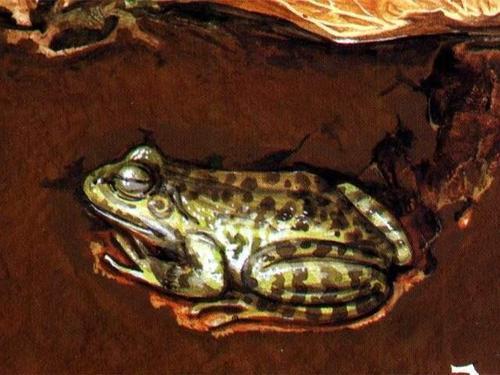
Frogs are amphibians and ectothermic animals, so their body temperature is influenced by the surrounding temperature. As the temperature drops, their body temperature also gradually decreases. When the temperature drops to a certain extent, frogs crawl into the soil, stop eating and sleeping, and thus avoid the cold.
5, Toads
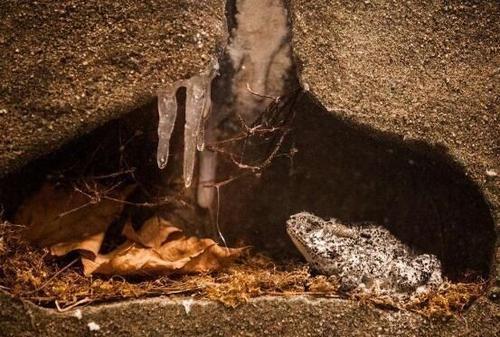
Toads, also known as, are larger than frogs and have many bumps on their bodies, with poisonous glands inside. Toads often cluster in the bottom of the water or in the humid soil under the land to hibernate, and stop eating, relying on glycogen reserves in the liver to maintain the lowest metabolism. When the weather in the second day rises to 10-20°C, they will end hibernation.
6, Lizards
Lizards living in cold areas hibernate. Most lizards live in tropical and subtropical regions, and a small number of temperate lizards can hibernate.
7, Earthworms
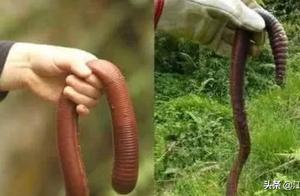
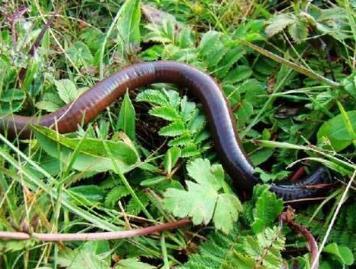
Earthworms stop growing when the temperature drops below 20°C and start hibernating. Earthworms burrow deep into the ground layers, where they find suitable temperatures, and come out when the spring warms up.
8, Polar Bears
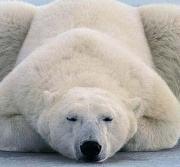
Polar bears spend less time outdoors in winter and can hibernate for a long time without eating. They find sheltered places to lie down and sleep, with their breathing frequency lowered into partial hibernation. Unlike snakes and other animals, polar bears can awaken immediately if they encounter an emergency and respond to sudden changes.
9, Crocodiles
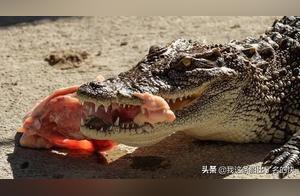
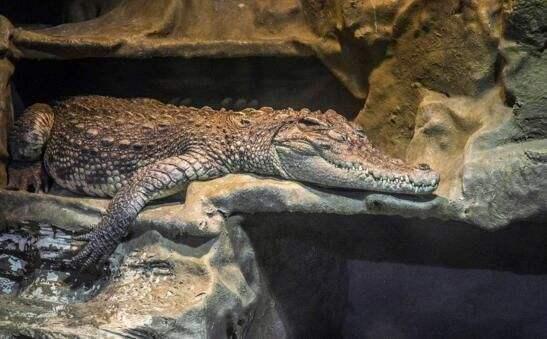
Most crocodiles do not hibernate. Only the Yangtze crocodiles and the Mississippi crocodiles hibernate. Because most crocodiles live in tropical areas, where there is no winter, so there is no hibernation.
10, Hedgehogs
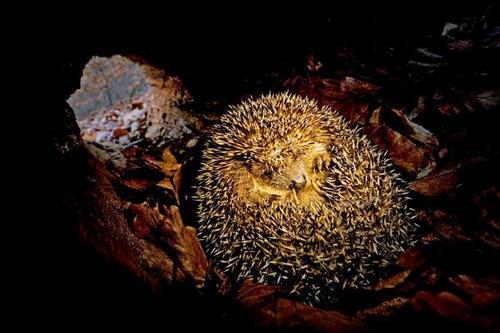
Hedgehogs are exothermic animals, because they cannot stabilize and maintain a constant body temperature, so hedgehogs have hibernation phenomena in winter.
11, Turtles
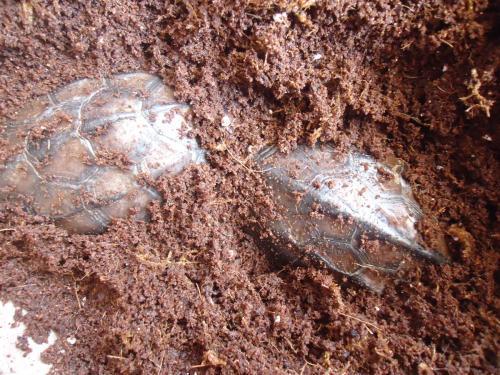
Turtles are exothermic animals, and their lives are greatly affected by the surrounding temperature. From November to March, when the temperature drops below 10 degrees Celsius, turtles stop eating, lie quietly in the mud at the bottom of the pool, or lie in the soil covered with straw, and hibernate.
12, Snails
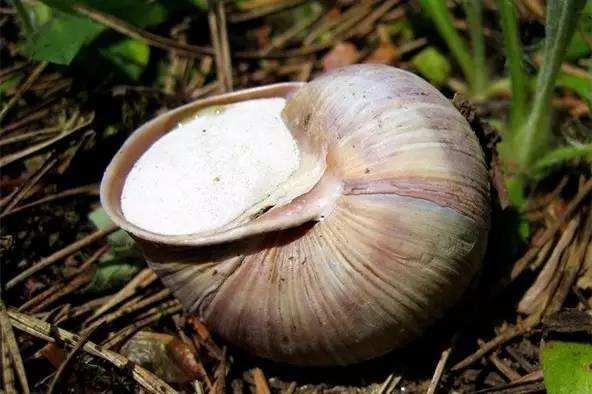
Snails generally live in damp places, and snails living in cold areas hibernate, and snails living in tropical areas also hibernate during the drought season. During hibernation, the mucus they secrete forms a calcium film to close the shell mouth, and they hide in the shell, and come out when the weather and humidity are suitable.
13, Bats
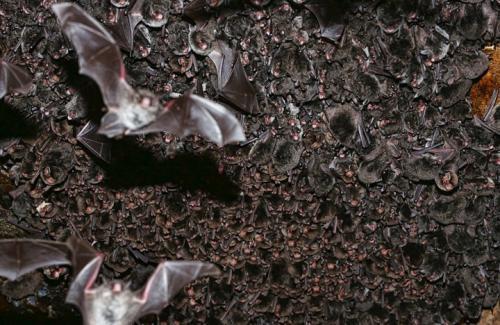
Bats usually hibernate in caves. During hibernation, their metabolic rate decreases, their breathing and heart rate are only a few times per minute, blood flow decreases, and their body temperature drops to match the surrounding temperature. However, they do not hibernate deeply, and sometimes they still excrete and eat during hibernation. After awakening, they can immediately return to normal.
14, Bees
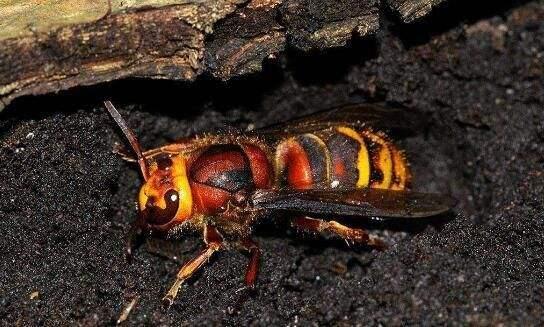
Bees, also known as horn bees or honeybees. Horn bees are semi-hibernating insects, and when the temperature drops to 5°C, they cluster together for hibernation, and the lower the temperature, the tighter the cluster.
15, Asian Black Bears
Asian black bears eat a lot in autumn to prepare for hibernation, and they eat a lot of food to store fat, and they hibernate in caves for the entire winter, not eating and sleeping in a semi-dormant state, and their body temperature and heart rate decrease. They will not be active until the 3-4 months of the second year.