Biodiversity Encyclopedia: Gaoligong Mountain Goat – ‘Six Not-Like-Gods’ Appearance
Today, we're going to introduce you toSpine Animals·Gaoligong Mountain Goat
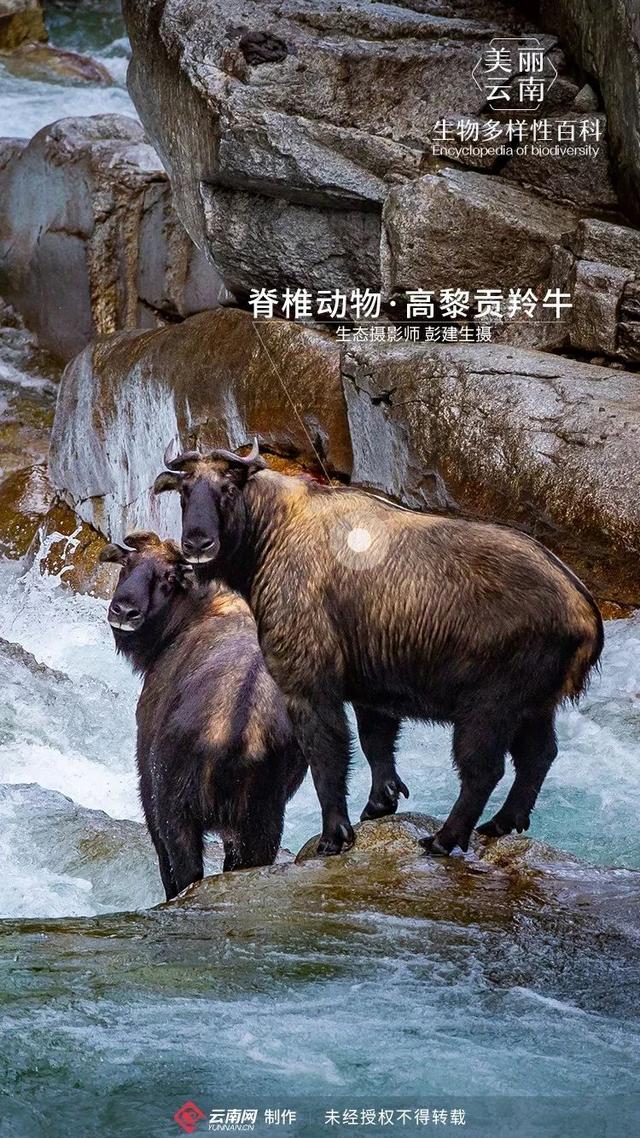
Gaoligong Mountain Goat
Budorcas taxicolor
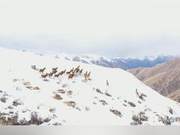
Spine Animals, Pecopterygidae, Bovidae. Locally known as wild cattle, a national level key protected wild animal. Head length 170-220cm, weight 150-350kg. Overall morphology is similar to Sichuan Mountain Goat, but with a darker color, predominantly brown-black, particularly the head and limbs, while the shoulder and back to the neck are relatively lighter brown to dark gold, with a distinct dark central line along the spine. The photo was taken in Kongshan County, Dulong River, Yunnan Province.
Gaoligong Mountain Goats are distributed along the southeastern foot of the Qinghai-Tibet Plateau, including northwestern Yunnan Province north of the Gaoligong Mountains and Dulong River basin, as well as the eastern part of the Tibetan Autonomous Region to the east of the Yarlung Tsangpo Grand Canyon, and some areas to the south of Myanmar's northern part.
Historically, Gaoligong Mountain Goats were considered a subspecies of mountain goats, but based on systematic evolution, morphology, and geographic distribution research, they have been elevated to an independent species.
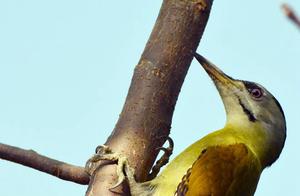
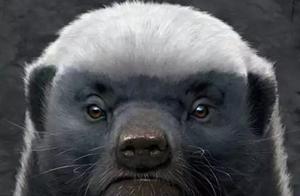
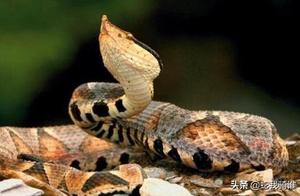
Gaoligong Mountain Goats are commonly known as the 'Six Not-Like-Gods' by the public due to their unique appearance: their spine resembles a brown bear, their hind legs resemble a hyena, their face resembles a moose, and their tails resemble a goat. Their horns grow like those of a horse. The overall appearance is also like a cow.
Gaoligong Mountain Goats are endemic to the Trans-Himalayan mountains, but field research and monitoring are relatively lacking, and there is little known about their ecological habits, distribution range, and population status. Limited data shows that Gaoligong Mountain Goats are distributed at elevations ranging from 1000-3000 meters, and may have seasonal vertical migration behaviors like other mountain goats.
Once severely rare in China due to rampant poaching. After the establishment of the Gaoligong Mountain National Nature Reserve, mountain goats were listed as 'among the most important' and have been protected. According to the results of research in 2018, there are 12 mountain goat populations in Kongshan's Dulong River region, and the population has increased to 400-450 heads, which is the main distribution area of Gaoligong Mountain Goats.

Peng Jianheng, Tibetan, ecological photographer, Vice Chairman of the Shangri-La Photography Association. He has been traveling extensively on the Qinghai-Tibet Plateau and the Trans-Himalayan mountains, dedicated to interpreting the beauty of nature and ecology through his lenses.

Click the picture to enter the topic