Turtle Illness Forewarnings: Are You Already Aware?
Generally, turtles need a long time to live to their natural lifespan, which is also a good experience. However, turtles often die prematurely due to diseases, usually during their captivity. But, like all living beings, turtles are prone to illness, and their metabolism is particularly slow, making recovery worrying. They rely heavily on their environment. However, if the disease is detected early, there is a high survival rate.
Often, turtle keepers don't realize their turtles are sick until the condition is quite serious, missing the best treatment period. This is partly due to the tenacity of turtles; they don't show obvious symptoms until the very end. These symptoms have already been present, but we've overlooked them, or perhaps we've been too busy to notice. Just like when we start to feel a headache and dizziness, we realize we have a cold and start to take measures like warming up and drinking more water. If we don't, the symptoms worsen, and it becomes much more difficult to treat.
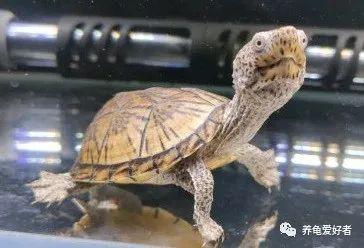
In daily care, early detection of turtle illness can greatly improve our treatment, therefore, understanding turtle illness features is very important.
We can assess a turtle's health through its body surface, movement, feeding, appetite, and feces. Daily care is not just about changing water and feeding; observation is also essential. Turtle's body surface includes skin rot, swollen eyes, runny nose, etc. Other activities include crawling, swimming posture, and reaction to stimuli.
If a turtle's body surface doesn't show obvious signs, we need to examine other aspects. 1, If the turtle is sluggish and cannot react quickly to surprises or stimuli, or if it frequently hides in a corner (except for newly arrived turtles or turtles that have become accustomed to your presence and your reactions),
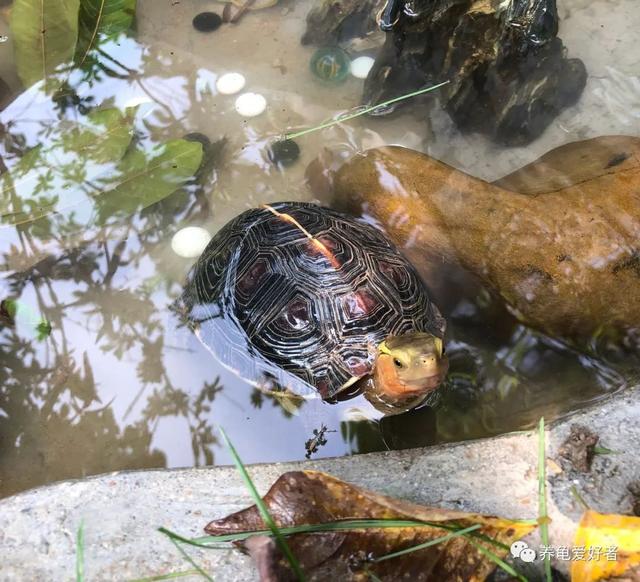
2, If the turtle's limbs are shriveled, and pressing on its carapace and plastron feels soft (except for young turtles), and if growth is slow or halted; 3, When held in the palm of your hand, it feels light and doesn't have a heavy feeling; 4, If the turtle is lethargic, even in suitable activity temperature; 5, If the food is suitable for consumption, but the turtle doesn't eat actively; 6, If the turtle, which used to be good at swimming, recently likes to float; 7, After feeding, it can finish eating in a short time (unless it's fed too much), I think more than 15-20 minutes should be of concern.
These are all signs that a turtle may be unwell, even if there are no obvious symptoms, you should pay more attention. It might just be a temporary 'bad mood' for the turtle, but it's usually due to a health problem. Some cases can self-resolve, but you still need to keep an eye on it unless you're willing to gamble on it getting better or you don't want to bother feeding it.
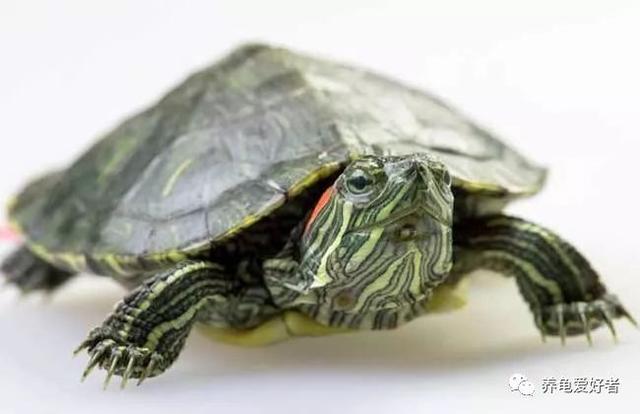
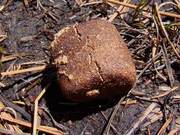
Once we confirm that a turtle is sick, we should do three things: 1, If the turtle's condition is abnormal, whether it's contagious or not, it should be isolated. Especially turtles with skin wounds, they will have a bloody smell and will be attacked by other turtles; 2, Then check the whole turtle to see if there are any abnormalities in other parts, especially the mouth, nose, limbs, armpits, and anus; 3, Check if there's any remaining feces in the turtle's environment.
These actions help us not miss any sick areas of the turtle, and can also help us assess the turtle's condition. Why do we need to isolate sick turtles? One is to protect healthy turtles from infection, and the other is to provide a disturbance-free environment for the sick turtle to rest and recuperate.
People often say: Once you have one turtle, you'll have a second, third, and so on. While increasing your feeding equipment, also prepare some commonly used disinfectants and medications at home. You can use them in an emergency, and this can save turtles, isn't that wonderful?