Regarding Feeding Cats with Bone and Meat, Experienced Cat Owners Say: Painful but Joyful
As the number of cat owners continues to increase, the cat owner population has also been divided into several camps. When feeding cats, cat owners all make every effort to give their cats the best. And among them, those who feed raw meat are also increasing.

The benefits of feeding raw meat are numerous, but raw meat feeding is not easy to operate. Here, I recommend that cat owners with sufficient time and patience feed raw meat. However, when switching from dry food to raw meat, it takes more time and thought. Only with enough time and patience can you persevere in feeding raw meat.
Raw meat, as the name suggests, is feeding with raw food, including meat and bones. Raw meat feeding is currently the most scientific feeding method, and it can accurately restore cat's diet in the wild. Dry food is more like biscuits for cats, although it has nutritional value, but it is not as good as meat, and long-term consumption of dry food will cause tooth decay, digestive function decline and urinary problems.
1. What are the benefits of feeding raw meat?
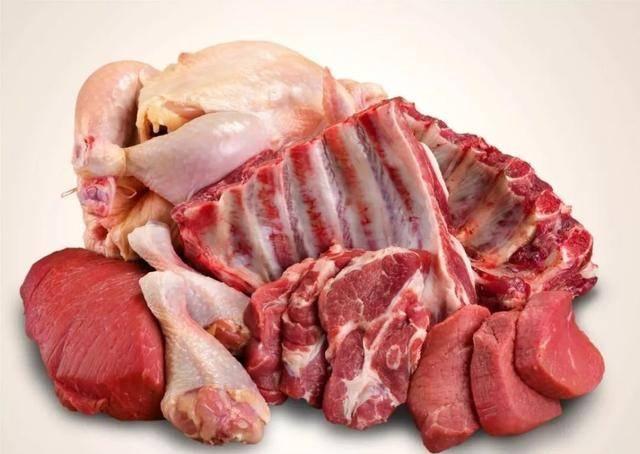
The biggest drawback of dry food is that it is short of water, secondly, it is likely to contain starch. The biggest advantage of raw meat is water. Cats don't like to drink water, so cats that eat dry food are prone to urinary diseases, but raw meat is just the opposite, it has high nutritional value and plenty of water, and no starch.
Starch is not part of a cat's diet structure, it cannot be digested, and it leads to diarrhea, stink, and even shapeless stools. Even if you choose grain-free cat food, it still contains ingredients such as potatoes and sweet potatoes. Feeding raw meat can completely avoid these starch additives.
2. How to feed raw meat?
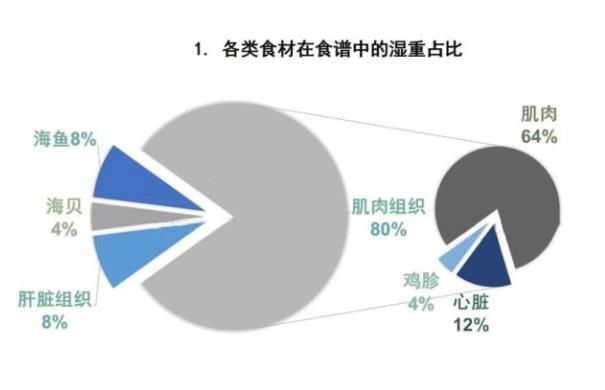
When feeding raw meat, it is best to make the ingredients diversified, and the muscle tissue accounts for most of the content, and appropriately add liver tissue, seafood, shellfish, etc. The diversification of food is very important. Let raw meat feeding achieve diversified nutrition and reduce risks. Don't worry too much about the diversification of one cat meal, you can design various recipes and rotate feeding.
In addition to choosing diversified raw meat, the additives in raw meat are also very important. Especially taurine, Omega-3 fatty acids, eggshell powder, vitamin E, vitamin B complex, etc. It is even more recommended to supplement what is lacking or replace them with rich various ingredients.
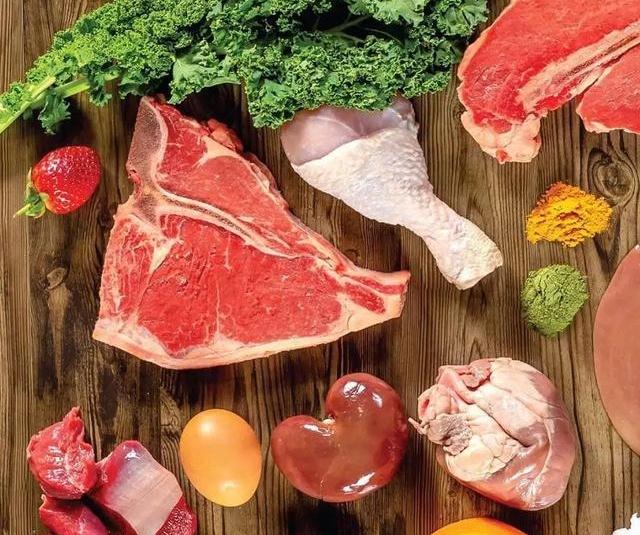
When preparing to feed raw meat, it is necessary to consider that cats have never eaten raw meat before, so it needs to be started gradually. Fresh meat has no smell, compared to cat food, canned food and cooked homemade food, raw meat has little attraction, and it takes a lot of gastric acid to digest, so cats that have been eating dry food for a long time have insufficient gastric acid to help cats digest the raw meat, so it needs to be gradually transitioned.
During the transition period, due to the impact on the cat's digestive tract, it is necessary to separate raw and cooked food by 6-8 hours. Reserve sufficient digestion time. At the same time, closely monitor the cat's defecation situation. If the defecation situation is good, you can continue to feed normally. If you find soft stools or diarrhea for more than twice, you need to adjust the diet. Temporarily return to dry food or canned food feeding, and then restore it with a smaller proportion of raw meat.
3. What are the hidden dangers of feeding raw meat?
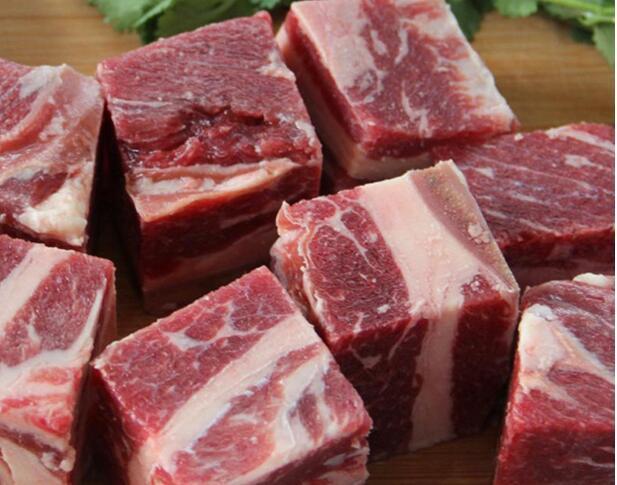
Although raw meat feeding has some potential risks, these risks can be effectively avoided. Nutritional imbalance, as long as you design raw meat recipes based on the formula, nutritional balance is not a problem. Bacterial infection, many people worry about bacterial infection from raw meat, it is more effective to establish good hygiene habits, daily cleaning of cat bowls, absorption before feeding, and cleaning of raw meat before and after processing. , reduce the exposure of raw meat to room temperature air for a long time, etc.,
In raw meat feeding, cat owners attach great importance to the infection of parasites. Avoid feeding animals with parasitic digestive tracts and freshwater organisms, at the same time purchase meat from a reliable source, and freeze meat for at least 72 hours (-18℃) before feeding. Pig meat should not be fed or cooked. Feed for no more than 30 minutes to one hour, and collect uneaten meat and thoroughly clean the cat bowl.
Finally, when choosing to feed raw meat, you must choose a reliable meat source and do it properly, ensure that the meat has been frozen for at least 72 hours (-18℃) before feeding.
72-18℃30