What to Do When Peacock Fish Get Tail Rot? Don't Worry, Let Me Show You My Genius Operation!
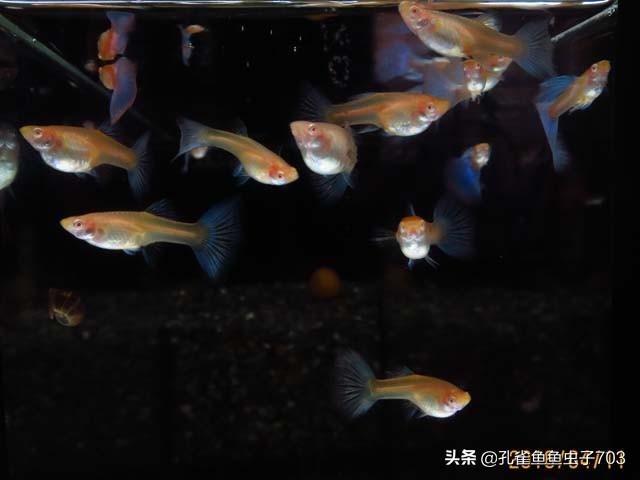
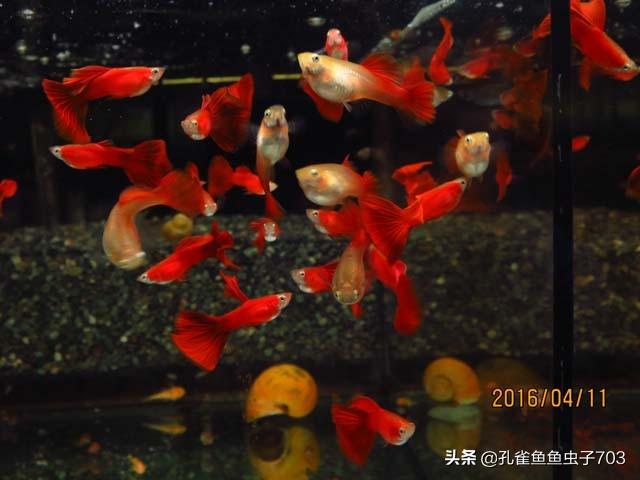
Many Chinese people like to keep Peacock Fish now because Peacock Fish have beautiful and colorful bodies, which are very attractive. However, anyone who has kept Peacock Fish knows that it is essential to pay close attention to water quality and environment, otherwise, Peacock Fish are prone to (tail rot). Let's talk about the reasons and methods for treating (tail rot) in Peacock Fish to help them recover their beauty quickly.What should we do if Peacock Fish have (tail rot)?
1. Reasons for Peacock Fish (tail rot)
The main reasons for Peacock Fish to develop (tail rot) are: long-term failure to change water, failure to clean filter media, excessive organic matter, and deterioration of water quality; the density of Peacock Fish kept is too high, leading to a decline in water quality; sudden temperature changes of up to 5 degrees Celsius can cause stress and illness in the fish; damage to the fish during water changes, cleaning, and fishing, resulting in bacterial and viral infections; irregular, inconsistent, and inaccurate feeding of fish food, leading to malnutrition.
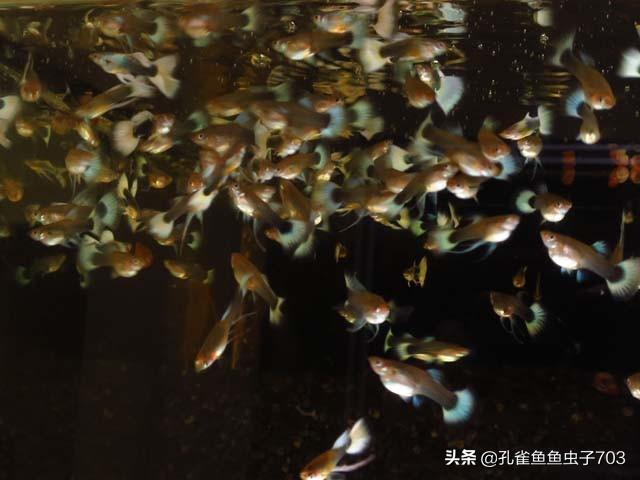
2. Symptoms of Peacock Fish (tail rot)
Sick fish move slowly, have reduced appetite, and may stop eating; the tail and tail fin become inflamed and red, the tips of the fins are eroded, and the tissue between the fins is destroyed, the fins become scattered and eroded; in severe cases, the entire tail fin falls off, the tail muscle rots, and the bones may protrude. When the water temperature is low, water mold infections often occur.
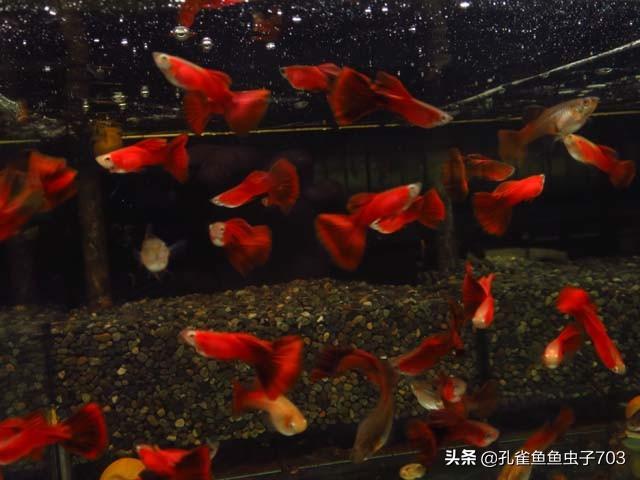
3. How to Treat Peacock Fish (tail rot)
Treatment methods:
1. Initial Stage—Adjust water quality, strengthen the filtration system, and change 1/3 of the water daily to reduce bacterial content. Add antibacterial medications for treating (tail rot) infections. Basic recovery within 3-5 times.
2. Middle Stage—Increase the dosage and frequency of medications. Change 1/2 of the water daily. Specific methods: When first using medication, use a small amount, and increase the dosage if necessary. A 5-day treatment course is recommended, with twice-daily doses every 12 hours. Many beginners find it difficult to measure dosages accurately. During the medication, treat the original tank with the medication, reducing the dosage.
3. Late Stage—Increase the amount and frequency of water changes. If the drug is ineffective, try a different medication. It is crucial not to over-medicate, as excessive drugs can harm beneficial bacteria like nitrifying bacteria. Beginners should use medication sparingly. After treatment, perform large water changes, at least 2/3 of the water twice, to remove residual drugs. Then, add live nitrifying bacteria to establish a healthy aquascape – this is the key to preventing disease.
4. Prevention of Peacock Fish (tail rot):
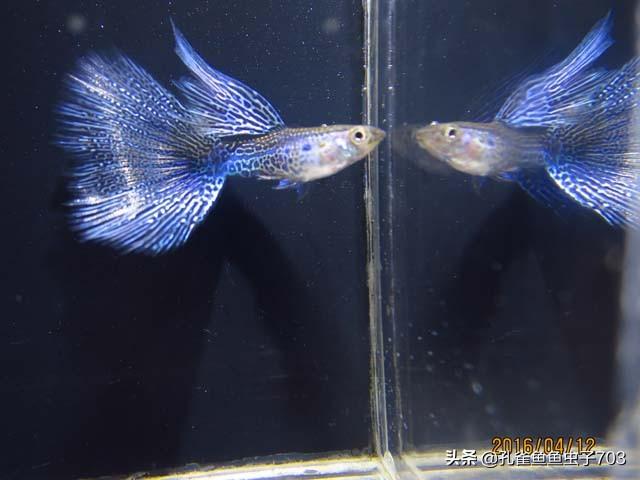
1. Maintain a clean aquarium environment;
2. Maintain an appropriate stocking density;
3. Strengthen management: Keep the water temperature around 25°C and feed sparingly and with high-quality food;
4. Regularly change clean water and remove uneaten food and regularly remove bottom debris;
5. Introduce auxiliary fish and snails, such as Whisker snails, ornamental snails, and apple snails.
Regardless of the type of fish being raised, water quality is crucial. Just as our living environment needs to be clean, the Peacock Fish's environment also needs to be kept clean – this is the best way to prevent disease.
How to treat, cure, and prevent (tail rot) in Peacock Fish has been introduced here. It is obvious that (tail rot) in Peacock Fish is mainly caused by improper care and unsuitable environment. Only by carrying out effective prevention measures can we better raise Peacock Fish.