Flash-Like Speed Black Mamba
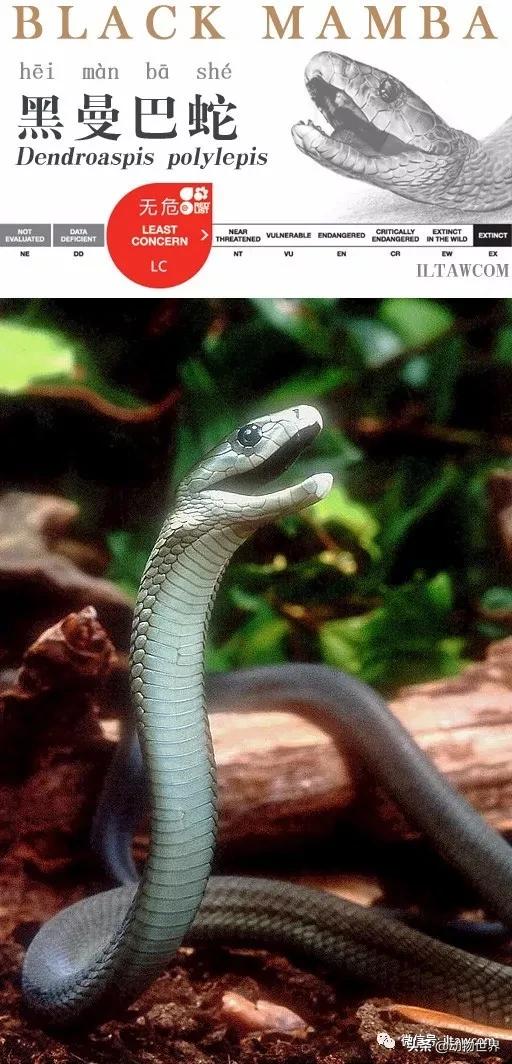
Black Mamba Often referred to as the Black Mamba, they are the largest venomous snakes in Africa, and one of the fastest-moving snakes in the world. It is one of the most dangerous and terrifying snakes in Africa, with clinical reports showing that victims can die within 30-60 minutes after being bitten.
Taxonomy: Animalia
Kingdom: Chordata
Phylum: Vertebrata
Class: Reptilia
Order: Squamata
Family: Elapidae
Genus: Dendroaspis
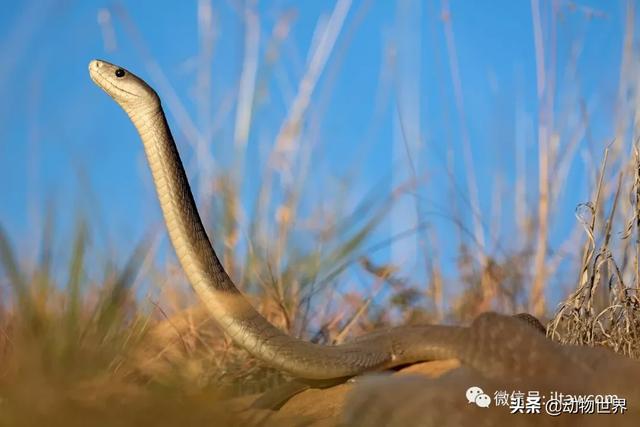
Species: D. polylepis
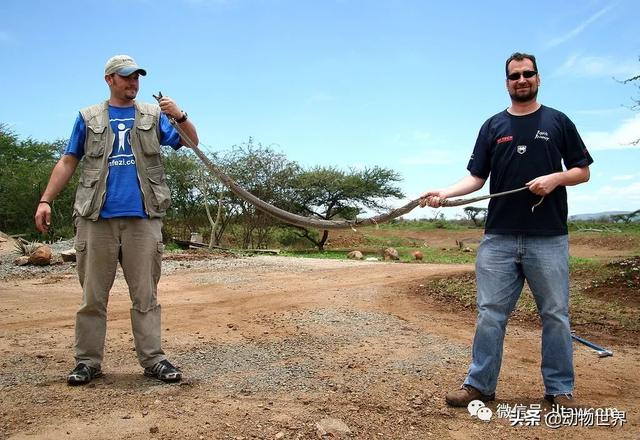
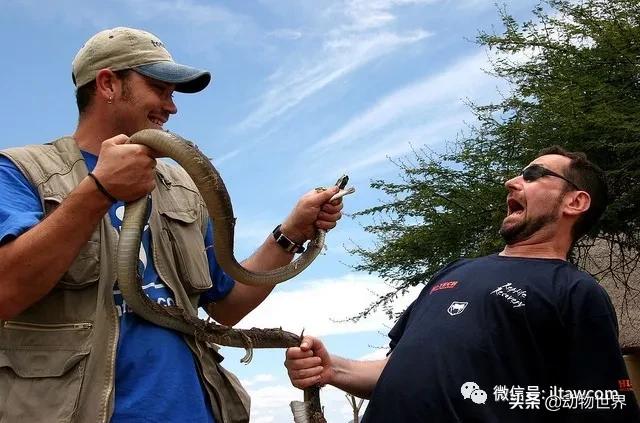
The Black Mamba is 2.5-3.2 meters long and weighs 1.6-3.1 kilograms. The maximum recorded length is 4.48 meters, found in Zimbabwe. The Black Mamba is the second longest venomous snake in the world, second only to the Asian cobra.
Black Mamba and Human Proportions
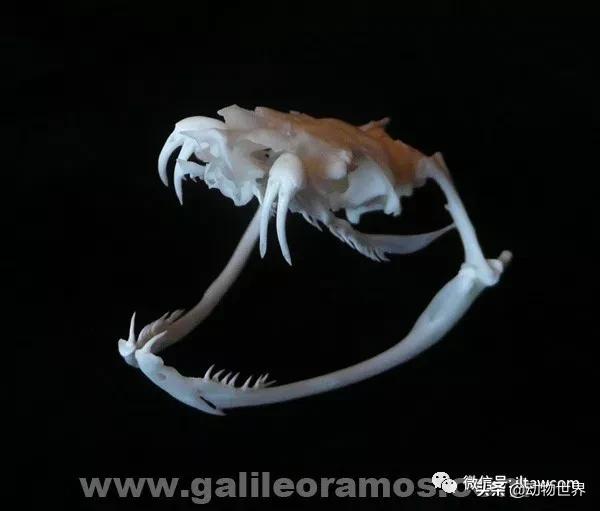
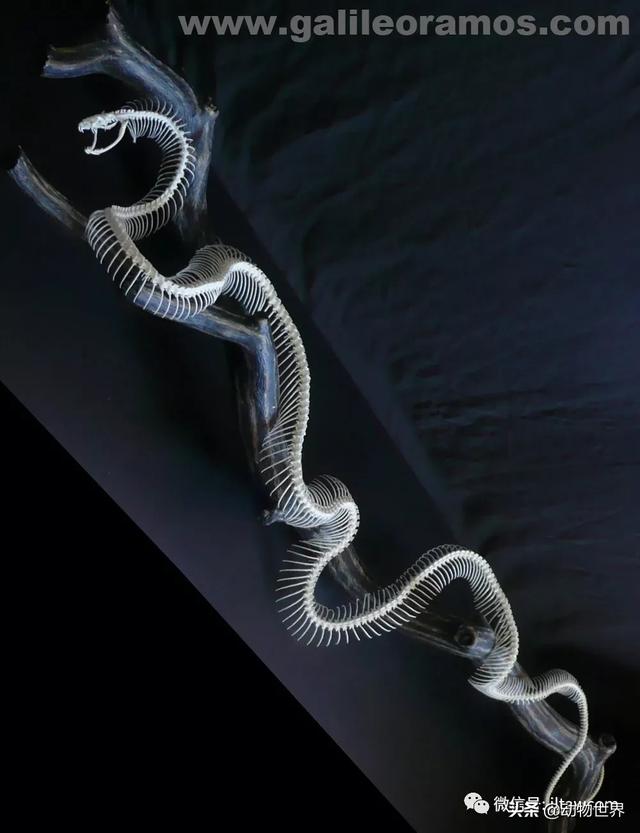
Black Mamba Skeleton
Black Mamba Skull
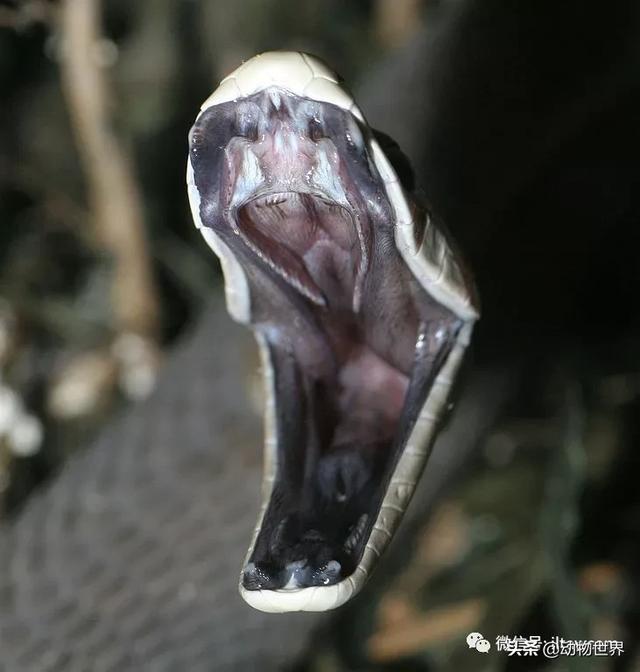
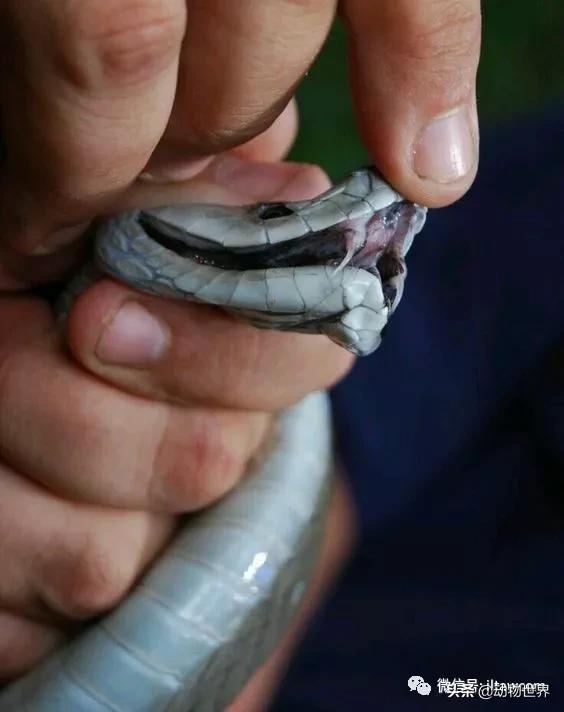
Black Mamba Teeth
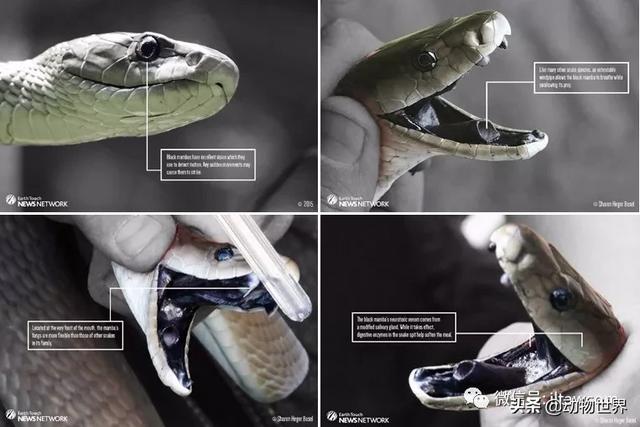
Black Mamba's Name Origin
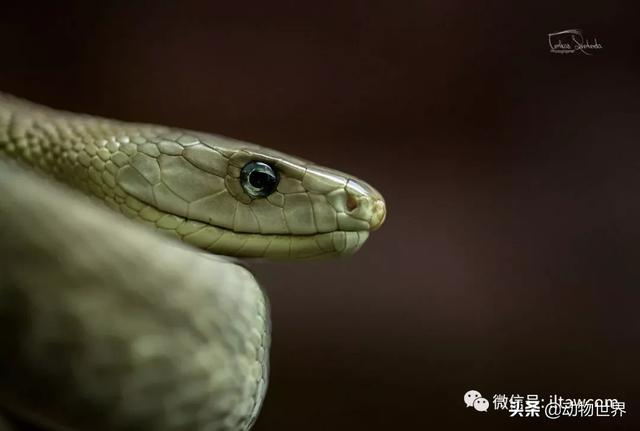
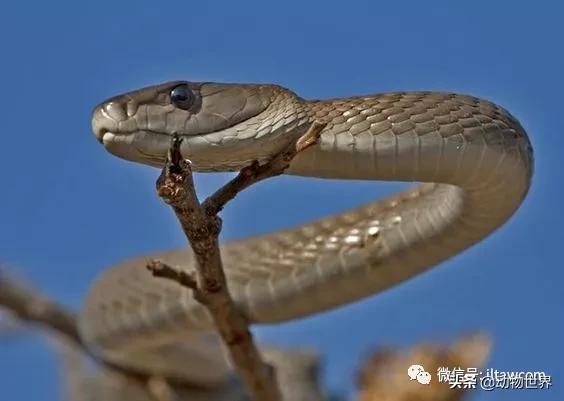
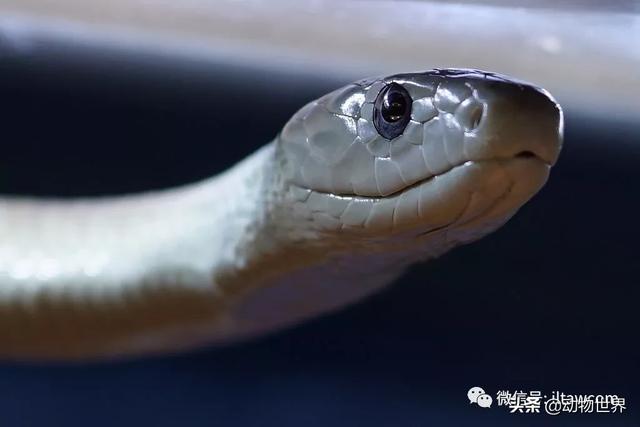
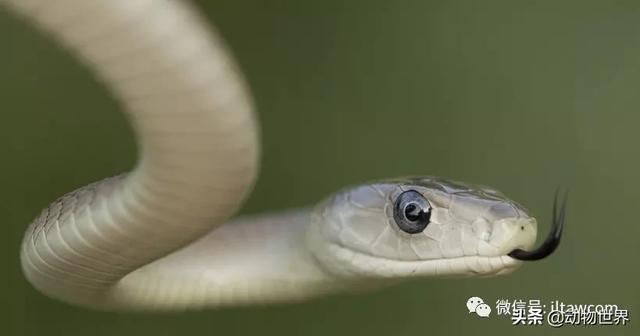
Black Mamba Head Close-up
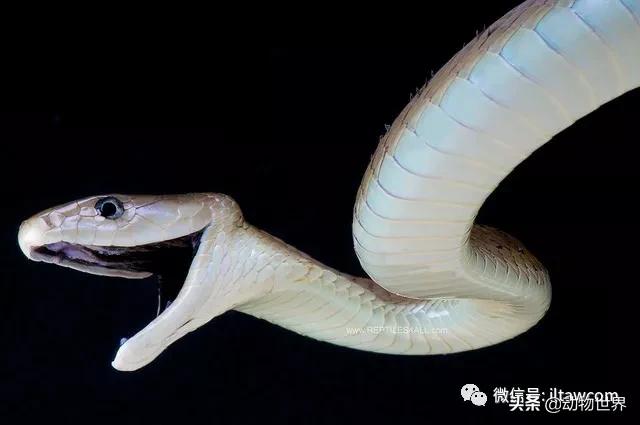
The Black Mamba's color varies, mainly gray, black, dark green, brown, beige, and yellow, with young snakes primarily gray or dark green.
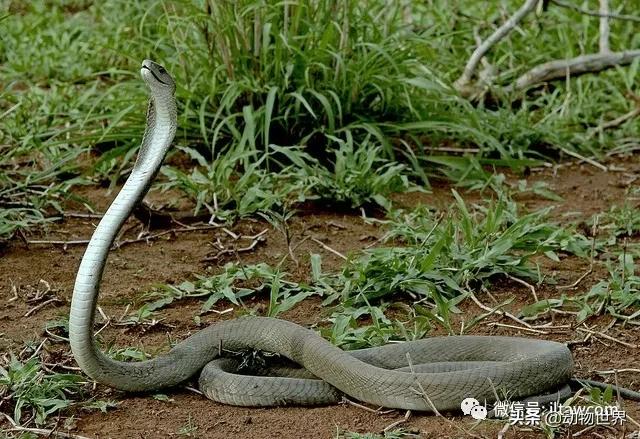
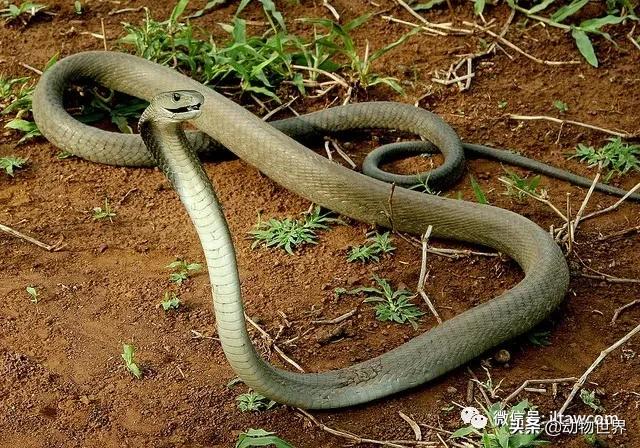
The Black Mamba's belly is white, sometimes yellowish. In addition, some individuals have light-colored markings on their bodies.
The Black Mamba is widely distributed, adaptable and prefers dry environments, often hiding in abandoned termite mounds, dead trees or rock crevices.
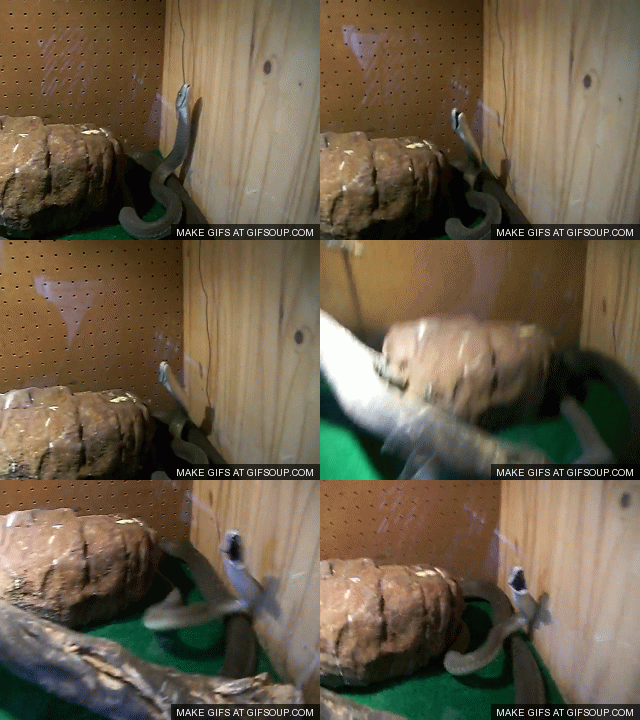
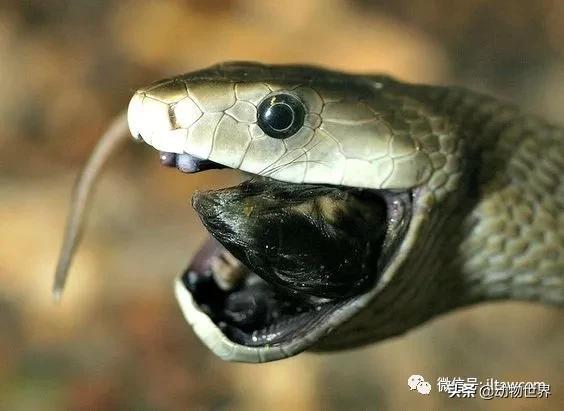
The Black Mamba is diurnal, secretive, and when disturbed, it opens its neck like a cobra, opens its black mouth and emits a 'hissing' sound. If this fails to scare away the enemy, it will attack.
Black Mamba's attack speed is fast
Its range is large
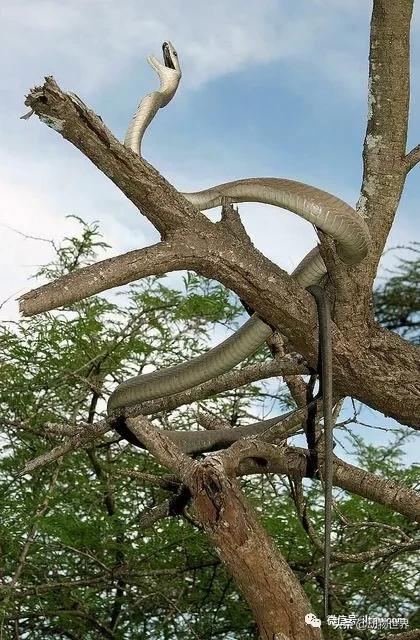
They move on the ground, the Black Mamba has excellent crawling speed. Its long-distance movement speed can reach 11-19 km/h, while the short-distance maximum record is 16-20 km/h, and even reaches 23 km/h, making it the world's fastest-moving snake.
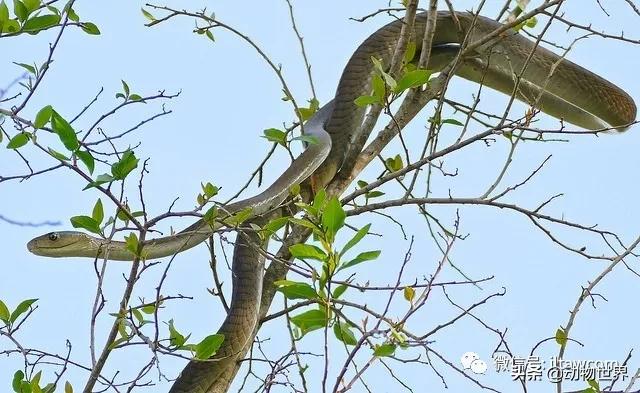
During noon, the Black Mamba usually climbs to higher places (such as tree tops) to bask in the sun or wait for prey, which is also the main reason for human attacks, as many fruit pickers manually harvest crops from trees, triggering the snake to attack in self-defense.
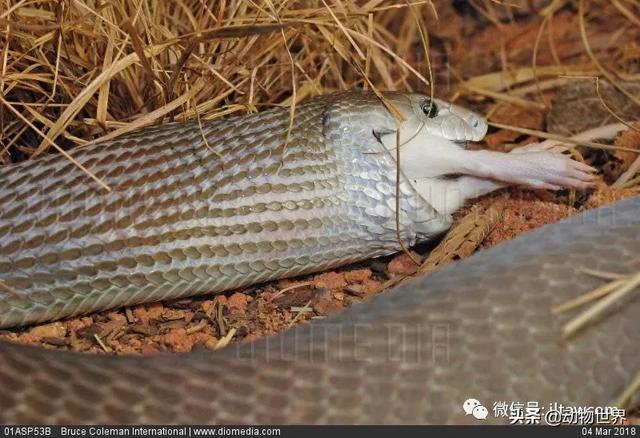
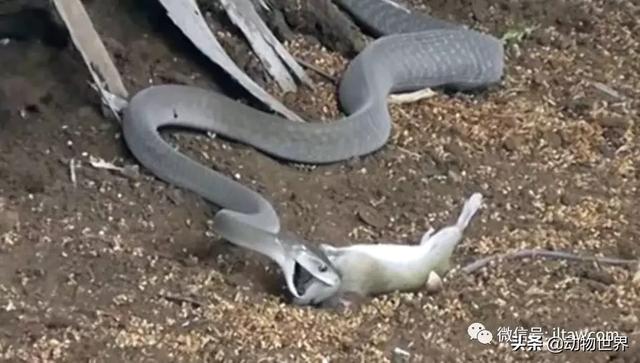
When hunting, the Black Mamba usually waits for the prey to approach and then attacks. If the prey struggles, it will repeat the attack.
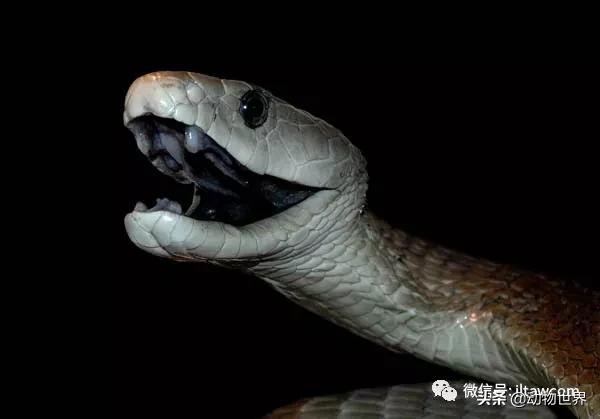
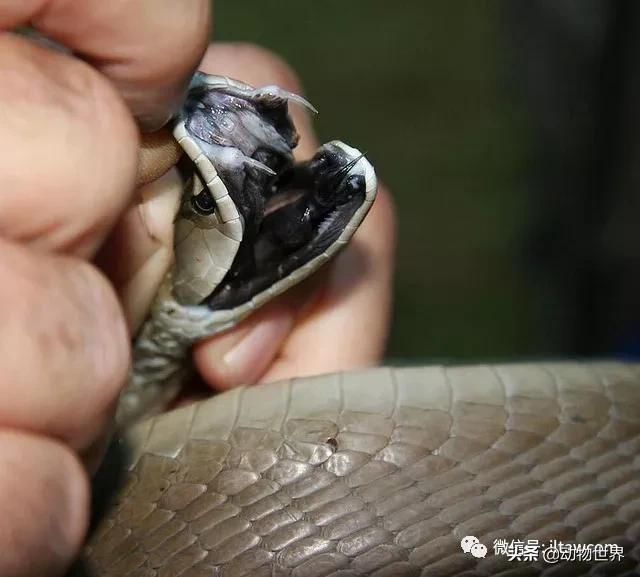
The Black Mamba takes different actions depending on the size of the prey: When encountering large prey, this snake usually lets it run away after the attack, with the scent, the snake can find the dead prey; however, when dealing with smaller prey, such as birds, mice, bats or lizards, the Black Mamba bites tightly until the prey stops struggling and is swallowed.
The venom of the Black Mamba mainly contains neurotoxins and cardiotoxins. The average venom secretion volume is 50-120 mg, and the maximum record is 400 mg.
Before the effective serum was available, the mortality rate caused by the Black Mamba was close to 100%, as this snake almost injected a lethal dose of venom with each attack. Clinical reports showed that victims could die within 30-60 minutes after being bitten. The mortality rate is affected by many factors, such as the health condition of the victim, the amount of venom injected by the snake, and the location where it was bitten. The symptoms of the victim are usually fainting, difficulty breathing, irregular heartbeat, and in severe cases, heart and respiratory failure. In addition, the Black Mamba's venom can cause paralysis, and death occurs due to the cessation of breathing.
However, currently in Africa, the South African Institute for Medical Research (SAIMR) has widely provided targeted antivenom for Black Mamba bites.
Based on various factors, the Black Mamba is considered one of the most dangerous and terrifying snakes in Africa. However, the number of snake bite cases caused by it is very small, because it mainly resides in sparsely populated areas and does not willingly conflict with humans.
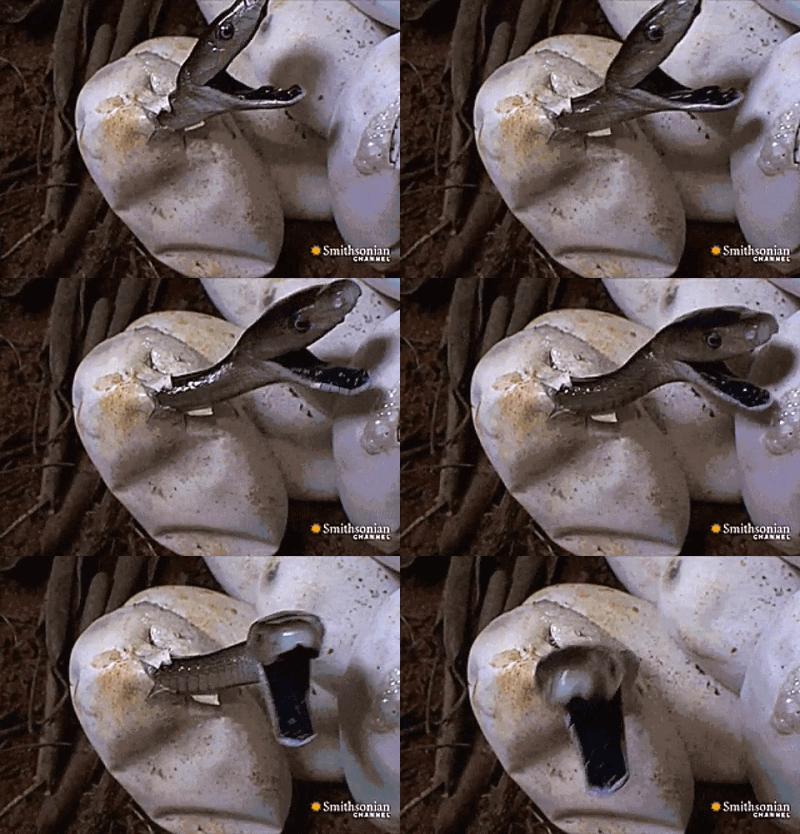
The breeding season of the Black Mamba is in spring, the female lays 15-25 eggs, and the incubation period is about 60 days. The newly hatched snakes are about 50 cm long. The newly hatched snakes live independently as soon as they are born, and they have deadly venom similar to adults as soon as they are born.
Artificial breeding Black Mambas have a lifespan of about 14 years, while wild Black Mambas have a longer lifespan.
During the breeding season, the Black Mamba has a strong territorial consciousness and is extremely dangerous, actively attacking all living things in its territory, including large carnivorous animals such as lions, hyenas and leopards. Once it launches an attack, it is fierce and tenacious.
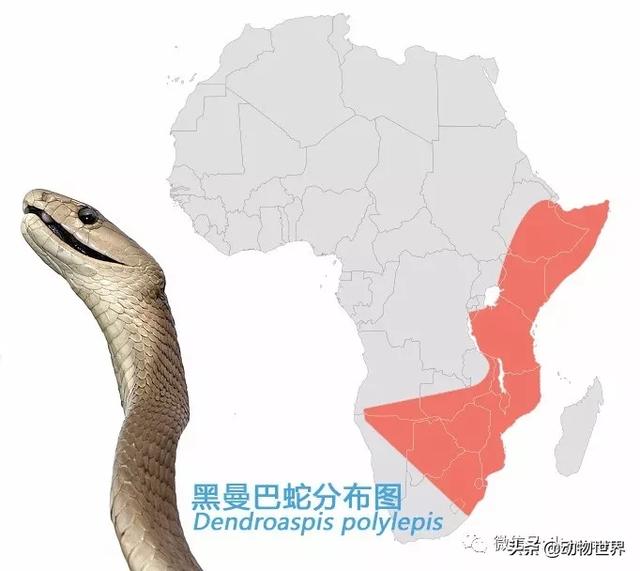
The distribution of the Black Mamba is found in Northeast Democratic Republic of Congo, Southwestern Sudan to Ethiopia, Eritrea, Somalia, Uganda, Tanzania, Kenya, South to Lesotho, Botswana, KwaZulu-Natal, Mozambique, Swaziland, Malawi, Zambia, Zimbabwe, Rwanda, Djibouti, Angola, Namibia in South and East Africa regions.
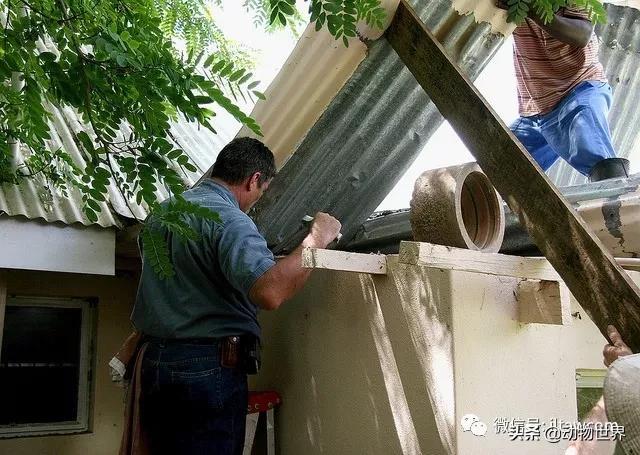
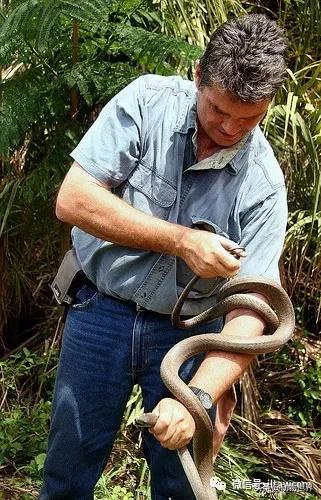
The wide distribution of the Black Mamba, currently there is no specific threat, the species has not experienced a significant decline. It mainly resides in sparsely populated areas, and the Black Mamba does not willingly conflict with humans.
Black Mamba and Kobe
The NBA player Kobe Bryant has the nickname Black Mamba because his shooting and dunking are as fast as the Black Mamba.
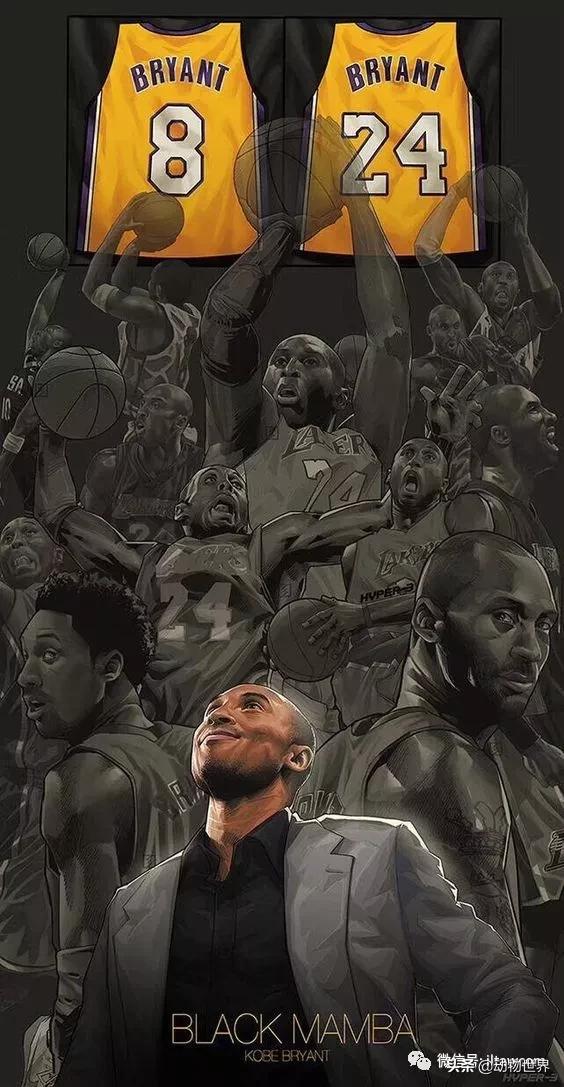
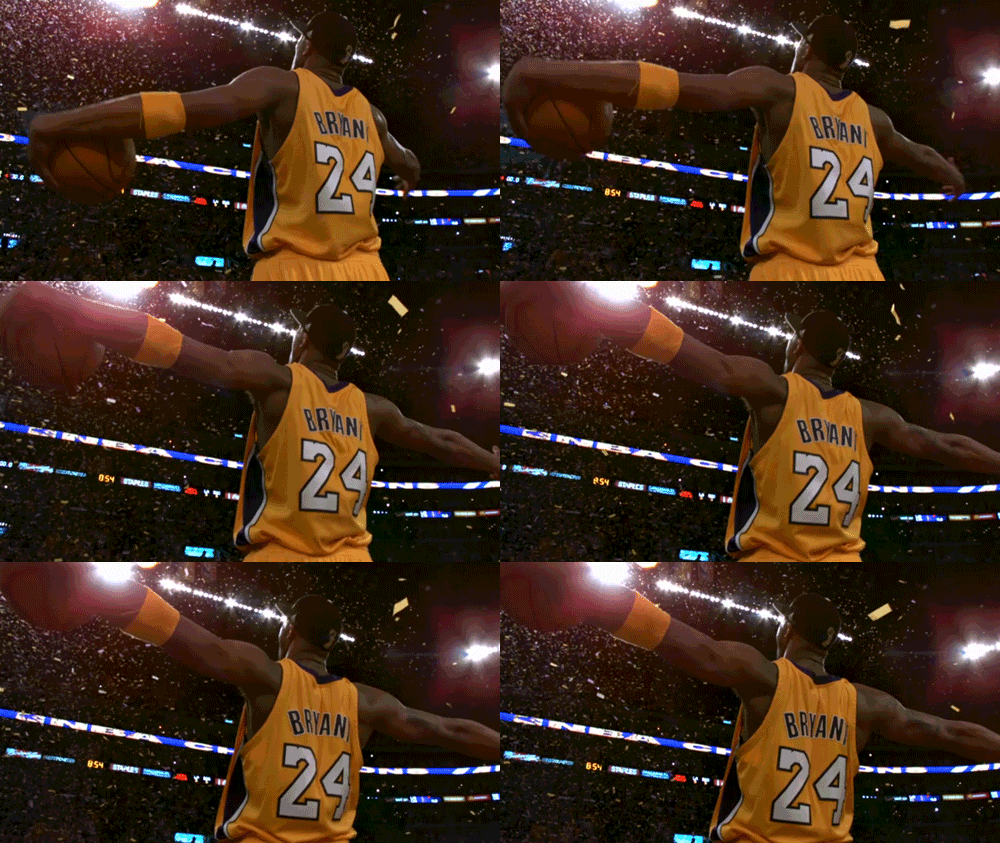
Dedicated to Kobe
Forever Black Mamba
For more amazing content, please follow 'Animal World'
WeChat public account: iltawcom