Original ‘Daffodil’ - Yellow-Winged Peacock Bass
Chinese Name:Yellow-winged Peacock Bass (This name is based on the external shape, dorsal fin, caudal fin, etc., distinguishing it from other varieties of Peacock Bass)
Scientific Name:Neolamprologus pulcher (kantalamba)
Trade Name:Neolamprologus pulcher 'Daffodil'
Origin:Lake Tanganyika
Specific Birth Distribution:Kantalamba area (Kantalamba, Tanzania, Lake Tanganyika)

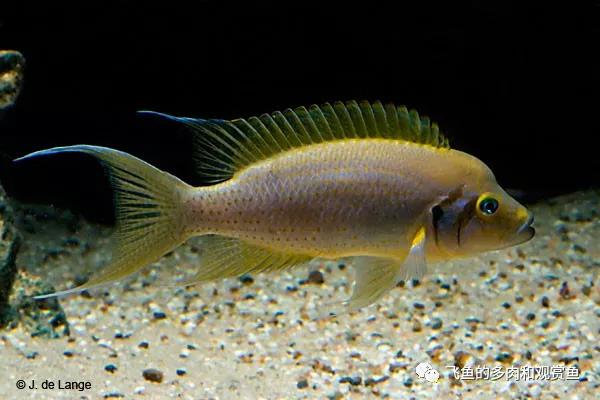
Maximum Size of Adult Fish:12-13cm
(Feels like a somewhat large regional variety of Peacock Bass in terms of size, reference books mostly describe the adult size of Neolamprologus pulcher as 9-10cm)
Suitable Temperature:23-26℃ (relatively cold-tolerant)
Minimum Water Volume:60L (aquarium size reference: 60cm*40cm*40cm)
Activity Zone:5-15 meter rock area
Difficulty Level:Easy
Breeding Difficulty:Easy
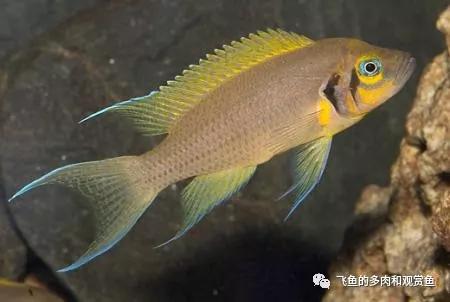
Neolamprologus pulcher 'Daffodil'
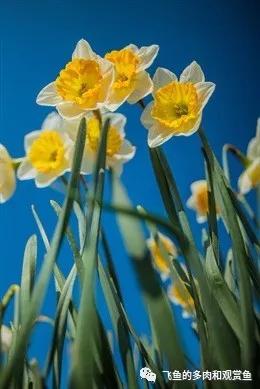
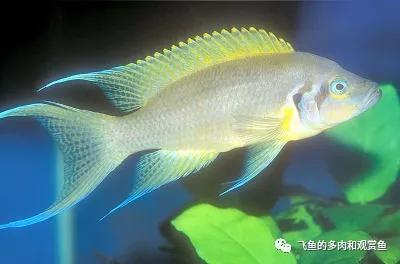
The name 'Daffodil' refers to water lilies, which is what we call water lilies. They are likely named because their color and posture are similar to water lilies - fresh with a touch of splendor, elegant and pleasant, and lovable, attracting affection!
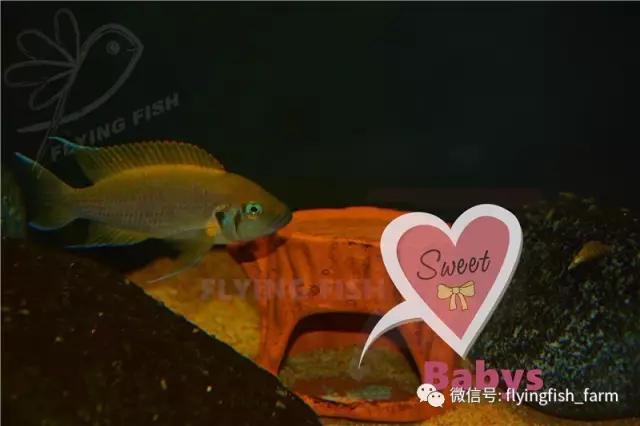
Peacock Bass, whether from morphology, color, species, or living habits and adaptability, are all very suitable for beginners. Yellow-winged Peacock Bass is no exception. Their overall body is grayish-yellow with red spots, and the yellow on their dorsal fins is even more vibrant and dazzling, with long, silky tails and shimmering blue hues. The bright blue orbital rims and yellow eyeshadows make them look very energetic. Black bars are present at the back. When talking about these, the black bars on their faces are the main distinguishing features between Neolamprologus pulcher and Neolamprologus brichardi.
N.P.'s facial black spots are two parallel vertical lines.
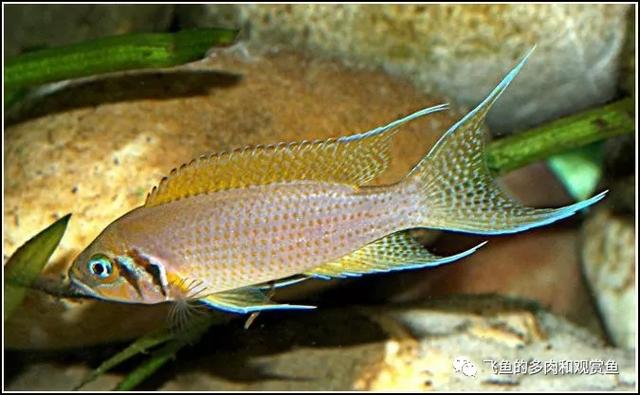
N.B.'s facial black spots are in the shape of a T-cross.
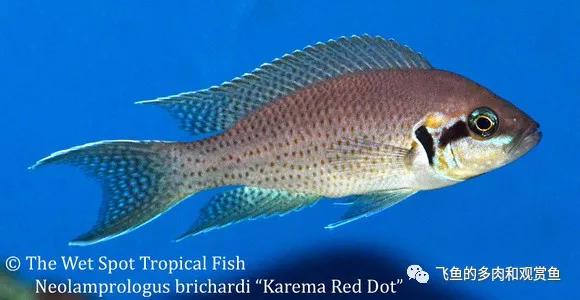
Neolamprologus pulcher 'Daffodil'

A region's Neolamprologus brichardiThey can adapt to almost all types of Peacock BassFood:
They have not demanding requirements for water quality
During breeding:
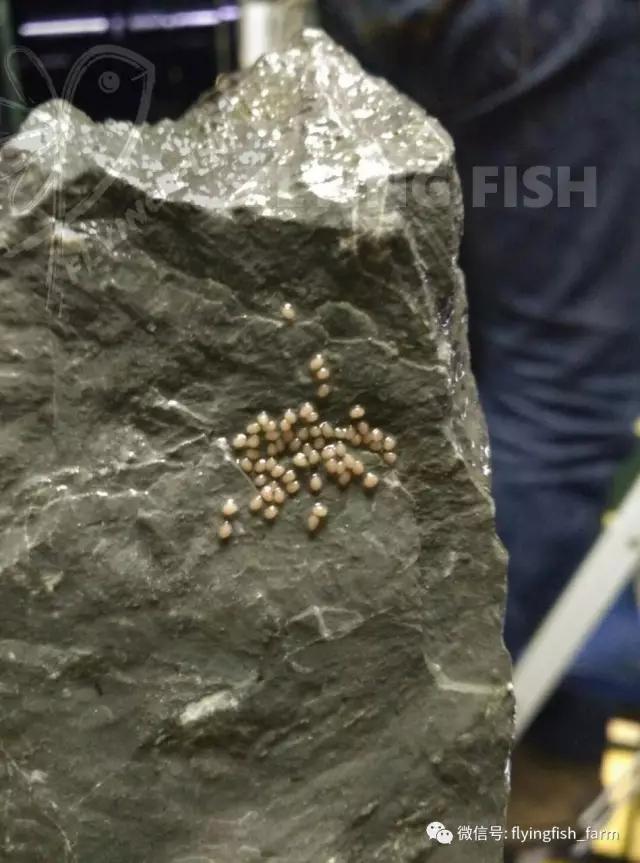
The couple will choose a shell or rock fissure, any shelter is fine as long as there is a place to lay eggs. The female lays a large amount of eggs, and the laying time is relatively long. The male and female fish will dance around in their loving home, which is exciting for beginners to observe!


Text: Flying Fish Reference: Book 'Back to nature guide to tanganyika cichlids' by Ad Konings; ISBN 1-932892-03-6 Edited by More Part pictures from the internet, please contact us if there are copyright issues!