Three Thousand Ducks Took Flights to Eat Insects and Combat Locust Swarms
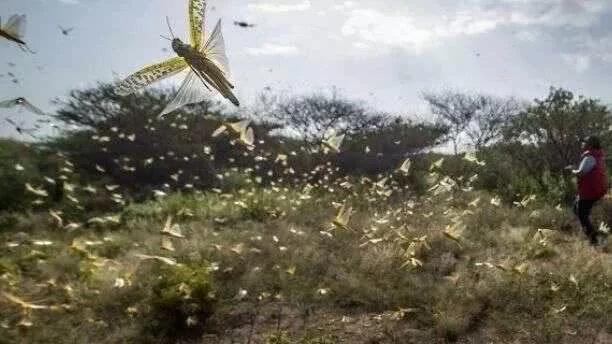
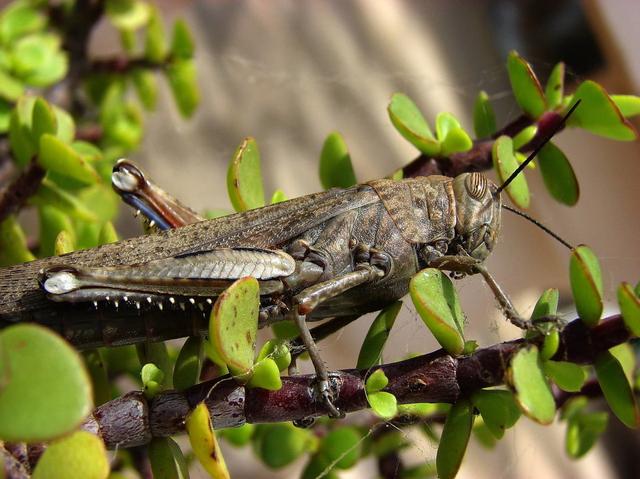
According to reports, desert locusts have crossed the Red Sea and entered Europe and Asia, approaching China.
Starlings and chickens
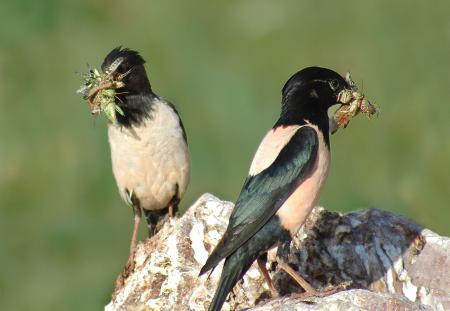
In the biological control law, one of them is ‘Pink Starling Attraction Method’. It is a migratory. In the 1980s, Xinjiang used artificial stacking of stone nests and the construction of brick-concrete bird nests to attract Pink starlings to migrate there.
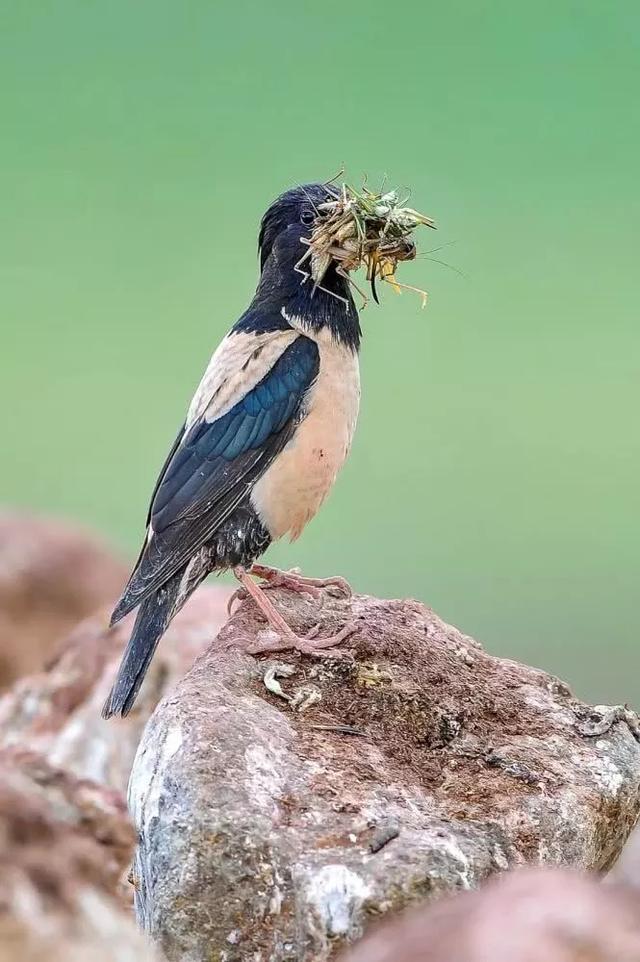
In April 2019, locust plagues occurred in many areas of Xinjiang, with flocks of Pink starlings launching ‘aerial attacks’.A Pink starling can eat 120 to 180 locusts in a day.
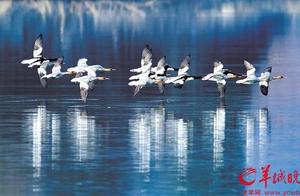
Besides Pink starlings, chickens, ducks, and eagles can also feed on locusts at the beginning of a plague. In 2018, several thousand ducks and chickens were deployed. In June 2001, Xinhua News Agency reported that besides Pink starlings, nearly 700,000 chickens and ducks raised in Xinjiang were also used to control locusts.In May 2000, Zhejiang Province had 30,000 ducks flying to Xinjiang to eat locusts.
According to Qiantang Evening News reports, in May 2000, a severe locust plague occurred in the northern part of Xinjiang, in addition to using chemical drugs, a ‘biological army’ composed of flocks of shepherds raising chickens and ducks also demonstrated its effectiveness in the ‘war against locusts’.
At that time, through the introduction by the Provincial Agricultural Science and Technology Bureau, Yang Da Yuan, a large-scale duck farmer in Tianping Village, Longxing County, Zhejiang Province, and his 30,000 ‘duck soldiers’ were flown to Xinjiang disaster areas in batches.
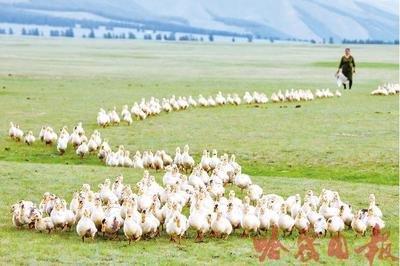
After the ‘duck army’ was deployed on Xinjiang grasslands, the effect was obvious. By the end of August, at least 100,000 mu of high-quality grasslands in Xinjiang were completely annihilated by ducks.
The Xinjiang Locust and Rat Command and Control Office pointed out: Ducks have strong locust-catching ability, large feeding volume, and strict discipline, and deploying ducks is the most effective way to clear locusts and protect the ecosystem on the grasslands.
It is worth mentioning that according to local herdsmen, the scene of ducks eating locusts is a highlight. On the grassland, as the duck's paw stepped on it, locusts jumped up, and the ducks used their flexible necks to peck at them in the air, like martial arts masters using chopsticks to clamp flies.
‘Ducks feed twice a day, around 4:30-5:00 am, when the sky is just getting bright, the ducks go out to eat locusts, and after a few hours, they return to nearby small gullies to drink water and rest. Around 7:30 pm, the ducks go out again until the sun sets around 9:30 pm.’ Livestock farmer Ma Yonggang was amazed by the ducks' self-discipline, saying, ‘Ducks are too self-disciplined, I almost don't need to worry about them, they come and go in several platoons, with one duck following another, really like a well-trained army.’
By the end of August, at least 100,000 mu of high-quality grasslands in Xinjiang were completely annihilated by ducks.