The Shoebill Stork: How a Bird's 'Clumsy Cuteness' Became a Global Phenomenon
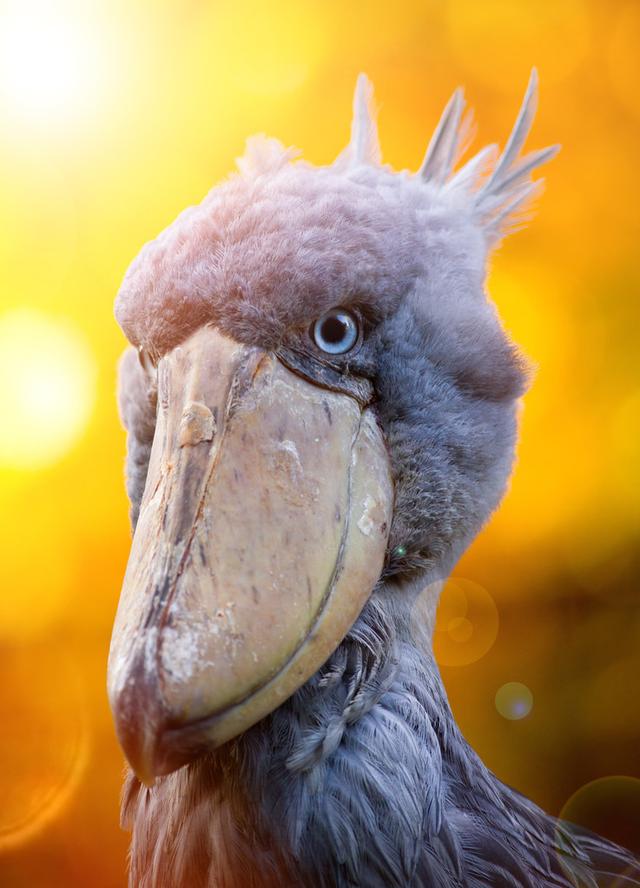
The Shoebill, as its name suggests, is worthy of the title“Prehistoric Giant Bird”.” It was originally a resident of the swamps in Africa, rarely entering the public's sight.
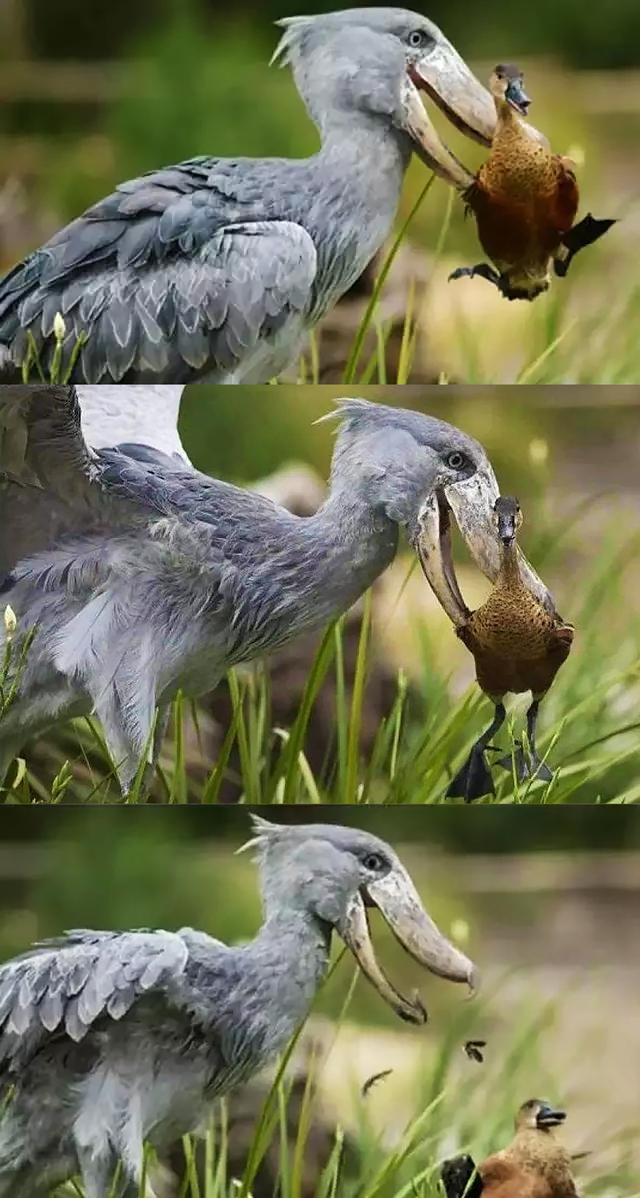
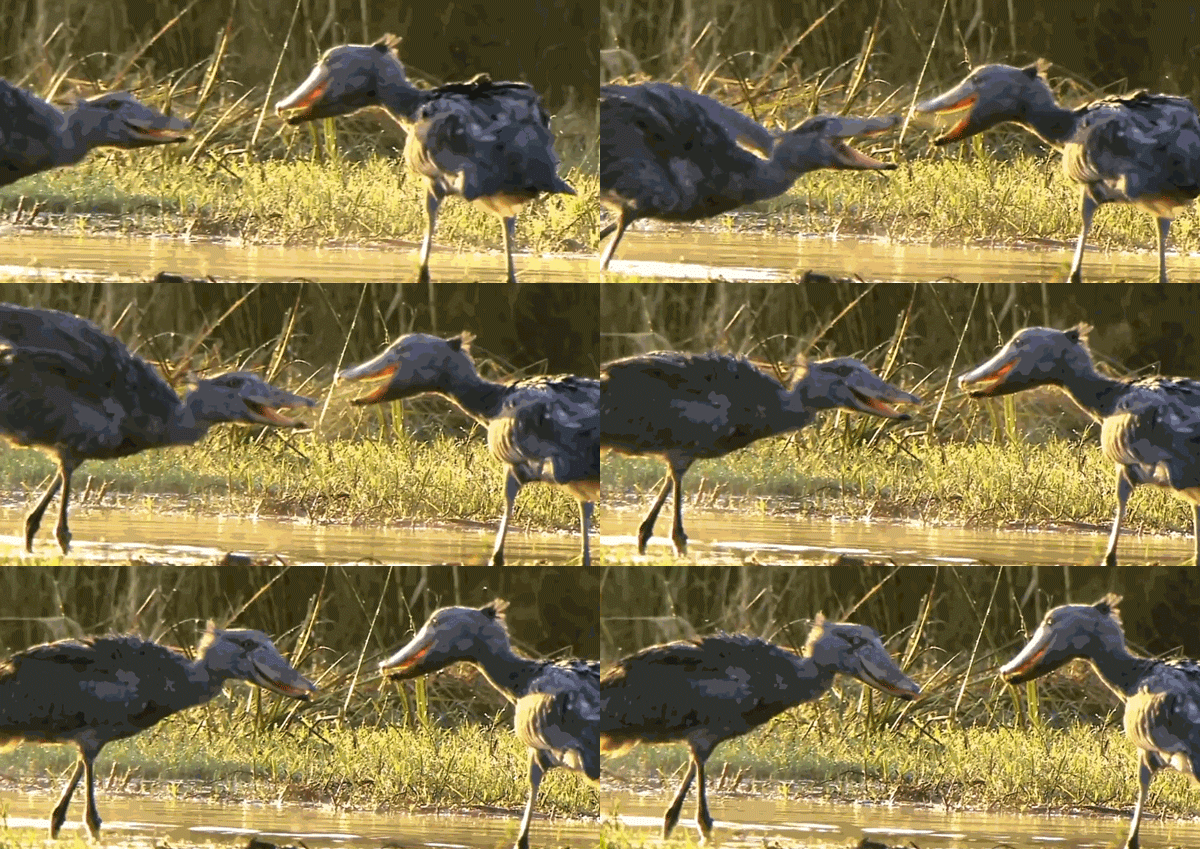
One day, a Shoebill stork was hurrying around in the San Diego Zoo when suddenly a tree duck appeared, the Shoebill stork didn't hesitate to open its big mouth and bite the tree duck, putting it aside, and then continued forward without a trace...
——“Get out of here!”
This scene was perfectly photographed by a photographer and posted on social media.
The Shoebill stork has become a celebrity.
“It is the most amazing bird I have observed in recent years”
——John Gould, a British ornithologist, was amazed when he first discovered the Shoebill stork in 1851.Almost two centuries later, when the vast netizens saw this iron-hearted bird with its hard operation on the screen, they couldn't help but like it: how could there be such a clumsy and cute and adorable big bird?
——“Um? Are you talking about me?”
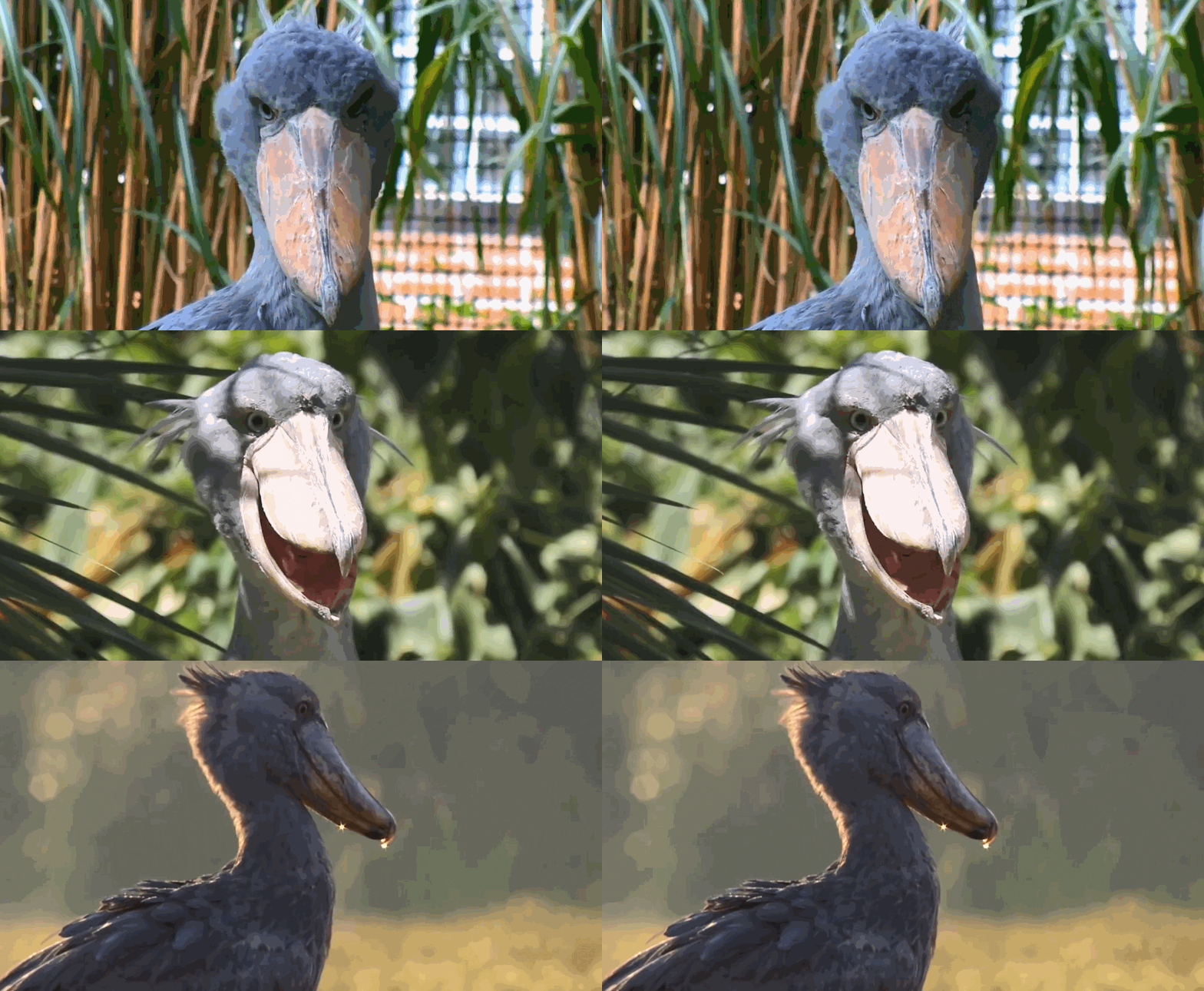
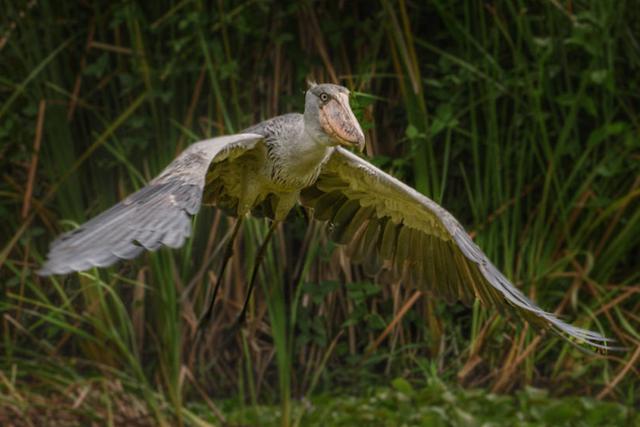
The Shoebill stork is definitely a big bird, with a height of up to 1.5 meters and a wingspan of more than 2 meters, with a long and slender leg and a sharp claw, without webbing between the toes, allowing it to walk silently in the water.
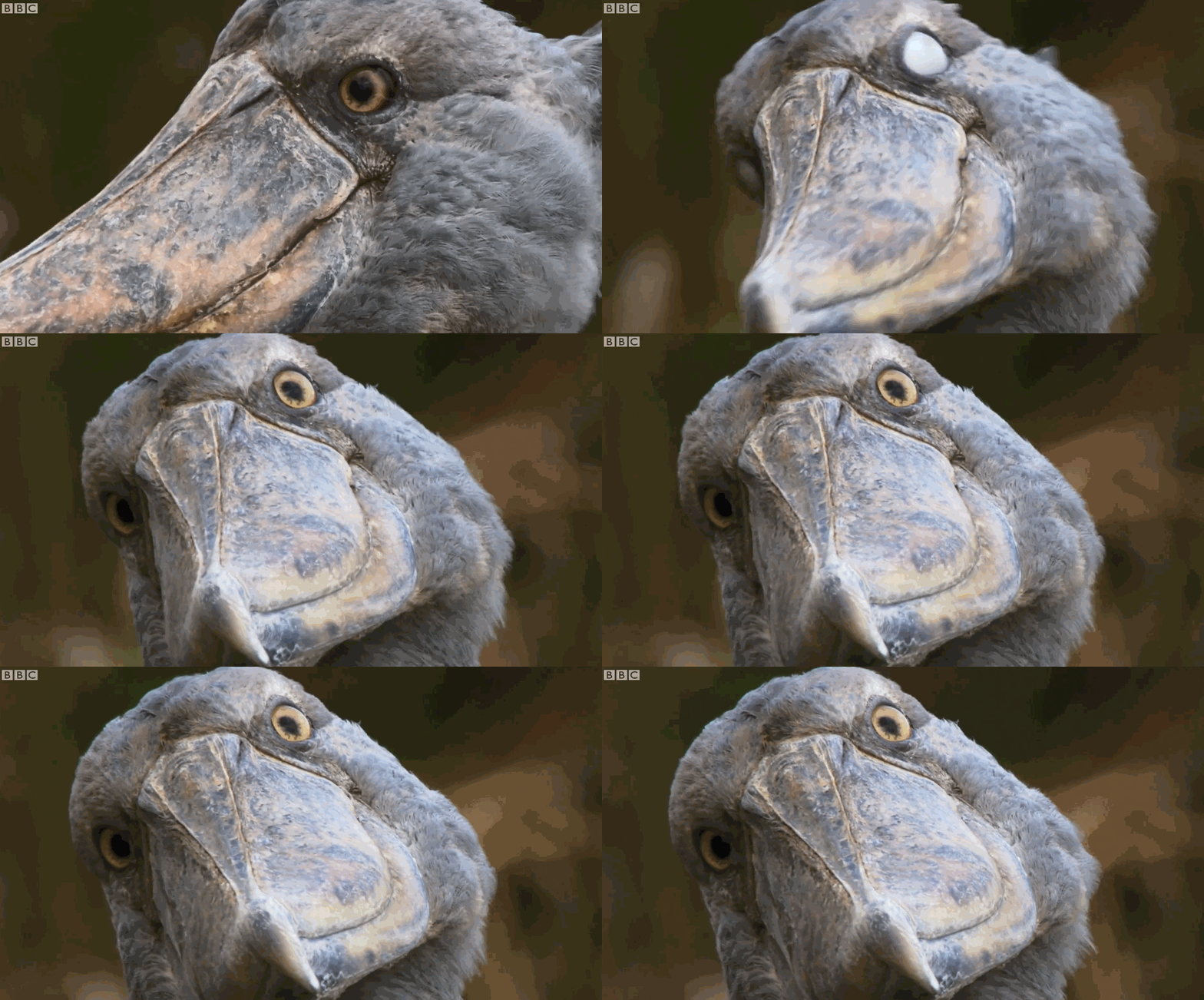
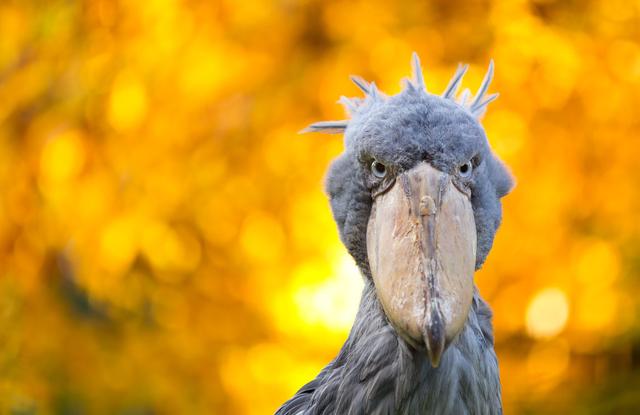
Its most distinctive feature is its disproportionately large head and mouth, as well as its sharp eyes and a small crest.
This big mouth is the Shoebill stork's fame, before the European scientists named and classified the Shoebill stork in the 19th century, some locals had always called it “father of the shoe,” the most common English name of the Shoebill is also “Shoebill.”
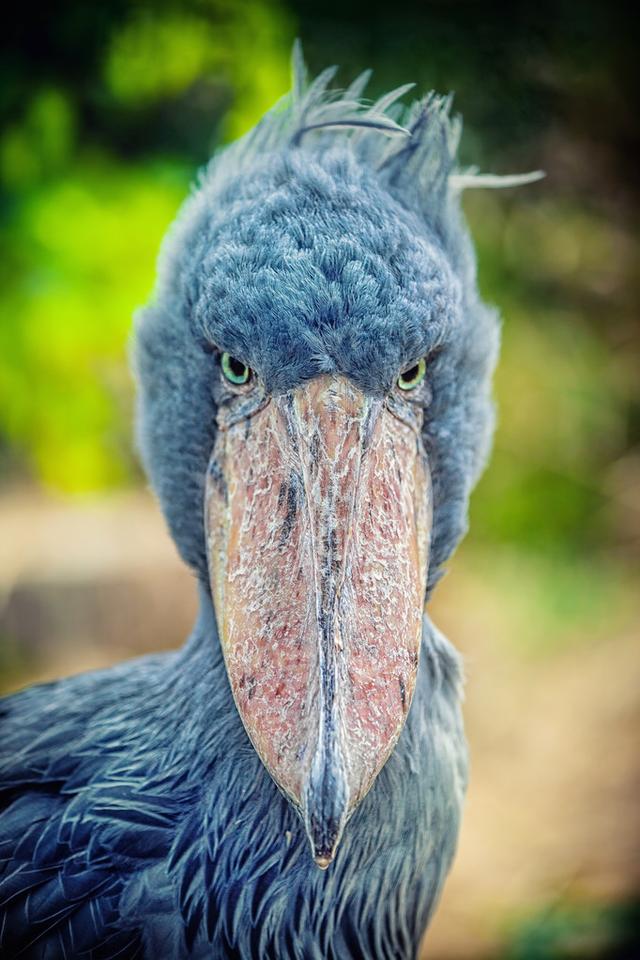
Does its beak look like a shoe? From the side, it really looks like it.
——“It’s a 44-inch ball shoe”
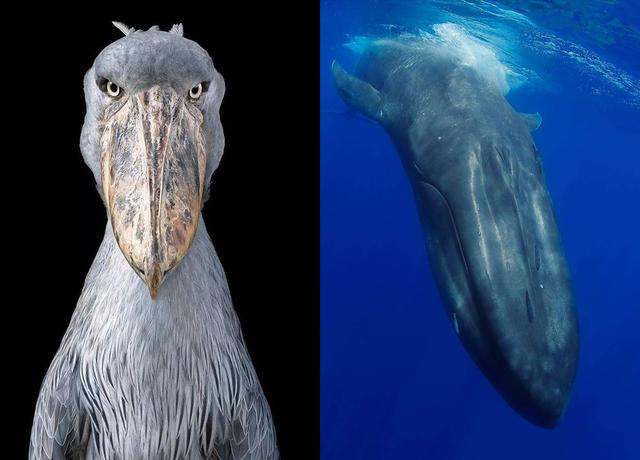
However, from the perspective, the huge head and beak form a silhouette similar to the giant whale
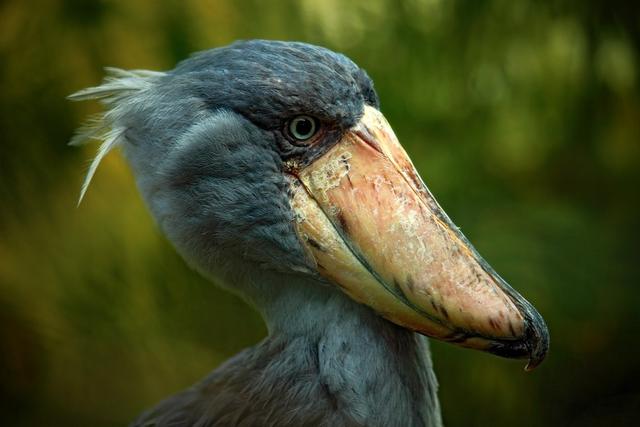
Blue Whalehead is very similar, so besides shoebill, this giant bird has another English name: Whale-headed Stork, which is a direct translation.The Shoebill stork also has a formal scientific name Balaeniceps rex, where ‘balaeniceps’ means ‘whale head’ in Latin, and ‘rex’ is an added word, meaning ‘king’——the Shoebill stork is like the ‘King’.
Is ‘rex’ the same as ‘dragon’?——“This is more consistent with my temperament!”The Shoebill stork's beak is not only a symbol of identity, but also its hunting weapon.
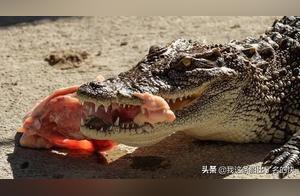
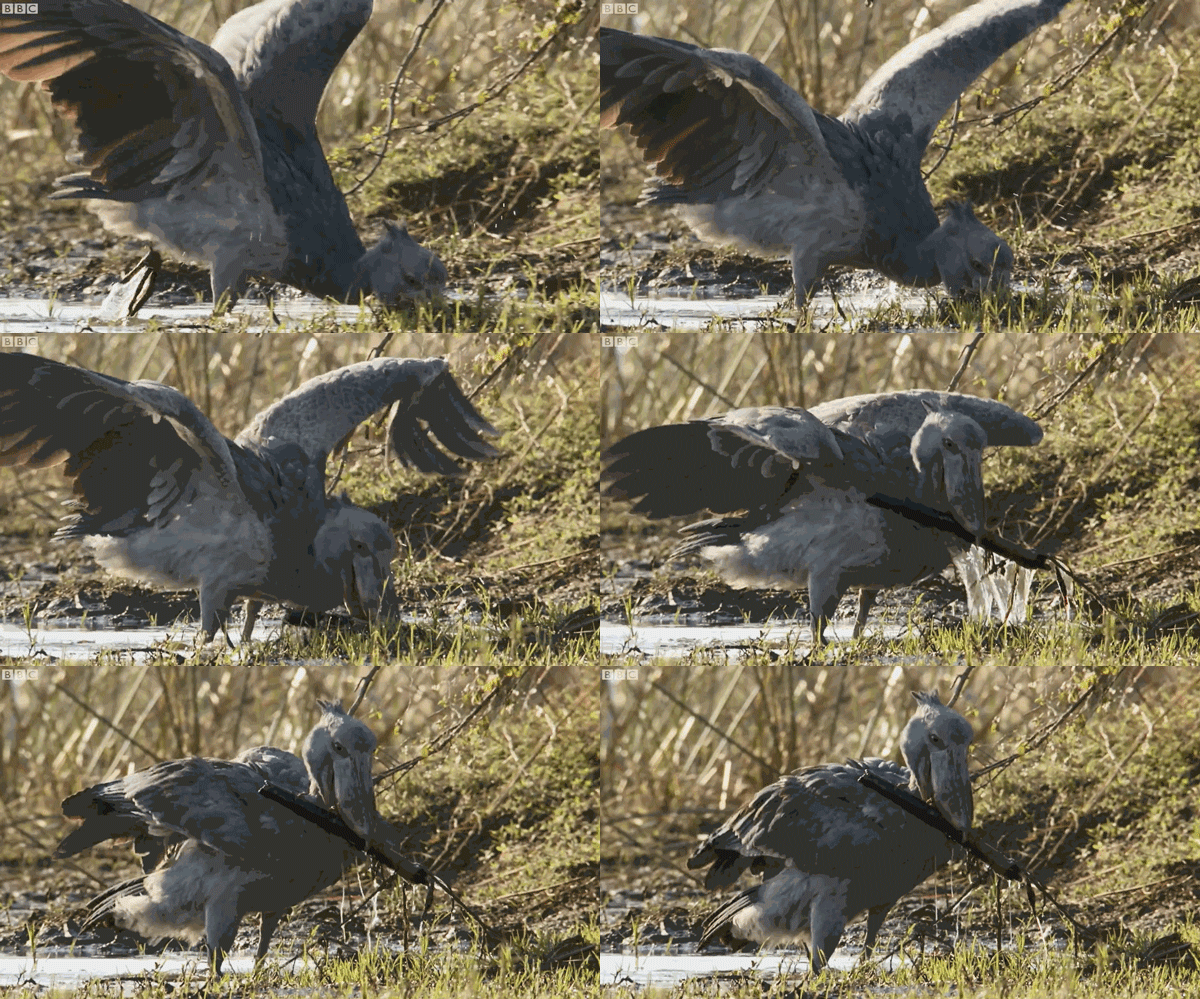
In the treacherous swamp, this big mouth is the nightmare of many aquatic animals, with armored turtles, large lungfish, and elusive snakes, as well as young crocodiles without shelter, all are its targets.
——“Tremble, swamp”
The Shoebill stork has excellent patience and flexibility, when hunting, it can stare at a water surface like a statue for several hours without moving.
——“As quiet as a virgin”
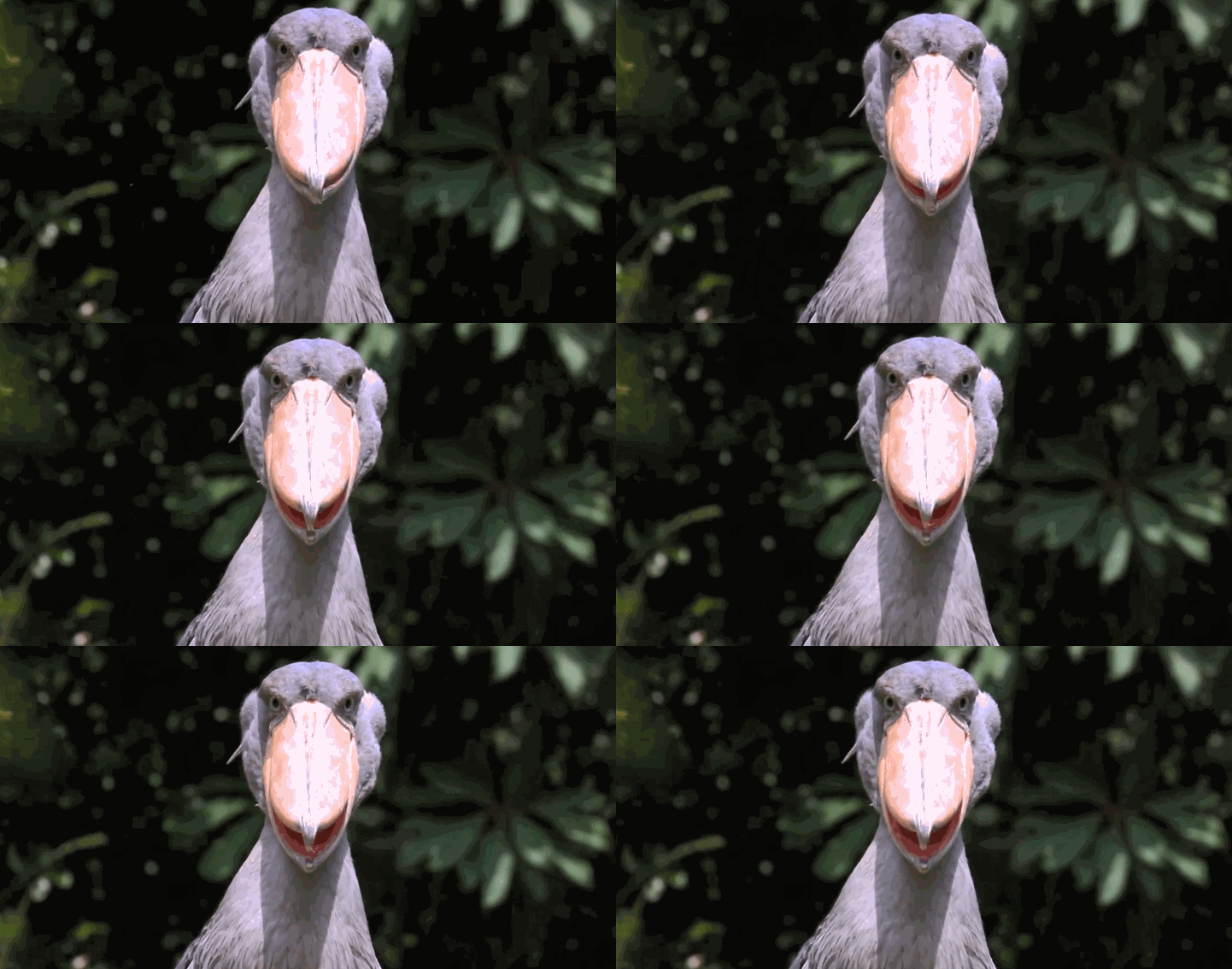
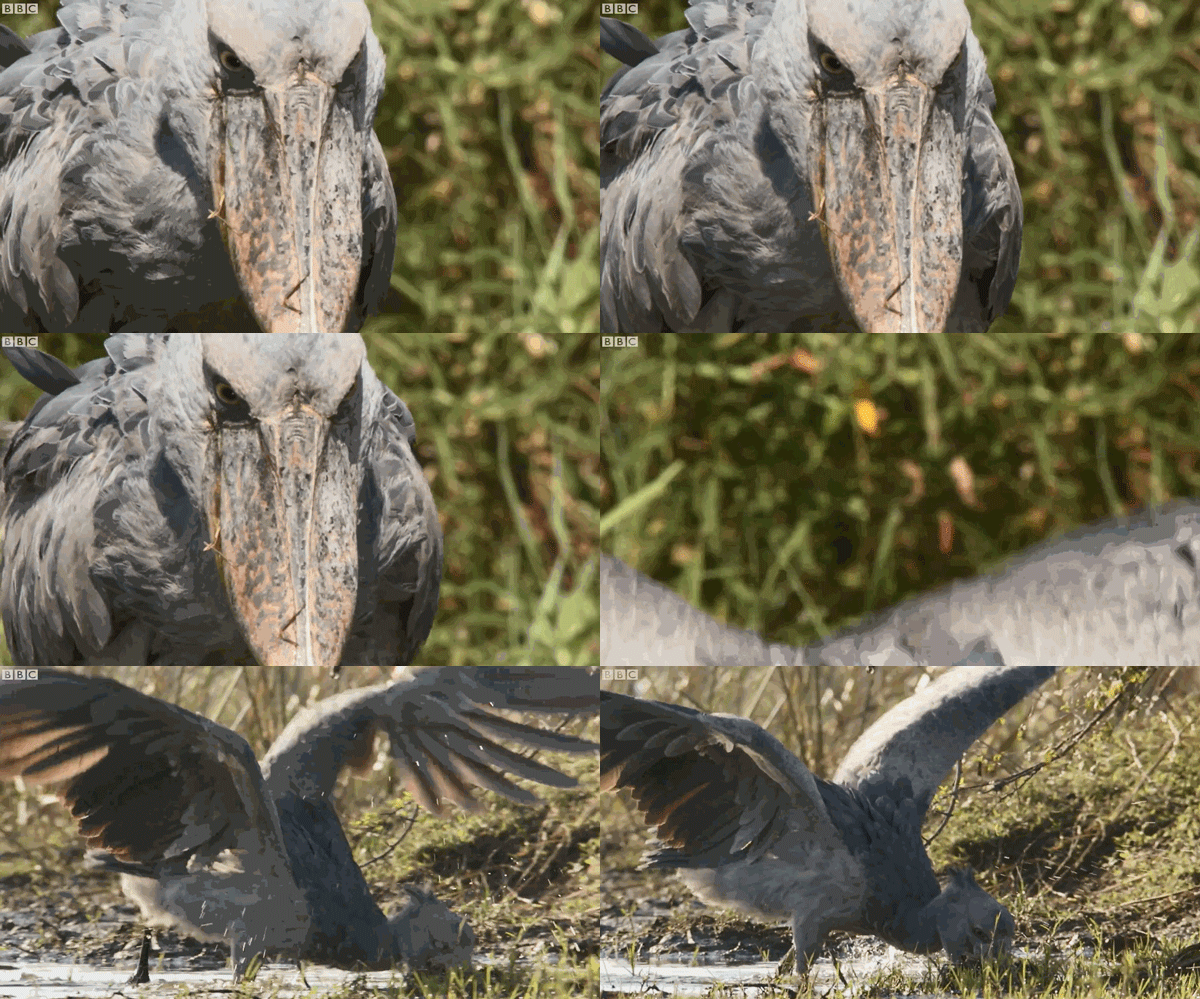
As soon as it detects movement under the water, it will quickly correct its position and then launch a swift and decisive attack, pressing its huge cone-shaped head like a missile into the water.
——“Like a rabbit”
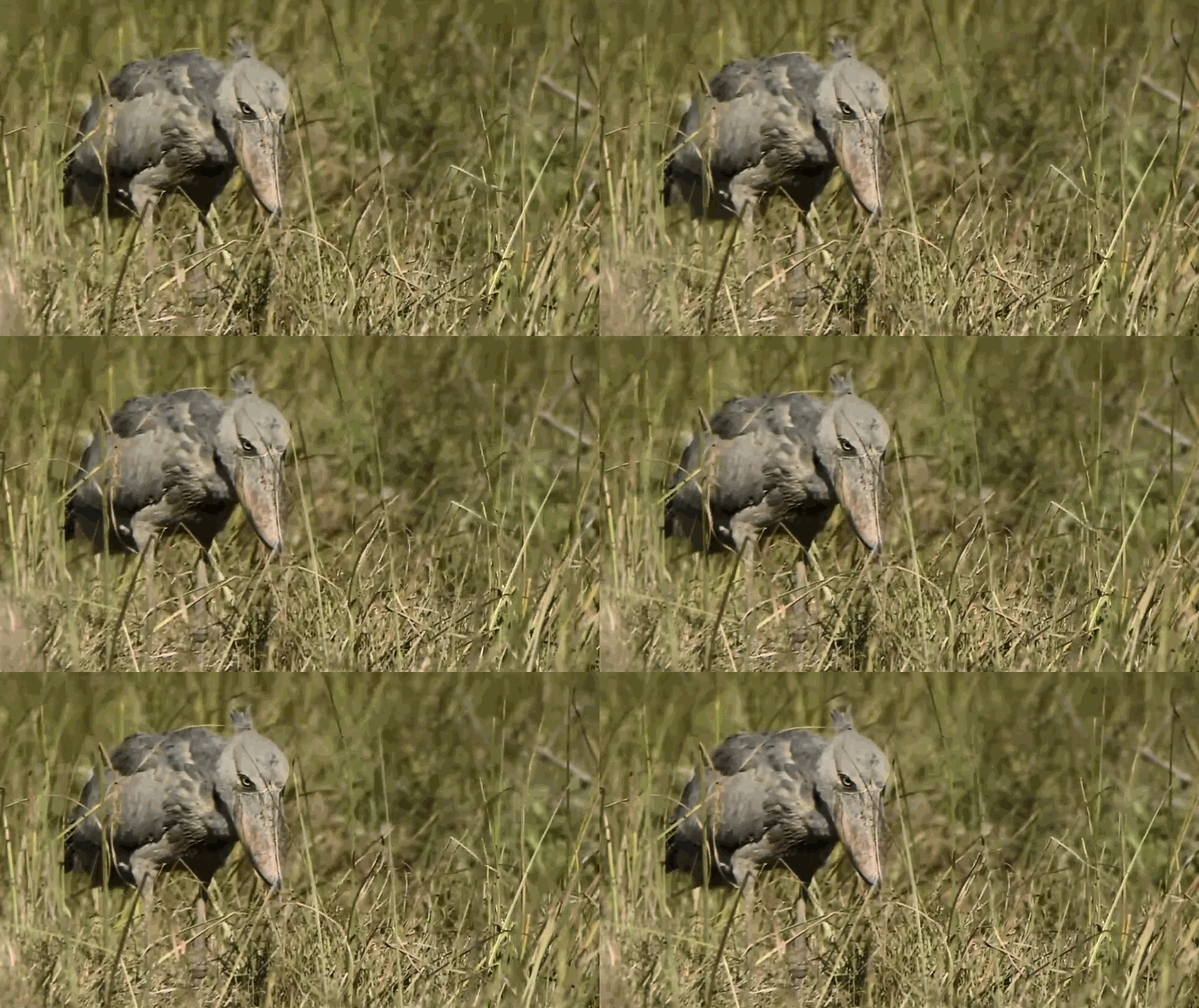
As soon as it enters the water, to avoid the eyes from entering water, its upper and lower jaws will close the, meaning that at the last moment it is chasing the prey with its eyes closed, so it is not always successful in attacking.
——“Oh oh, seeing flowers..”
The Shoebill stork was originally distributed only in the swamps of central Africa, after its unexpected popularity, many countries' zoos began to introduce Shoebill storks.
The distribution area of the Shoebill stork (map@Earth Traveler)
In some African countries, the Shoebill stork and our giant panda also took on diplomatic missions, and were given as treasures to friendly countries.

The Shoebill stork, which has gradually learned to get along with humans, also learned to bow when meeting people.
However, as the Shoebill stork's name and popularity increased, poachers also came one after another.
This big bird is not very cautious and easily caught. But its personality is stubborn, and it is very easy to die in transit because of anxiety. In addition to poaching, the Shoebill stork's natural habitat is being eroded by ecological destruction. Currently, the global population of Shoebill storks is about 5000 to 8000, which is approaching the number of giant pandas.

As early as 2013, the Shoebill stork had already appeared on the IUCN Red List of Endangered Species, with a level of ‘Vulnerable’. Today, their situation may be worse than in 2013.
——“Cold rain splashed on the face randomly……”
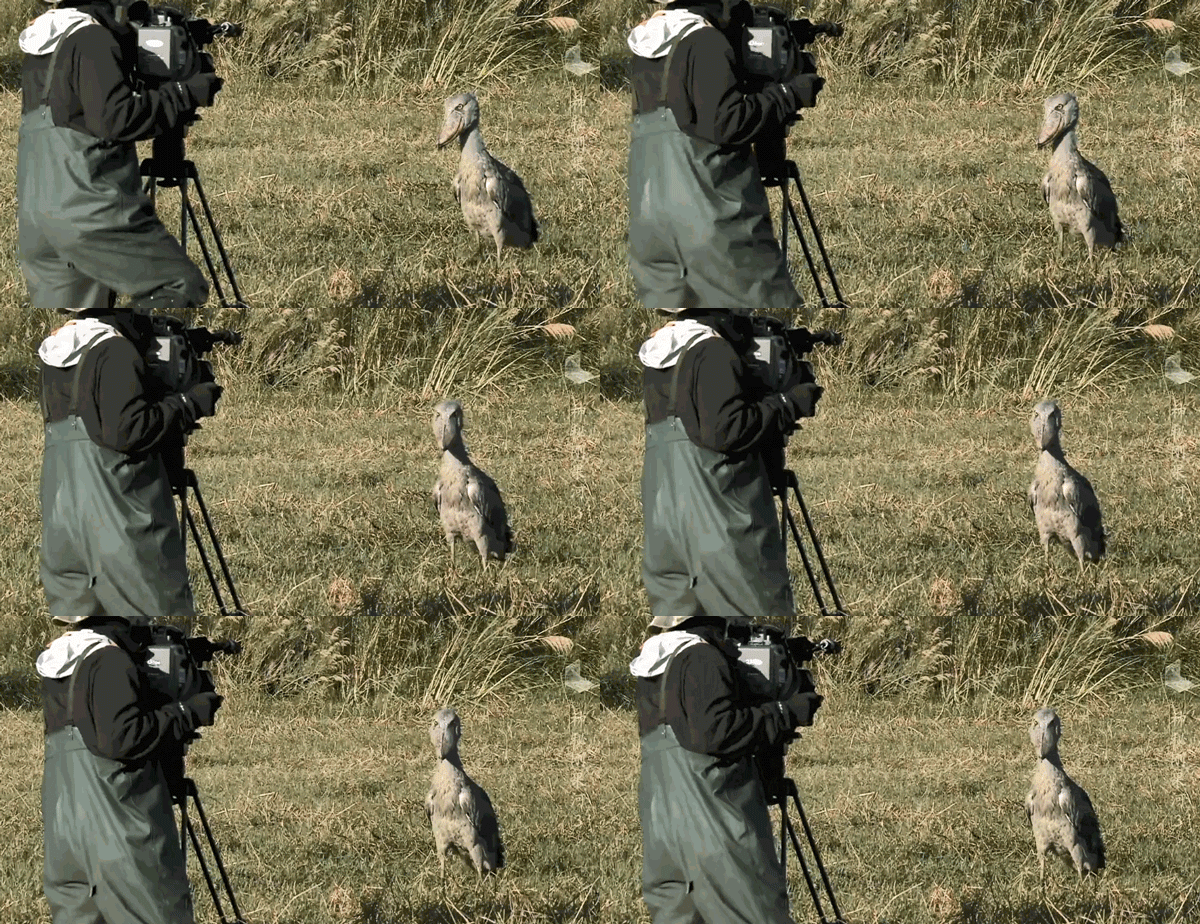
The Shoebill stork is a very ancient bird, its silhouette appeared in the paintings of ancient Egypt, so people's cognition of it dates back to 4500 years ago.
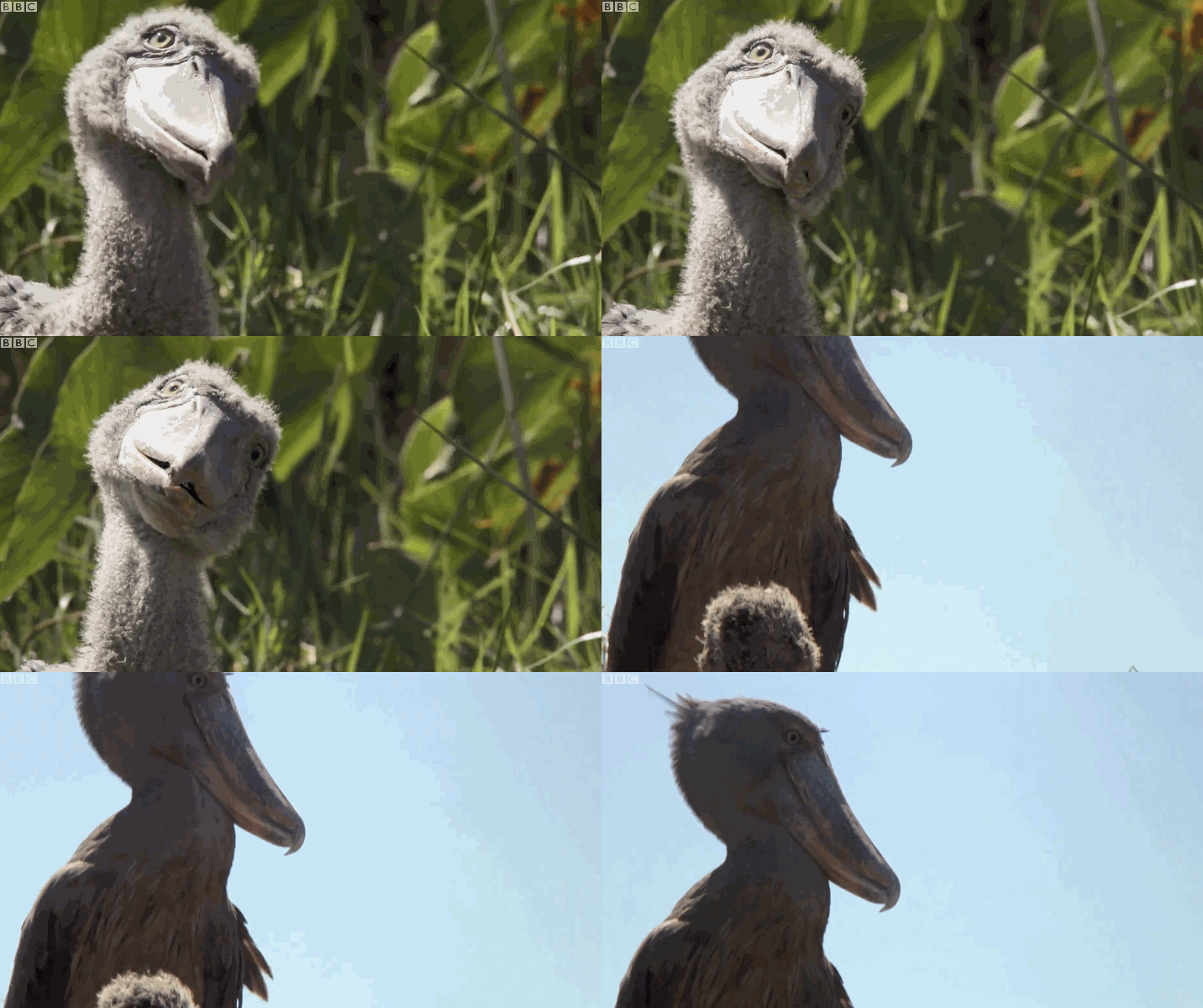
However, modern biology still knows little about the Shoebill stork, and scientists are still searching for information on fossils and genes to determine how long it has lived on earth, how it evolved into this form, and how it was positioned in the order.Shoebill stork is a solitary and likes to be alone. It cannot make a sound and will tap its upper and lower beaks together to make a loud sound when it needs to make a sound.During the breeding season, a male and a female Shoebill stork will become mates, and they will build nests together near the water and lay eggs in late April and May.
The Shoebill stork chicks are big and hungry, even if the parents work together, they can only feed one chick. The chick takes about six months to hatch and its wings fully developed, and it takes another 3 to 4 years to reach sexual maturity, so the Shoebill stork population grows very slowly.
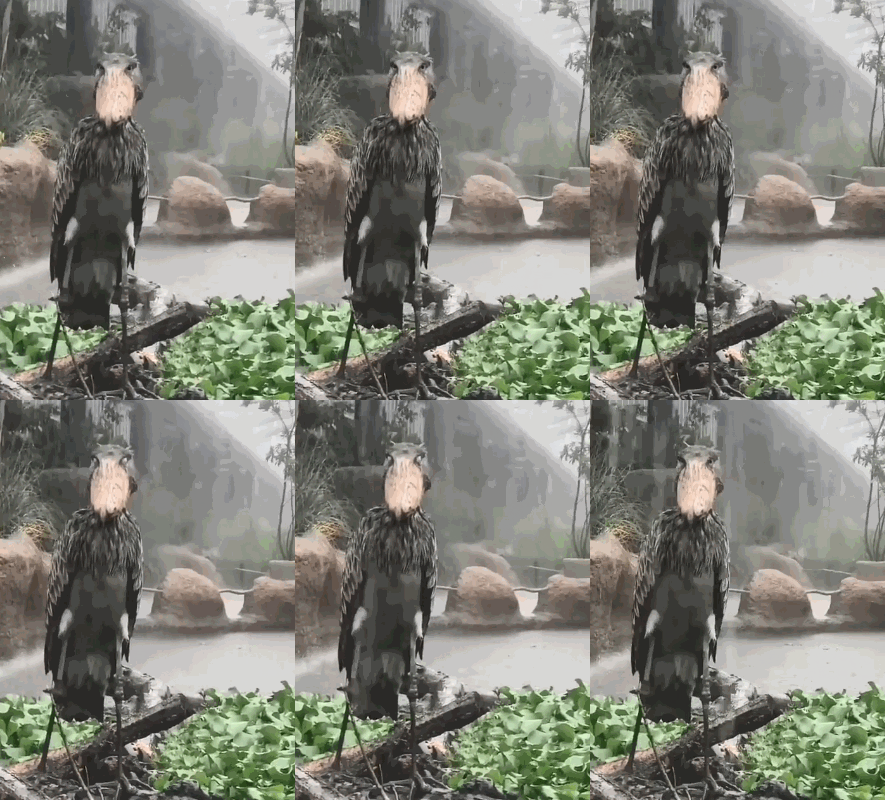
Although in recent years, Shoebill storks have had successful offspring in zoos, this Shoebill stork raised by artificial means has lost its ability to survive in the wild. Therefore, to maintain the population of wild Shoebill storks and prevent it from sliding towards extinction, the best way is to restore its original habitat and let it return to its original home.
We hope that this mysterious silhouette can continue to lurk in the swamps of Africa.
(END)
~
Click the link below to learn more↓
3~4
(END)
~
“”↓