Is the Belly Button Swollen in Dogs? What is a Belly Button Hernia? Symptoms of Belly Button Hernia in Dogs
What is a belly button hernia in dogs?
A belly button hernia in dogs occurs when there is a visible, protruding mass around the dog’s belly button, caused by the abdominal tissue (organs, lining, or fat). The area around the navel has a muscle called the umbilical muscle, which may not have fully healed after birth, leading to the development of a belly button hernia.
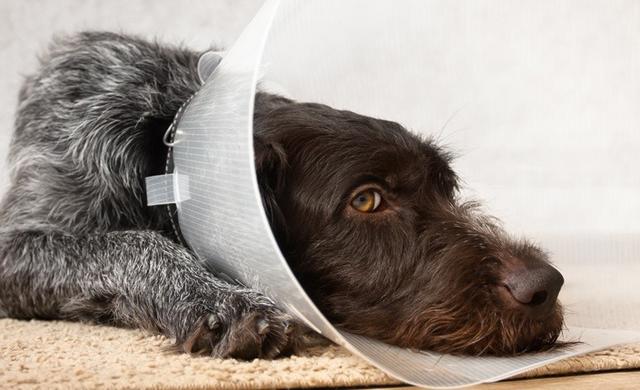
When the navel forms, the surrounding muscles seal the abdomen from the navel, preventing abdominal tissues from being released. The abdominal organs (stomach, small intestine, and large intestine, liver, appendix, and gallbladder), the abdominal wall (called the peritoneum), and abdominal fat may all become involved in a belly button hernia when the umbilical ring has not fully formed.
How does a belly button hernia develop?
Belly button hernias can develop due to congenital defects that occur during puppy development in the womb, which can be caused by factors related to the fetus, mother, and breeding. Regardless of the cause, the connection formed by the umbilical cord does not fully form, resulting in a small tear at the umbilical area, and symptoms may not appear immediately. A belly button hernia may appear after the first grooming, or may appear after exercise or injury tears, or even with growth.
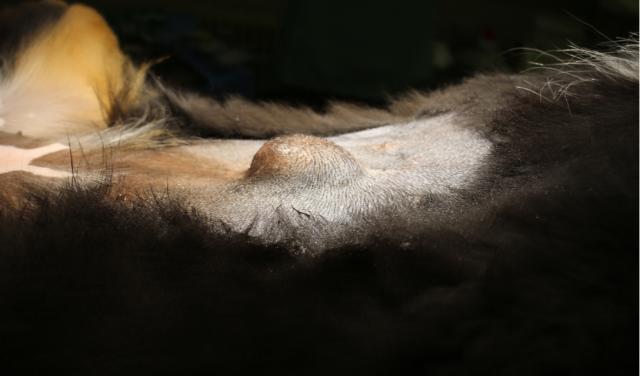
Belly button hernias are often confused with inguinal hernias and diaphragmatic hernias. Inguinal hernias protrude from the lower groin area, although abdominal fat and organs may protrude, the hernia is more likely to be formed by the internal reproductive organs depending on the severity of the opening.
Types of dog belly button hernias
There are two types of dog belly button hernias: reducible and irreducibly. The difference is whether the hernia can be pushed back into place by a veterinarian. These two types differ in terms of significance, severity, complications, and risk of death.
Reducible Hernia
A reducible belly button hernia, which can be pushed back into place by a veterinarian, is typically accompanied by a slight protrusion of fat, but does not contain any organs twisted, and may not require surgery. Usually, the dog does not feel the belly button hernia when not under pressure. You may also notice a red and swollen area, which is a reducible hernia.
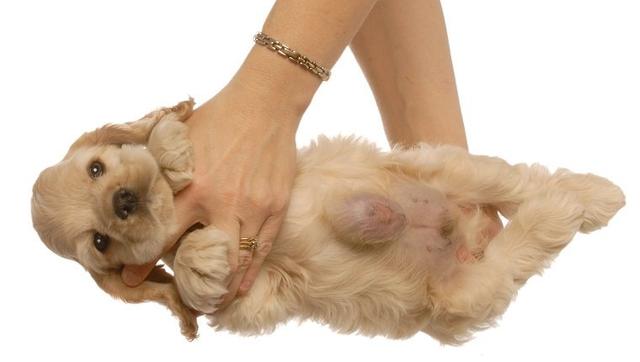
Irreducible Hernia
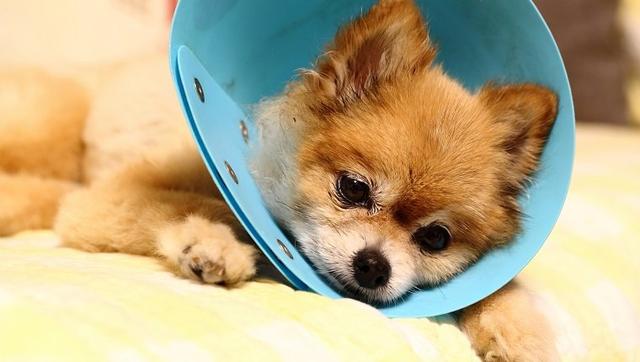
Because it cannot be put back into place, surgery is required. The organs may be twisted, the tissues may be torn, this is a serious form of belly button hernia. In this case, multiple organs may protrude from this site. The danger of an irreducibly reducible hernia is the obstruction of blood flow to the organs, which will start to kill cells, preventing the organs from functioning properly, and leading to infection or death. This hernia is accompanied by redness and swelling of the affected area, and the area is often severely painful.
Symptoms
Belly button hernias have five symptoms: pain, fever, loss of appetite, vomiting, and depression. When a dog has a belly button hernia, it may exhibit one or more of these symptoms, so it is important to understand all the symptoms.
Obvious Pain
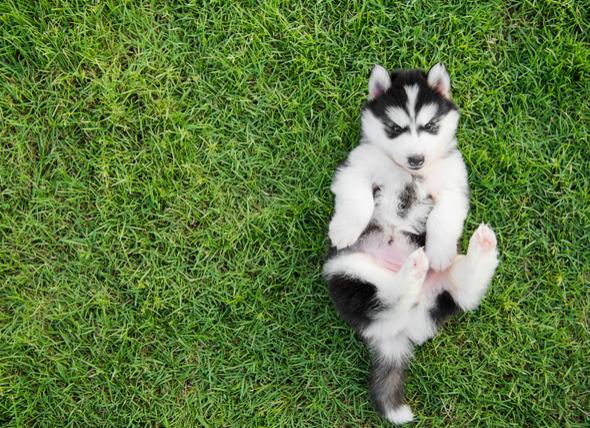
Dogs show pain differently, so it is important to know how your dog shows it when it is in pain. When your dog is in pain, its behavior will usually change, which means that a lively dog may become more depressed, or a docile dog may suddenly become aggressive. Behavioral changes are a way for them to protect themselves, and they may lick or cover the uncomfortable area.
Abdominal Redness and Swelling
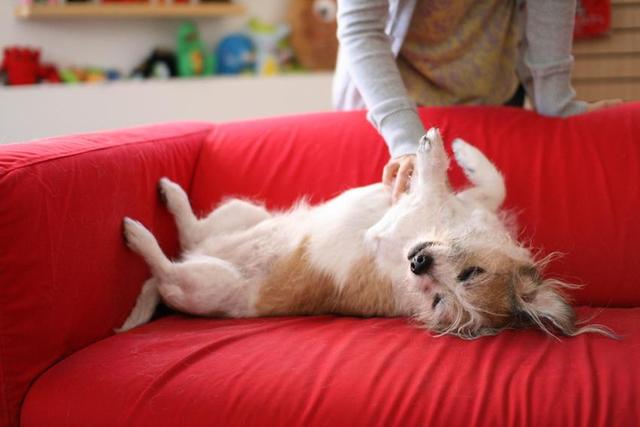
When a dog is injured, redness and swelling occur due to increased blood flow, exposure, or infection. When a dog is in pain, its behavior may vary, which increases the risk of being bitten.
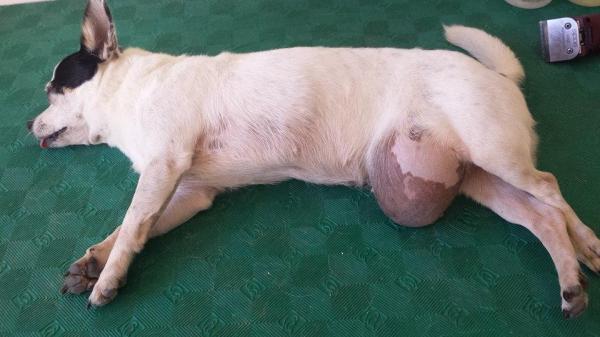
Dog belly button hernia cases may not be serious, but seeing such abnormalities in a dog’s body, owners will certainly not be relieved, so it is best to take the dog to the veterinary hospital for the correct treatment as soon as possible!