Long-term Residence in Hunchun, Even This Winter They Haven't Gone...

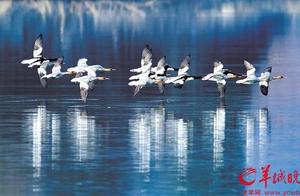
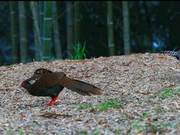
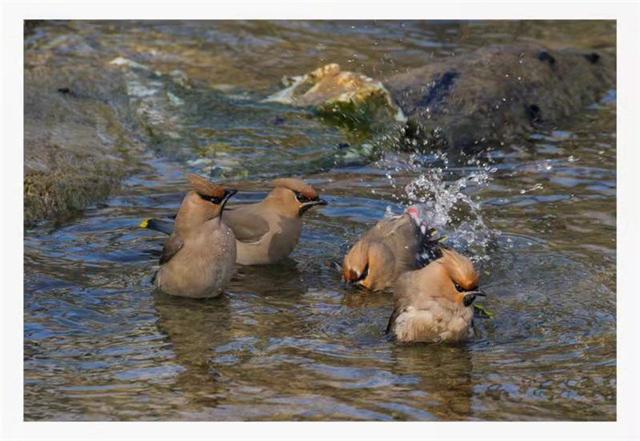
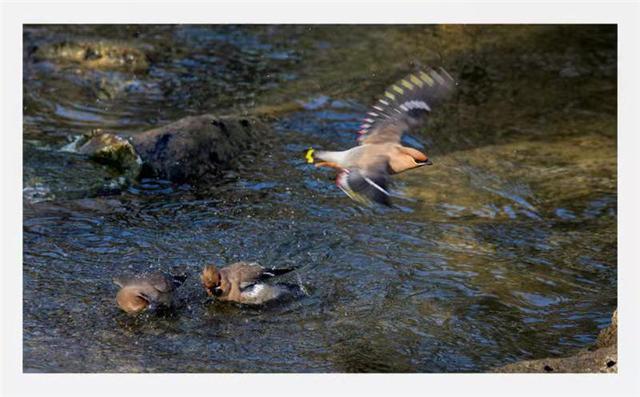
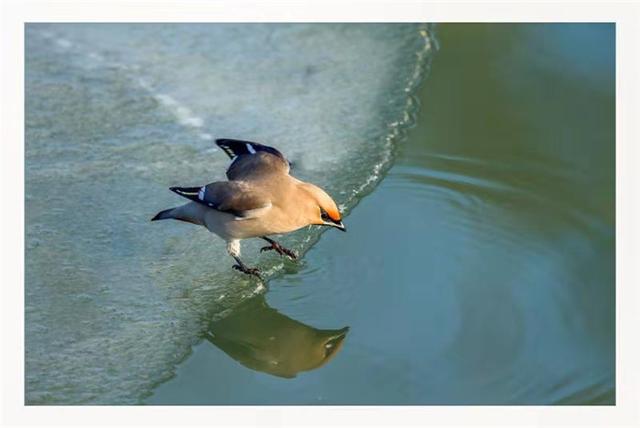
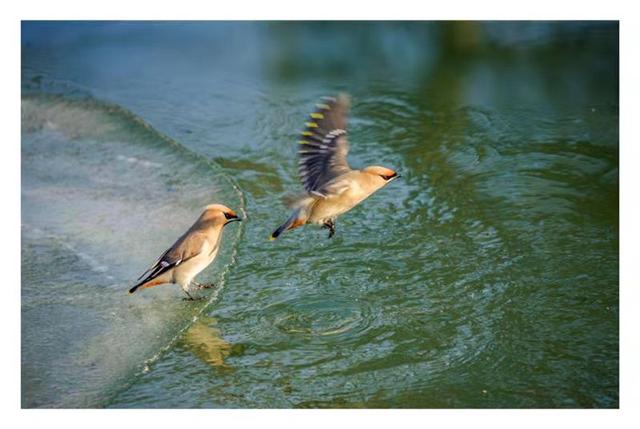
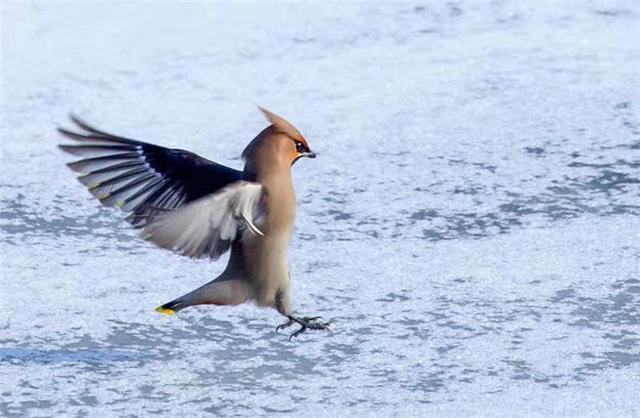
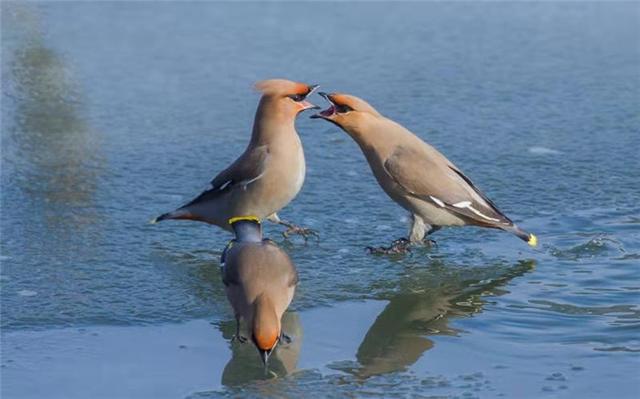
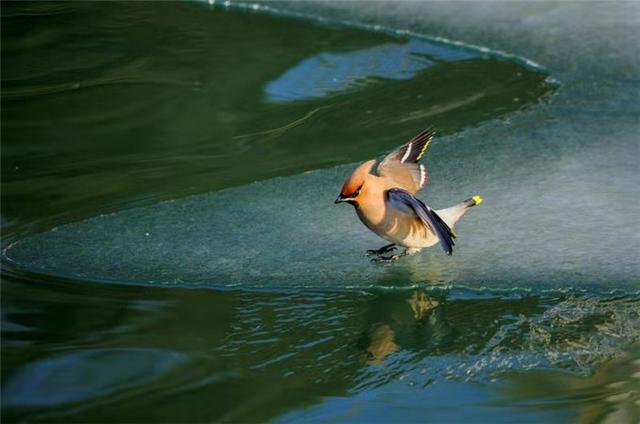
On February 12th at noon, a photographer took a series of photographs of Tibetan geese in Longyuan Park. It is highly likely that in winter 2019, Tibetan geese did not fly south and remained in Hunchun.
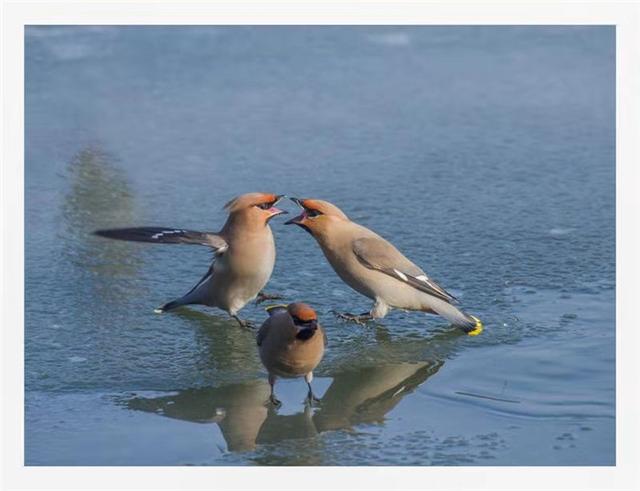
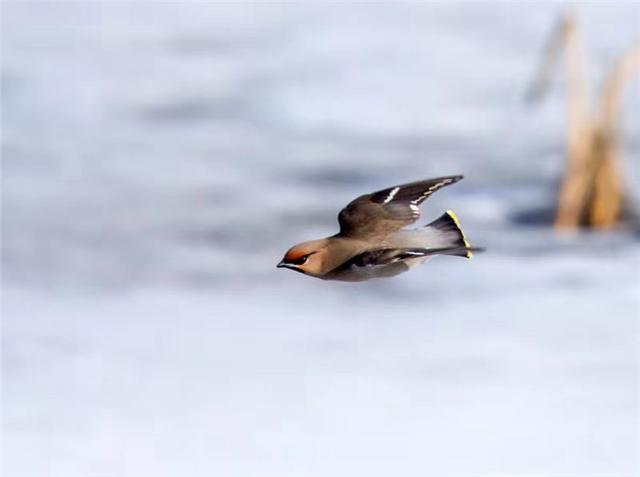
Tibetan geese belong to the order of birds, the family of Tibetan geese. The body length is 18 cm, the wingspan is 34-35 cm, and the weight is 40-64 grams. They have a lifespan of 13 years. They are small songbirds with plumage mostly grayish-brown, the head color is dark brown, and a fine, tufted crest on the crown, a black line through the eye from the base of the mouth to the back of the neck, located on both sides of the crest, which is conspicuous on the dark brown head. The chin, throat and breast are black. The wings have white wing patches, and the secondary flight feathers have red-stained spots at the end of the primary feathers. The tail has black-tipped secondary feathers and yellow-tipped primary feathers.
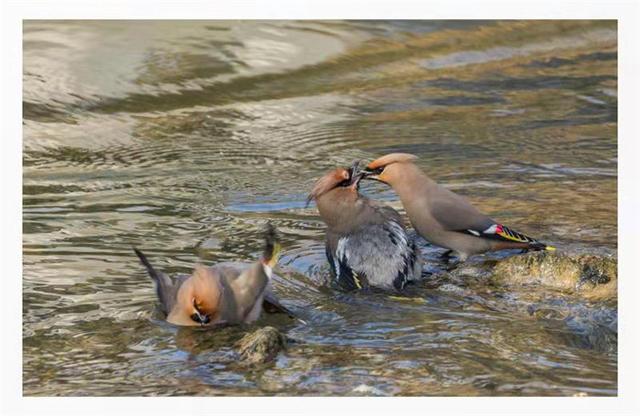
They live in coniferous forests, mixed coniferous-broadleaf forests and birch-pine forests. Except for the breeding season, they usually move in pairs, but often move in flocks, sometimes even integrating flocks of nearly a hundred. They mainly feed on oil pine, birch, rose, winterberry, and wheatgrass fruits, seeds, and tender shoots. The body is graceful and beautiful, the song is soft, and it is a decorative bird in the winter garden.
Distribution in northern Europe, northern and central Asia and Eastern Asia, western Canada and northwestern United States.
Author: Li Hechun Editor: Zhao Shukai