Infrared Cameras: A Tool for Investigating Terrestrial Wild Animal Resources

Bukit Barisan Selatan National Park is located near the southern coast of Sumatra Island, Indonesia.
Scientists installed infrared cameras in a 50-square-mile area within Bukit Barisan Selatan National Park on Sumatra Island's south coast, and over eight years, the cameras captured dozens of animal species, including the Sumatran tiger and other rare, endangered wildlife. The recordings allowed scientists to learn about the numbers of these species and how small animals evade predators like tigers.
The study was published in the journal *Biodiversity and Conservation*.
The cameras captured 39 animal species, including the critically endangered Sumatran tiger, Sumatran elephant, and pangolin, as well as species such as golden cats, cloud cats, Sundaland clouded leopards, sun bears, and slow loris. Twenty-eight of the species were previously unrecorded in earlier surveys, including the pangolin and the endangered dhole and otter.
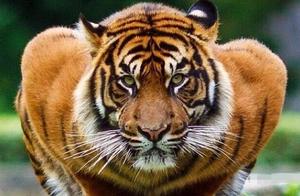
Based on activity patterns and times, tigers were most active during the day, especially at noon. Other species competing with tigers seemed to avoid these peak activity times. For example, the camera captured clouded leopards—non-strictly nocturnal animals—whose frequency dropped sharply before noon, increasing at night. Allen said, 'Tigers and clouded leopards compete for large prey. If they encounter each other, the tiger is more likely to initiate an attack.'
However, the behavior of smaller cats suggested they weren't afraid, or actively avoided tigers. For example, the frequency of the wolverine coincided with the tiger's activity patterns. This was likely because wolverines are too small for tigers to bother with.
Previously surveyed animals, including the critically endangered Sumatran rhinoceros, the endangered black gibbon, and the nose otter, were not captured by the infrared cameras. Allen said, 'Despite the limitations of infrared cameras, they often record things that people miss during field surveys and capture phenomena that traditional filming methods cannot capture.' For example, Allen and his colleagues used infrared cameras to capture male clouded leopards engaging in scent marking through the creation of scratches and urine markings to establish territories and attract mates.
Compiled: Lînsī; Reviewed: Āmiǎo; Edited: Léi Xīn Yǔ
Journal Source: *Biodiversity and Conservation*
Journal Number: 1578-665X
Original Link: https://news.illinois.edu/view/6367/806590
Chinese content is for reference only, all content is subject to the English original. Please indicate the source when reprinting.