Debunking: Not All Dog Barking Needs to Be Stopped; Barking Dogs Can Maintain Communication
Don't jump to conclusions and start rebutting before seeing the title. Let's imagine this: You're in line at a grocery store when the person behind you gets too close, crowding in on you and making you uncomfortable. There's someone in front of you, and the aisle is narrow, leaving you no room to move. You'd usually turn around and say 'Sorry' or something to make the person aware of their behavior. But now imagine you have no speaking ability; you might give them a stern look, but if that doesn't convey the message, you could extend your arms to block them, or even push them away.
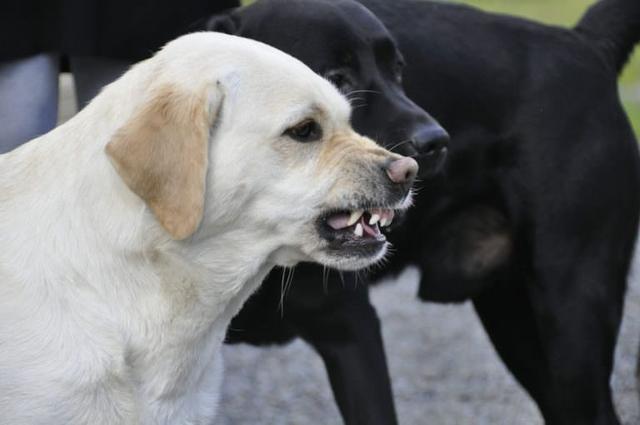
Communication is vitally important for both humans and dogs. For dogs, growling is a warning – roughly meaning 'Hey, I don't like this,' 'Don't come any closer,' or 'Please stop what you're doing.' Like the grocery store situation, politely requesting the offending party to stop making you uncomfortable, if the situation remains unchanged, a dog might take actual action, potentially leading to a dangerous situation for both parties.
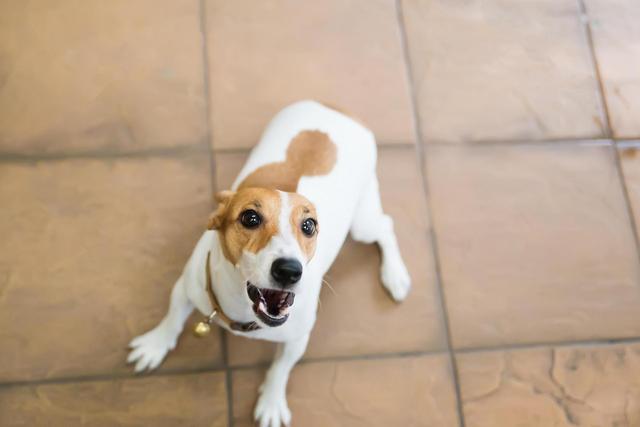
Humans instinctively know that growling is a threat, so when we hear a dog growl, we feel uneasy. Therefore, let's look at it from another angle: A dog's growl is actually a good thing. Growling is a non-aggressive form of communication, whether a dog growls at another dog or a person, it's a warning. If a dog is going to attack, it will attack directly. Growling is to avoid an attack, not to initiate a fight. However, many owners misinterpret and correct this behavior. When a dog learns that growling leads to punishment, it stops growling, which often results in sudden biting without warning.
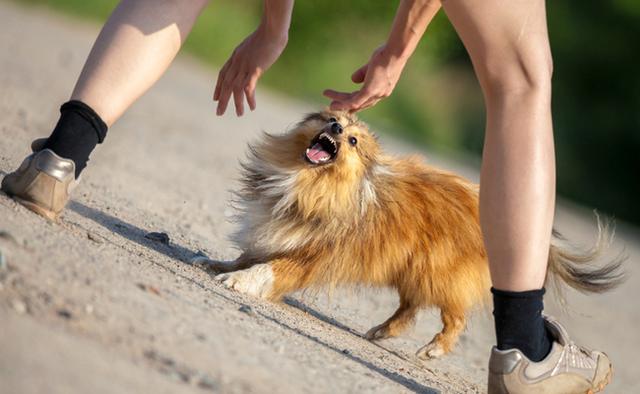
Growls have a spectrum of intensity. If a growl's tone becomes lower, the dog's level of aggression increases, and accompanying body language provides some information. When a dog growls while standing still, it indicates they're conserving energy and holding their ground – this is a bad sign! And when they growl and back away, it indicates they're feeling fear and trying to get the other party to leave.
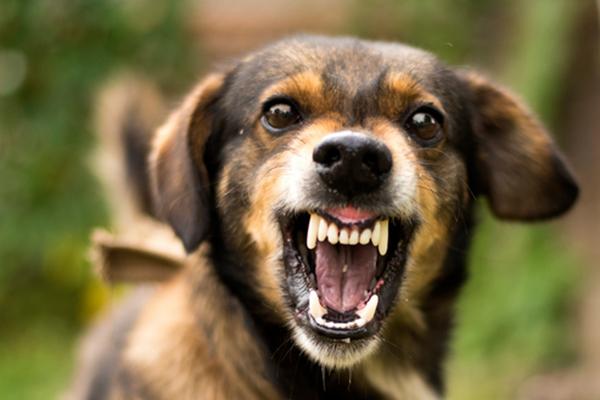
If you're the object of a growl, whether it's a dog you own or someone else's, the best approach is to de-escalate the situation. After all, the dog's alertness has already been raised. You shouldn't shout at it or make big movements, as these could lead to a bite. Instead, you can look down or to the side, indicating that you're not a threat, while maintaining visual contact with the dog and slowly backing away. If possible, don't turn around, as some dogs tend to ambush from behind. If the dog is your own, address the problem when the dog has calmed down. For example, if a dog growls when you touch its paw, you need to develop a behavior modification plan, and seeking professional help is often the best choice. Remember, growling is simply a form of communication, and we should take the time to understand why they growl, rather than instinctively thinking this behavior is inappropriate.
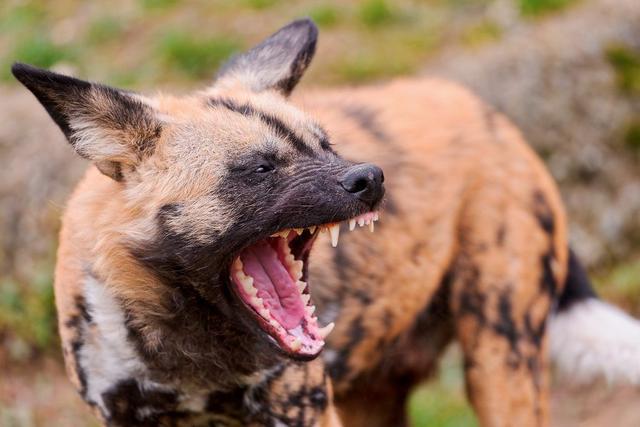
Dogs' growls are often a source of frustration for owners, and many owners punish their dogs for growling, which is counterproductive; growling is one of a dog's communication methods and should be understood by owners!