Research Shows African Lion Prides May Decline by 50% Within 40 Years
“Ecological Snapshot” research has found that lion populations within fenced reserves have rebounded in recent years, while lions in open areas face challenges such as shrinking habitats, reduced prey, and human hunting. A researcher said, ‘Lions living within fenced reserves often fare better, with better population numbers.’
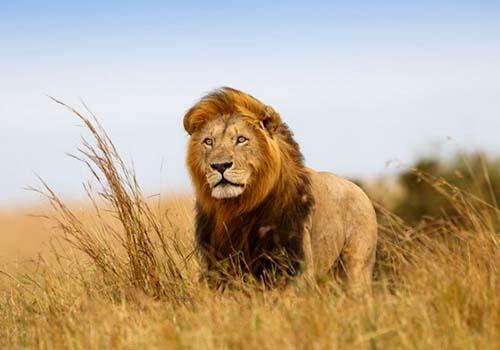
The lion population across Africa has been declining with population growth. Cultures like Masai and Zulu convert wild habitats into grazing lands, thus reducing the natural prey of large cats. Researchers said, ‘More and more people are living in rural areas where wildlife exists, but those who rely on livestock for their survival are actually entering conflict with lions.’
To understand the best lion conservation strategies, researchers analyzed lion population data from 42 locations in Africa. They then compared fenced reserves, conservation funding allocation, and conditions of nearby human population densities to population fluctuations. Fenced natural reserves cost 1/4 of the funds to maintain and achieve the effect of open reserves, and fenced reserves also had the highest lion numbers. In contrast, lions not protected by fences were attacked by nearby residents and illegal hunters, and faced a decline in prey numbers.
The study shows that without conservation measures, nearly half of the lion population will decline to extinction within the next 20 to 40 years. While fences are incredibly effective in protecting lions, not all natural resource conservationists like them. Fences disrupt the migration of herbivores and affect the free movement of animals such as African wild dogs and cheetahs, but it is the most effective way to protect lions. Whether it’s a fence or another form of barrier, it’s clear that if we want to save them, we need to physically separate them from humans.
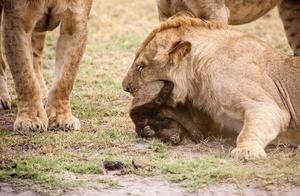
The lion, the largest cat species in Africa, is Africa’s most ferocious wild beast. Its coat color is mainly light brown, with a shoulder height of over 1.1 meters when standing upright, and a total length of up to 3 meters, with a weight of 180 to 350 kilograms. It usually hunts whatever it sees in front of it, such as buffalo, antelope, zebras, African water buffalo, young elephants, giraffes, African elephants, Nile crocodiles, hippos, rhinos, and small mammals, birds, etc. Due to the impact of human activities, the lion population is declining year by year.”
1.13180350