Animal Shoebill Stork
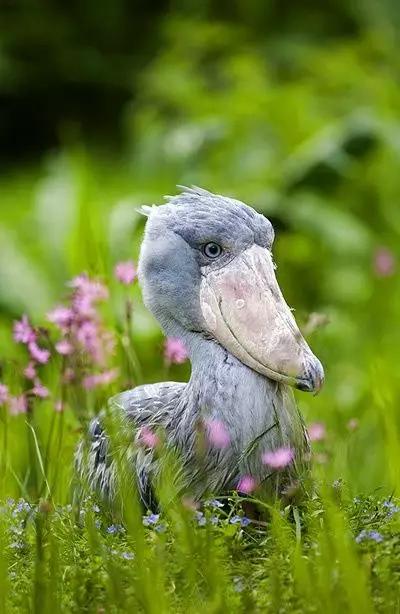
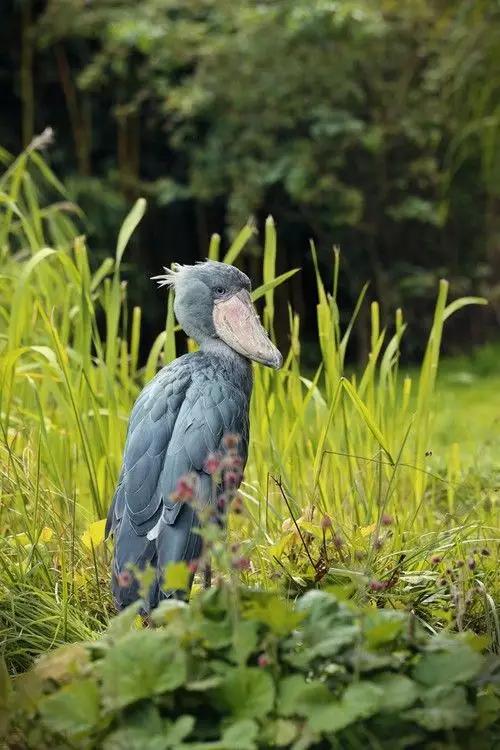
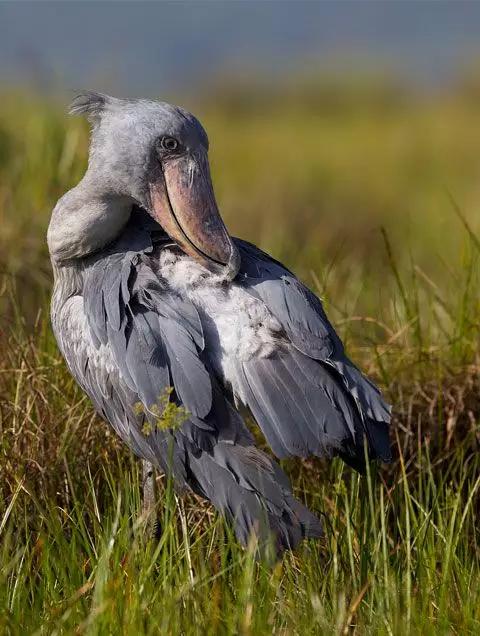
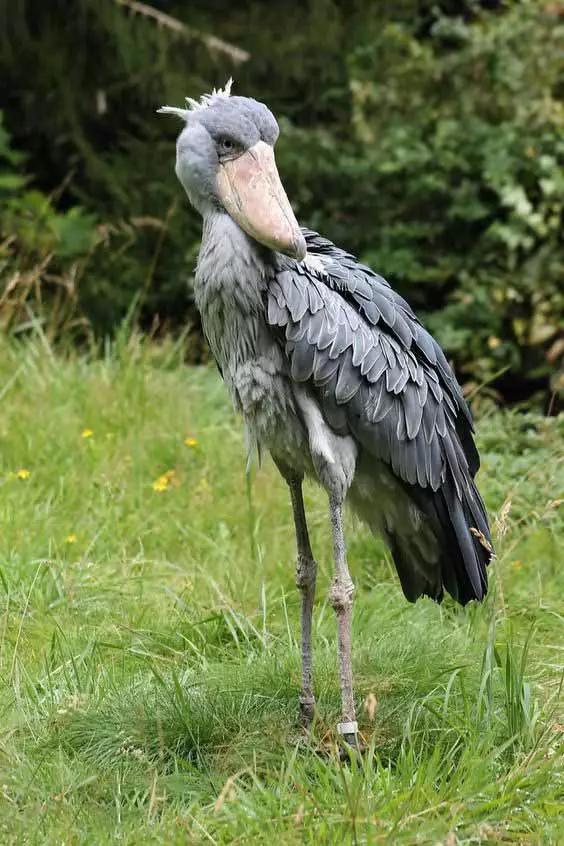
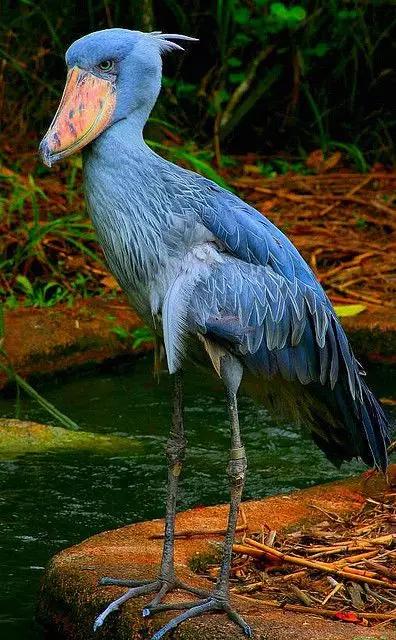
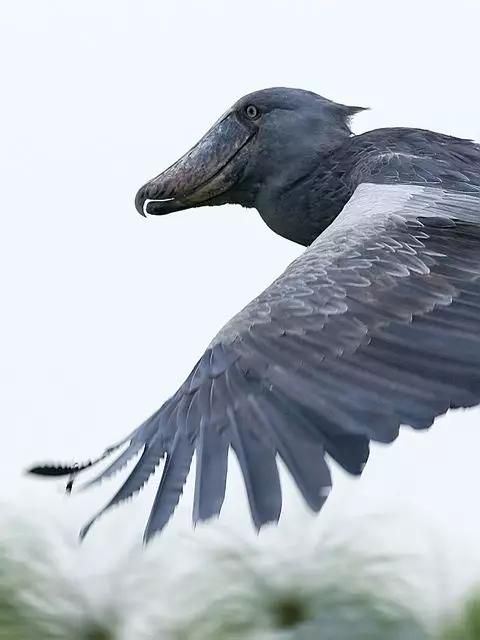
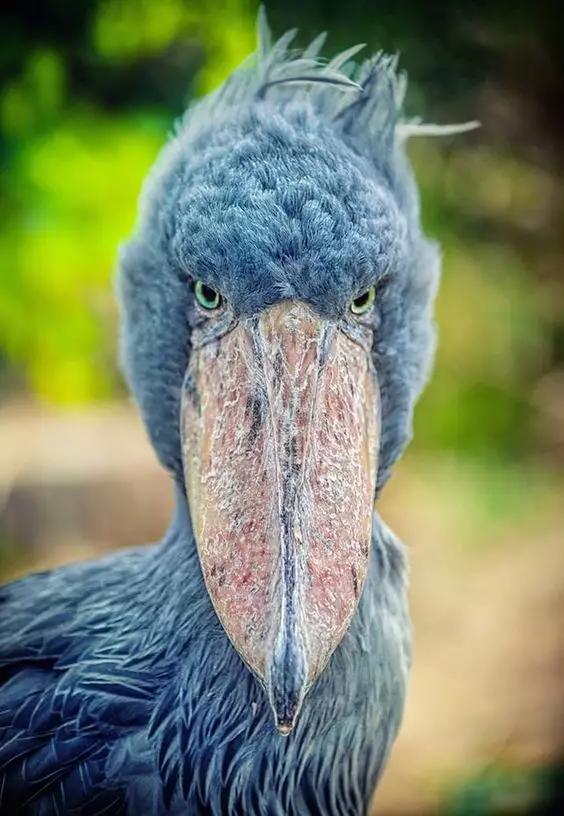
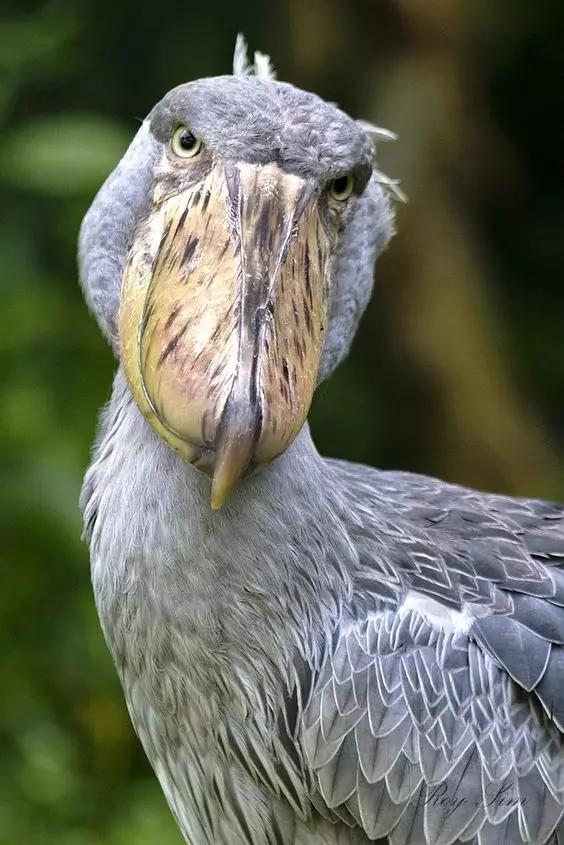
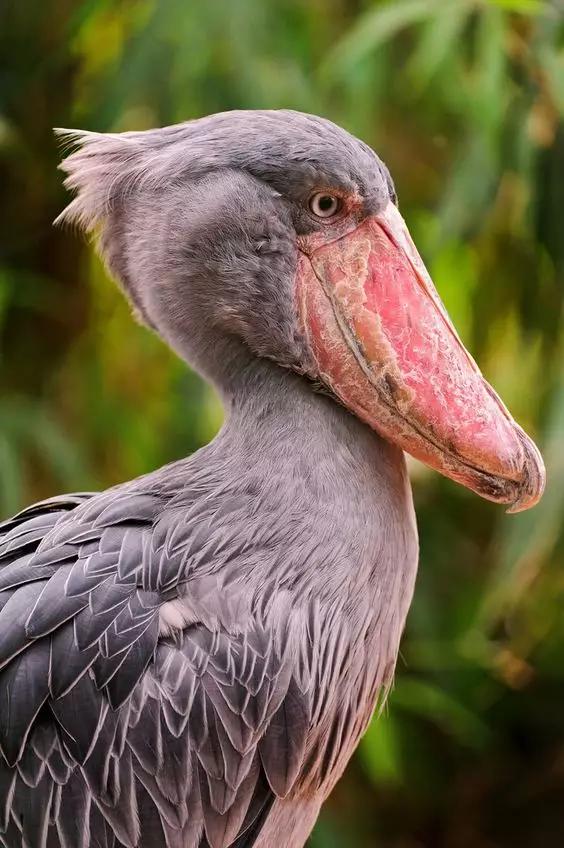
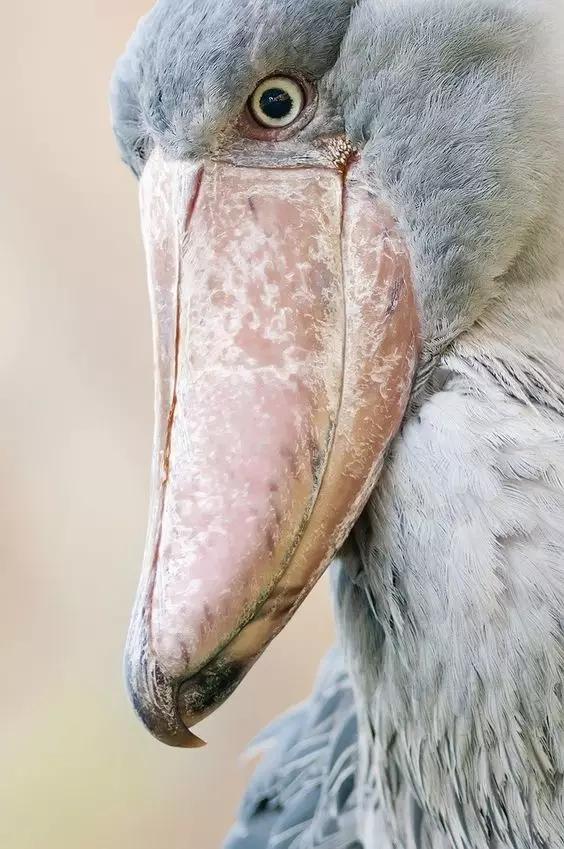
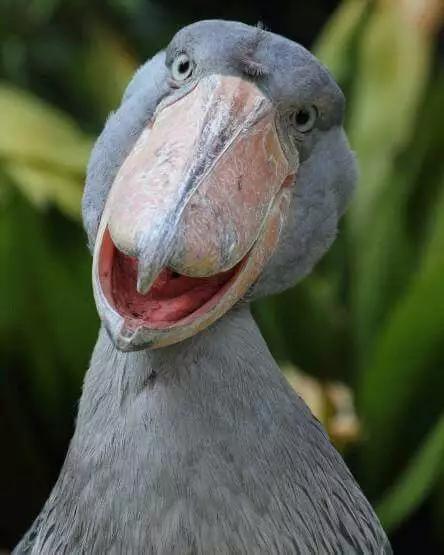
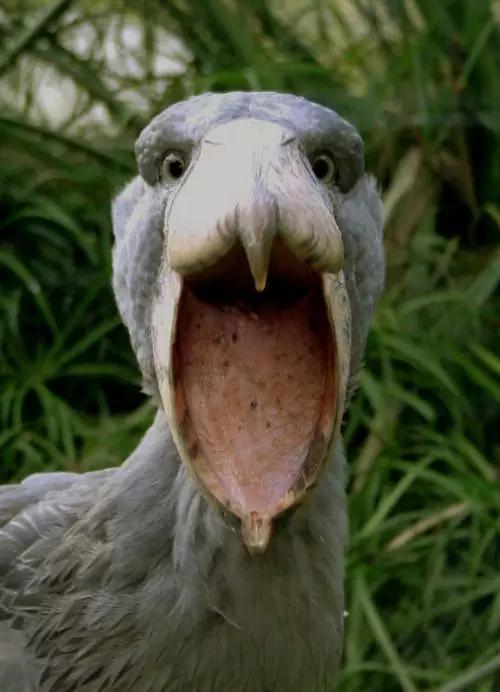
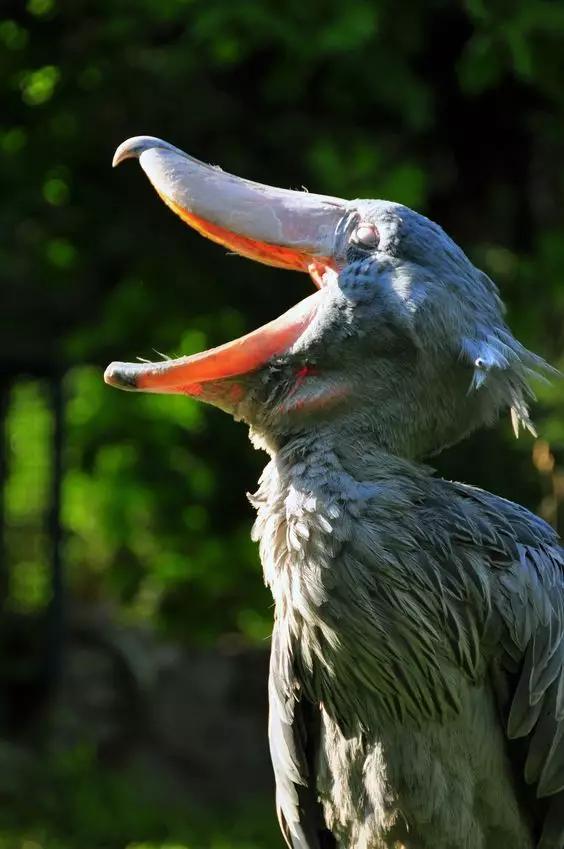
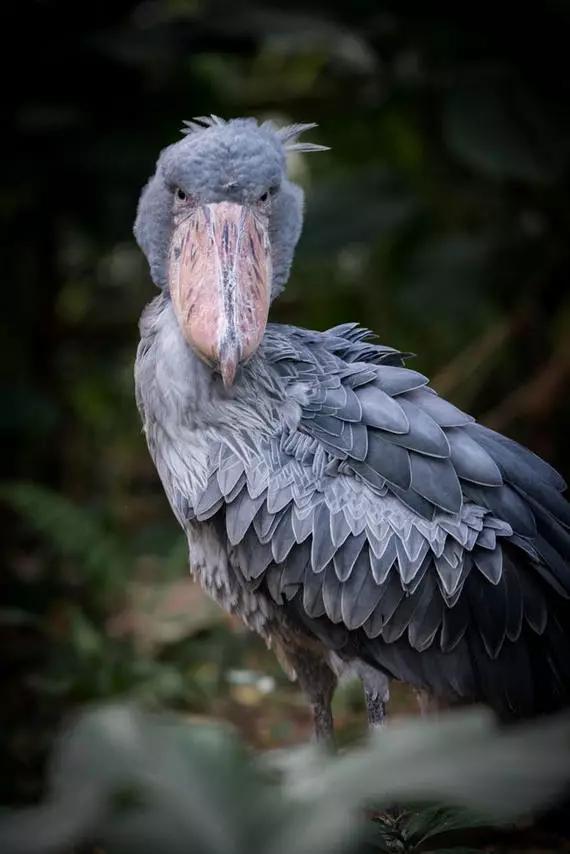
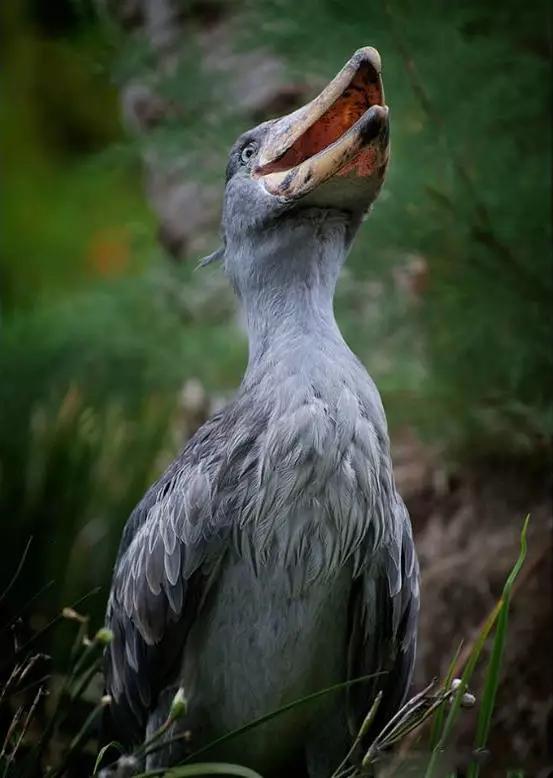
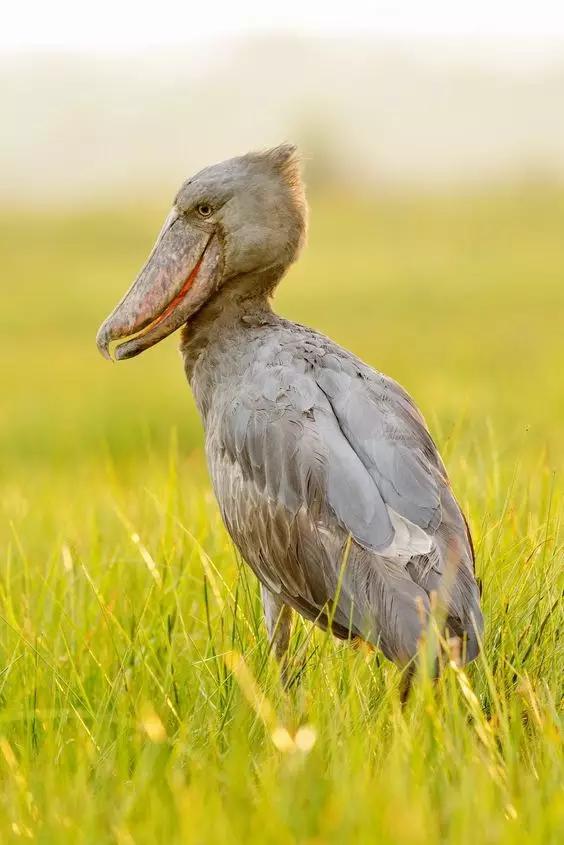
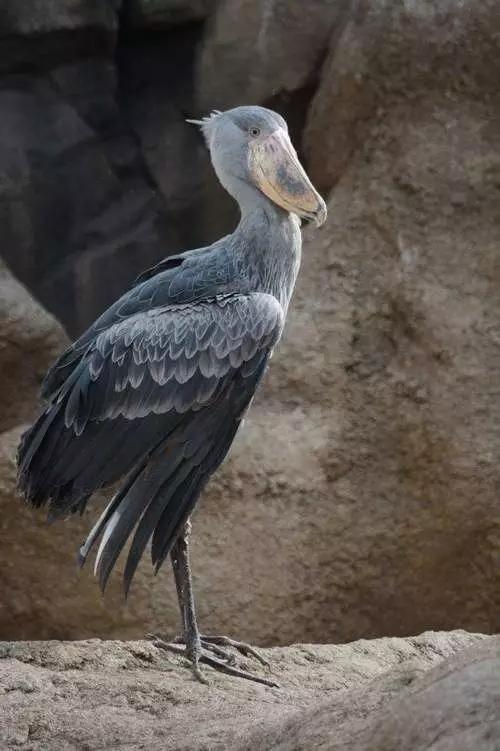
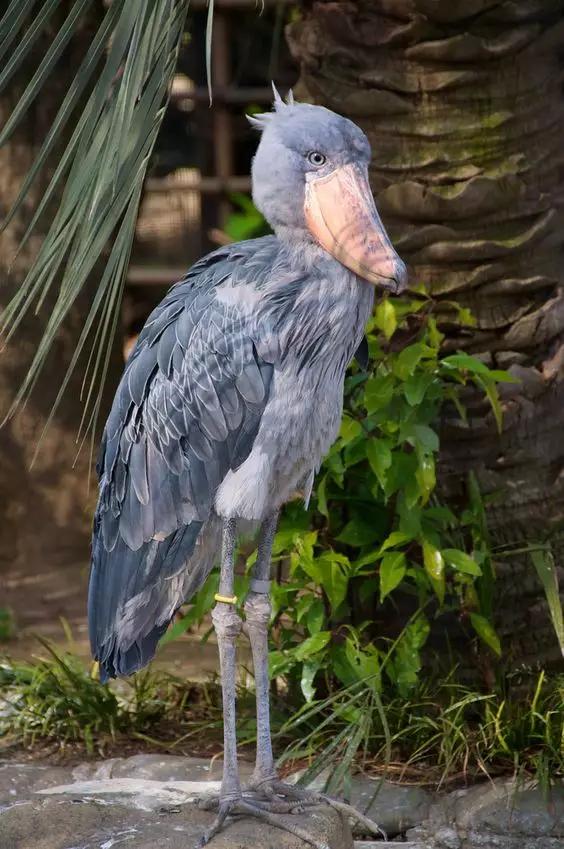
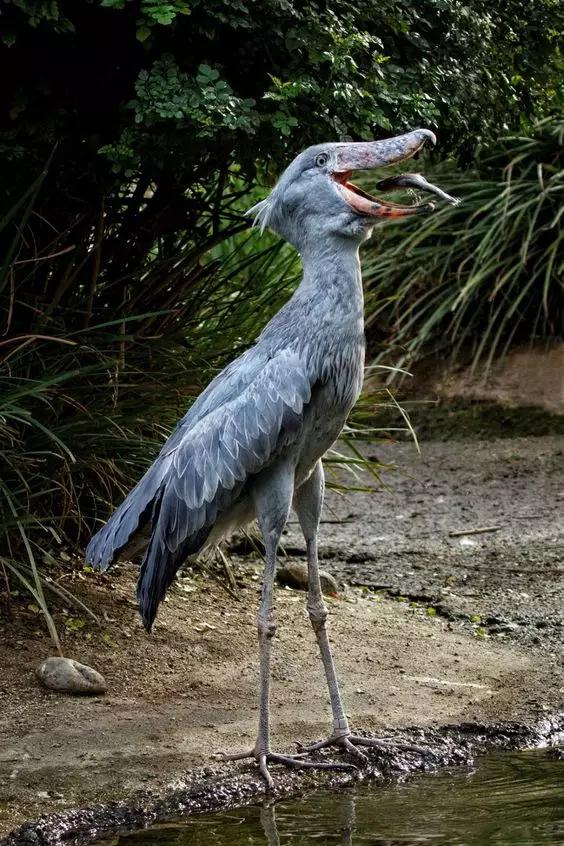
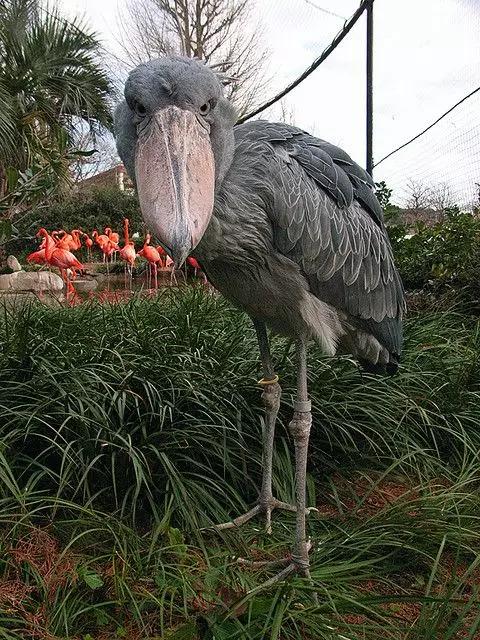
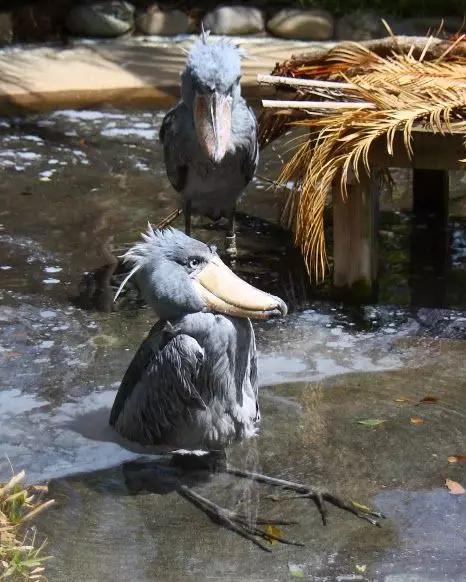
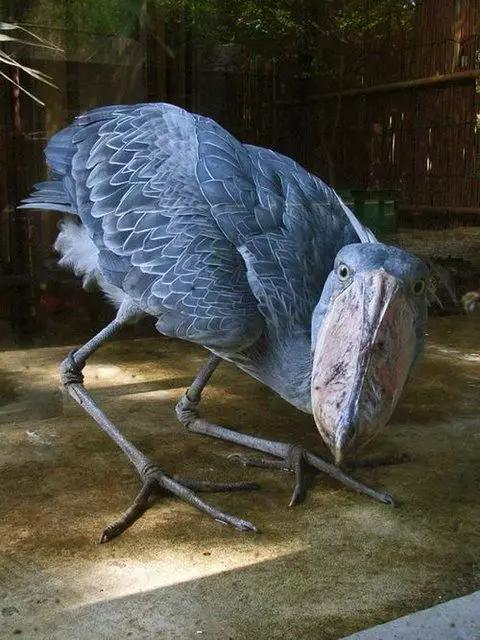
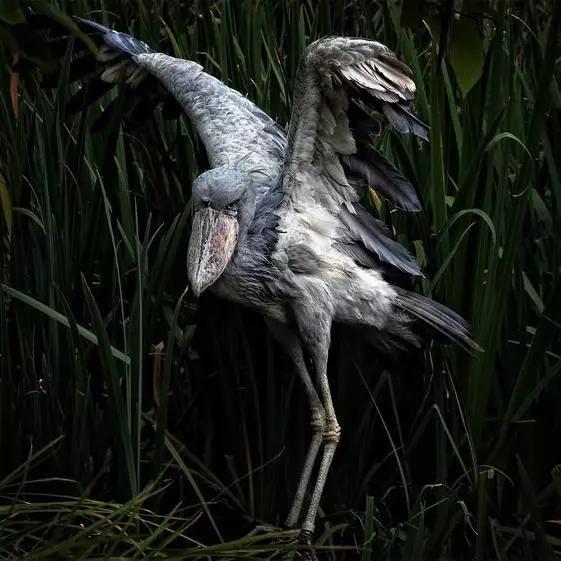
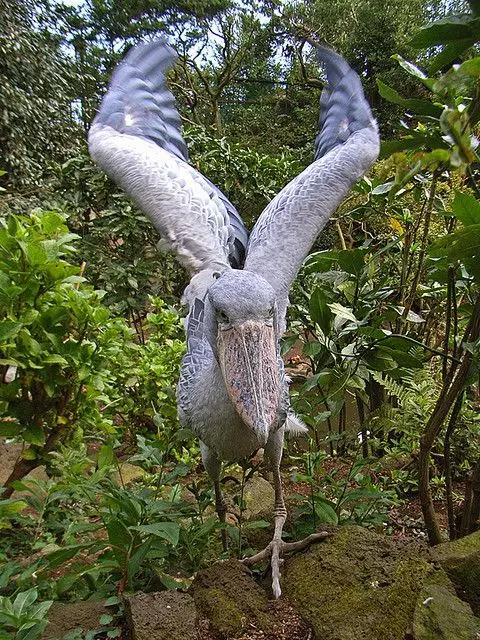
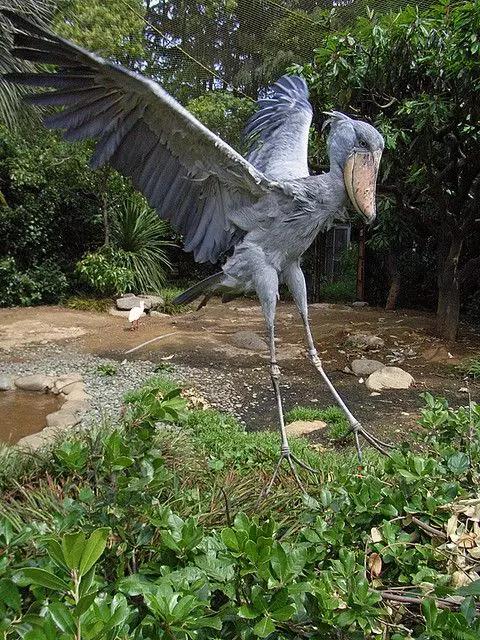
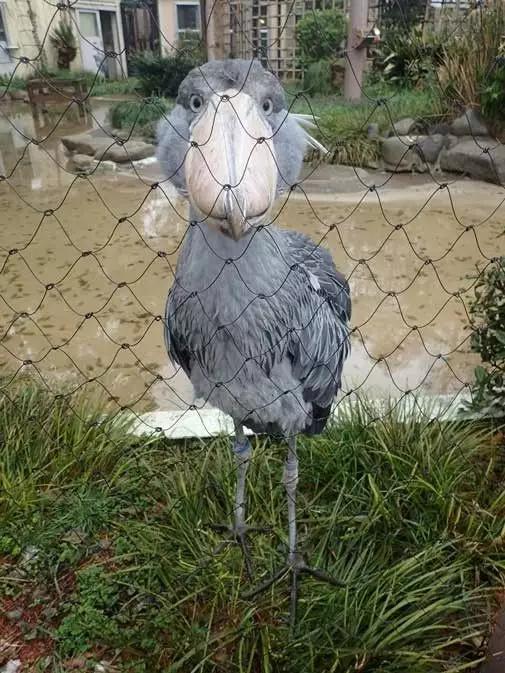
Balaeniceps rex, also known as the Shoebill stork, is a species closely related to storks within the Balaenicipitidae family, Balaenicipitinae subfamily. The name originates from its massive bill. The Shoebill stork can grow up to 150 cm in length, with adult plumage primarily gray, and young birds have predominantly brown feathers.
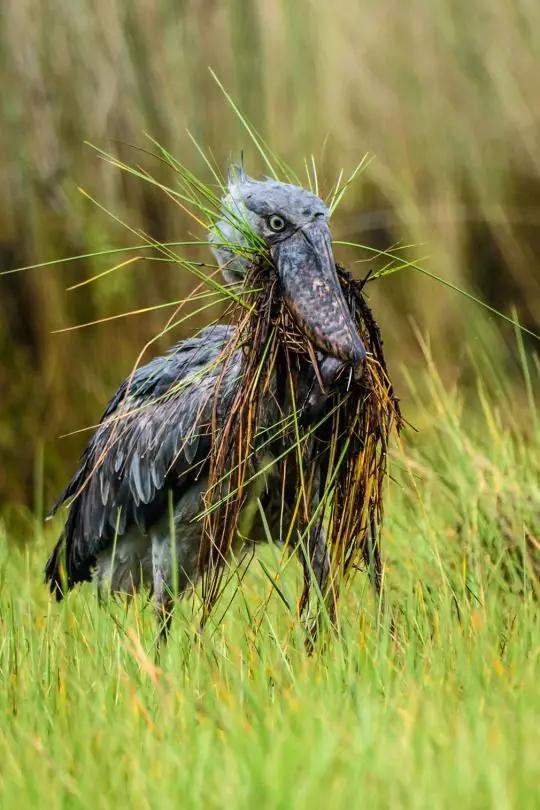
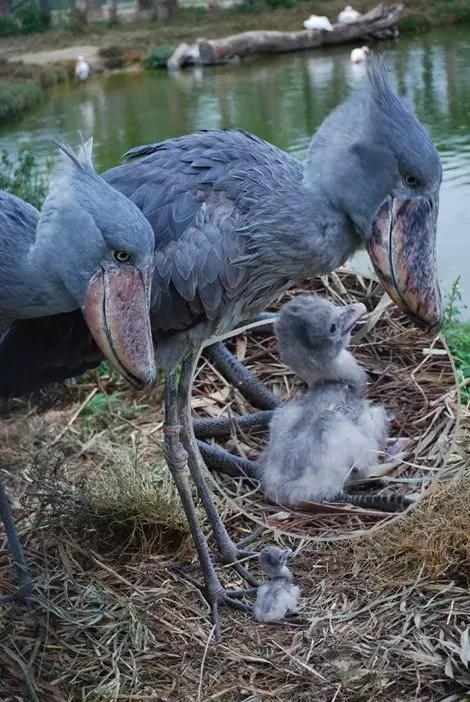
The Shoebill stork inhabits the large tropical wetlands of Sudan and Zambia in Eastern Africa. It feeds on fish in the mud, with its diet mainly consisting of lungfish. Nests are built on the ground, and the birds typically lay two eggs. The Shoebill stork population is estimated to be between 5,000 and 8,000 individuals, with most residing in Sudan.
The International Ornithological Committee classifies its conservation status as Vulnerable. The primary threats include habitat destruction, human disturbance, and hunting.