When Turtles Wake Up: A Guide to Spring Emergence
Spring's warm footsteps are getting closer, shedding winter's chill. For turtles, it’s a time of gradually rising temperatures, and many turtle keepers are reporting that their turtles are starting to emerge from hibernation. After a winter, many turtle keepers are eager to say, ‘Can they emerge in February? Can they emerge in March?’
Turtle emergence isn’t based on the month; it’s based on the temperature. Southern provinces warm up earlier, so turtles emerge sooner. In northern provinces, it’s naturally later, and turtles are more reluctant to stir. Generally, when the average temperature stabilizes above 15°C, they will start to emerge. It’s best if the turtle wakes up on its own; if it’s already warm, you can try to encourage it with some gentle assistance. Spring’s temperature range is very large, with big differences between morning and evening temperatures. If the turtle hasn’t woken up on its own, don’t force it to emerge.
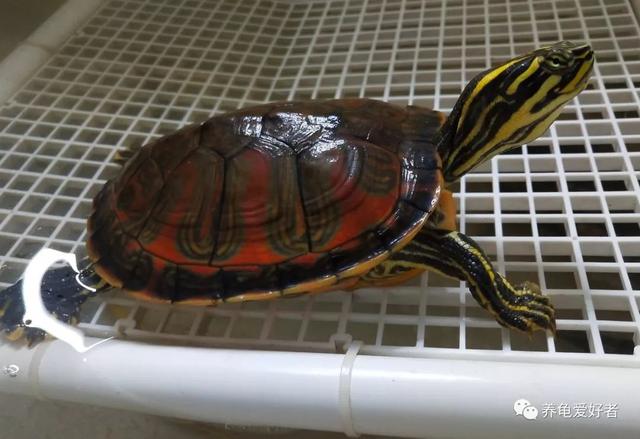
When it comes to preparing for a turtle’s emergence, what do we need to consider? First, the turtle’s emergence is triggered by the gradual warming of local temperatures. However, everyone knows that spring is marked by ‘cold snaps,’ where temperatures fluctuate significantly. At the same time, the turtle’s condition is still relatively weak, and its resistance is low. If the temperature isn’t stable or too warm, don’t force it to emerge manually.
Once a turtle wakes up, should it immediately go into the water? Not necessarily. If the turtle hibernated in a soil-filled environment, such as coconut soil, first remove the soil, then conduct a health check to see if there are signs of shell rot, illness, or frostbite – such as pale eyes, a runny nose, a drooling mouth, and limbs or shells that are affected. Carefully examine the eyes, nose, mouth, limbs, and shells for any abnormalities, and address them promptly.
If there are no problems, that’s the best outcome, and it can be left in the environment for a while. If the turtle hibernated in shallow water, check its health first, and don’t rush to put it in the water of the reptile tank. Wait until you’re sure the water temperature isn’t too different. Of course, all of this is assuming you’ve properly prepared the reptile tank beforehand.
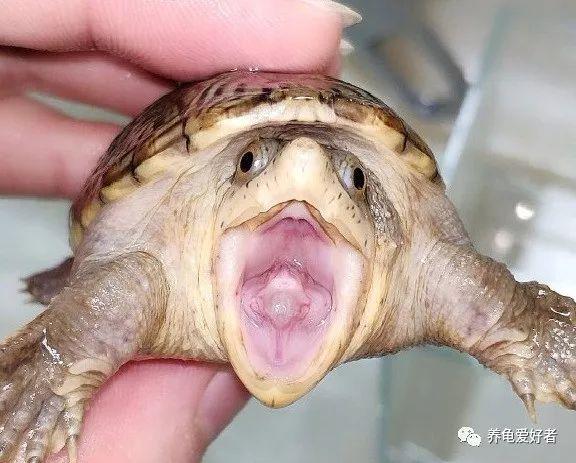
After a normal feeding period, gradually adapt to the new environment. After a winter, the turtle hasn’t fully recovered, so you need to let it gradually regain its condition. Sometimes turtles will excrete ‘strange’ feces, such as white feces; don’t panic, observe it for about a week, and don’t rush to use medication.
Many turtle keepers will feed their turtles too much food because they think the turtle is hungry, especially when the temperature isn’t yet stable. Feeding too much too soon can cause digestive problems, and it’s a pity to waste the food that was meant for a cool winter. Also, turtles have not fully recovered after emerging from hibernation, and a lot of food is a burden on the digestive system.
Therefore, temporarily don’t feed it, at least for 3-5 days, and then start with small amounts, gradually increasing the amount as the temperature rises. If the temperature drops sharply or fluctuates greatly in the following days, stop feeding.
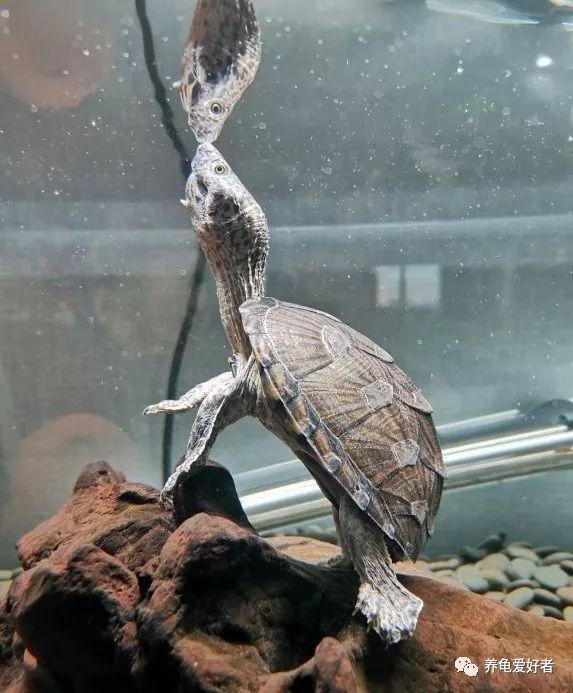
Sometimes turtles will refuse to eat after emerging from hibernation, which is normal. After a turtle emerges, some individuals still need to adapt to the new environment, just like a new turtle coming home. And after the temperature reaches 20°C, turtles are more likely to open their appetites. Don’t rush. Reduce the frequency of water changes, and stability is the priority.
Turtles’ spring emergence also needs to pay attention to the temperature difference between morning and evening, which is very large. The sun is strong in the middle of the day, but it cools down in the evening. It’s important to protect against the wind.
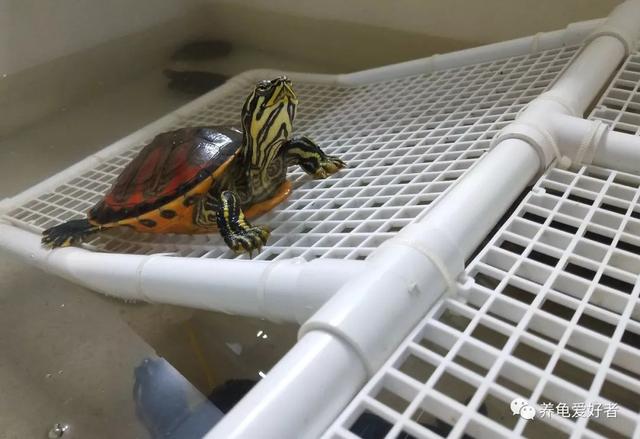
As everyone knows, spring is also when humans get the flu, so turtles need to be careful. From getting a cold to pneumonia and death, sometimes it happens quickly. Prevention is the key.
Turtle emergence is approaching, and I’m sure many turtle keepers are looking forward to this day. Another year of the turtle’s journey is about to begin. Are you prepared to seize this opportunity? It will make the subsequent journey smoother and won’t waste the efforts of the past year.