The World's Rarest Insect: Twist-Winged Bug
Today I introduce a very rare insect, the Twist-winged bug. Twist-winged bugs have a unique parasitic mode. The male Twist-winged bugs have wings, legs, and antennae similar to flies.
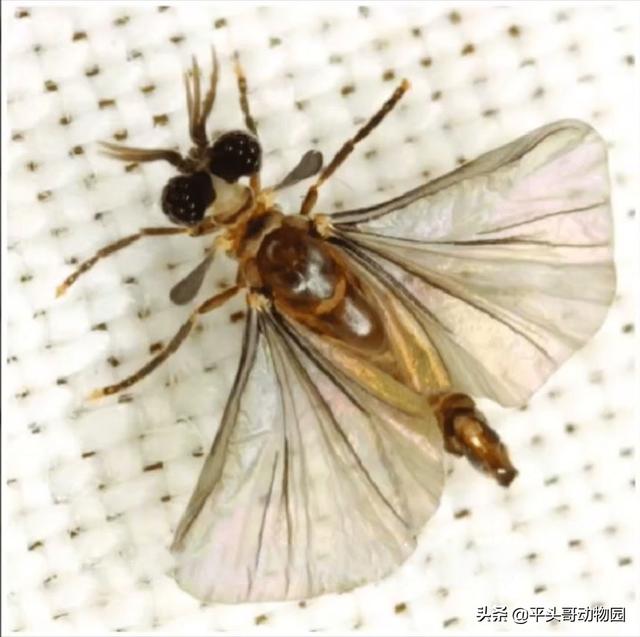
Twist-winged bug
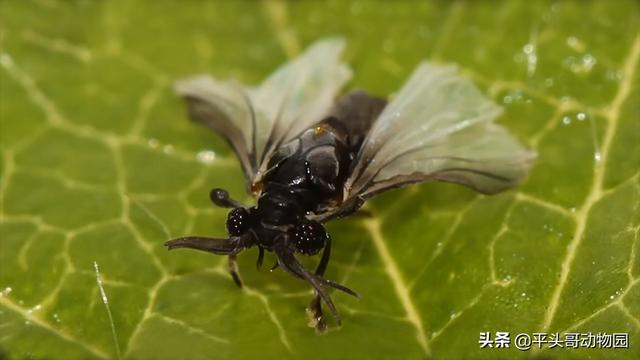
Twist-winged bug
It has extremely special compound eyes, composed of hundreds of small eyes, and its shape is similar to a mulberry. Strangely, male Twist-winged bugs have no mouthparts, as male Twist-winged bugs do not eat, and their lifespan is only 5 hours, their whole life is for reproduction.
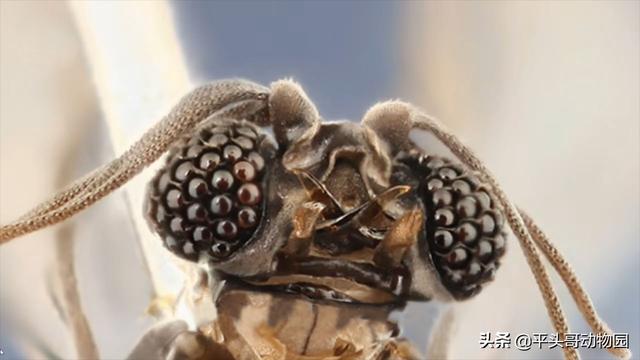
The compound eyes and reduced mouthparts of Twist-winged bugs
Female Twist-winged bugs are completely different from males. They eventually develop into larvae, with a shape similar to maggots, without mouthparts, compound eyes, wings, or antennae. Most species also lack legs. Mature females will stay inside the host for life. When mating, they release pheromones to let male Twist-winged bugs know their host's location to come and mate.
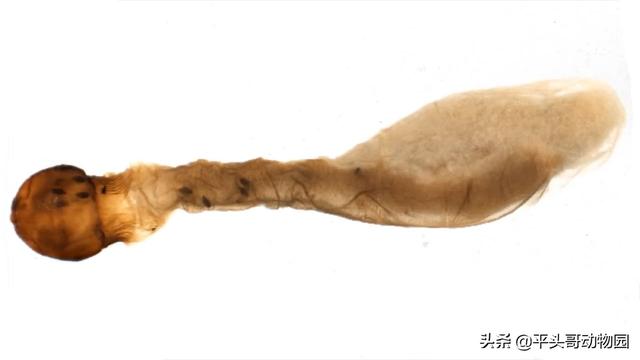
Female Twist-winged bugs in parasitism
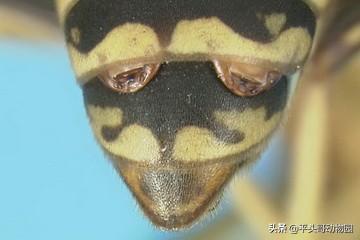
Mating Twist-winged bugs
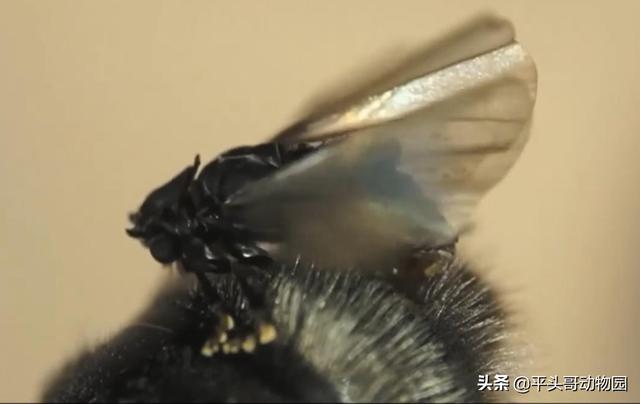
In addition, this animal has an extremely rare breeding method. The female Twist-winged bug, after fertilization, lays thousands of larvae inside the host. These larvae first live in the mother's body, eating the mother until the mother is completely eaten, then they leave the mother and find a new host. This reproductive method is also called blood-cavity viviparity. These larvae, after finding a new host, will burrow into the host. After the male larvae develop into adults inside, they leave the host to find female Twist-winged bugs for reproduction. After the female larvae mature, they will continue to stay in the host and release pheromones to wait for the male Twist-winged bug's arrival.
The male Twist-winged bug breaking through the cocoon
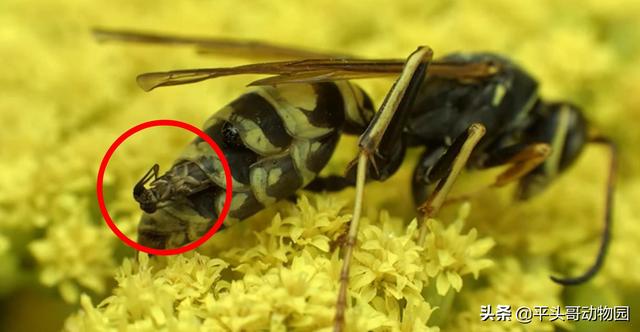
This special insect is difficult to find because of its extremely special life cycle. Male Twist-winged bugs have short lives, and it is necessary to concentrate multiple female Twist-winged bugs to lure them. Female Twist-winged bugs also staying inside the host is quite difficult to find. Scientists only relatively easily obtain samples after understanding its life pattern.
Follow Flathead Animal Park, bring you to know mysterious species