Infrared Camera Captures 'Bears in Urumqi County'
Source: Tian Shan Net
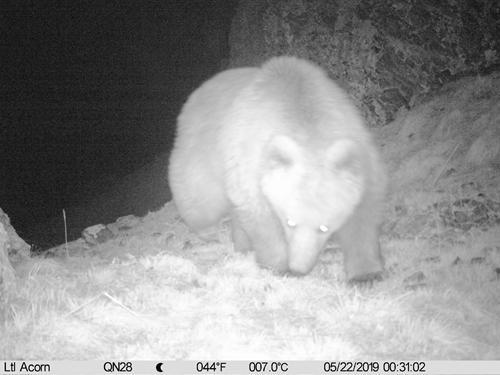
Infrared camera detected brown bears
Tian Shan Net reported (by Zhao Mei reporter) that in the lens of an infrared camera, a brown bear was constantly scratching and searching for food, and only when it confirmed that the thing in front of it could not be eaten did it slowly leave. Recently, in the infrared imaging set in Bu She, Urumqi County, a rare wild animal, the brown bear, was discovered. It is reported that this is the first time the infrared camera in Urumqi County Bu She has recorded the image of a brown bear in two years.
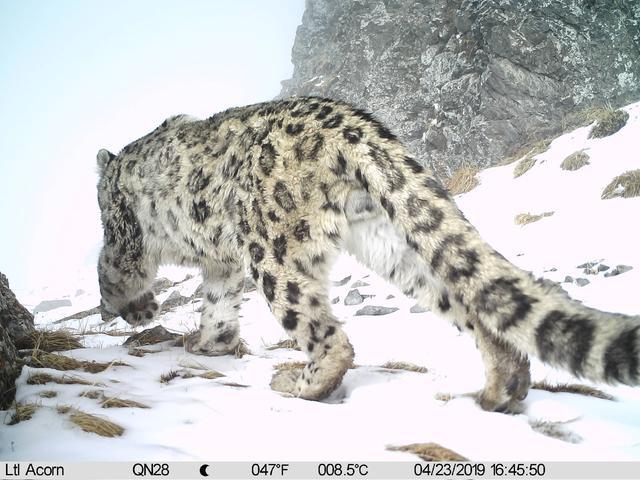
Infrared camera detected snow leopards
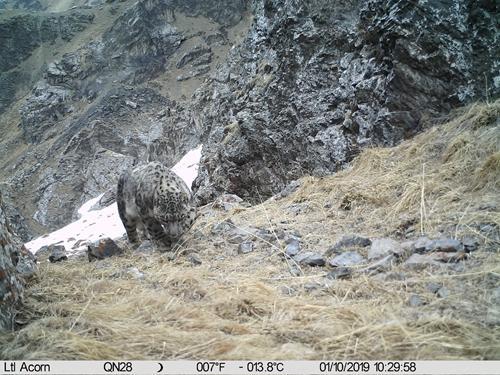
Infrared camera detected snow leopards
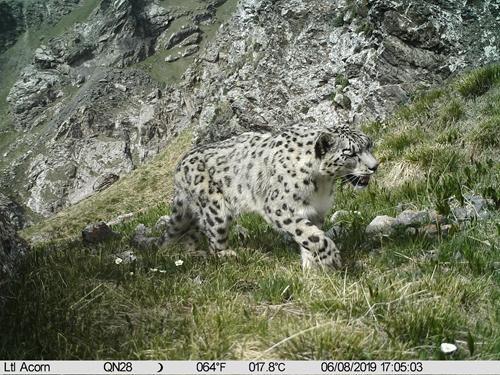
Infrared camera detected snow leopards
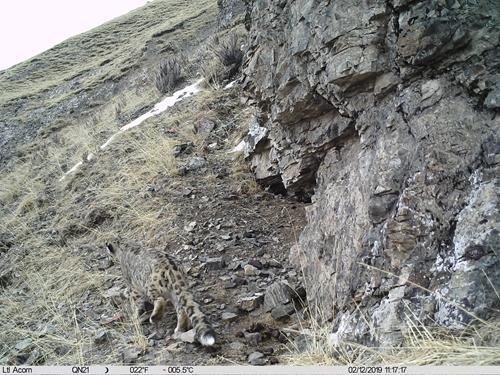
Infrared camera detected snow leopards
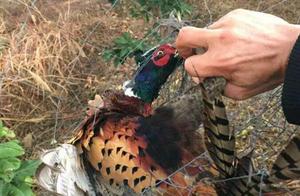
Reporter interviewed the Tian Shan State-Owned Forestry Administration Board Fanggou Branch Bureau to understand the living habits and distribution of snow leopards in the. Two years ago, the bureau launched an infrared camera monitoring project in the and set up 30 infrared cameras in areas with concentrated snow leopard activity. Recently, staff members discovered from the recovered infrared camera image data, in addition to brown bears, they also saw snow leopards, markhor, wild goats, marmots, foxes, wild boars, pheasants, stone chickens, squirrels, etc.
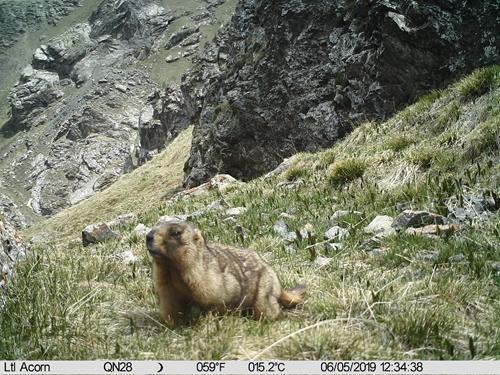
Infrared camera detected marmots
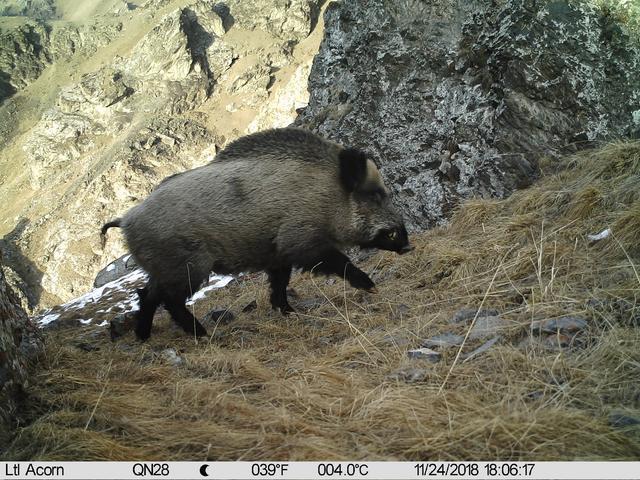
Infrared camera detected wild boars
It is reported that brown bears are a national second-level protected wild animal and have entered the list of protected species in the International Trade Convention of Plants and Animals.
Investigations by Xinjiang scientists showed that from the 1990s to 2012, the average density of brown bears in Xinjiang was only 1.91 to 2.6 heads per 1000 square kilometers, and the total number of bears in Xinjiang was between 500 and 600.
In recent years, with the improvement of ecological environment in various places and the improvement of people's environmental awareness, the number of brown bears has increased, and they mainly inhabit the mountains, valleys, and forests of the Tian Shan and Altai Mountains in Xinjiang. Previously, infrared cameras were also set up in Tian Shan north of the mountains and in the Kazhakas to record brown bears.
Brown bears mainly eat vegetarian, mainly eating berries, wild fruits, and plant rhizomes. They are also the largest among bears, with an average weight of about 500 kilograms, which gives people a feeling of heaviness. In fact, brown bears are not clumsy, they run very fast, and their maximum speed can reach 60 kilometers. Their sense of smell is also very sensitive, which is several times higher than that of dogs.
Brown bears are in hibernation from late October or early November to early March or April of the following year. The lifespan of wild brown bears in the wild is 20 to 30 years.
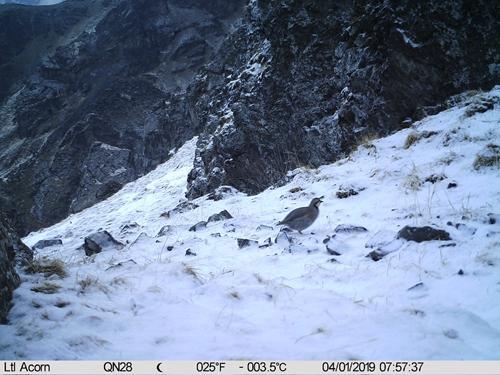
Infrared camera detected stone chickens
According to the Tian Shan State-Owned Forestry Administration Board Fanggou Branch Bureau, the data from the recent infrared camera recovery monitoring shows that in recent years, with the annual improvement of the ecological environment of Urumqi County, the number of wild animal populations in Urumqi County has increased, especially the population of wild boars and snow leopards has increased significantly.
In recent years, Urumqi County has consistently adhered to the 'water and mountains are gold and silver' development concept, through the implementation of key ecological projects such as natural forest protection, ecological public forest construction, Tian Shan North Slope Valley forest vegetation restoration and protection, and the local ecological environment has been greatly improved. (Image provided by the Tian Shan State-Owned Forestry Administration Board Fanggou Branch Bureau)