American Cougars Spotted with BBC Filming Crew; Next Documentary's Protagonist Leaked

This is a firsthand experience shared by experienced wildlife photographer Jerry Shu, Patagonian private reserve outside Torres del Paine National Park in Chile
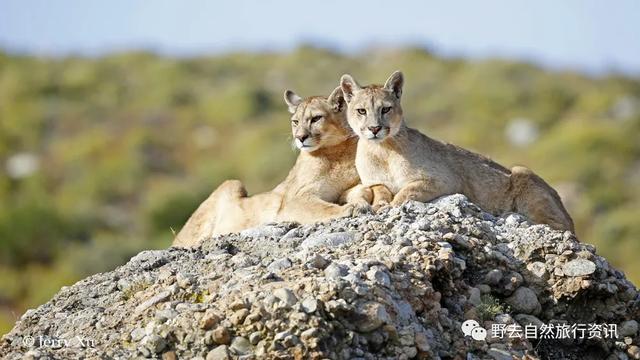
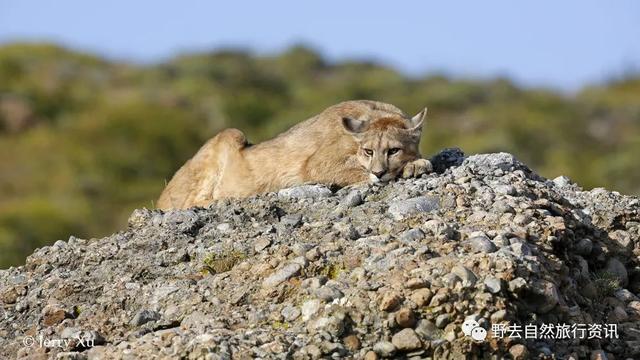
The weather was partly cloudy with sunny intervals and strong winds, causing clothes to billow.About 30 meters away, on a huge sandstone rock, two big cats were lying down lazily basking in the sun, one had closed its eyes, while the other squinted, looking disdainfully around, as if it were a world ruler.
They weren't ordinary big cats, but the most widespread and top-tier predators in the Americas:Pumas!
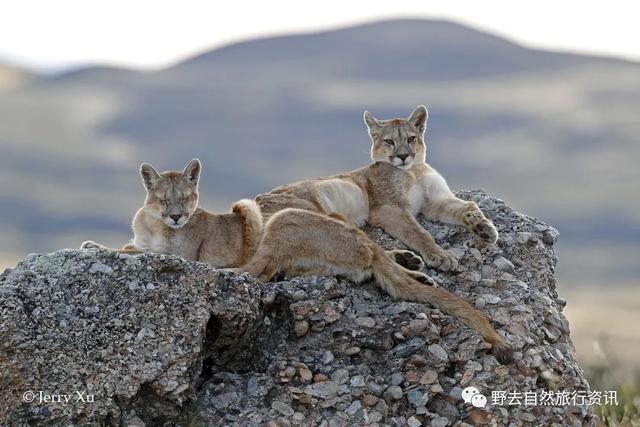
And between me and the pumas was a photographer wearing dark outdoor clothing and a hat, intently photographing the pumas.
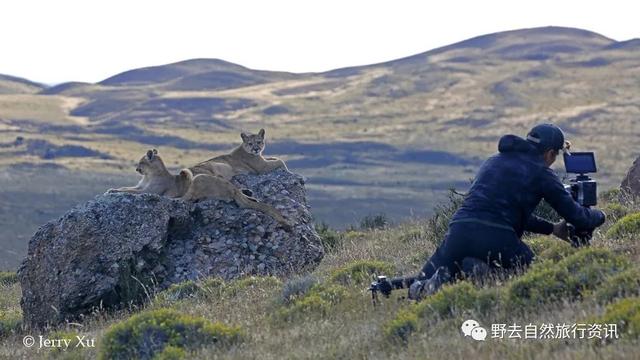
At that time, he seemed to be the first-hand player in the world's wildlife and nature documentaries.BBC's production team memberJohn Shier.
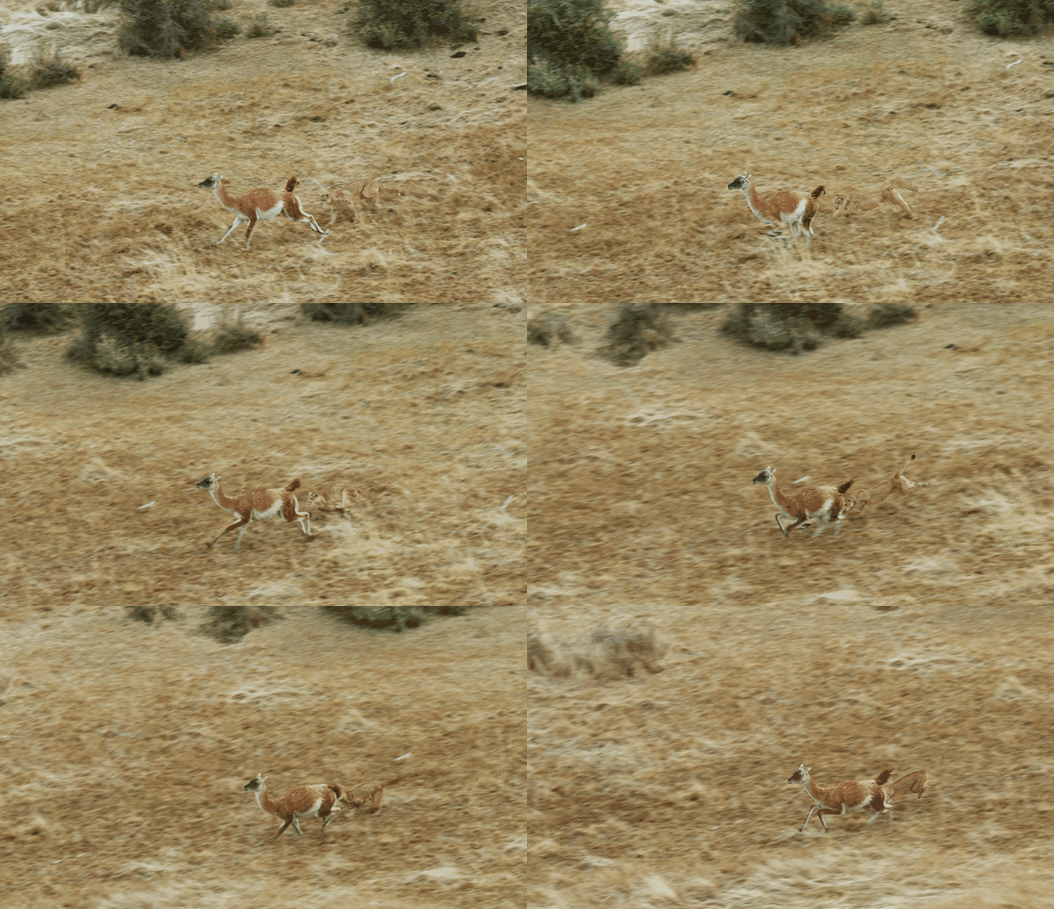
Have you ever heard of him? Probably not, but anyone who loves nature and wildlife will definitely not miss his works. Recently, the BBC's blockbuster documentary 'Seven Worlds, One Planet' third episode about South America opened with the exciting scene of puma mother Samianto and her three cubs hunting guanacos, remember?
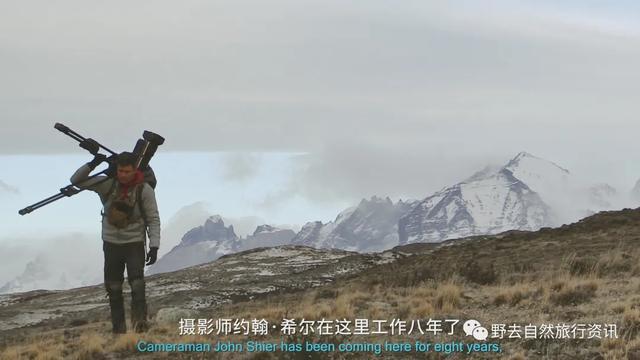
Puma mother Samianto was injured while hunting guanacos, and these fantastic shots were all taken by John. He has been photographing pumas in Torres del Paine National Park for 8 years, and you can see his work scenes in the last shooting footage of this episode.
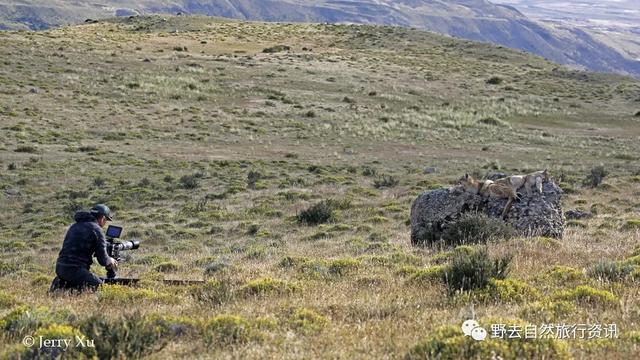
Wow! I learned from the local guide that the famous BBC production team and photographer John were right in front of me, and we were 'shoulder to shoulder' photographing this puma family, and the entire area of several thousand hectares was just us and the BBC production team, plus our accompanying local guides. This was a fantastic feeling!It was two hours earlier, at 6 a.m., I set out with the local guide from the accommodation point to start searching for pumas for the first day.I had come to Torres del Paine National Park twice before, but I hadn't seen any pumas or their shadows. The local guides said that pumas existed here, but it was a matter of luck.
So I wanted to hirea professional puma guideto do it.
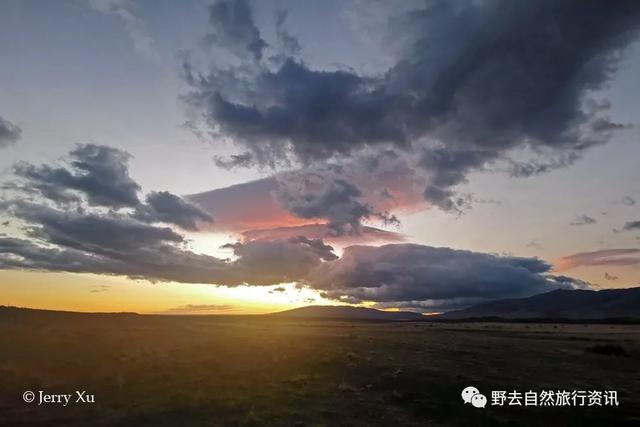
Early in the morning, we drove out in a car to the private reserve, there were no foreign tourists here, but the most were guanacos, which were the main food for pumas, so there were no tourists and more food, pumas wouldn't dislike this protected area.
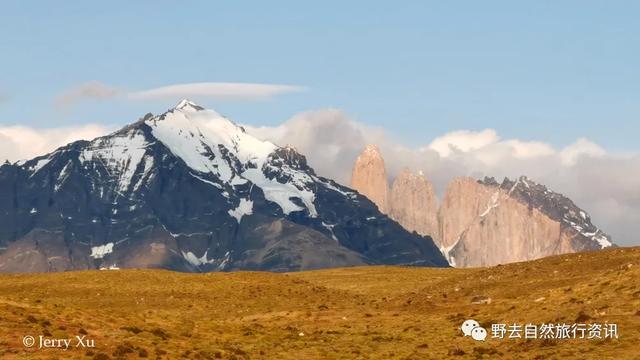
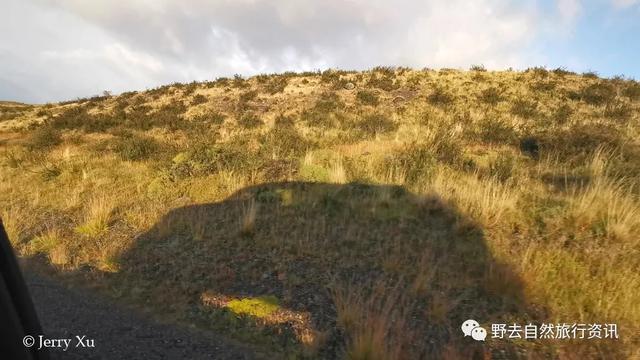
It is said that it takes skill to find pumas, because their fur color and the environment are very similar, plus the area is vast, if it weren't for the warning sound of guanacos, sometimes it's really difficult to find them. Along the way, the local guide would stop to park, holding a high-powered telescope, scanning the distant land every one meter or so, any puma activity would not escape the eyes of the local guide, but it depends on whether they move or not. If they are sleeping in a rock or hiding in bushes, it's almost impossible to find them.
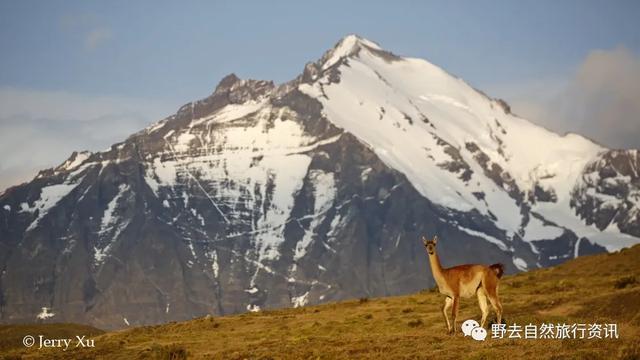
Time passed minute by minute, it seems that compared to finding lions on the African savannah, finding pumas here is not so easy, because they tend to follow guanacos and migrate, not fixed in one area, unless they are with their cubs.
At this time, the handheld two-way radio on the car rang, and a high-speed Spanish frequency voice came. Of course, I didn't understand a word, I only knew that the guide said 'Muchas gracias!' at the end, and the guide immediately hung up the radio. Immediately, the car accelerated, I was excited, based on my years of experience driving and photographing wildlife in the wild, I knew that it was another local guide notifying us of the puma's location, we would rush over immediately, quickly prepared equipment, ready to shoot everywhere, making it like a combat squad attack, The car drove for about half an hour before arriving. Through the glass, I saw two cars parked ahead. In front of these two cars, there were several large rocks, and I looked closely. The pumas were on the rocks!
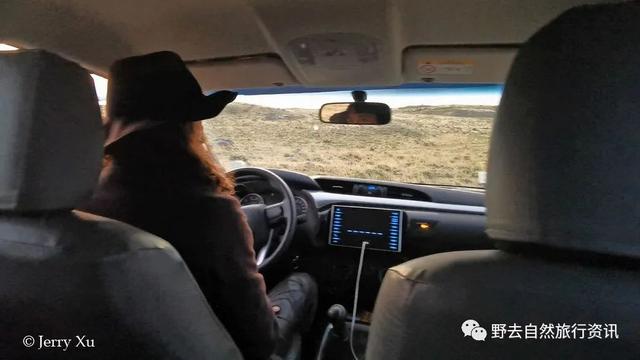
No matter what, this was my first time seeing a puma in the wild, how could I not be excited! I scrambled down from the car and grabbed my big cannon and started taking pictures frantically. Later, the local guide told me that because I was a first-time visitor, I was so excited that I immediately showed that I was just coming, the pumas generally don't make a special effort to approach people, Torres del Paine pumas don't fear humans, as long as you shoot casually, like me, it's obvious that I'm just a newbie.
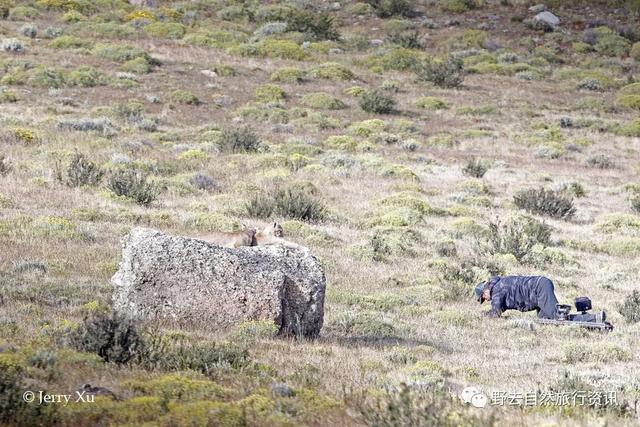
Well, who doesn't love big cats?
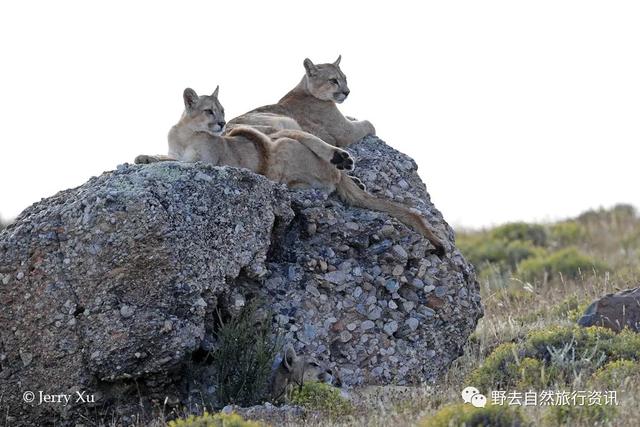
On the rocks were two young pumas, and underneath were two more! That's four baby pumas!
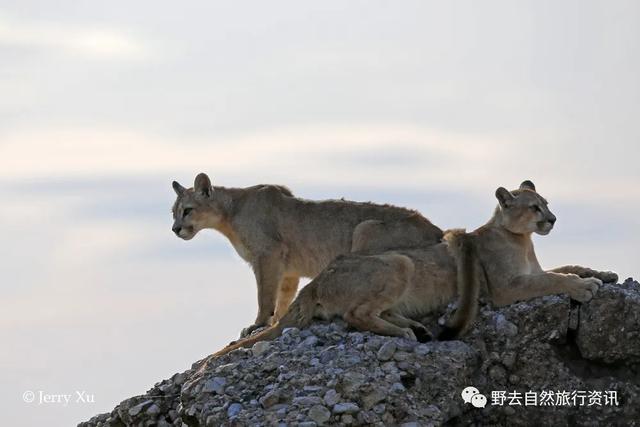
The local guide told me that the black-clad man was John, the BBC's photographer, who had been photographing here for nearly a month, his main target was this family, called Rupestre, which was the family of the puma mother who was with four 1-year-old cubs. It's a difficult puma mother, otherwise how could she raise these four little guys. So the next BBC masterpiece everyone can pay attention to, this Rupestre family is the protagonist, and now I'm also shooting with the BBC.
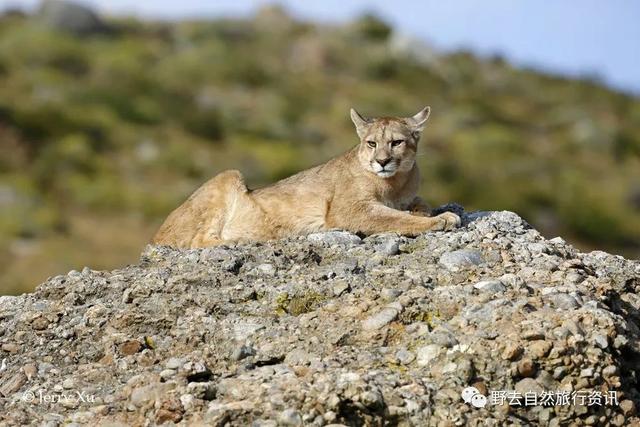
It can be seen that pumas are very adaptable to human activities in Torres del Paine, they are not afraid of people and not curious, and they maintain a distance for shooting. Unlike Africa, most shooting in Africa is done in cars, and you cannot get out of the car, while in Torres del Paine National Park and protected areas, most shooting is done in the form of hiking, and rarely done in cars.
Of course, there are always professional local guides accompanying them during shooting, they don't carry guns, but they have professional knowledge and rich experience in how to approach pumas, and they won't disturb the lives of pumas.
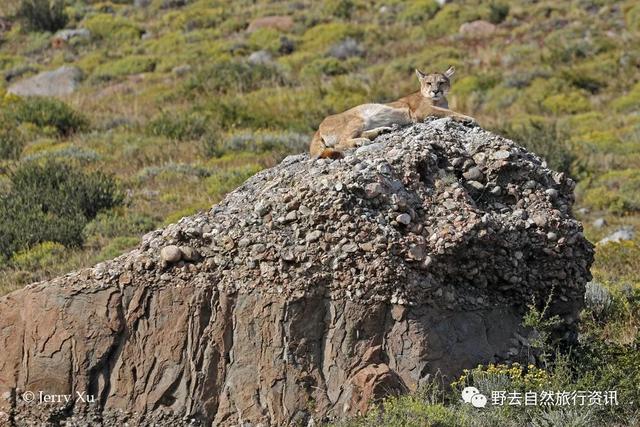
At that time, the entire area of several thousand hectares was just me, a photographer, and the BBC team, plus two big cannons, facing a puma family, this feeling of having a private experience is really great! Let's change the position to shoot a little more freely!
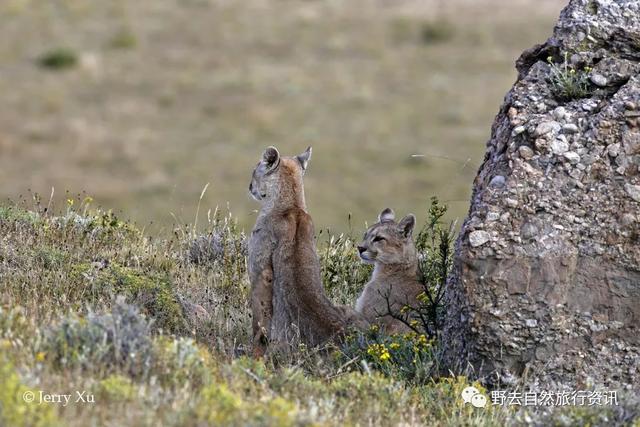
At this time, the BBC photographer John was shooting for nearly a month, so he didn't want to shoot a lot, he just wanted to observe and shoot at the right time. But I didn't shoot for ten minutes, I immediately observed and found that the background of the Torres del Paine three towers and snow mountains was perfect, so I moved to the other side to shoot, this background snow mountain scenery is beautiful!
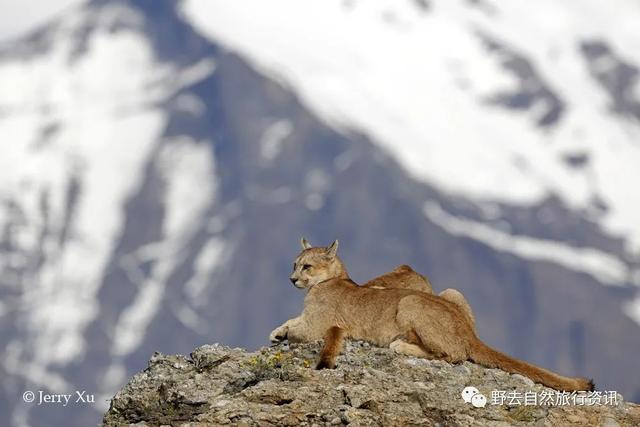
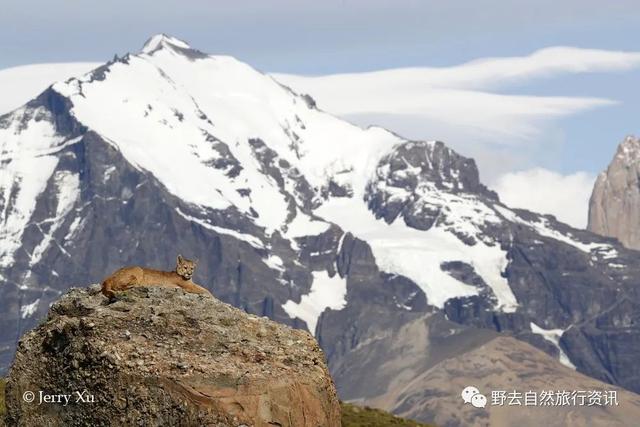
At this time, the most famous Torres del Paine three towers were fully exposed, and knowing that many people came to Torres del Paine to see the three towers, now not only the three towers are clear, but the background of the pumas and snow mountains are also excellent, this is what I wanted to shoot!
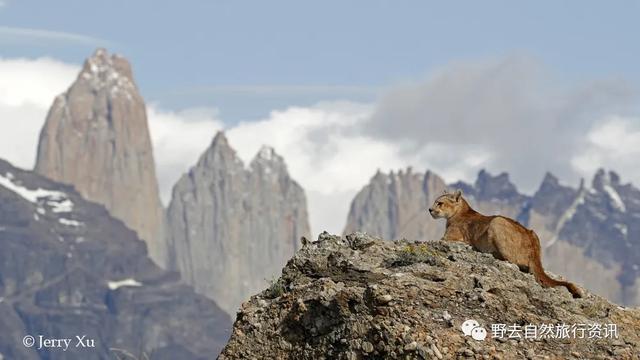
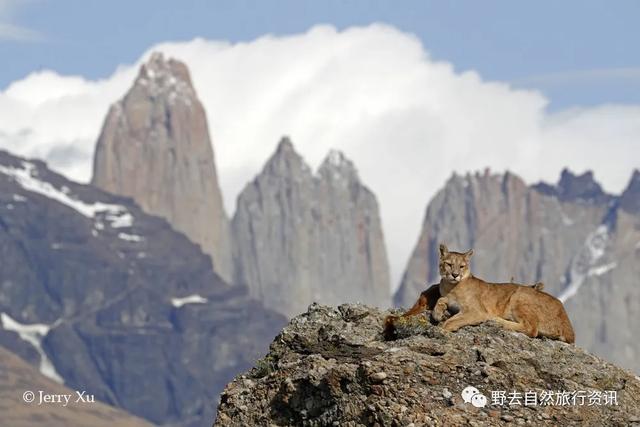
It's easy to shoot pumas here, because there are professional local guides, plus jinfoNext luck, to find the best shooting point, the most suitable season, follow the most professional local guide to find the right position, patiently waiting to shoot, to capture wonderful scenes.
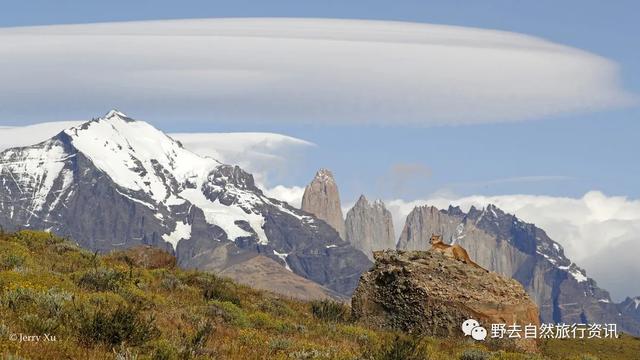
This time I came to the world's best wildlife photography shooting point
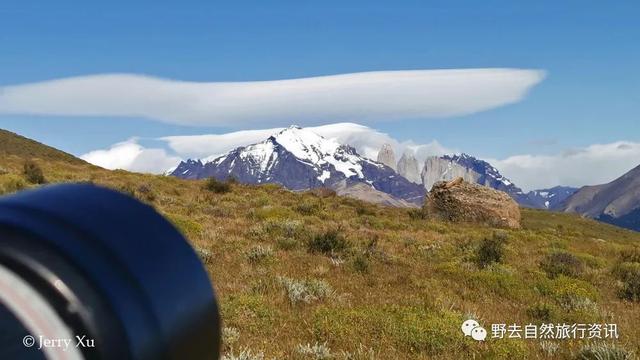
Torres del Paine National Park
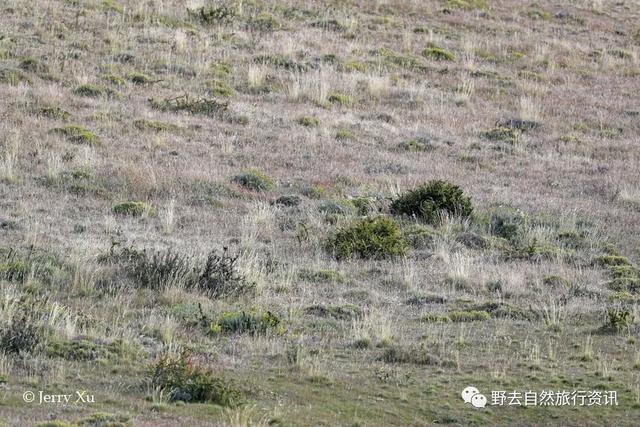
in the summer (south hemisphere in January) shooting and photographing pumas, it is relatively easier than shooting in other seasons, and the weather is also more stable.
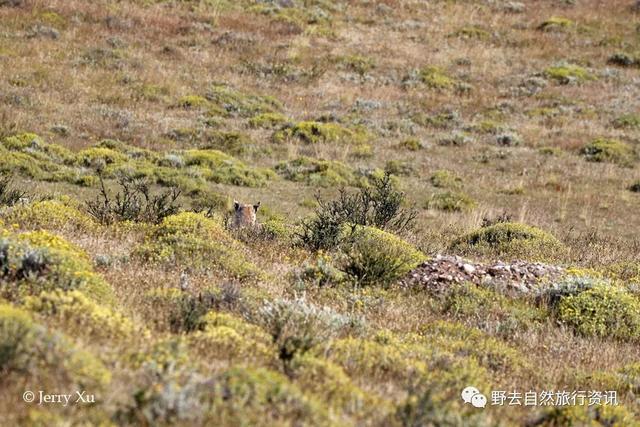
The local guides are all here for many years, not only familiar with the terrain, but also know the behavior of pumas and other wildlife, this is how they can safely approach and shoot, the most importantly, they won't disturb the lives of pumas, this is what we promote responsible wildlife travel – finding professional people, promoting responsible wildlife travel! Of course, this is the first time shooting, it still takes patience to wait and shoot to capture wonderful scenes.
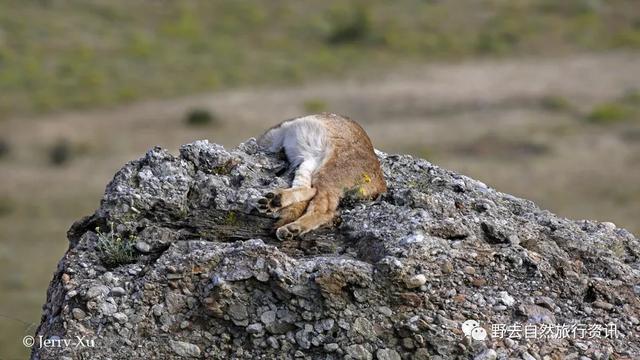
Finally, let me introduce you to the different levels of wildlife photography shooting itineraries I will bring to Torres del Paine National Park, including 4-day professional wildlife photography themed shooting master classes, and 1-2 days of experiential shooting.
I will bring a photography team to shoot pumas again next Chinese New Year, if you are interested, you can inquire about it!
Welcome to log on to the official website of Yetravel www.yetravel.com, or follow the WeChat account Yetravel2014, to get more wildlife travel information.
41-2
www.yetravel.comyetravel2014