One Whale Falls, All Life Arises” – A Sacred and Poignant Funeral
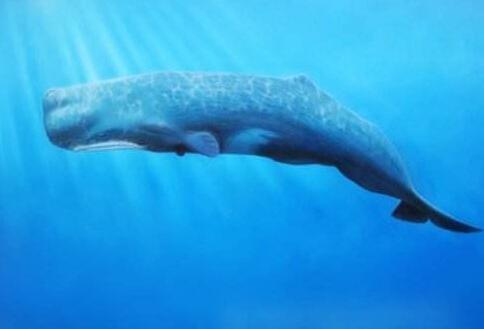
What is whale fall? Naturally, whale fall is the falling after whales die. This understanding is wrong. Here, 'fall' is not just a verb, but also a noun. The village and settlement we usually talk about mean this. Understanding the meaning of 'fall,' we can know what whale fall is.
Whale fall is the ecosystem that forms after whales die and fall into the deep sea, along with hydrothermal vents and cold seeps, which are considered 'oases' of deep-sea life.
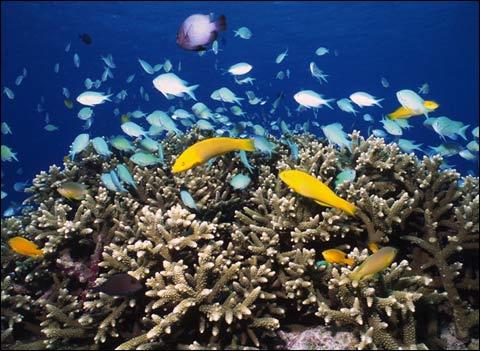
In the depths of the sea, ecosystems are very fragile. We can feel the sunshine on land every day, and this sunshine is the initial energy input. Plants gather energy through photosynthesis, herbivores eat plants, and carnivores eat herbivores. Animals turn into fertilizer to nourish organisms, forming a perfect ecosystem. However, all of this needs sunshine. Without sunshine, there is nothing.
In the deep sea, there is no sunshine, so deep-sea fish are not only blind but also very ugly. It doesn't matter how they look, as long as they can survive. This is true and fully conforms to Darwin's theory of evolution. The more they grow, the more important it is, but the most critical thing is that without the initial energy input, self-sustaining organisms like plants cannot exist. Deep-sea creatures can only survive by consuming other organisms or 'falling from the sky'.
When a giant whale feels its life is ending, it will wander to a deep-sea area and quietly wait for death to come. When the shadow of death completely envelops its huge body, the great whale fall begins.
Whale fall is divided into four stages.
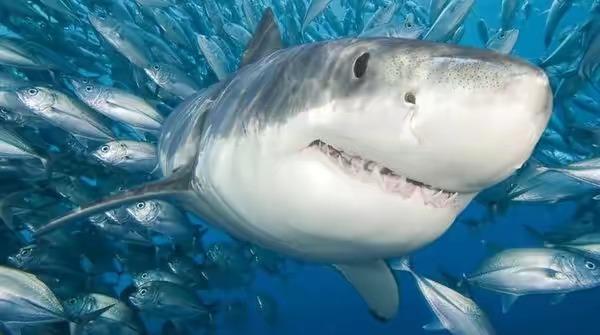
The first stage is the scavenger stage. Blind eels, sharks, and crustaceans swarm to it, consuming the whale's soft tissues. This stage lasts for 4–24 months, depending on the size of the whale. When the scavengers leave, the whale is left with only 10%.
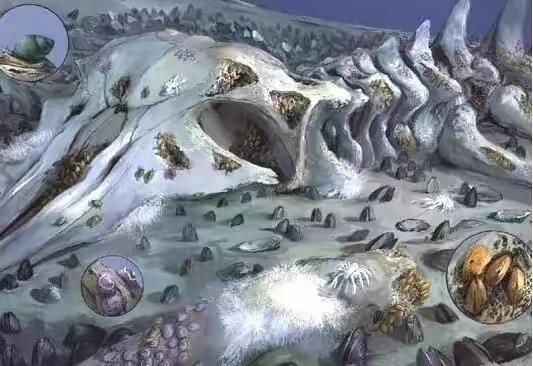
The second stage is the opportunist stage. At this time, only a small amount of soft tissue and a huge whale skeleton remain. Some invertebrates and crustaceans move in to make a home, eating the whale's body while breeding and dwelling until all the flesh is drained. They will leave when they are gone. This stage lasts for two years.
Although this great king is left with only a white skeleton, the whale fall is not over.
Anaerobic bacteria come in groups. This is the chemosynthetic stage, which may seem insignificant because there are only whale bones left. However, this stage is the most important stage.
Anaerobic bacteria enter the whale bones, decomposing them and using the sulfates dissolved in the sea as an oxidizing agent to produce hydrogen sulfide. There is no sunshine in the deep sea, and hydrogen sulfide is the 'sun' of the deep sea. Chemosynthetic bacteria use oxygen dissolved in water to oxidize hydrogen sulfide and obtain energy, thus forming a fragile ecological cycle. If there were no whale fall, there would only be a small amount of hydrogen sulfide to obtain from underwater volcanoes.
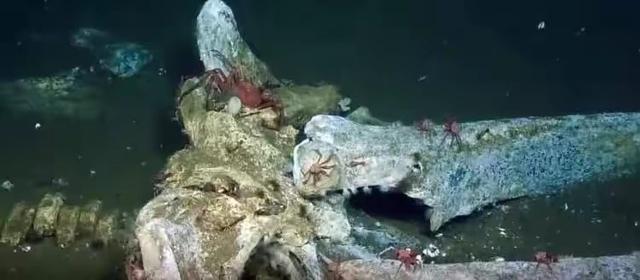
Therefore, whale fall can maintain an ecological cycle. This stage lasts for 50–100 years.
The whale fall continues. The whale's mineral remains will become reef rocks, providing habitat for marine organisms. This is the final stage of whale fall – the reef stage.