Only the size of a sparrow, but the strongest owl in the world
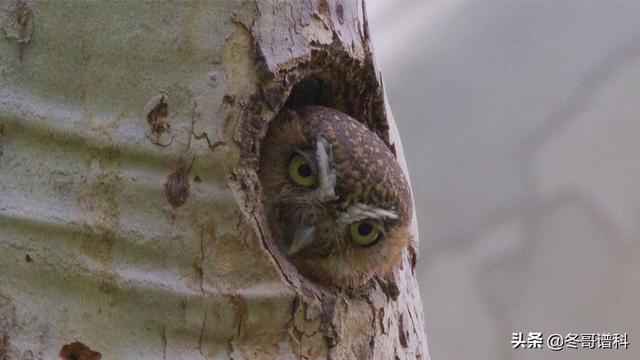
In Arizona's southern Sonoran Desert, you’ll find the massive, iconic saguaro cacti, some towering up to 12 meters tall.
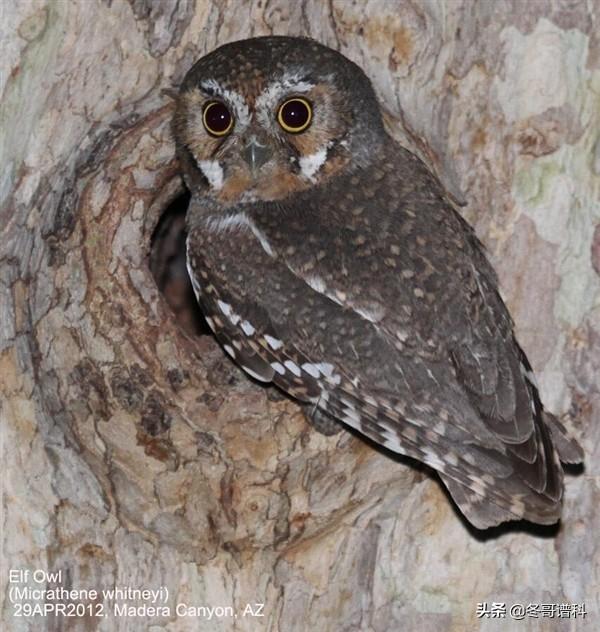
Giant cacti are the high-rise apartment buildings of the world’s smallest pygmy owls; their homes are abandoned woodpecker nests on the cacti.
Pygmy owls nest high up, shielded by the saguaro cacti’s thick walls, keeping the owls and their young relatively safe from predators and extreme temperatures.
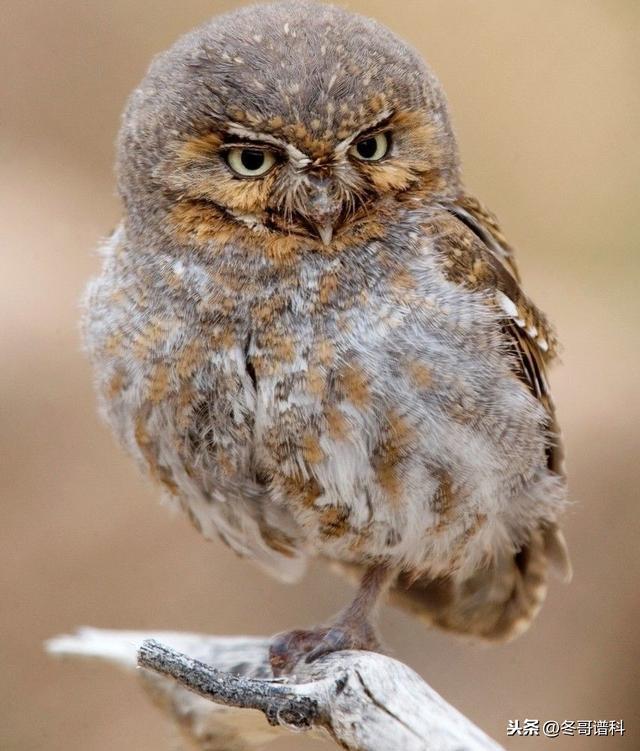
The pygmy owls are about the size of a sparrow, weighing between 0.02 and 0.05 kilograms – smaller than a golf ball.
Their feathers are gray to brown (perfect camouflage for the desert), and they have round, pale yellow eyes, without the ear tufts typical of other owls.
Long legs help them chase prey on the ground; when perched, they look like a miniature cowboy.
If that wasn’t cute enough, their calls sound like a puppy yipping.
Pygmy owls prey on insects and occasionally found scorpions (carefully removing the stings before eating).
They don’t need water in this dry land; pygmy owls get everything they need from their prey.
Like other owls, pygmy owls are silent but deadly.
Air currents passing over the wings create a whooshing sound.
However, the owl’s wing front edge has little protrusion, and the rear edge has a fringe of feathers which disrupts airflow and lowers the sound.
Almost all remaining noise is absorbed by the soft feathers on the wings and legs.
When small animals know something is waiting for them, it’s too late,
In the spring, the female lays one to four eggs, which hatch about three weeks later.
Initially, the male brings food to the female and the chicks, and after a few weeks, the female also searches for food to feed the growing young.
Once the young birds’ feathers are full, when the evenings become cool and it’s difficult to find tasty insects, the pygmy owls fly to Mexico and Central America for the winter.
Pygmy owls prefer to flee rather than fight, but they are known to mob predators like great horned owls.
Several pygmy owls will swoop down on larger owls, and more birds join in, sometimes of different species.
If a predator gets close, pygmy owls have another trick: they play dead until the danger passes.