Why Do Some Animals Have Multiple Mates, While Others Have Few?
Initially, it was monogamous with multiple partners, and later, the emergence of single mating in some species. Monogamy is determined by hormones. In other words, hormones determine the species' loyalty.
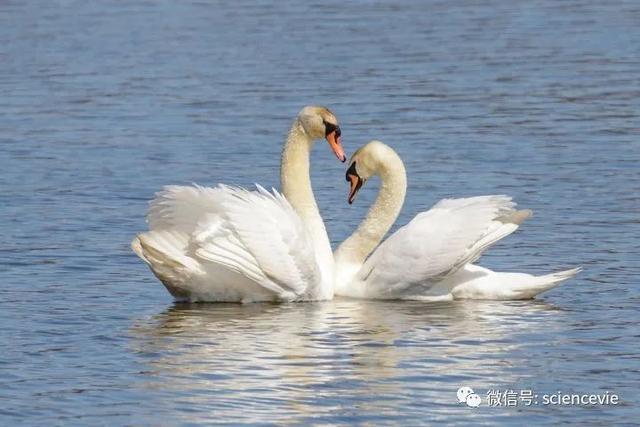
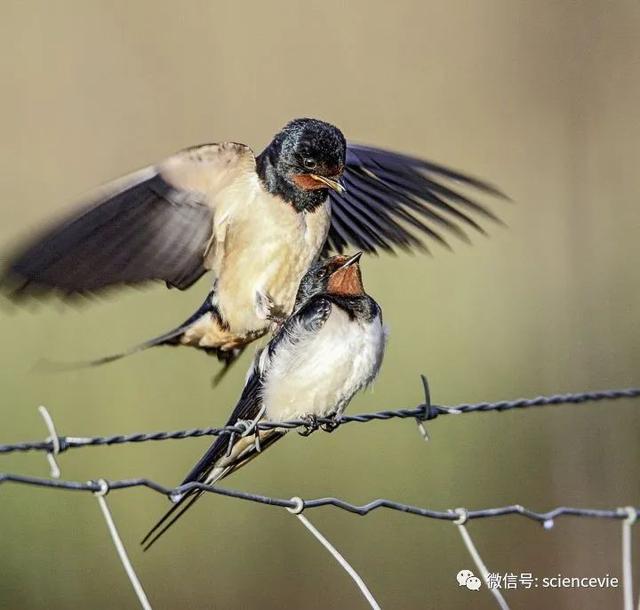
The same goes for starlings. Similarly, puffins are loyal to their partners. Once they mate, they will stay with their partner for life, ignoring all temptations that could disrupt 'marriage.' Is it because they are more faithful than chickens? 'Heartthrobs' male chickens often flirt with more attractive female chickens. 'Faithfulness' may be an explanation, but a research team at the University of Texas at Austin recently confirmed that the driving force of this love is not as romantic as people imagined. The researchers compared the nervous systems of different types of males—single mating or multiple mating—in mice, rats, songbirds, frogs, and fish. They found that species with unwavering fidelity had the same genes activated. 'Our research confirms that a common mechanism underlies monogamous mating in vertebrates.' The researchers were able to isolate 24 genes involved in nervous system development, learning, and memory. The expression of these genes was unique to species with monogamous mating habits.
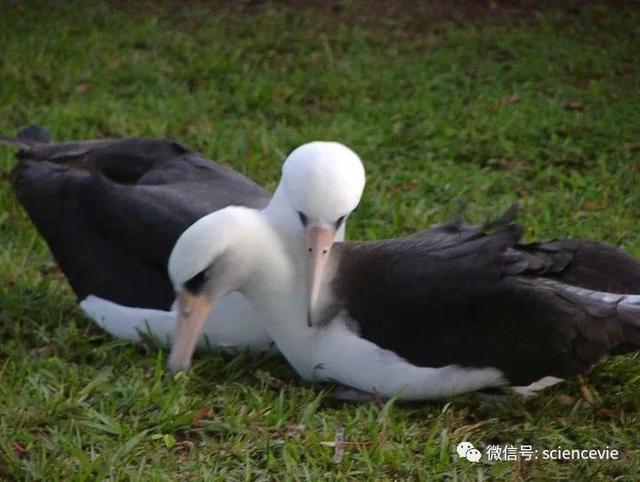
starling
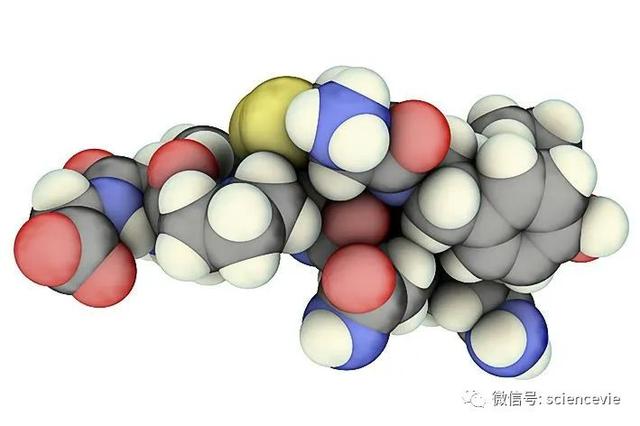
It turns out that hormones, specifically oxytocin and vasopressin, are responsible for the fidelity of puffins compared to chickens. The former is common in pregnant women, which triggers uterine contractions and milk production during childbirth; the latter increases the kidneys' ability to absorb water—if lacking this hormone, people will excrete 10 to 12 liters of urine per day. These two hormones are released from nerve endings in the hypothalamus and affect an animal's attitude towards love.
rat
We discovered that hormones controlled 'love' in animals, affecting males with vasopressin and females with oxytocin.
oxytocin
This brain area is deeply involved in the 'reward circuit' and addiction mechanisms. Larry Young also confirmed this: enhancing vasopressin receptors in multiple mating species makes them more faithful to 'love.' Conversely, as long as these receptors are blocked, even the most passionate female animals will become 'heartthrobs,' constantly chasing new targets.
vasopressin
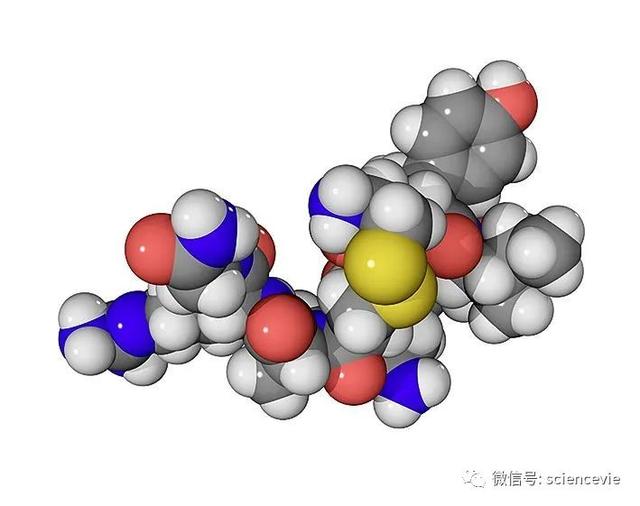
This hormone allows males to defend their territories and drive out all intruders. 'This hormone creates an attachment for males to the location where their partner is mated.' Vasopressin receptors are activated in the septum and the white matter, playing a core role in forming stable partner relationships: only in multiple mating rats, enhancing the expression of these receptors can make them faithful to 'love'.
irrelevant species
The question is how monogamy is accepted by natural selection among species?
Throughout the animal kingdom, monogamy is a minority because animals first evolved in a multiple mating pattern. 'The male's purpose is to allow as many females as possible to get pregnant. Especially mammals, the effort of females is the least, the male's is the least. 'French Institute for Evolutionary Science (ISEM) Michel Raymond stated.
seal
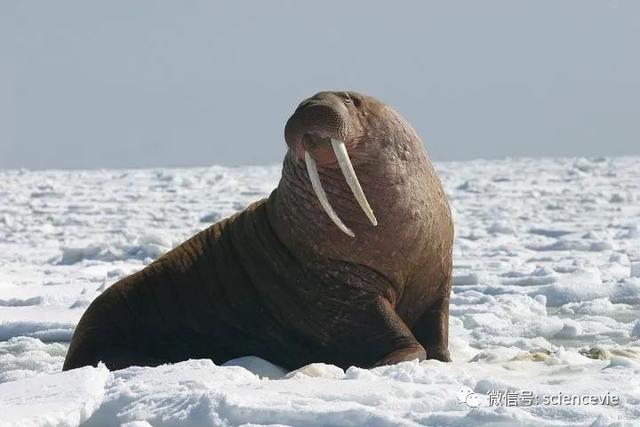
This gender asymmetry is obvious, multiple mating often exists in males and females with large differences in morphology—such as seals, female seals appear insignificant in front of the dominant male seals, who control reproduction and ensure control of the 'brood.'
Yes, that's true, but monogamy also has advantages. Birds will protect and incubate eggs for several weeks, and the baby bird's 'father' will help at the same time, which provides a decisive advantage for the survival of the baby bird. 'Monogamy is often accompanied by father's care,' Michel Raymond pointed out.
Although birds are mostly monogamous, they 'cheat' a lot. This allows them to enjoy the advantages of monogamy and reduce genetic risks, avoiding 'putting all eggs in one basket.'
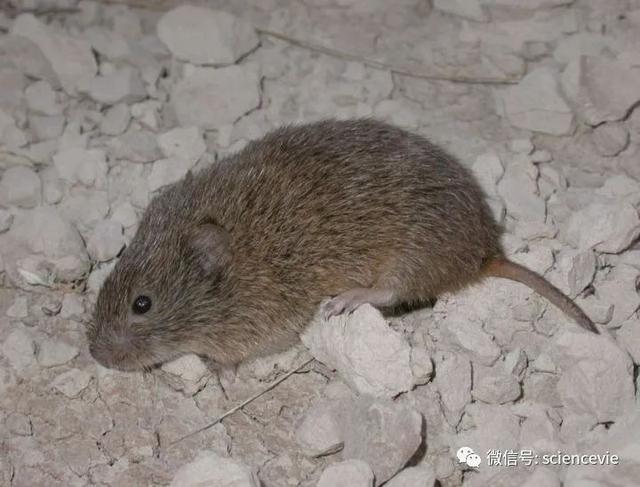
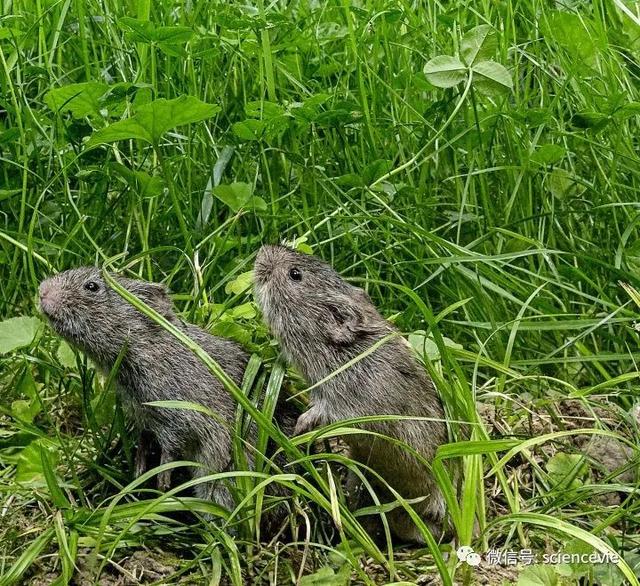
For species with extremely low population densities such as the orange-belly prairie rat, it is difficult to encounter partners. 'Therefore, when a male encounters a female partner, he will stick to it.' Jacques Balthazart summarized. The male prevents other competitors from approaching his 'lover' so that the female can get pregnant after recovering her reproductive ability.
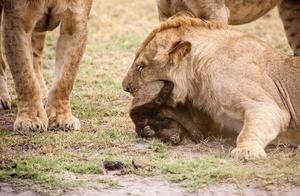
primates, 'The emergence of monogamy is more likely due to infanticide in male primates.' In 2013, a team of humanologists led by Christopher Opie at University College London concluded this. In a group of primates where males may kill non-biological offspring, monogamy can increase the survival rate of offspring.
to distinguish social monogamy from sexual relationship monogamy, the former has stable partner relationship and the latter's real situation—no matter which species or human—currently difficult to verify.
Emmanuel Monnier wrote
Tang Tianqian translated
“”·“”“”“‘’”
————
Emmanuel Monnier