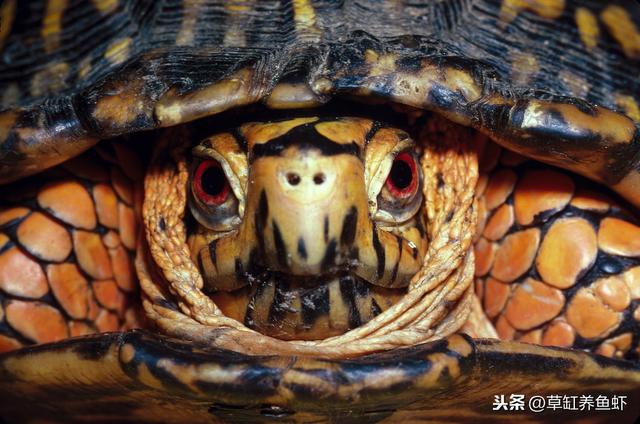
Using Green Water or Mud Water for Turtle Keeping? Simulate Natural Turtle Keeping, and You Can Also Keep Turtles Well
Illustration / Aquarium Fish and Shrimp ® Original ✍ Prohibited from Reprinting ✖
Content exceeds 2200 words, reading time about 5 minutes✔
✌Fish lovers, thank you for reading, more experience in raising grass, fish and shrimp will be in the following, please follow me✌
PrefaceFor turtle keepers, keeping turtles is essentially creating an environment.If a high-quality small ecosystem is created, then keeping turtles basically doesn’t need to worry about it, and can avoid a lot of trouble such as changing water, filtering, water pump, filter material, filter box, and temperature control, so there is a way to completely let go of these complicated things and easily keep turtles?Easy Turtle Keeping Methods:
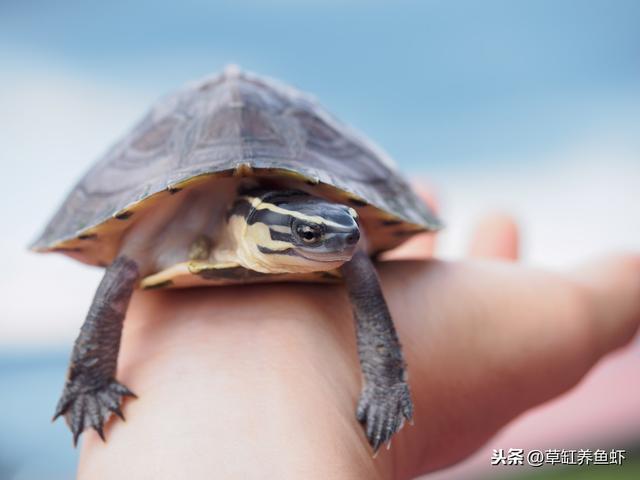
The answer is yes. Among the many turtle keeping methods, there are two very worry-free feeding methods that can basically solve our troubles,
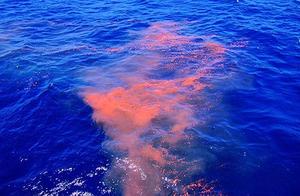
One is green water breeding, and the other is mud water breeding.Both methods have the same point that they can operate an ecosystem in the water body to decompose and purify the waste and harmful substances produced by the turtles.Green Water Breeding Green water breeding is to breed turtles in green algae water.
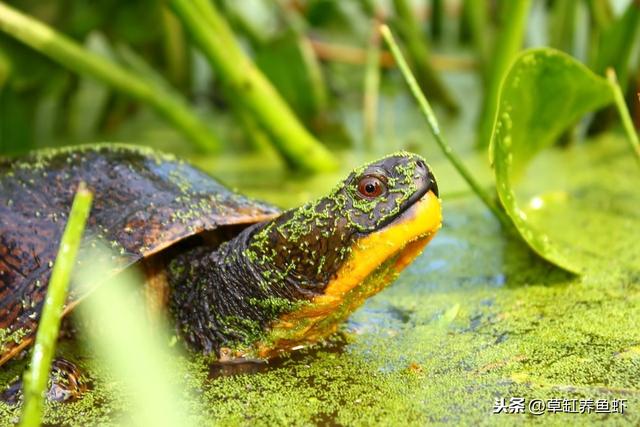
Specifically, green water is the water that has been directly exposed to the sun and produced green algae. Green algae can purify the water and provide security to the turtles. However, the disadvantage is that it is not easy to control the degree of greenness, and it is easy to become ‘green bean soup’, which is difficult to appreciate the turtles themselves.Mud Water Breeding Is not to breed turtles in mud water, but to breed turtles in mud with a bottom layer.
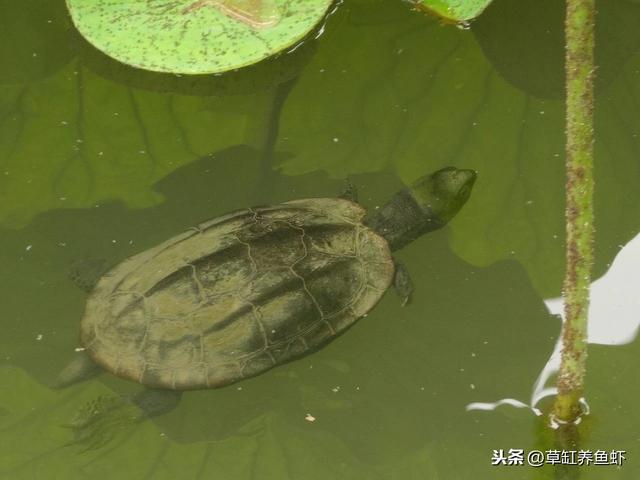
This method can be considered as an upgraded version of green water breeding, which is both ornamental and worry-free. Mud water breeding works in a similar way to green water breeding, also using plants to purify the water. However, it is important to note that mud water breeding does not mean murky water, mud water breeding still maintains clear and bright water. When making it, we need to let the mud settle at the bottom and fix it with the roots of submerged plants, so that it can create a beautiful ecosystem for our appreciation and also make the turtles' lives more natural and closer to the original life environment of turtles.Key point: Mud water breeding has many advantages.
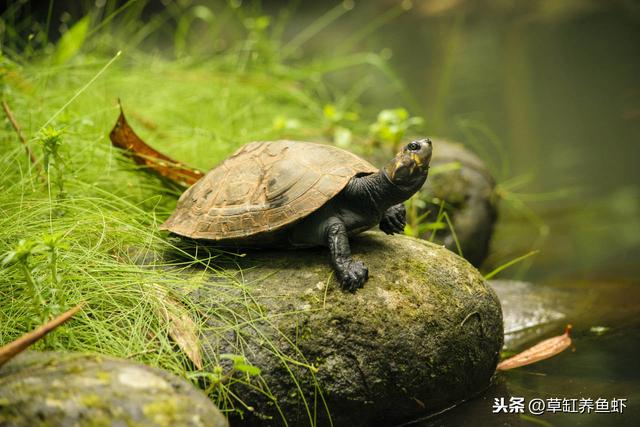
1. With the planting of mud, it can provide turtles with more security and hiding places, making turtles’ lives more natural.
2. Mud water breeding can make hibernation easier.In the past, we may have used moss hibernation, soil hibernation, hibernation, coconut husk hibernation, etc., but in mud water breeding environment, we can directly use mud water hibernation.
3. Mud water breeding can greatly increase the turtle's safety factor, making the turtles healthier.Because mud can prevent and treat skin rot and carapace rot, most mud contains streptomycin, which can benefit the turtles. Turtles' skin rot and carapace rot are often caused by unstable water quality and poor water quality, while mud water breeding can effectively avoid these problems. Turtles' diseases are also partially due to large temperature differences in water, which can easily cause water temperature changes in shallow water or clear water, so mud has a buffering effect.4. Mud water breeding can make the turnover period of the tank longer, and it can avoid the trouble of changing water, and the filter and other tools can also remove, making the entire ecosystem more natural.
5. For many turtle species, because they live in mud, they are more likely to form water rust on their shells, which can form a rustic color on the shell.For turtle keepers who pursue water rust, mud water breeding is also a good choice.Mud water breeding practice can be divided into 5 steps.
One: Mud mixing (settling).First, we use good-quality pond mud, and we don’t choose mud from our community or anywhere we dig, because the mud we dig is uncertain to spray pesticides or contains harmful substances, and it is difficult to treat, which is not conducive to processing. You can buy mud from the market. After buying mud, mix it with water in the tank. The size of the tank can be chosen at will, and it is best to choose a larger one, because a large tank can create a better ecosystem. When mixing, use a net to scoop out the floating foam and debris in the water. After mixing in the mud, let
The best thickness of mud to fill the bottom of the tank is five centimeterssettle. The settling time of one to two days can be, let the mud settle.
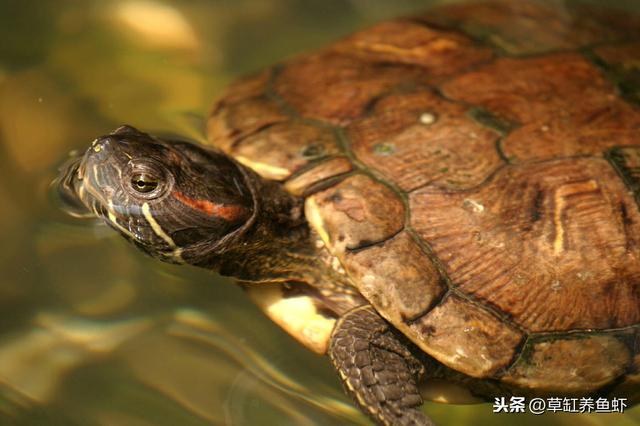
Two: Plant planting (survival).
After settling, we can plant plants. The range of plants we can plant is broad, we
commonly used non-toxic submerged plants such as water bamboo, money tree, hibiscus, mermaid tail algae, reed grassplanting, pay attention to the action don't be too big. After planting plants, we can also release water hyacinth, lotus, water gourd etc., to further purify the water. After planting all the plants, don't immediately put the turtles in, and don't put fish and shrimp in to avoid disrupting the ecosystem. Because at this time the ecosystem is very fragile, and the water quality is unstable, so if fish and shrimp appear, if one or two die, the entire turtle tank ecosystem may collapse. So Irecommend settling for two weeks or more, let the tank plants receive light, promote root growth, and establish an ecosystem.
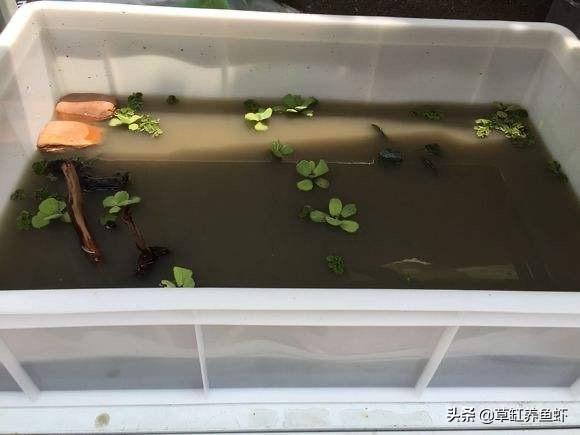
Three: Stabilize the environment (stone).
After completing the planting of mud, how to judge whether the tank is stable? We canlightly shake the turtle tank or stir, if the water inside does not become very murky, thenon this basis, how to ensure the clarity of the water?Two methods are more suitable:One is to buy a small mesh toseparate the mud and water.
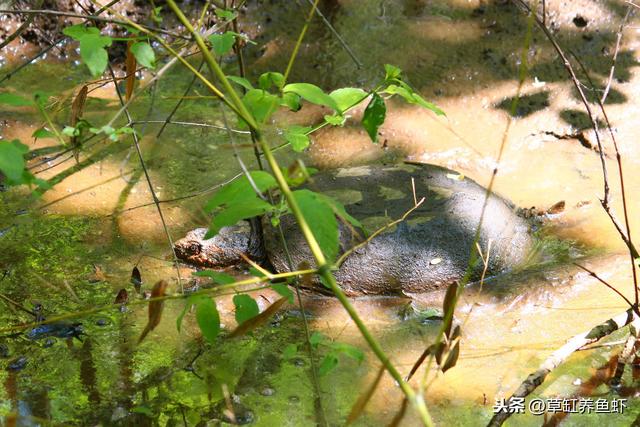
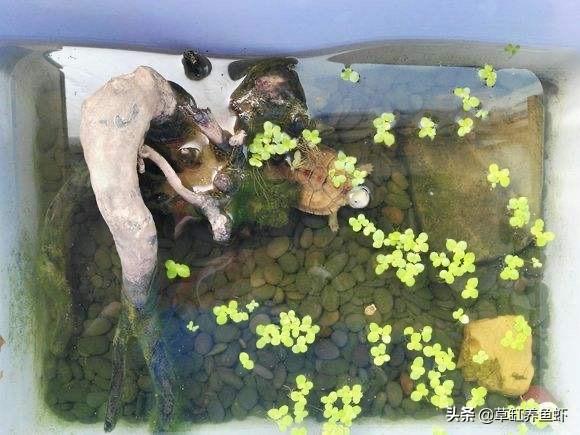
This can ensure the clarity of the water, but it is not very beautiful. The other method is to lay a layer of pebbles, and then lay a layer of flower stone or other landscape stone, which is more close to nature, of course, it will take up more space in the tank.
Four: Fish and shrimp cycle (exploration).Of course, before putting turtles in, we can put some fish and shrimp in to cycle.At this time, we should pay attention to, the number of cycle fish and shrimp 2-3, don't too much, observe whether there are any abnormalities, strictly follow the above method, cycle fish and shrimp will not have any problems. Irecommend cycling fish and shrimp for 2-3 weeks, let the tank establish an ecosystem, and then cycle for 2-3 weeks to completely establish the ecosystem before introducing turtles.Five: Turtle introduction (implementation).Finally, we can introduce the turtles and observe them carefully for 1-2 days. If the environment is stable, then this mud water tank can be used for a long time.
2~3
1~2
:
- 1.
- 2.