Six-Horn Dragon: A Critically Endangered Species
Some creatures seem numerous, but in reality, they are nearing collapse. Like the demise of the six-horn dragon, we can only temporarily quench our thirst, but it cannot change the course of life. Among the many life forms created by nature, the six-horn dragon is disappearing.
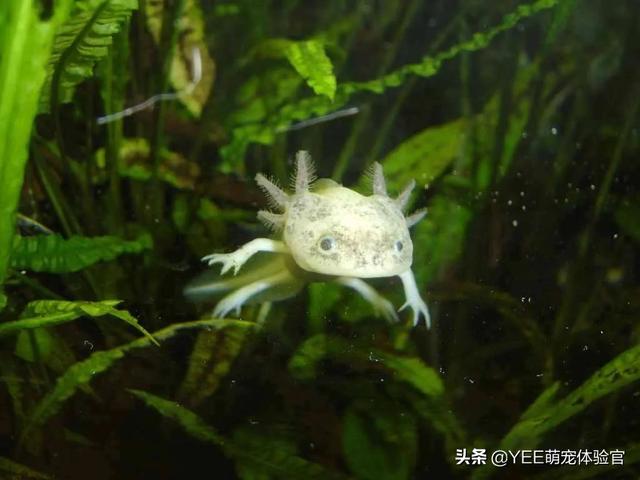
Image source Flickr
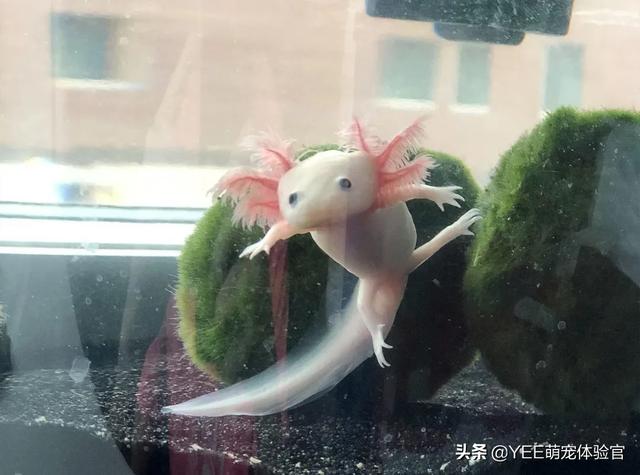
The scientific name of the six-horn dragon is Mexican Axolotl, a critically endangered species in Mexico. This small creature has very few individuals in the wild, and a considerable number in human society.
The six-horn dragon was first published at an indiscernible time, but in the historical stage, there is a strange legend that constantly reminds people that this creature is different.
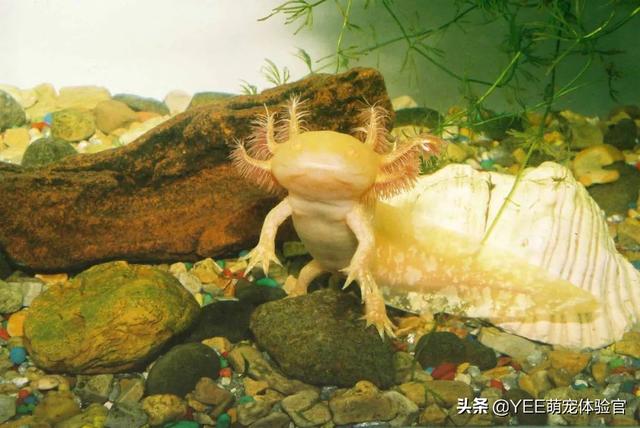
Image source Flickr Photography Wheel Cosmic
The legend says that in ancient times, there was a pair of twin gods, the serpent god who ensured the sunrise, and the Shuloteel who guarded the sun as it passed through hell. At that time, the gods decided to sacrifice themselves to create new suns, and Shuloteel did not want to die, trying to evade the pursuit of other gods by changing into corn and agave. He failed in both attempts. Later, he turned into a salamander in the water, resulting in two versions: captured and killed, and the other survived as a solitary god.
Regardless of his ending, the six-horn dragon became the incarnation of Shuloteel. And over a long period, this creature's numbers increased dramatically, surviving for a considerable time in its homeland.
Image source bioorbis
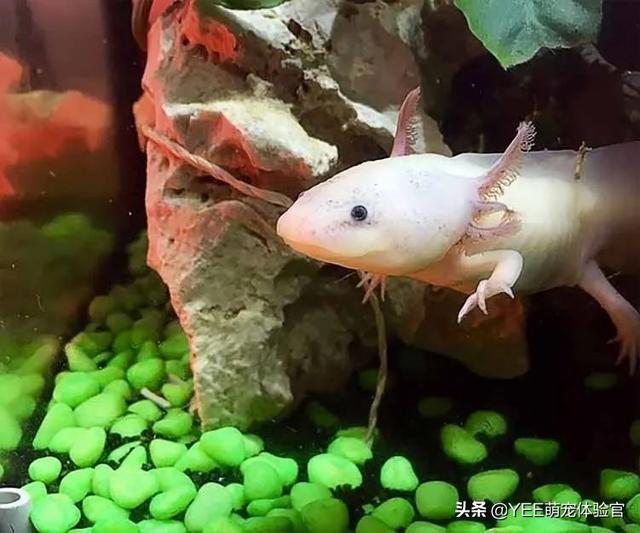
The decline of the six-horn dragon is a result of civilizational development. At that time, a group of colonists came here and discovered these cute little creatures, and they frantically fished them. In addition, industrial development affected the local ecosystem, and the large number of six-horn dragons declined rapidly.
In 1998, the number of six-horn dragons in their native land was approximately 6000 per square kilometer, and in 2008 it was 100, and in 2017 it was 35. And looking at the entire homeland, people observed only a few hundred wild six-horn dragons, which is about one-ninth of the number of wild giant pandas.
Image source boredpanda
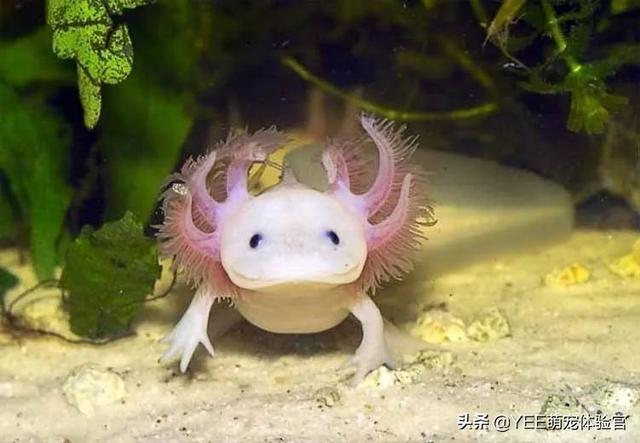
Although the wild six-horn dragon is on the verge of extinction, it is still active in our lives in another form.
The six-horn dragon is a salamander, but it cannot spend long periods crawling on land. This creature's evolutionary rate is slower than other species, and it still needs to absorb oxygen through gills, and its lung function is very weak, so six-horn dragon enthusiasts will prepare spacious aquariums for them.
Image source quemas
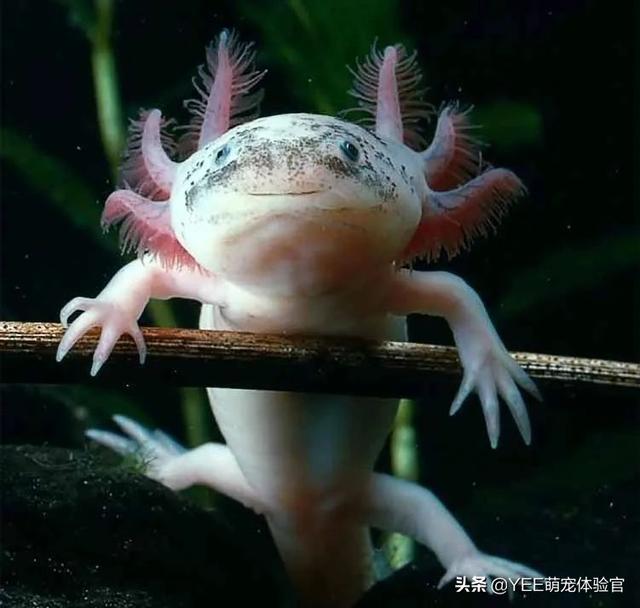
The six-horn dragon looks cute and always has a slight smile, with its mouth open like a yawn, which is a relatively attractive feature. However, this is not the main reason for its widespread dissemination.
The six-horn dragon has a super-regenerative ability. If a part of the body suddenly disappears, the other parts of the body will directly intervene. These cells have super-regenerative and memory capabilities, and the new part can be the same as the previous form. This regenerative ability has attracted the attention of scientists, so the six-horn dragon is used as an experimental subject and bred in large numbers.
Meanwhile, people also began to try to exploit the food value of the six-horn dragon. Japanese people were the first to develop several related dishes, and some stores are now serving this novel food.
Image source redd
Despite the massive efforts to save the six-horn dragon in human society, the number of individuals in the wild continues to decline. Some people suggest breeding a large number of six-horn dragons and releasing them into the wild to boost population numbers.
However, after a long period of artificial breeding and close-breeding, the six-horn dragon's regenerative ability and antiviral ability have declined significantly, losing its previous advantages. Now, what remains of the six-horn dragon, and how can we save this creature's natural development?
Image source gizmodo
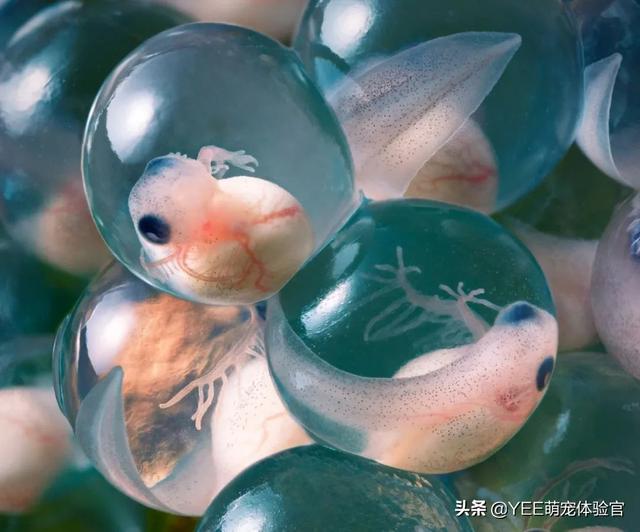
Every creature's proliferation follows a certain rule, and we influence this rule, changing the laws of nature, accelerating the extinction of some creatures.
From a natural perspective, it is undoubtedly destructive. But from a human perspective, is it endless destruction or breaking and then rebuilding? This is a topic with no conclusion.
The article was originally created by YEE Cute Pet Experience Officer. Unauthorized, no reprints.
YEE