Can Dogs Lose Their Owners? Don't Underestimate Owners - Humans Can Recognize Dogs Through Smell
It's a very sad thing when a dog goes missing, and some owners are curious whether dogs can recognize us through scent. Conversely, can we also recognize them through scent? As we know, dogs have extraordinary noses and recognition abilities, which are far superior to those of humans. However, humans are not entirely without this ability. A dog's sense of smell is 1000 times stronger than a human's, and they use scent information extensively in their daily lives. Humans, in contrast, have much lower sensitivity in their noses, and scent information is often recorded subconsciously. In some cases, particularly when our attention is focused on scent and we are required to identify it, humans can indeed have a degree of accuracy in identifying biological scents.
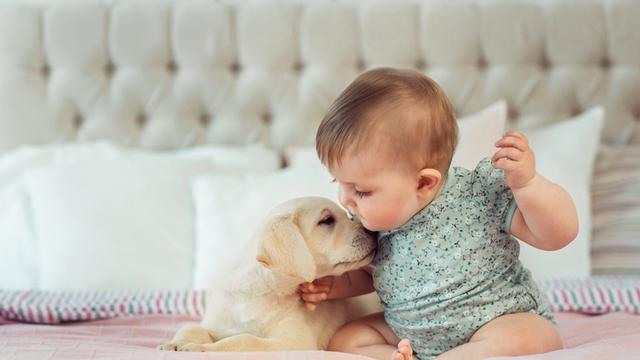
The evidence for this comes from experiments that tend to use certain methods. One experiment is particularly convincing: ask one person to wear a T-shirt for two days, then seal the shirt in a plastic bag. Then, have the person sniff the scent in the bag. We found that postpartum human mothers could accurately identify their newborns solely through scent, and both mothers and fathers could correctly distinguish the scent associated with their children. Women (seem to be better at this than men) could also roughly categorize the age of strangers based on scent, classifying them as infants, toddlers, adults, and elderly.
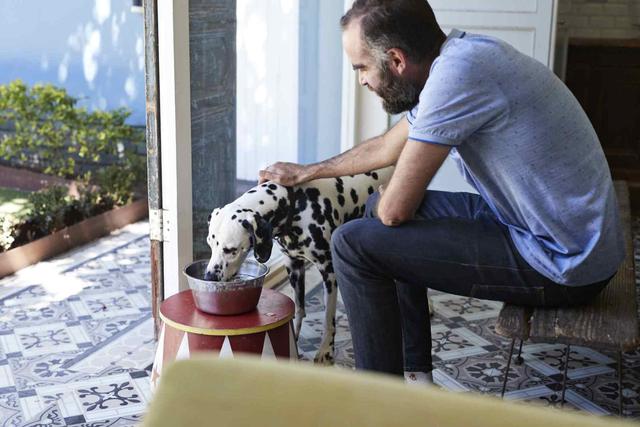
After this study, people started to extend the conclusions to dogs, using similar experiments to verify whether humans can recognize their dogs through scent.
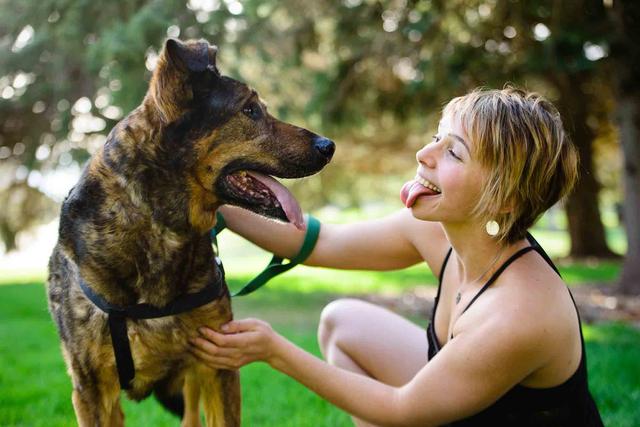
In one experiment, the dog's scent did not come from clothing, but from the blanket it frequently slept on. The blanket was placed on the dog's bed for three nights without being touched by other bedding, and the dog did not sleep in the same room as the owner. Then, twenty-six dog owners were asked to sniff the blankets, including those used by their own dogs and those used by unfamiliar dogs. The unfamiliar dogs were similar in breed and gender to the owners' dogs, and their ages were no more than 18 months. During the experiment, the dog owners were required to wear blindfolds. Finally, they were asked to answer three questions: 'Which scent is the strongest?' 'Which scent is most pleasant?' 'Which blanket smells like your dog?' The results were clear: most participants (88.5%) could identify the scent of their own dogs.
Researchers were also concerned that participants were identifying the scent of the dogs, rather than their own scents. To control this, they conducted a second experiment, hanging a blanket in the dog's sleeping area without allowing the dog to touch it. When tested in the same way, the blanket with the owner's scent was compared to a new blanket, and in this case, the owners could not accurately distinguish which scent belonged to their own home.
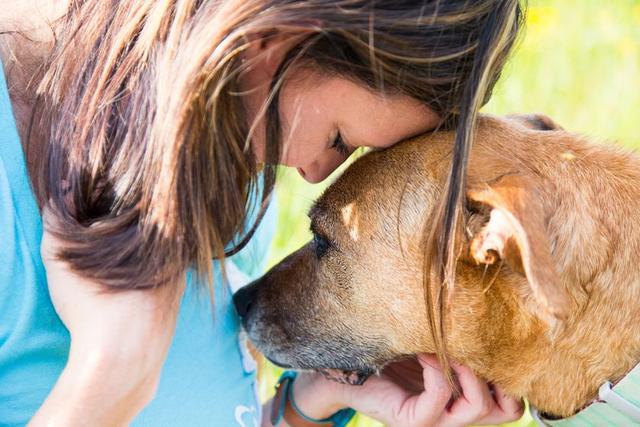
Researchers summarized the findings: 'Daily contact with a dog may cause owners to unconsciously memorize its scent. Interestingly, many participants were initially skeptical of their ability to accurately identify their own dog's scent. However, the results showed that owners were more familiar with their pets' scents than they had imagined.'
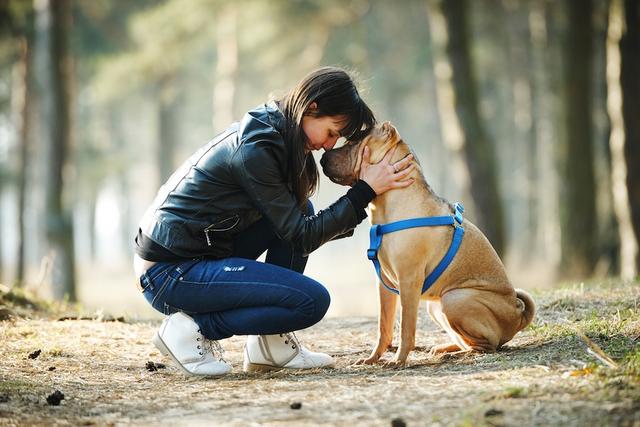
This research seems to bring a sense of comfort to dogs, and owners can also recognize their own dogs through scent, rather than just one-sidedly possessing this ability.