Western Media Highlights Five Secrets of Bats: A ‘Natural Virus Reservoir’
Knews
2020-02-05 11:04
Recently, the Spanish 'El País' website published an article introducing the 'Five Secrets' of bats. The article pointed out that despite the bats' negative reputation as 'natural virus reservoirs,' it should not affect human efforts to protect this species and its habitats.
From bat species with a body length less than 4 cm and a weight of only 2 grams, to those with a wingspan exceeding 1.5 meters and a weight of up to 1.2 kilograms, such as the fox-faced bats, there are currently known 1200 species of bats worldwide. Besides Antarctica, bats are found almost everywhere in the world and have a significant impact on ecosystems and human life.
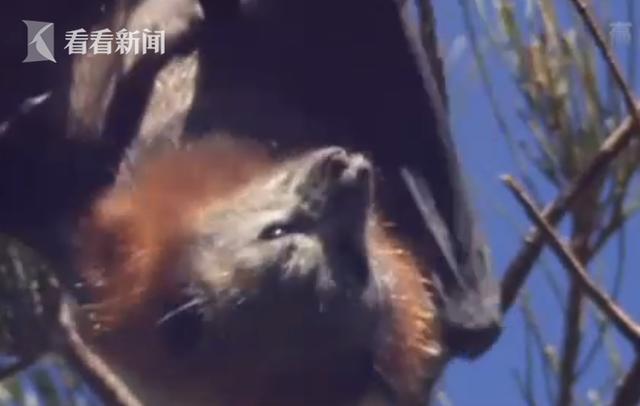
People should understand the 'Five Secrets' of bats,
First, bat limbs and human limbs have similar skeletal features. The main difference is that the bones of the bat's forelimbs are very long, and the forelimbs have wing membranes.
Second, bats can emit ultrasonic waves that humans cannot hear, which they use to orient themselves during flight and hunting. Different species emit different 'accents' of sound waves.
Third, scientists often refer to the blood-drinking round-headed leaf bats as vampire bats. These bats live in South America and typically feed on the blood of cattle, horses, and pigs, usually attacking during livestock sleep.
Fourth, many bat species eat mosquitoes. Research has shown that some bats in urban areas can capture up to 1200 mosquitoes per bat per hour.
Bat droppings are one of the best types of manure, and many fruit-eating bats help to spread plant seeds.
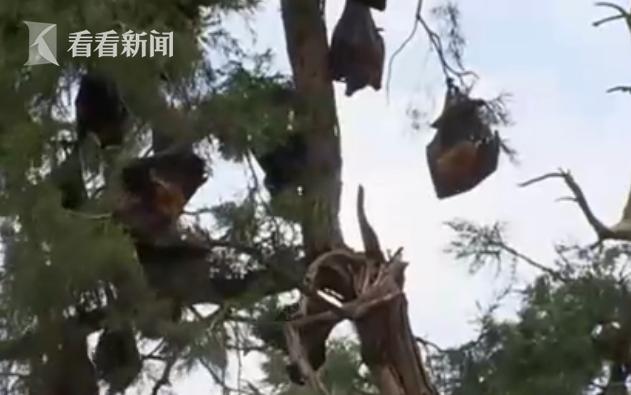
Certain bat species carry multiple viruses, but they themselves do not suffer from these pathogens that cause diseases in other animals, such as rabies.
Therefore, experts point out that bats are 'natural virus reservoirs' carrying various pathogens.