Cleaner Fish Family Suffering from a Disease: Treatment of Peppercorn Disease and Differentiation from White Spot Disease
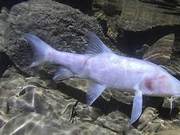
White spot disease is something that everyone should be familiar with, but when it comes to peppercorn disease, many atypical fish players will turn pale. Yes, peppercorn disease is a high-incidence disease for atypical fish, it's a hurdle that atypical fish players can't escape from or avoid. The number of disease cases is still relatively small, but once it occurs, if not treated in a timely manner, the fish may quickly disappear. Today's article mainly focuses on the identification, characteristics, and treatment methods of peppercorn disease, hoping to help everyone who plays atypical fish.
Peppercorn disease or white spot disease? Twins that are indistinguishable?
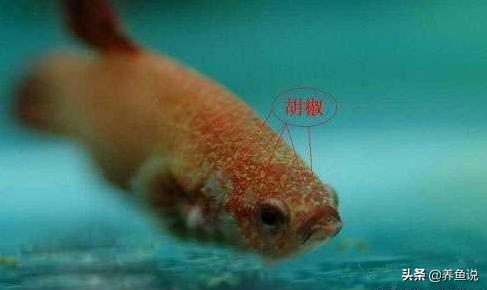
When white spot disease occurs, fish usually appear with white spots starting from the tail. The cause of white spot disease is small algae making a move. White spots are easily treated, but peppercorn disease is not necessarily. Let's first talk about how to distinguish peppercorn disease and white spot disease. When peppercorn disease occurs, there are many yellow spots on the fish's body, which is the biggest characteristic. But not all peppercorn disease looks like yellow spots, some may be white spots. You might mistakenly think it's white spot disease, but this disease has other characteristics.
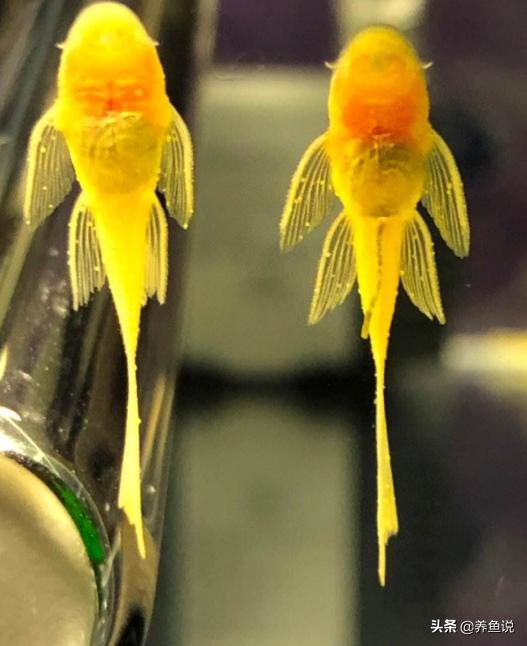
Peppercorn disease does not appear from the fish's tail, but directly from the body, without any pattern, densely and sparsely, highly contagious, and other fish in the same tank will have slight symptoms. The fish with the disease will appear with loss of appetite, emaciation, lying on the bottom, and lack of activity. Judging from these three aspects, if they are all affected, peppercorn disease is certain. Summarize the characteristics of peppercorn disease: rapid onset, strong contagious ability, yellow or white small spots on the body, loss of appetite, poor spirit, like to lie on the bottom, and not to compete for food. If not treated for a long time, the fish body will multiply in large numbers on the fish's surface, causing surface inflammation and ulceration.
The cause of peppercorn disease is half due to the new fish not being recommended, bringing pathogens into the tank. The pathogens cannot multiply in large numbers in poor environments, and after entering the fish tank, they multiply in large numbers under suitable conditions, so it is recommended that fish friends, if they are wild imported fish, it is best to quarantine, reduce the risk of entering the tank. Peppercorn disease protozoa often does not cause harm to the fish for the first three days, but after three days, they will multiply into a large number of parasites, at this time the harm is very strong! Therefore, peppercorn disease must be discovered and treated early, don't miss the treatment golden period.
How to treat it?
Peppercorn disease is very contagious! It needs to be treated throughout the tank, not vague! You can use ‘Quick Point 300’ or ‘Most2000’, according to the instructions for use, quickly add the medicine to the whole tank, and adjust the heater, increase the temperature by two degrees. It usually takes about two weeks to take effect. However, the premise is that it must be discovered and treated early, don't wait until the disease is very serious before treating, the success rate of treatment is generally not large.
If you don’t have these two drugs at home or the fish has already been infected when you haven’t bought them, don’t worry, you can use baking soda 300ppm to enter the tank to slow down the onset of the disease. But you can't completely cure peppercorn disease with baking soda 300ppm. At the same time, you can also put some streptomycins into the fish tank to strengthen the fish's physique, give yourself some time.
It is recommended that atypical fish players keep some drugs for treating peppercorn disease at home, don’t have any (optimistic thoughts).
Here is Fish Talk, if you also like to raise ornamental fish, don’t hesitate to click to follow, everything you need to know about raising fish is here.