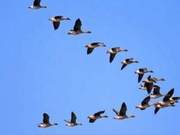
Squirrel Encyclopedia | Which Squirrels Do You Know?
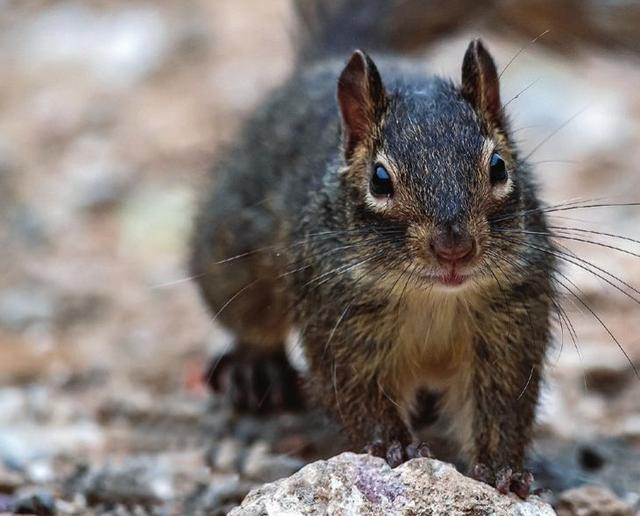
Species name: Stone Squirrel
Shot by: Xu Yongchun
Shooting location: Beijing Mentougou
Stone squirrels are a Chinese endemic species, often inhabiting rocky terrain, hills and ridges, they have strong climbing ability, and like to eat oily fruits. Compared to most squirrels, stone squirrels have a higher IQ, and they are very cautious and will not approach people. Instead, they use 'cuteness' to beg humans for food.
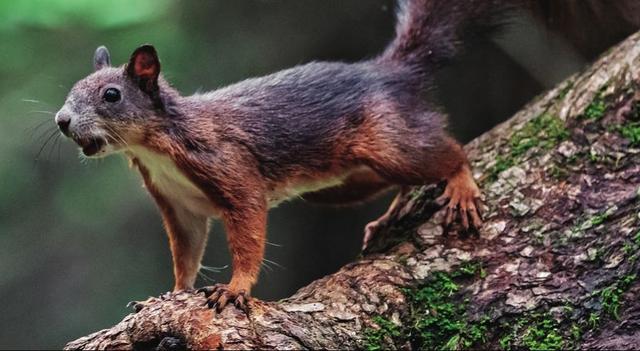
Species name: North Squirrel
Shot by: Xie Jianguo
Shooting location: Heilongjiang Yichun
North squirrels usually nest on trees, are good at jumping, eat mushrooms, young shoots and wild fruits, the color of their fur varies with the seasons, they are agile and lively, with excellent vision and hearing, and are very alert to human activity.
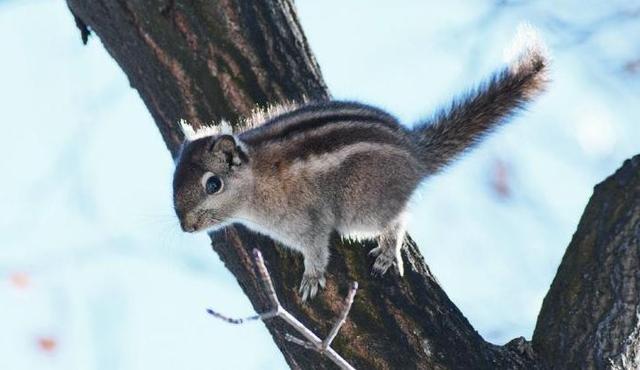
Species name: Hidden-stripe Squirrel
Shot by: CFCA Mouse Alliance
Shooting location: Shanxi
Hidden-stripe squirrels have seven vertical stripes on their back, from the central back to the sides are black, brown-brown, brown-yellow and white, the outermost stripes are not obvious. Hidden-stripe squirrels are tree-dwelling but often move on the ground, usually most active in the morning or evening, often alone or in groups of three or five, also running in groups on trees, the activity range is small, often appear in orchards or vegetable gardens.
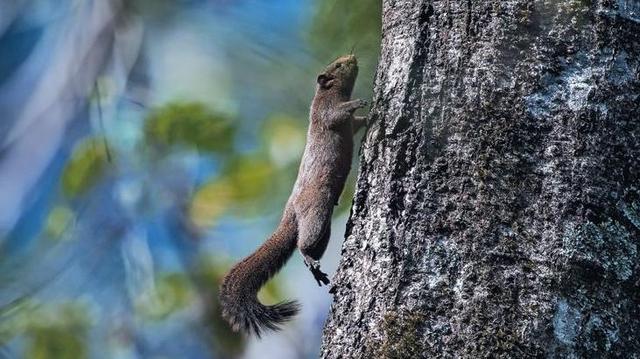
Species name: Red-bellied Squirrel
Shot by: Zhao Jianying
Shooting location: Yunnan Baoshan
Red-bellied squirrels usually nest in the canopy or tree holes of tall trees at an altitude of 1000-3000 meters, often feeding on young branches, leaves, fruits and insects, they also eat bird eggs and chicks, insects and other animals.
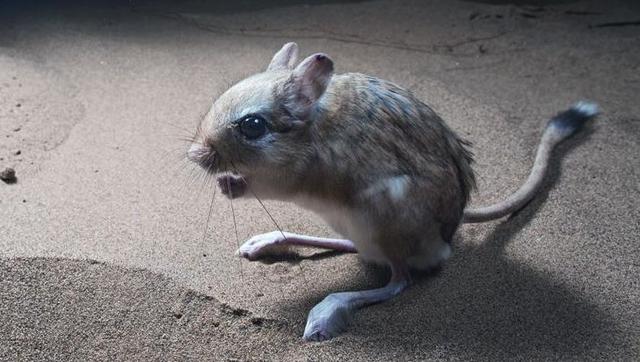
Species name: Three-toed Jerboa
Shot by: Huang Shenghong
Shooting location: Xinjiang Changji
Three-toed jerboas mostly inhabit high and dry terrain, with sparse vegetation and sandy soil with shrubs, they are active at night, three-toed jerboas eat plant stems, fruits and roots, and some insects, they don't need to drink water from their food, which contains sufficient moisture, Three-toed jerboa's activity range is relative stable, follow seasonal changes, it has migration habits for food gathering.
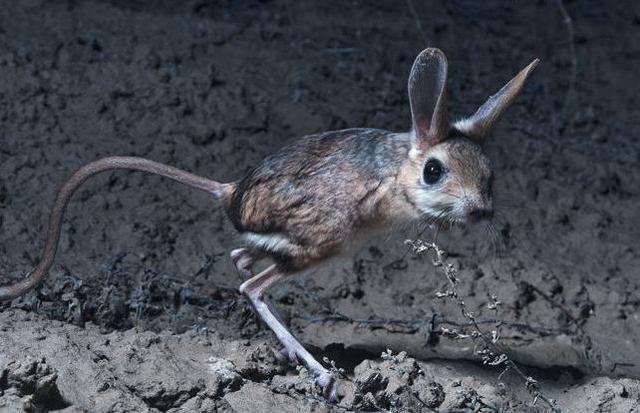
Species name: Five-toed Jerboa
Shot by: Huang Shenghong
Shooting location: Xinjiang Changji
Five-toed jerboas mainly live in desert and semi-desert areas, it is distributed only in the north of Xinjiang, they are highly adaptable. Living in harsh environments, the diet of five-toed jerboas is also quite diverse, mainly plant-based, in early spring, the main food is seeds, after summer, it mainly eats wild green plants, sometimes it also steals seedlings and vegetables from cultivated land, or steals from pigsties,
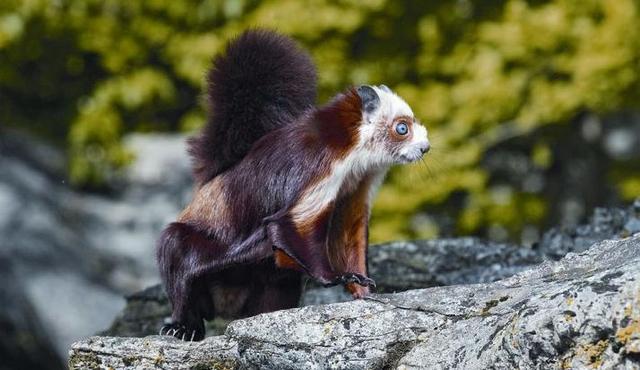
Species name: Red-tailed Squirrel
Shot by: Feng Jiang
Shooting location: Hubei Shiyan
Red-tailed squirrels usually live in evergreen broadleaf forests, mixed coniferous-broadleaf forests and dark coniferous forests at an altitude of 1000-3000 meters, often nest in the canopy or tree holes of tall trees, they have strong gliding ability. Red-tailed squirrels mainly eat young branches, leaves, fruits and insects, they also eat insects and bird eggs.
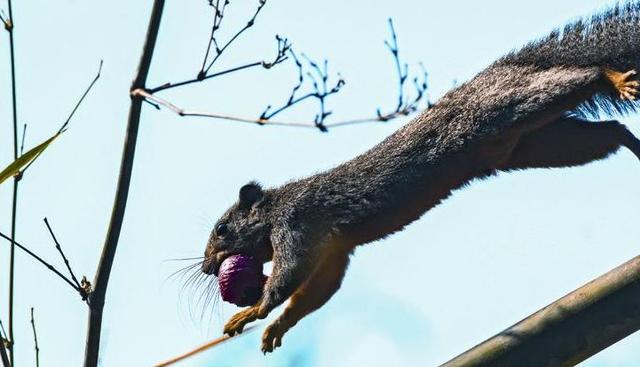
Species name: Yellow-footed Squirrel
Shot by: Xu Yongchun
Shooting location: Yunnan Yinyang
Yellow-footed squirrels are tree-dwelling, only distributed in the western Yunnan Yinyang area, the distribution area is narrow, the fur is bright and rare, usually live in tropical rainforests and coniferous-broadleaf mixed forests at an altitude of 260-300 meters, they feed on various flowers, leaves, fruits and other animals.
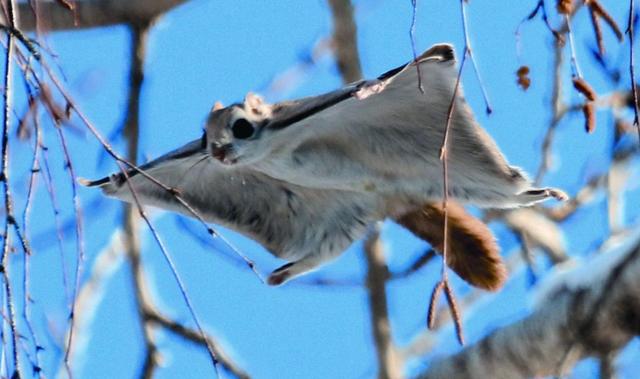
Species name: Flying Squirrel
Shot by: Qian Yi
Shooting location: Xinjiang Altay
Flying squirrels often nest in tree holes, usually alternate occupying multiple nests, often climb on trees or glide between branches, eating (long pine nuts), berries, young shoots of branches, and occasionally eat bird eggs, chicks, and insects. Flying squirrels don't have hibernation habits, they are typical nocturnal animals, when gliding, the tail is flat, the four limbs are extended, the skin wings are spread, they float downward, and can reach 50 meters.
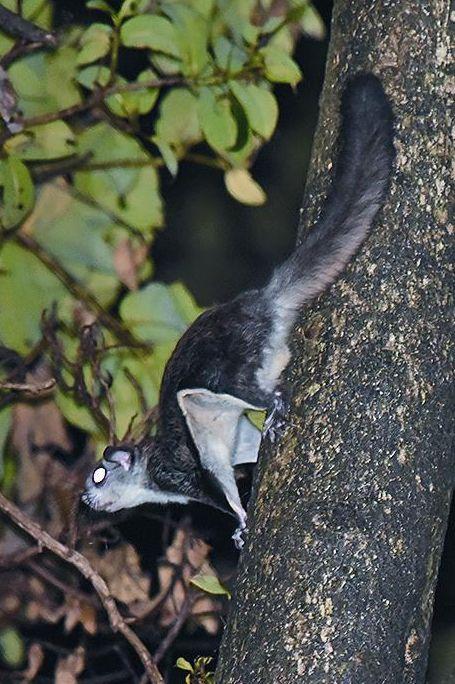
Species name: Black-and-white Jerboa
Shot by: Cheng Xianglu
Shooting location: Yunnan Yinyang
Black-and-white jerboas usually nest in tree holes, the bottom is padded with moss or grass, the entrance to the hole is less than 10 meters from the ground, they are not as flexible as squirrels when climbing trees, their movement is mainly gliding, climbing and climbing, they are good at gliding. The gliding distance depends on the terrain and the tree's period, generally about 30 meters.
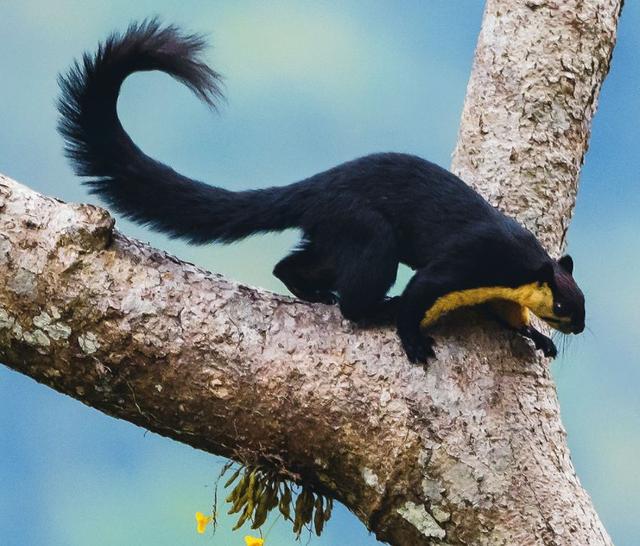
Species name: Giant Squirrel
Shot by: Zhao Jianying
Shooting location: Yunnan Yinyang
As the name suggests, giant squirrels are a type of rodent, also known as black large squirrels or Malaysian large squirrels. Although giant squirrels belong to the giant level in the squirrel family, they also like to travel in pairs or threes. Of course, giant squirrels don't live in large groups, they usually travel in pairs or threes, and their activity range is not large, usually within a radius of two or three kilometers. Because they are relatively large, giant squirrels have a large appetite, which is far greater than that of ordinary squirrels, so they eat a wider range of food, various nuts are the most ideal food, but when they are extremely hungry, they can also eat berries, plant flowers and leaves to fill their stomachs.
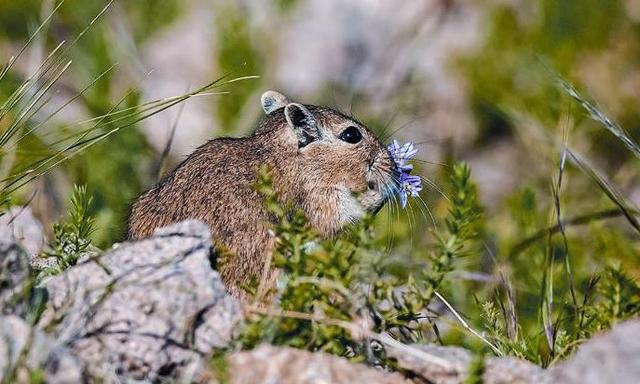
Species name: Sand Jerboa
Shot by: Xu Yongchun
Shooting location: Inner Mongolia Xilingol
Sand jerboas, also known as yellow-nosed rats, yellow-tailed rats, noon sand rats, midday sand soil rats, are a rare species in China, the Mongolian Inner Zone's desert and semi-desert grassland is the habitat of sand jerboas, sand jerboas's activity range is relatively stable, it follows seasonal changes, has migration habits for food gathering, sand jerboas's activity range is relatively stable, follow seasonal changes, has migration habits for food gathering. Sand jerboas's activity range is relatively stable, follow seasonal changes, has migration habits for food gathering.
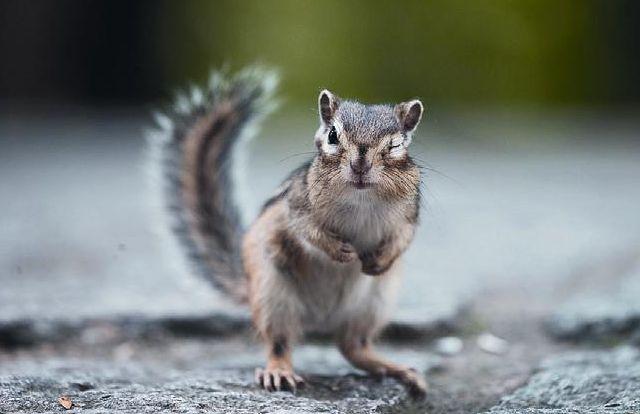
Species name: Flower Jerboa
Shot by: Gu Xiaojun
Shooting location: Heilongjiang Yichun
Flower jerboas, also known as flower-striped jerboas, flower rats, are named because of the number of bright and dark parallel vertical stripes on their backs.
Flower jerboas are a warm-blooded mammal, when winter comes, flower jerboas will eat and store a lot of fat to prepare for hibernation, often climb on trees to steal walnuts, apples, pears, etc. Because flower jerboas don't have a strong memory of food storage locations and routes, they play a certain 'sowing' role.
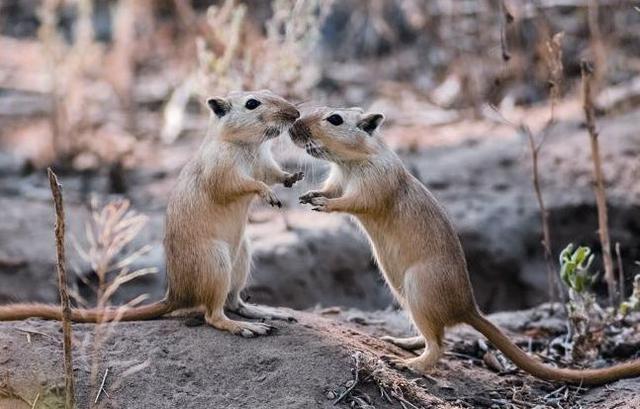
Species name: Large Jerboa
Shot by: Wang Ruqing
Shooting location: Xinjiang Changji
At an altitude of less than 900 meters, the sandy soil desert, semi-arid grassland and stony gravel desert, large jerboas hide in the shrubbery of willow, tamarisk, sea beans, white thorns, etc. They mainly rely on moisture in their food in dry environments, large jerboas usually live in groups, often forming large burrow communities. Although living in groups, large jerboas are still very alert, before emerging, they first observe the surrounding situation to ensure safety, and then start to move around at the burrow entrance. (Source: Tourism Overview