Well-Preserved Bird, Dating Back 46,000 Years, Discovered in Russian Permafrost Layer
Recently, a 'frozen bird' was discovered in the permafrost layer of Russia, with a form resembling a recently deceased bird, complete with feathers and beak, but after testing, it was found to have died approximately 46,000 years ago.
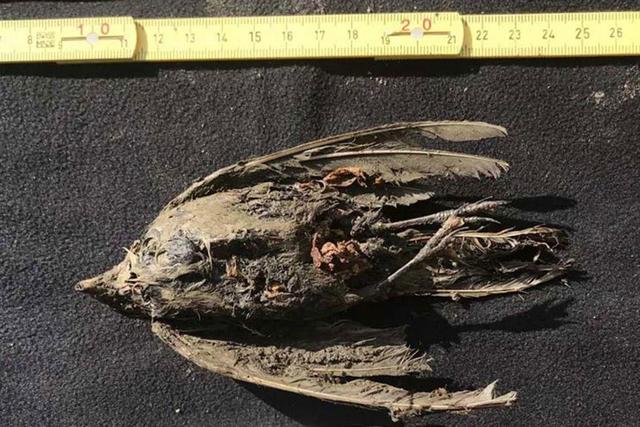
According to a New York Post report on February 21st, a group of people were searching for mammoth fossils near Belaya Gora in northeastern Siberia when they discovered a 'frozen bird' in the permafrost. The people took the bird to scientists, who ultimately identified it as a 46,000-year-old skylark.
'This discovery is published on February 21st in Communication Biology.'
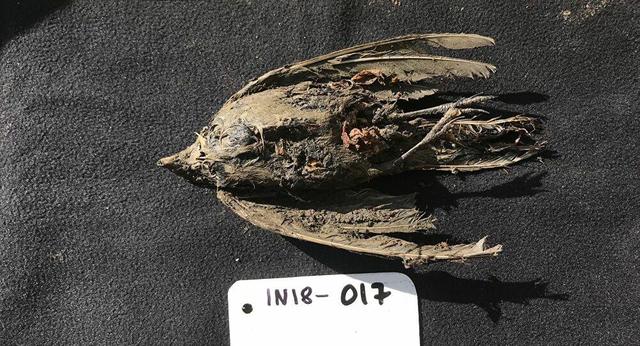
Researcher Love Dalén said that the skylark might be an ancestor of the two existing skylark species, including one from northern Russia and one from Mongolia. 'This discovery shows that the climate changes at the end of the last ice age led to the formation of subspecies.'
Another scientist, Nicolas Dussex, believes that the bird was preserved so well is a rare find. 'Such a small and fragile specimen was almost completely preserved, this fact also indicates that the soil was gradually deposited, at least the soil is relatively stable, so the bird's remains were preserved in almost the same state as when it died.'

'This new discovery is invaluable to research in paleo-genetics, as it preserves ancient genetic genes.'
Recently, many fossilized ancient animals have been unearthed in the Siberian permafrost layer. Last year, a 18,000-year-old canid fossil was also discovered here, which was also very well preserved.
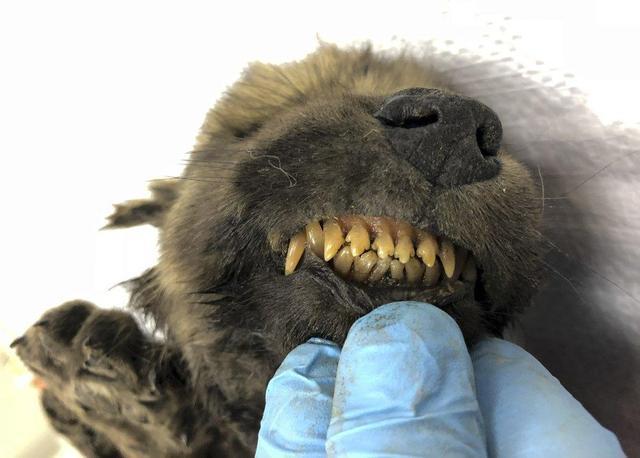
Analysis suggests that climate warming is one of the main reasons for the increasing number of fossilized ancient animals in recent years. People are also worried that with the thawing of permafrost, people will also face some unknown crises and challenges.
Original source: nypost
Like my content, follow me~ Let's stay together every day.