A Fierce Scene of Sea Eagle Hunting Bats: Fruit Bats Repeatedly Climbed Onto the Shore, Only to Be Repeatedly Thrown into the Sea
Among the species of white-bellied sea eagles,white-bellied sea eagleshave a body length of 70-85 cm, a wingspan of 178-218 cm, and a weight of approximately 3-5 kg, they are a medium to large-sized raptor. They have a wide distribution and mainly forage in coastal and estuarine areas by preying on aquatic animals. Recently, a research group studying bat ecology in the east coast of the Malaysian Peninsula captured a sea eagle exhibiting an unusual hunting behavior: it captured a bat, not through direct predation, but repeatedly throwing the bat into the sea, as if to play with the bat.
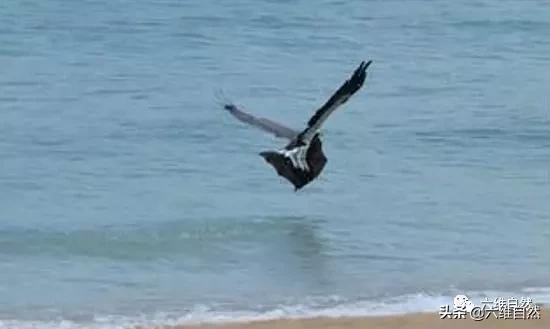
According to the research group members, the white-bellied sea eagle easily captured thisbatThe bat struggled with all its might but was unable to escape from under the eagle's talons. The sea eagle then took the bat to the sea and dropped it into the sea to drown. During the day, the bats were resting in the trees, with no defense, so the raptor easily captured them.
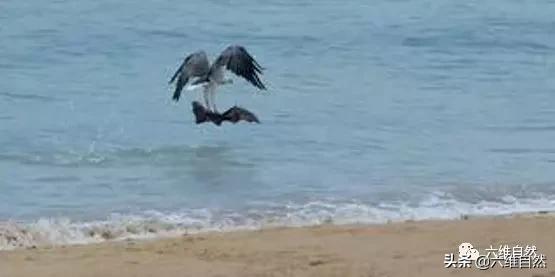
Sea eagle hunting batsThis scene repeated several times.The bat repeatedly climbed back onto the beach, but was repeatedly thrown into the sea by the white-bellied sea eagle. Ecologists said that the sea eagle did not enjoy torturing the bat. It is very likely that the sea eagle's hunting skills have evolved. They know that
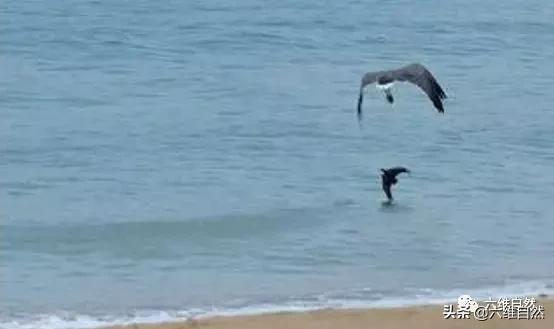
bats have a certain aggressivenesswith sharp teeth on their lower jaws, large bodies, and the ability to fly. By throwing the bats into the sea, they become exhausted, weakened, and lose their fighting ability, making them easier for the white-bellied sea eagles to kill.In the food chain, white-bellied sea eagles are excellent hunters both in the sea and on land. Their diet includes fish, sea turtles, and sea snakes, and sometimes they also hunt birds and mammals. They also drop large crabs from a height, smashing the crab shells on rocks. Therefore, white-bellied sea eagles are very clever in hunting. However, it is worth paying attention to why
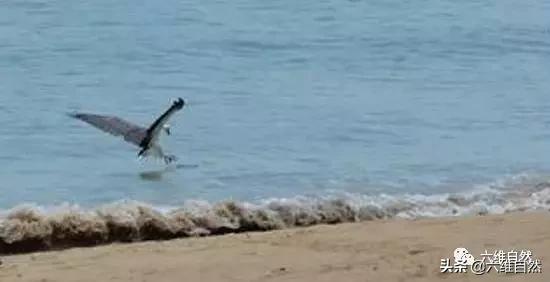
they take the risk of capturing dangerous batsThis may be related to a reduction in their food supply.Among the species of bats, fruit bats are the largest bats, and some species have a wingspan of up to 2 meters. Fruit bat populations forage outside at dawn and dusk, mainly feeding on fruits and the juice of flower buds, which causes certain damage to fruit trees. Therefore, during the day they usually rest in the trees, because
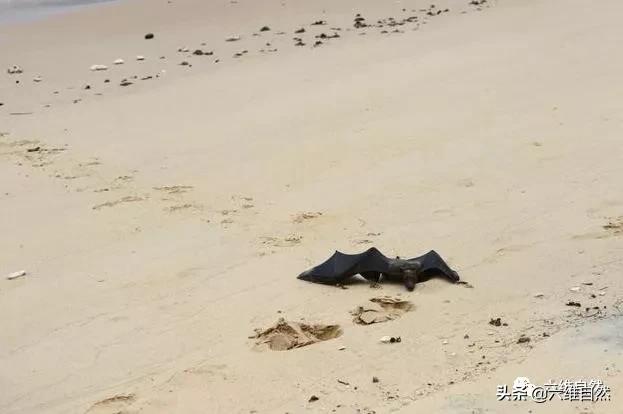
when they come out during the day, they cannot compete with raptor-class creatures, this is also one of the survival strategies of bats.