Puppy's Different Growth Stages Affect Nutritional Needs
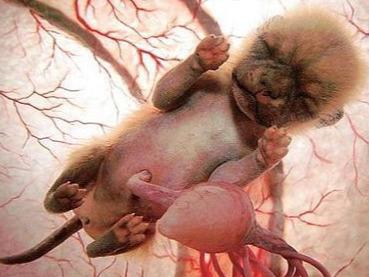
The growth of puppies involves the formation and development of cells and organs throughout the body, which is a very important stage. This stage includes the fetal period, the pre-weaning period (0-2 weeks) and the post-weaning period (2-6 weeks). Puppies of different growth stages have different developmental focuses, and their nutritional needs and digestive and absorption abilities also differ. However, whether it is the fetal period or the weaning period, the female dog provides complete nutritional support for the growth of the puppies. In the fetal period, puppies obtain nutrients from the female dog's body, and in the weaning period, they absorb growth and development nutrients through mother's milk.

Puppies need more than 50 kinds of nutrients, including protein, fat, carbohydrates, minerals and vitamins. The proportion of these nutrients should be balanced. Excessive or insufficient nutrition will hinder the growth of puppies. Mother's milk is the most comprehensive and balanced nutrition and immune factor source for puppies after birth. It contains a large amount of immunoglobulin, lactoferrin, growth factors, macrophages, neutrophils and lymphocytes, which are extremely important for supporting the immunity of newborn puppies. Compared with human milk, dog milk has characteristics such as high protein, high fat and high energy density. Puppies grow 12 times faster than human babies, so their nutritional needs are greater than those of human babies. For example, puppies need 2.5 times more zinc, 19 times more vitamin B12, 1.5 times more vitamin E, 6 times more selenium, 5.5 times more phosphorus, 3.5 times more calcium and 3 times more protein than human babies. Human infant formula cannot meet the growth needs of puppies.
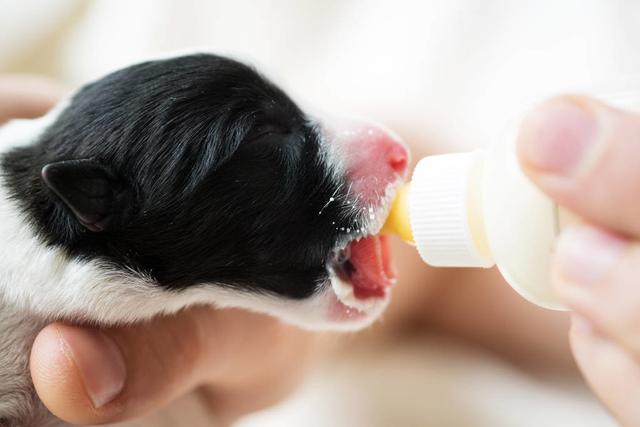
Because female dogs often experience lactation abnormalities or abdominal delivery, which leads to insufficient lactation or even no lactation, which seriously affects the growth and development of puppies. At this time, it is crucial to choose a comprehensive alternative to mother's milk for puppies' growth and development. Puppy formula provides comprehensive and balanced nutrition, which is reflected in its content of major nutrients needed for puppy growth, as well as its balanced nutrient content. Currently, the most professional alternative to mother's milk is puppy formula. Puppy-specific formula is designed based on the nutritional indicators of mother's milk, with balanced nutrient composition, high digestibility, high energy density and suitability for puppy growth. It can be used as a nutritional supplement for puppies when mother's milk is insufficient, and it can completely replace mother's milk when there is no lactation. This ensures the supply of nutrients needed for puppies without burdening the gastrointestinal digestion. Feeding puppy formula with balanced nutrient proportions is key to the normal development of puppies' eyes, brain, nerves, bones and joints, digestive system and immune system.
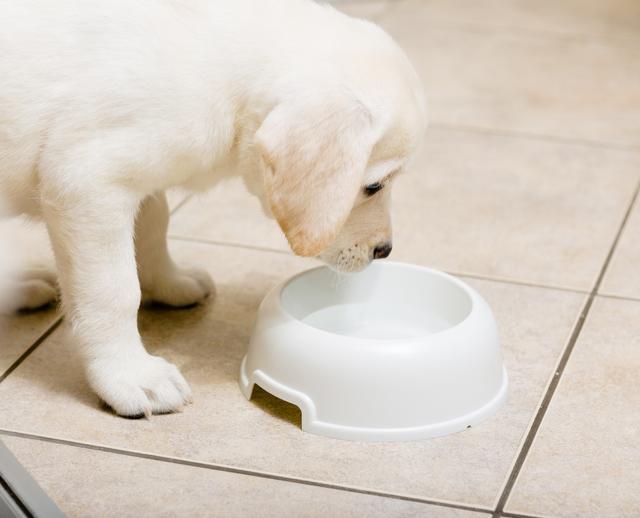
Puppies have different characteristics and nutritional needs at different growth stages. In the fetal period of puppies, the main focus is on the formation and development of the neural network and cells of the brain and the preliminary establishment of organs and systems. In the pre-weaning period (0-2 weeks), the growth focuses on the development of the eye and brain nerves and obtaining mother's immune factors. In the post-weaning period (2-6 weeks), the focus is on the growth of bones and joints, the development of the immune system and the maturation of the digestive system. But in any stage of puppy's birth, mother's milk is the first choice. And when mother's milk is insufficient and there is no lactation, it is necessary to choose puppy-specific formula designed for different growth stages.
25
DHADHA
DHA,
2
0-12-3
1-2DHAA. DHAn-350%A
L-0-2
26
2-4D3
4-5
6

0-22-6