Ninghe Ancient Town: Quiet, Untouched by White Cranes, Beautiful Scenery, and No Entrance Fees
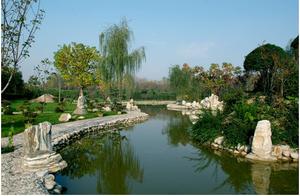
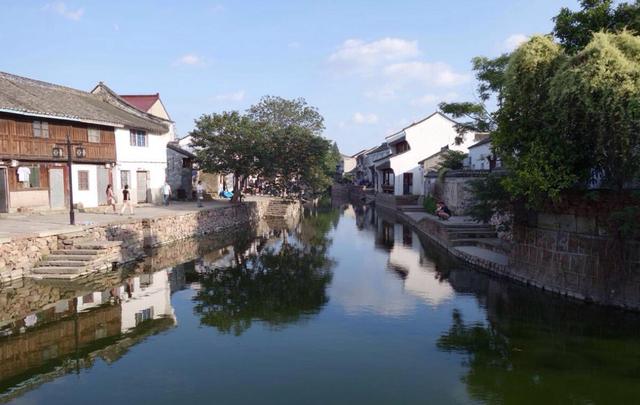
Ninghe Ancient Town, abundant in resources, blessed with talent, and renowned for its land, is a Provincial Historical and Cultural Town of Cixi, with a history of 1200 years. The town is built on a hillside, developed along a river, and has temples and fishermen's homes nestled by the river.
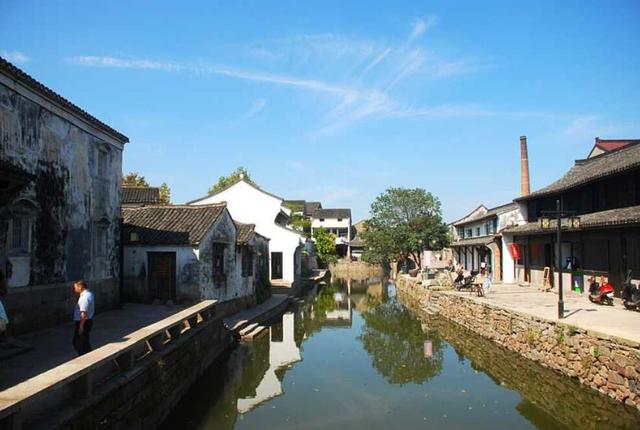
At first hearing the name Ninghe, many people thought there had been white cranes raised here, the sound of cranes echoing, hence the name. In fact, the origin of Ninghe Ancient Town has nothing to do with raising cranes or not; it is because of a person – Yu Jiugao, a famous calligrapher, writer, and politician from the Sui and Tang Dynasties. Yu Jiugao's nickname was Ninghe, and after he became a Jinshi and didn't return home, the locals built a memorial to him, and the name has been passed down through generations.
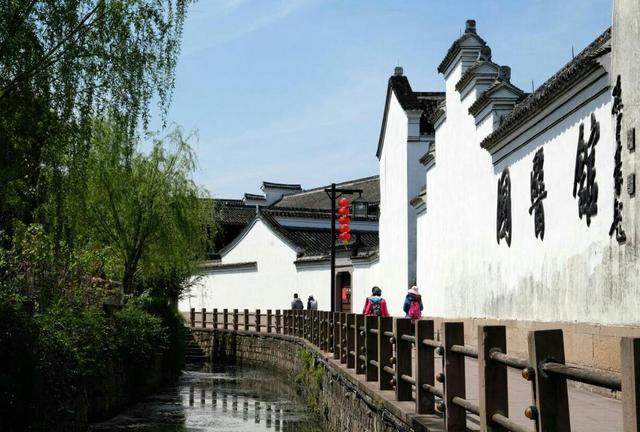
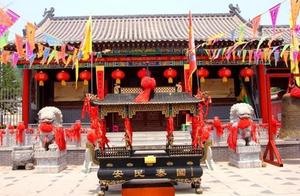
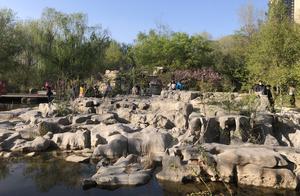
Along the banks of White Lake, there is an open-air theater. Usually, it's an empty stage, and occasionally mischievous children dance on it. When that happens, the children's parents become the audience. But when there are performances, the audience is crowded, lively, and extraordinary. The melodious opera music echoes through the ancient town.
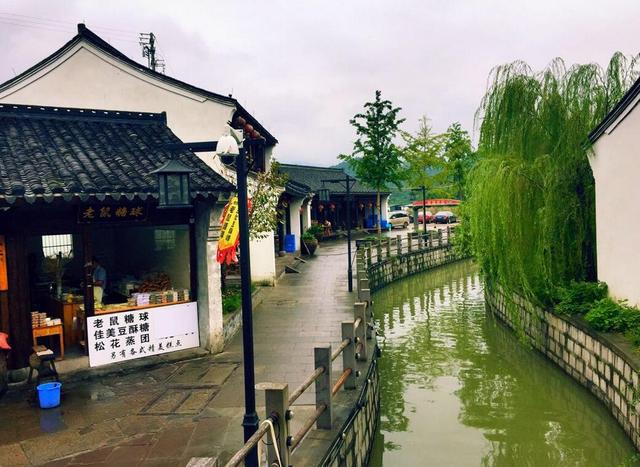
In the long history of China, Ninghe Ancient Town has remained silent for a thousand years, quietly watching over the Jiangnan region. Its water is naturally clear and has flowed for a thousand years, still nourishing the people on both banks of the river. During holidays, leisurely walkers stroll along the ancient town's waterways, gazing at the town's mottled carvings and decorations, passing through the deep courtyards and mansions, savoring the atmosphere of the Jiangnan water town, and marveling at the profound architectural culture of ancient times, experiencing the clear and artistic atmosphere of Jiangnan's black and white art. You will surely be conquered by the town's natural and cultural beauty.
In reality, foreigners say that when talking about Ninghe, they always associate it with the ancient town; but locals call Ninghe 'Ninghe Field'. It's because during the Zhao Song dynasty, Ninghe set up a salt field, and the government office was located in Ninghe Town. In the Yuan, Ming, and subsequent dynasties, more salt warehouses and salt affairs offices were established, and it is known from the paperwork that the salt industry was once very developed here.
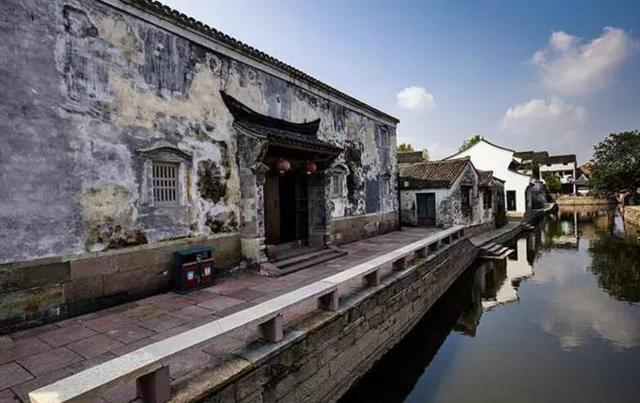
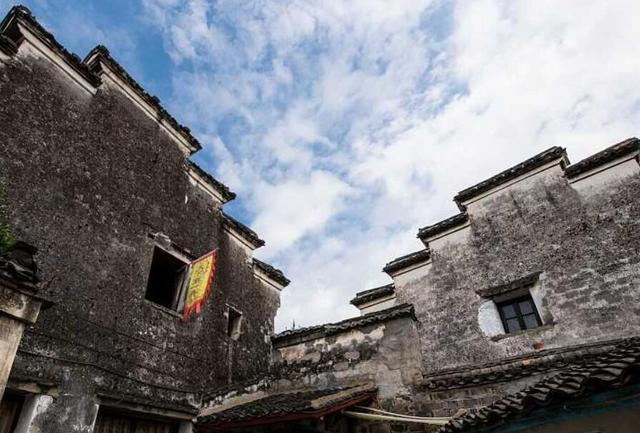
The feeling at the entrance of the alley is eerie, as if it never ends. Looking up, under the blue sky and white clouds, the pink walls and grey tiles of the horse head wall are visible. The horse head wall is one of the most distinctive features of Ninghe Ancient Town. There are many or few horse head walls, between three and five layers. The more layers, the more status. In promotional pictures, the largest horse head wall is the main selling point. Two adjacent horse head walls divide the blue sky and white clouds into a triangle. The vast sky is compressed into a triangle. We most hope to see in Ninghe Ancient Town – this architecture that is not unfamiliar to me, is now in front of us.
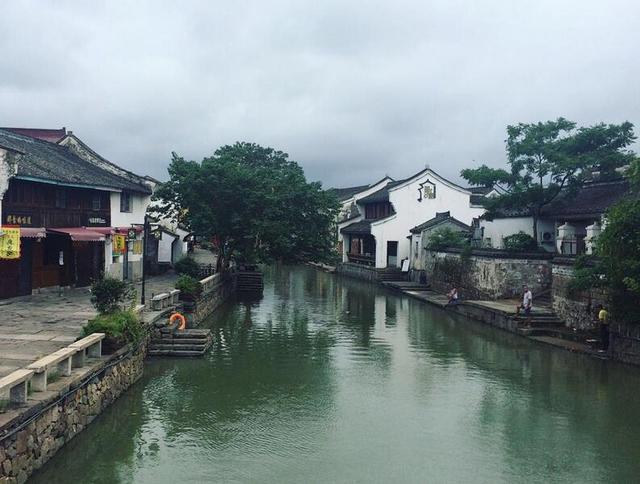
Slowly, many old buildings came into view, the streets and alleys were winding, the ancient theater, Chinese medicine shops, and bridges were distributed throughout the town. Walking along the river, you can feel the ancient and charming atmosphere of the small town. After passing the bridge, you arrive at the snack street, where you can find snow-white mouse sugar balls, refreshing lychee jelly, and fragrant small cakes…
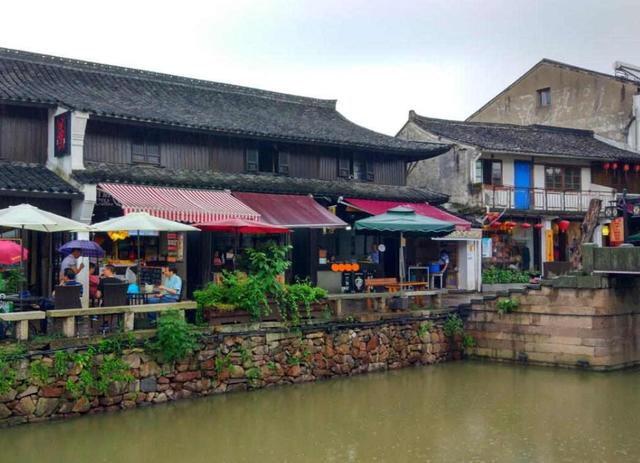
In the streets and alleys of the ancient town, it is easy to get lost. Conversely, even if you get lost, we can still reach the place we want to go and see the scenery we want to see. It just takes a little more time. Therefore, when you come here, you can freely choose any road, roam and see.
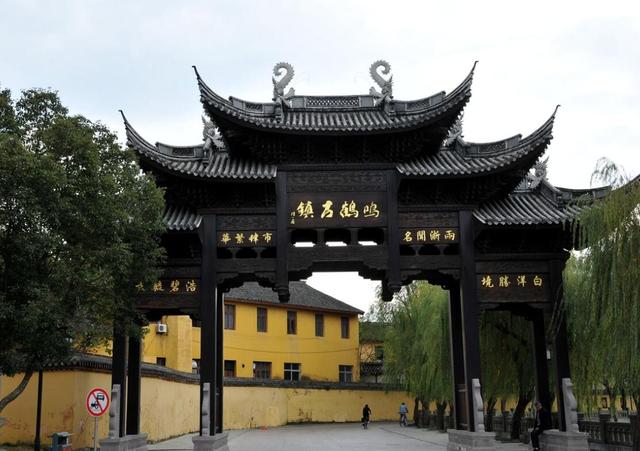
Like Wutai West Street and Luci Old Street and Anchang Ancient Street, with slow rivers, quiet streets, winding alleys, and the white lake under the mountains, there is less hustle and bustle, and more longing for people who enjoy slow living. If you are in some ancient towns in Jiangnan, it is like a battlefield before and after the war, the commercial atmosphere is too strong, and the ancient atmosphere is gone.
Don't think about worries and sorrows, just walk through the time, enjoy the beauty encountered when living alone, as long as you are happy, that's enough.