Journey to Confucius' Hometown: The Kongfu of Qufu, Shandong
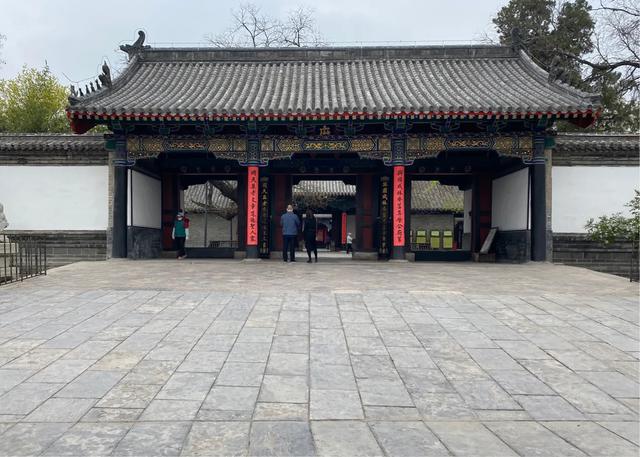
After spending near 1 PM visiting the Kong Miao (Confucius Temple), you can reach the Kongfu (Temple and Family Mansion) about ten minutes' walk outside the temple. The main entrance of the Kongfu, facing north, is greeted by a large white and pink memorial hall. On both sides of the main gate, there is a pair of 2-meter-high circular stone lion sculptures, one male and one female.
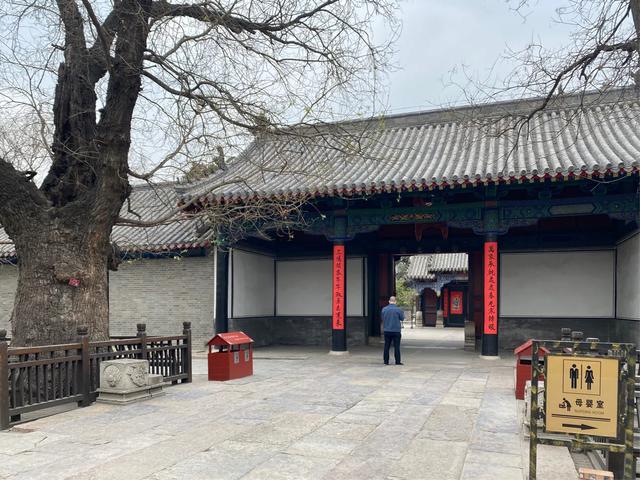
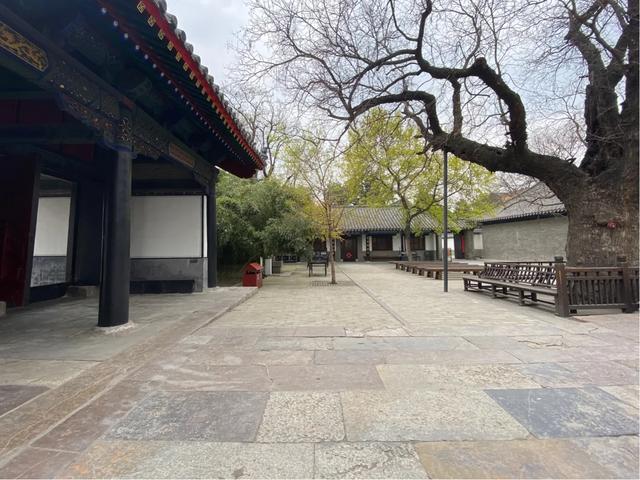
Kongfu, also known as the Yingsheng Gongfu (Temple and Family Mansion), is located in the center of the Kongfu City within Confucius City, to the east of the Kong Miao. It is the residence of the successive Dukes of Confucius. Construction began in the tenth year of the Hongwu reign (1377), and it was rebuilt in the sixteenth year of the Hongzhi reign (1503), covering an area of 240 acres.
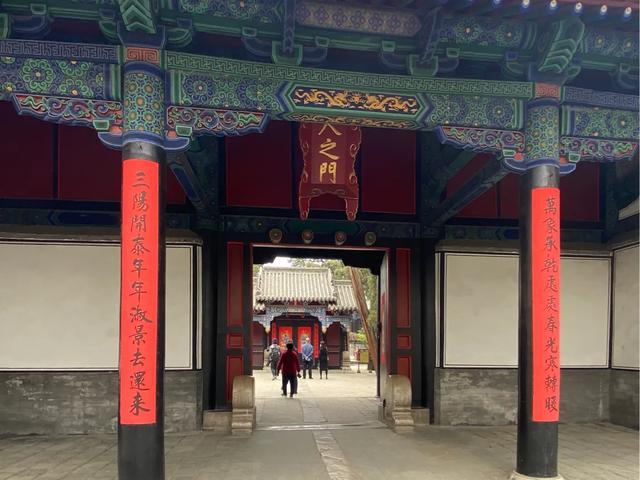
The second gate, or 'Er Men' (Second Gate), is located in the middle of the Kongfu, commonly called the 'Er Men.' The gate was built during the Ming Dynasty. The lintel above the gate is inscribed with the name of the Ming Dynasty poet and Minister of Personnel, Li Dongyang, as 'The Gate to Sacred Learning.' Below the inscription is a 'Shao' (Support) beam, and the pillars are adorned with stone-drum pilasters. The Kongfu has 463 halls, courtyards, towers, and rooms. It is arranged in a nine-court courtyard with three main roads: the eastern road is 'East Learning,' featuring the Guan-Yi Hall, the Mu-En Hall, and the Kong Clan Ancestral Temple, as well as workshops. The western road is 'West Learning,' containing the Hong-Mo Xuan (Red-Petal Pavilion), the Zhong-Ru Tang (Righteousness and Benevolence Hall), the An-Hui Tang (Peaceful Comfort Hall), and the Hua-Tang (Flower Hall). The main body of the Kongfu is on the central road, with an official office in front, consisting of three main halls and six smaller halls, and a private residence behind, consisting of the front upper house, the front and back main halls and towers, auxiliary houses, and the back six rooms. Finally, there is a garden.
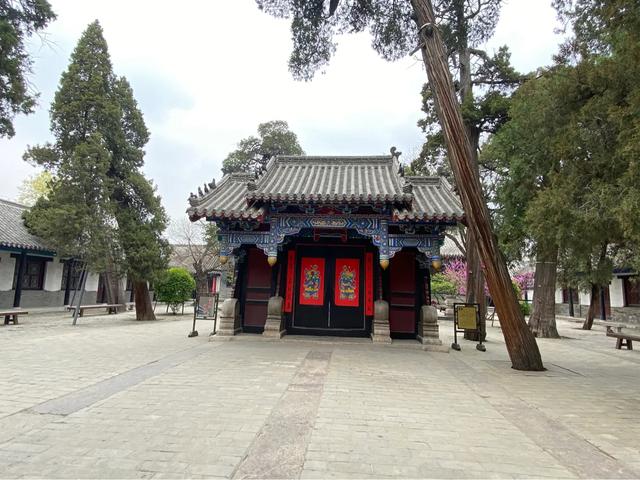
The 'Re-Light Gate,' or 'Se-Men' (Barrier Gate), is named because this independent courtyard separates the front and back courtyards. The Kongfu and the Kong Miao and Konglin (Confucius Forest) are collectively known as the 'Three Kongs.' In 1961, 'The Kong Miao and the Kongfu' were listed as the first batch of national key archaeological sites protected, and in 1994, they were listed as a World Cultural Heritage by UNESCO.
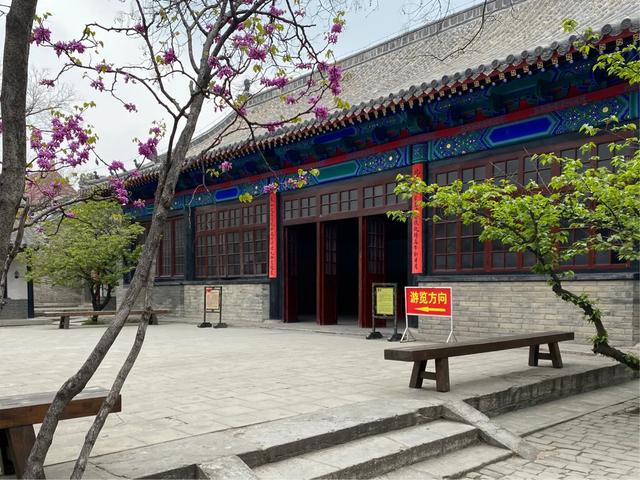
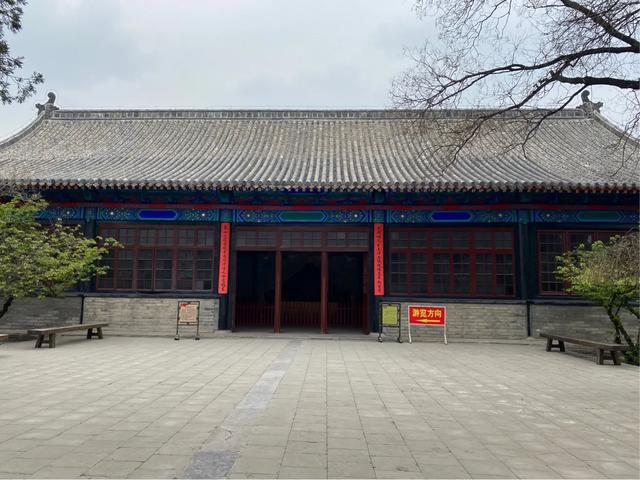
After Confucius died, two years later (in the year 578 BC), the country established his residence as a temple for seasonal worship. Initially, the Kong Miao only had three rooms containing the clothes, chariots, and ritual objects that Confucius used during his lifetime. His descendants then worshipped him in a rudimentary version of his original dwelling. The main branch of his descendants used the 'Shi-Feng Zhai' (Inherited Residence) to worship him. As Confucius's status and his descendants' official positions rose,
By the end of the Northern Song Dynasty, the Kongfu's residences had expanded to dozens of rooms. During the Jin Dynasty, the descendants of Confucius built 'Guest Halls,' 'Guest Positions,' 'Zhai Tangs' (Altars), 'Tang Halls' (Courtyards), 'En-Kuang Tangs' (Merit and Kindness Halls), 'Shuang-Gui Tangs' (Double-Pine Halls) and other buildings in the east of the temple.
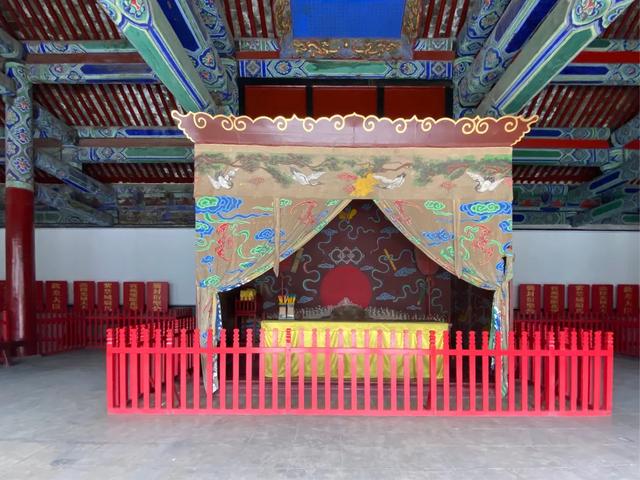
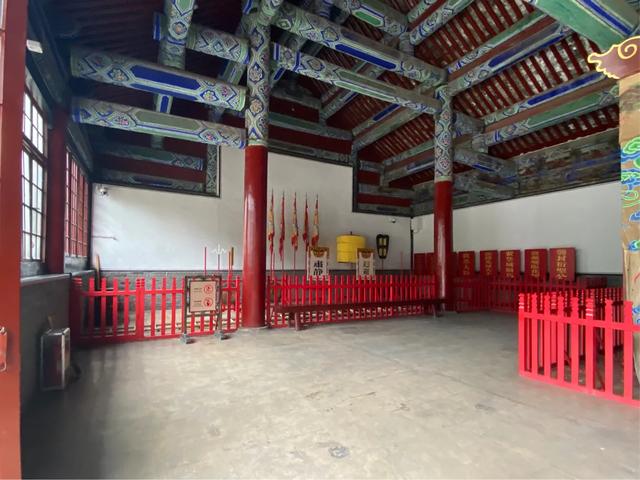
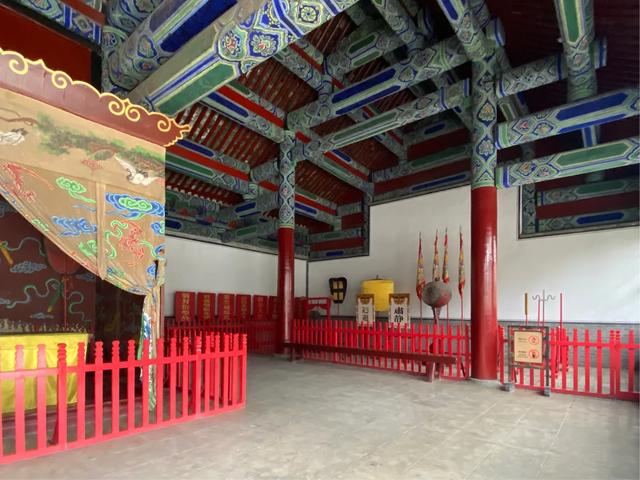
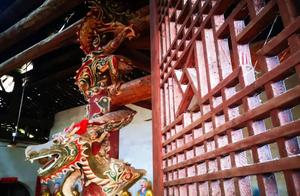
The Kongfu Grand Hall was used by the Dukes of Confucius to read imperial edicts, receive officials, censure family rules, and adjudicate major cases, as well as for holding ceremonies and celebrations during festivals and birthdays. The hall has 7 rooms, with three rooms deep, covered with gray tiles and a hip-shaped roof. A 'Shao' (Support) beam with a decorative leaf-shaped bracket is used under the eaves. The brackets extend outwards, and the central 'Shao' (Support) sits on a tall, red lacquer chair with a tiger skin cushion. In front of the chair is a long, high red-lacquered table with four treasures, an ink box, and a sign box.
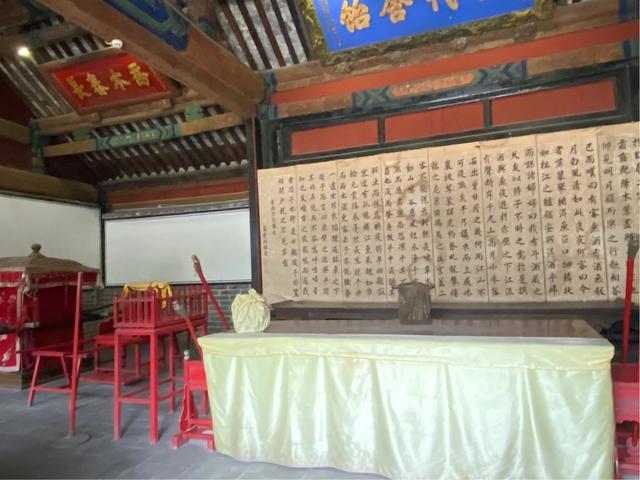
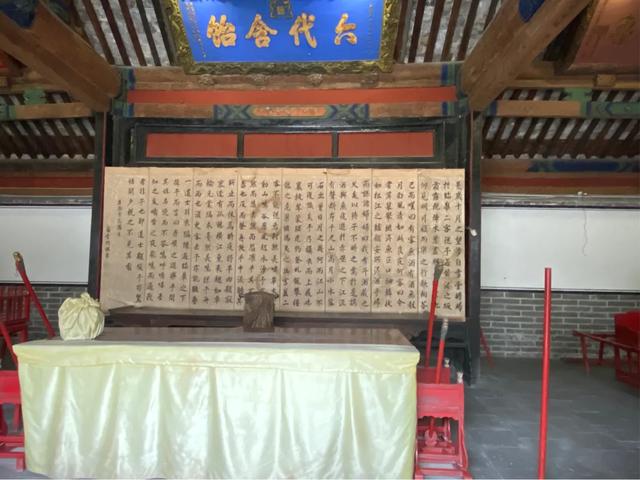
The 'Three Halls' are also known as 'Tui Tang' (Retreat Halls). They were used by the Dukes of Confucius to receive officials of the fourth rank or higher, as well as to handle internal family disputes and punish servants in the palace. The east and west sides of the halls have corresponding auxiliary houses, the east houses the 'Zhu Fang' (Land Register Office) which manages the land records and taxes within the Kongfu, and the 'Fang Fang' (General Office) which manages the overall affairs and finances of the Kongfu. The west houses the 'Shu Fang' (Library) which served as the Kongfu's archive for official documents and records.
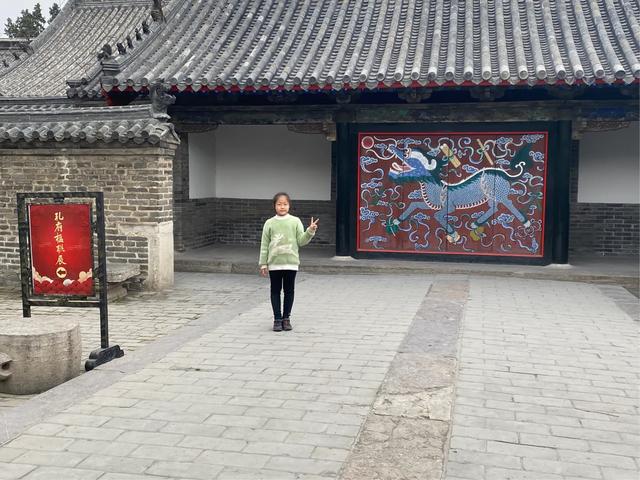
There is a mythical beast depicted on the wall of the Kongfu garden, which is said to be a Kirin-like creature. In reality, it was a fabricated beast meant to warn against greed and corruption. The Duke of Confucius painted this beast on the entrance to the garden as a warning to his descendants not to be corrupt.
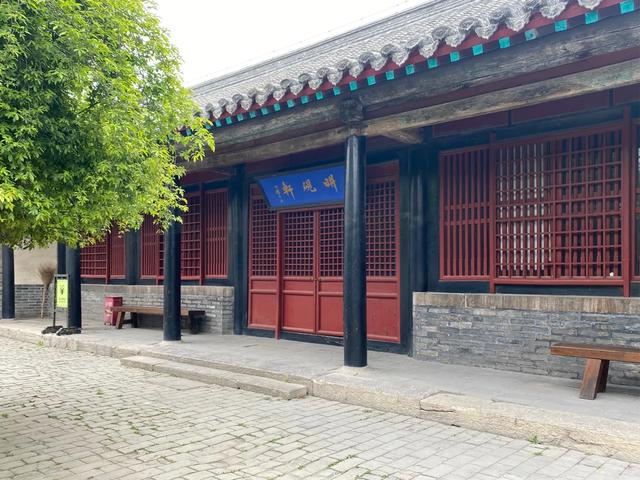
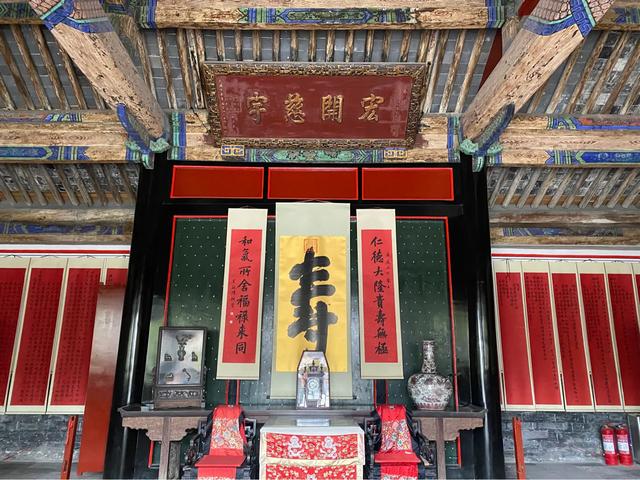
The front upper house of the Kongfu, with a 'front hall' facing north, directly overlooks the 7-room Grand Hall. It was the living room for the Confucius family to welcome relatives and close relatives, and it was also the place where they held family banquets and wedding ceremonies. In the center of the hall, a large plaque hangs: 'Open Broadly to Welcome Benevolence and Wisdom.' Above the main hall, a 'Long-Life' character was written by Empress Cixi.
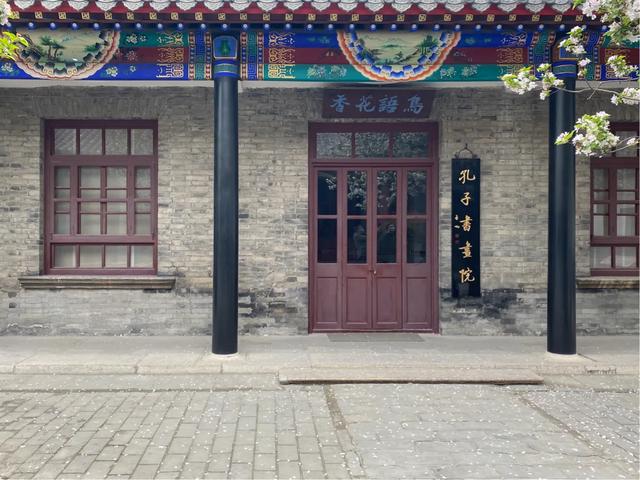
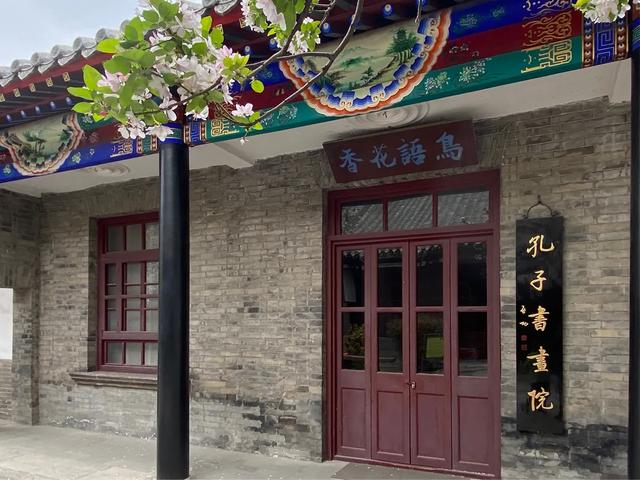
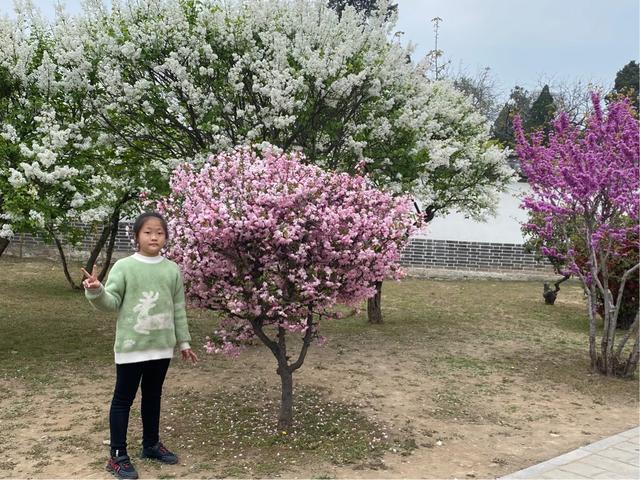
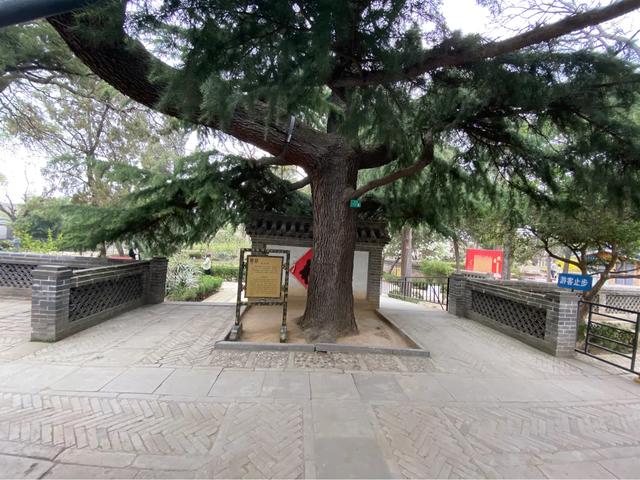
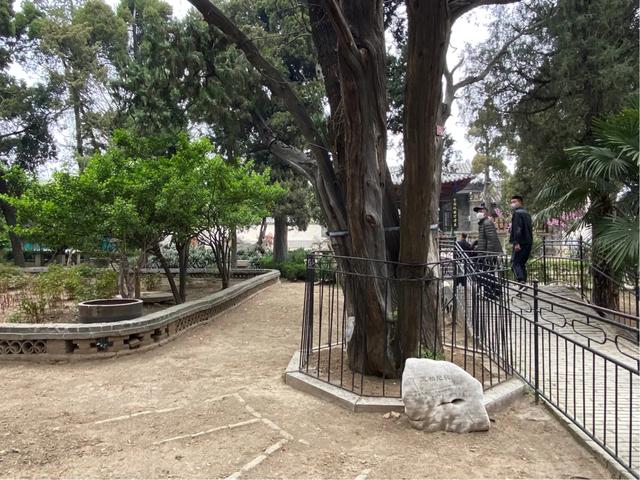
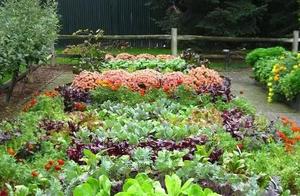
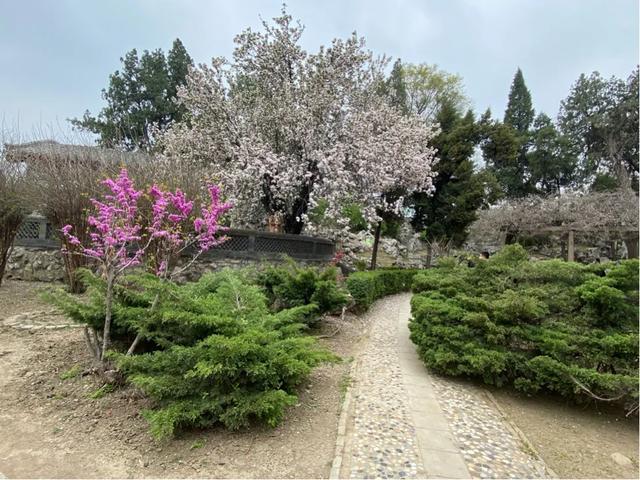
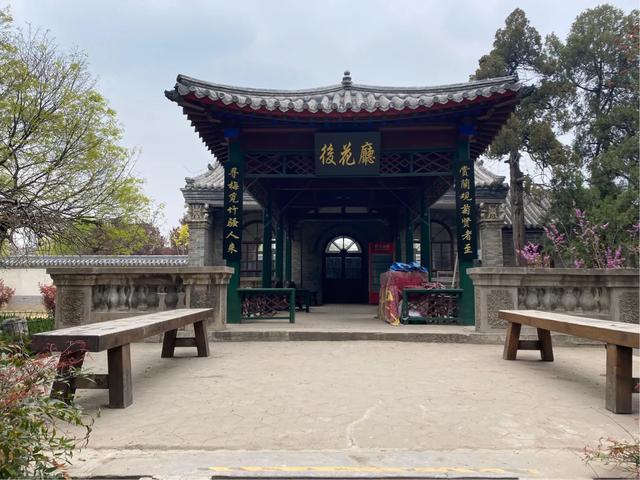
The Kongfu Garden is located in the last part of the nine-court courtyard, covering an area of over 50 acres. It was rebuilt and expanded during the Hongzhi reign of the Ming Dynasty (1503) at the same time as the rebuilding and expansion of the Kongfu. It was designed by Li Dongyang, the minister in charge. The Kongfu garden has been renovated three times, with smaller and larger renovations in between. The garden has mountains, streams, forests, arched bridges, flower gardens, pavilions, fountains, a rock island in the water, a shaded hall, a temple for worshipping flowers, a cool terrace for watching the moon, and a small pavilion for burning incense and reading books.
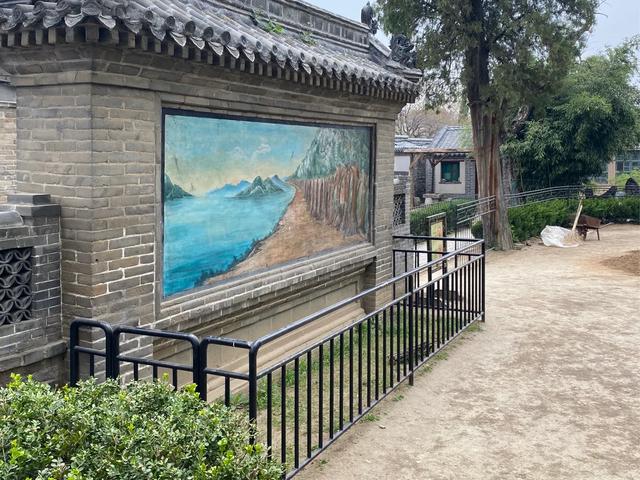
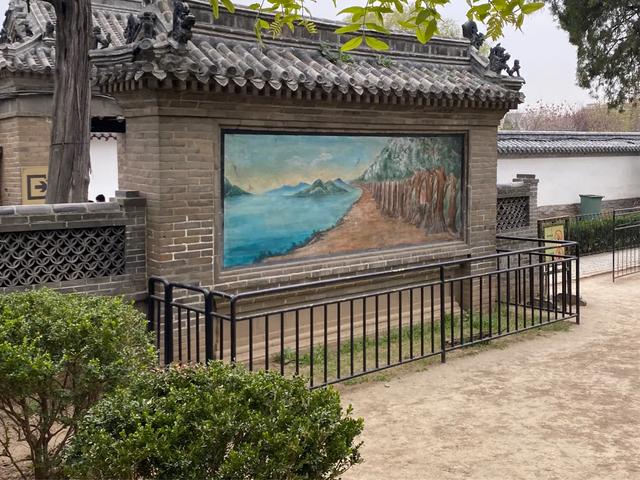
The garden is located at the corner of the Kongfu garden, with a painting from the late Qing Dynasty, attributed to an unknown artist. The painting depicts a large road and a row of trees, with onlookers coming towards it. The painter used the visual effect of the corner to make visitors feel they are always facing the center of the road, regardless of whether they are standing in the East, South, or North. The tour guide calls it the 'Golden Light Road.'
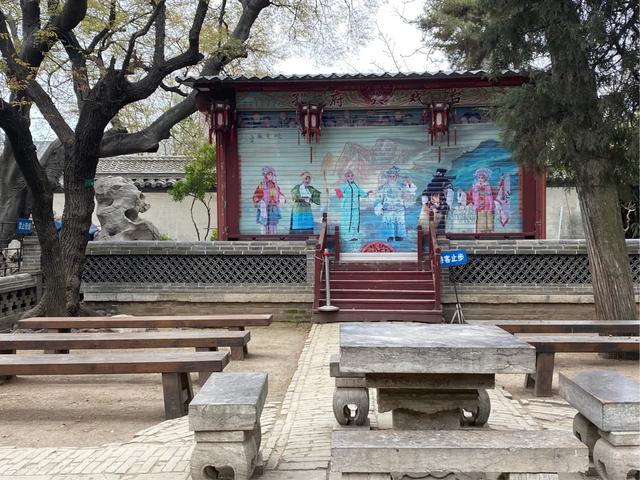
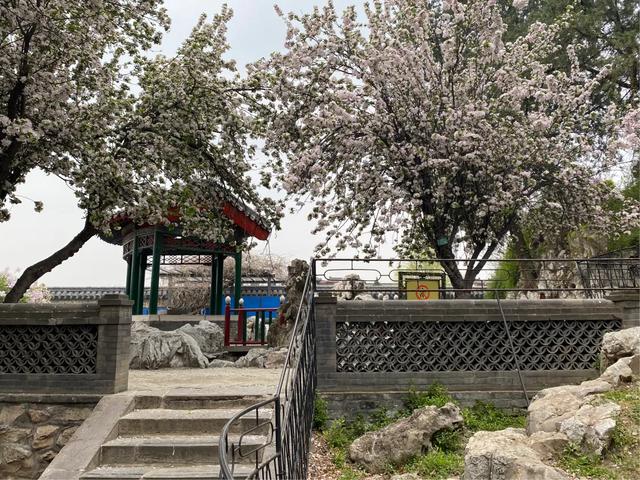
After leaving the rear garden of the Kongfu, it was already 3 pm, and we were unable to visit the Konglin (Confucius Forest). It's a shame we couldn't make it. Friends, please pay attention to the entrance times when visiting the three Kongs, and now the entrance times for the three Kongs are stopped at 3:30 pm.