Wuhan's Top 10 Local Specialties
Many travel friends always think of bringing back local specialties as souvenirs or gifts for friends and family. So, what are the local specialties of Wuhan? What are the famous local specialties of Wuhan? Below, the editor has compiled the top 10 local specialties of Wuhan. These Wuhan local specialties include Biyashiangmaitake (Yellowbiao Agaric), Caiidian lotus root, Caiidian quinoa, Liangzu Lake giant crab, Biyahuiangmi honey, Jiangxia ziliong (Jiangxia Rice Pear), etc. Let's take a look together, hoping it can help you.
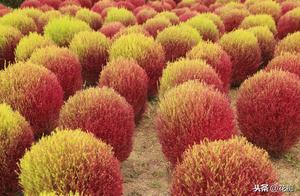
1Yellowbiao Agaric
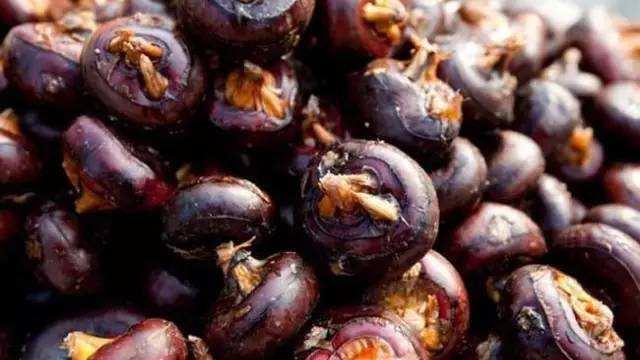
Yellowbiao Agaric production area is in Biyashiang, Wuhan District, Hubei Province. Yellowbiao Agaric produced here has a spherical stem that is round and oval, with a flat and level top, the skin is reddish-brown, the flesh is white and crisp, with a high moisture-to-fiber ratio and a sweet taste. The diameter of the stem is ≥2.0cm, and the diameter is ≥4cm. A single agaric weighs ≥20g. Yellowbiao is located on the edge of the Han River Lake network, with abundant river and lake resources. It belongs to subtropical monsoon climate, with abundant rainfall, sufficient sunshine, and four distinct seasons. Spring is mild and humid, summer is hot and rainy, autumn is cool and rainy, and winter is cold and dry. This is conducive to the growth of Yellowbiao Agaric.
2Lotus Root of Caiidian
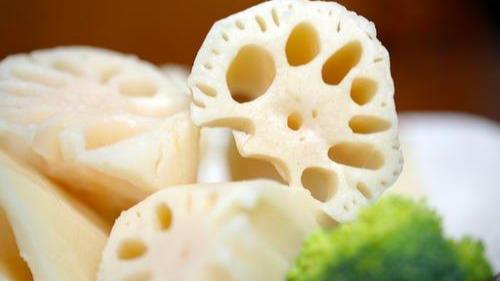
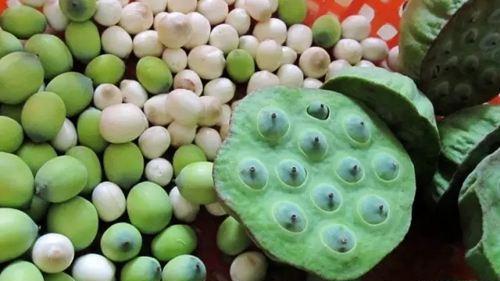
Caiidian Lotus Root, a specialty of Caiidian District, Wuhan, Hubei Province, has unique quality. Not only is the lotus root's appearance long and stout, the flesh is fine and tender, the lotus root fibers are long, but the flavor is sweet and fragrant, crispy and less fiber, and highly nutritious. Caiidian Town was built in Jin Dynasty, and the ancient town is surrounded by Lotus Lake. The lake water is clear and the lake mud is fertile. Due to the repeated changes of the Han River, the floods caused the silt to accumulate, which provided the basis for Caiidian Lotus Root's growth.
3Caiidian Quinoa
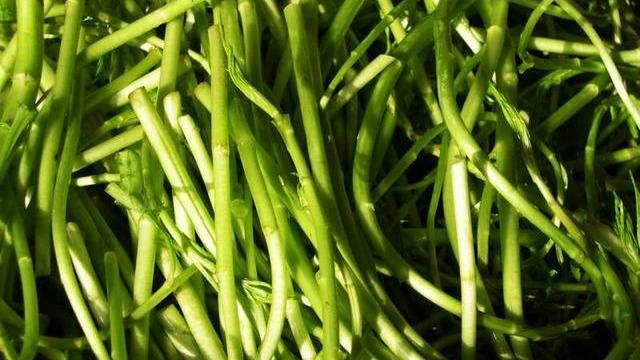
Caiidian Quinoa, the main production area is in Wuhan City, Caiidian District. Quinoa is also known as narrow-leaf amaranth, reed, willow, water, green amaranth, etc. The fifteenth volume of the Great Examination of Grass in the Great Examination records: Quinoa has a sweet fragrance and is non-toxic, it treats swelling and evil, cold and damp, nourishes the middle and nourishes the qi, promotes hair growth, makes people light and slender, improves hearing and vision, and prevents decline. Chinese medicine believes that in addition to eating, it can also clear heat, dispel dampness, kill insects, and has other functions. Caiidian Quinoa's planting area is mainly in the lake swamp plains of the main body, the soil layer is deep and fertile, and has the characteristics of hot, water-rich, and sunny, which meets the various conditions needed for Quinoa's growth. In addition, there are many lakes in the territory, and the water resources of the Caiidian Quinoa base area are abundant and of good quality, which is suitable for Quinoa growth.
4Giant Crab from Liangzu Lake
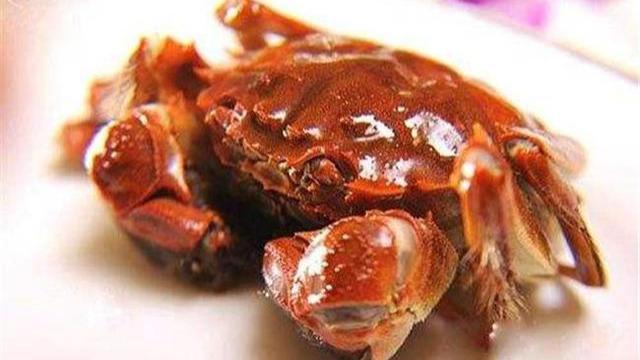
Wuhan Liangzu Lake Giant Crab is nutritious and contains various vitamins. Vitamin A is higher than other terrestrial and aquatic animals, Vitamin B2 is 5-6 times that of meat, and it is 2-3 times that of fish and eggs. The breeding area north of the lake is relatively flat, while the south is mainly hilly. It combines the characteristics of subtropical and temperate monsoon climate. The whole area has abundant sunlight, water and other resources, and the climate is warm with four distinct seasons. The summer is hot and rainy, while the winter is less, with a maximum value in August and a minimum value in winter, both with an increasing pattern from southwest to northeast. The total accumulated heat is 5563℃, and the number of days with sunshine is 180-190 days. This is due to the abundant sunshine in the breeding area, which provides sufficient light energy for the photosynthesis of aquatic plants in the lake.
5Biyahuiangmi Honey
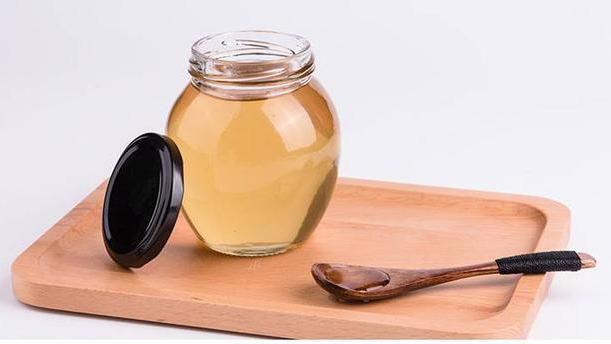
Biyahuiangmi Honey is one of the Four Famous Honey in China. Biyahuiangmi's original habitat is in the main wild flower cluster of Biyashiang, Wuhan District, Hubei Province. Biyahuiangmi is a type of Huangmi honey, with a pale amber color, pure white crystals, fine and delicate, fragrant and not sweet, authentic and excellent quality, and belongs to the top grade of honey. This honey is rich in nutrition. Biyahuiangmi honey has 3% higher fructose content than ordinary honey, and the starch-breaking enzyme is more than 2 times that of ordinary honey. It is a national geographical indication protection product. The main production area is in the main wild flower cluster of Biyashiang, Wuhan District, Hubei Province.
6Jiangxia Ziliong (Jiangxia Rice Pear)
Jiangxia Ziliong is a specialty of Jiangxia District, Wuhan, Hubei Province. Jiangxia Ziliong has unique quality, the lotus pear is not only long and stout, the flesh is fine and tender, the lotus root fiber is long, but also sweet and fragrant, crisp and less fiber, and highly nutritious. The number of hearts in Jiangxia Ziliong is 25-32, which is solid; the shell pear is oval, black and brown, with a diameter of 1.45-1.72cm and 1.2-1.52cm, and the weight of 140-160g per 100 pieces. Jiangxia District was established in the Jin Dynasty, and the ancient town is surrounded by Lotus Lake. The lake water is clear and the lake mud is fertile. Due to the changes of the Han River, the floods caused the silt to accumulate, which provided the basis for Jiangxia Ziliong's growth.
7Law of Fat Rice
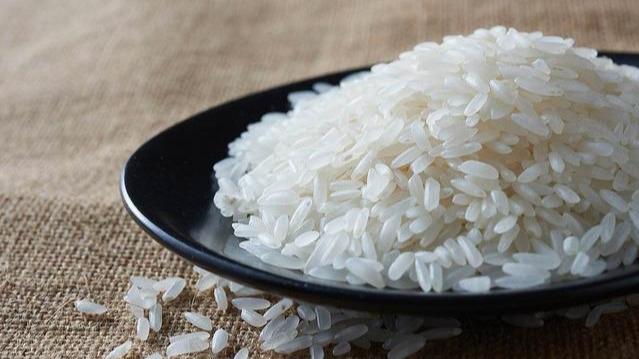
The history of Fat Rice is very long, dating back to the Tang Dynasty Keping. When cooking Fat Rice, it naturally has a clear and fragrant aroma. The rice is smooth and delicate, with a long, moderate stickiness, and has good flavor. The surface of the cooked rice is oiled, and the rice remains glossy after cooling. Hubei Province Wuhan City Jiangxia District Law Town, Guizi Mountain and Jin River area, the soil is fertile, with abundant rainfall. The soil type is formed by the accumulation of silt, with a soil pH value of 6.5-7.5, and organic matter content ≥2%. Due to the unique geographical environment, the rice grain of here is uniform in size, colorful, and oily, without white grains, and ranks first among similar rice, earning it a deserved reputation.
8Li Jietang Green Onion
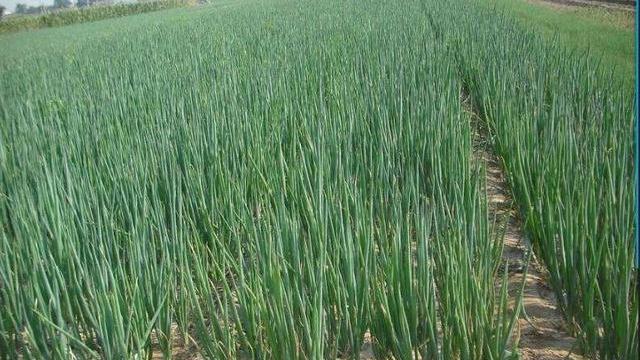
Li Jietang Green Onion is produced in Newzhou District, Wuhan. Li Jietang Green Onion, due to the unique geographical conditions and resource environment, integrates modern non-harmful vegetable cultivation technology to produce Li Jietang Green Onion. The plant is densely branched and upright, with a plant height of 30-35 cm. The green onion leaves are hollow and thin tubes, with a length of 23-26 cm and a diameter of 0.3-0.4 cm. The green onion white is short, about 3-5cm long, and close to the root, gradually thickening, and the corm is not significantly enlarged. The green onion production area of Li Jietang is mainly in the inverted water terrace plains, the terrain is flat, and the soil is composed of silt and sand soil formed by the inverted river, with fertile soil, thick soil layer, and rich organic matter, which is suitable for growing green onions.
9Han Nan Sweet Corn
''AB1B2C20%1""
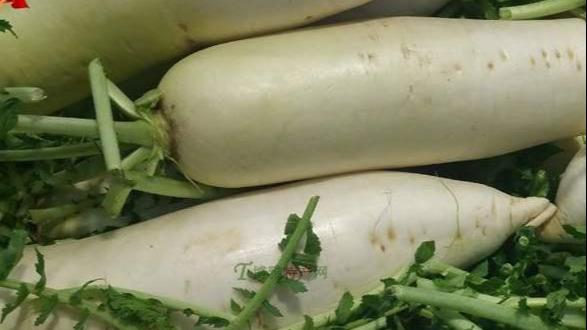
10Yellowbiao Root Vegetables
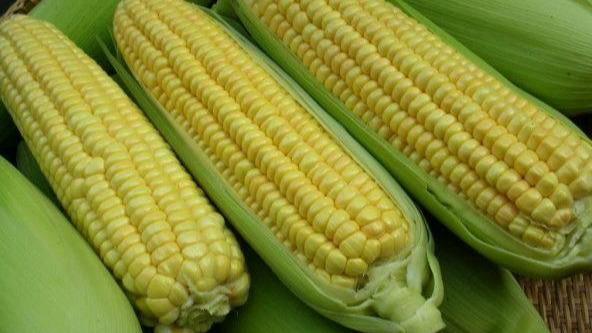
Root vegetables have a long history in Yellowbiao. Yellowbiao Root Vegetables are known as 'the essence of Hubei'. Yellowbiao Root Vegetables are known as 'China's finest'. They are rich in vitamins A, B1, B2, C, minerals and free amino acids, which is easy for the human body to digest and absorb. They contain up to 20% sugar, which is twice the normal corn. It is known as 'China's finest'.