Pictures of Rural Life Near North Korea: More Refreshing Than City People
Chinese tourists were amazed by the food in North Korea. The white rice had a fragrant aroma, the pork slices had a meaty flavor, and the cucumber slices had a fresh cucumber taste, everything was like the flavors of childhood. Why is this the case? How are these dishes grown? During the subsequent trip, our guide took us to a farm near Pyongyang to solve our confusion.
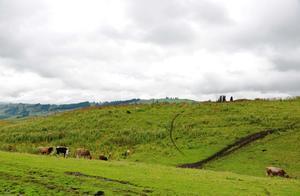
The Sanjin Cooperative Farm is located in the southwest of Pyongyang, less than 20 kilometers from Pyongyang. In North Korea, the Sanjin Farm is a representative of model villages and has developed farm restaurants, holding a high status. To some extent, it is similar to our former large collective farms, known to everyone. If you want to develop agriculture, you must come here to visit and learn. North Korea has a saying, 'Only when the spring comes to the Sanjin Farm, will the spring come.' This partially explains the situation.
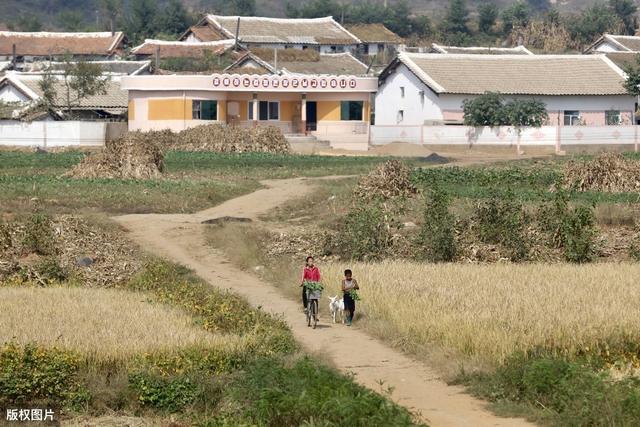
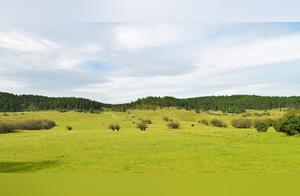
The farm covers an area of about 1.5 million square meters, encompassing 5 villages with 1500 residents, most of whom work on the farm. In North Korea, where there are few large, contiguous farmland areas, this is a rare sight.
The farmers working in the farm, like urban workers, have a regular working schedule. However, they don't receive monthly wages but are paid in labor points. At the end of the year, these points are distributed. Labor points are money. Here, it's a pay-for-work system, calculated reasonably. Generally, each farmer is evaluated by the collective every ten days, and the results are announced monthly and annually.
To encourage farmers' productivity, the Sanjin Farm currently implements a 'field-plot system,' meaning farmers cultivate land and pay the collective, and the remaining part is theirs. Also, vegetables and grains grown in front of and behind farmers' houses are theirs to sell in the market.
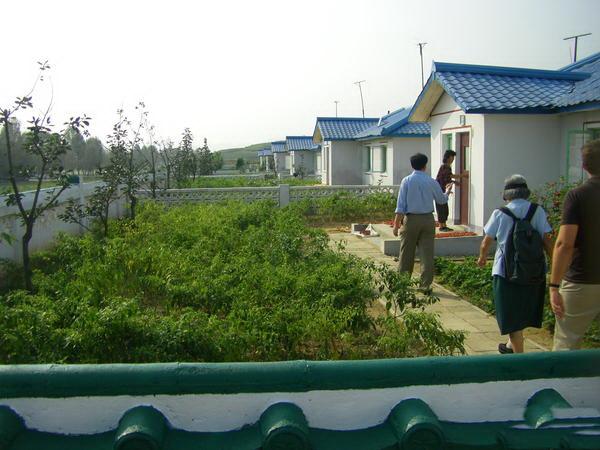
Like urban residents, farmers here also live in collectively built houses. Our guide took us to see a uniform of two-story small buildings, with solar water heaters and solar battery panels installed on the roofs.
How much income do farmers have? The farm manager said, including labor points and income from their own plots, he earns about 600,000 Korean won a year. To give you an idea, the farm manager added, a university professor would not earn more than 120,000 Korean won a year. It's clear he was quite proud.
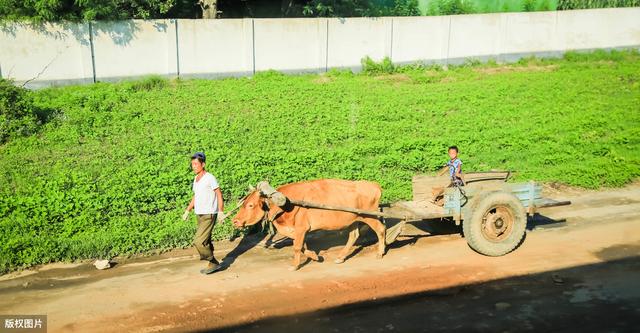
The Sanjin Cooperative Farm also has large farm machinery such as tractors and seeders. However, here, grain and vegetables are rarely used with large amounts of fertilizers and pesticides, which is also one of the reasons why North Korean food tastes so good. We were curious why, and the farm manager told us that fertilizers and pesticides are too expensive.