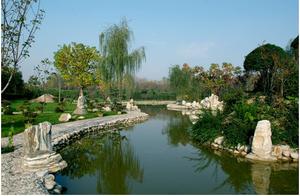
This is Yunnan's Most Pristine Festival: La Mu Gu (Large Drum) Ritual of the Cow Head, New Aba Songs Begin to Be Sung
My understanding of the world began with songs. As a child, a song called 'The New Song of the Aba People' introduced me to a nation – the Aba people. Later, I gradually learned about their passionate dances, peculiar large drums, and the sacred Siganli. I dreamed of one day entering Mengjie.
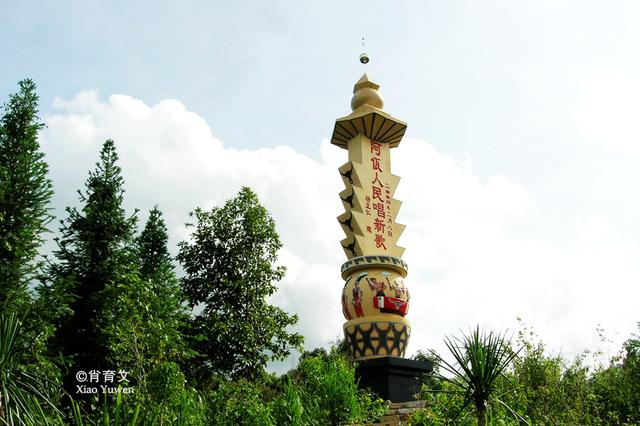
Mengjie cannot be ignored; it's a region in southern Diannan mountains. It's the main gathering place for Aba people besides Gongchen. The area is south of the Trans-Himalayan Mountains, mainly mountainous with few plains. Locals call it 'Aba Mountain'. Cars navigate the mountain roads in wide curves, continuously winding and looping without end.
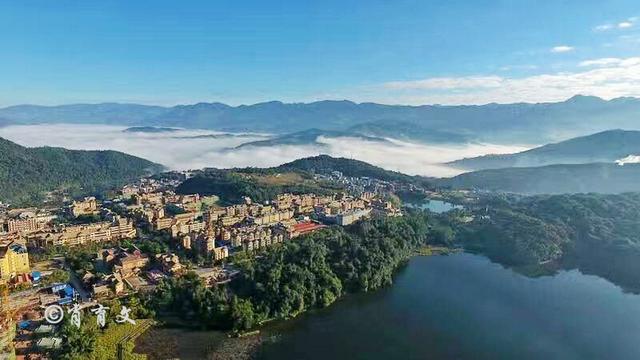
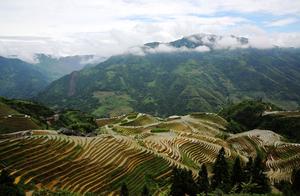
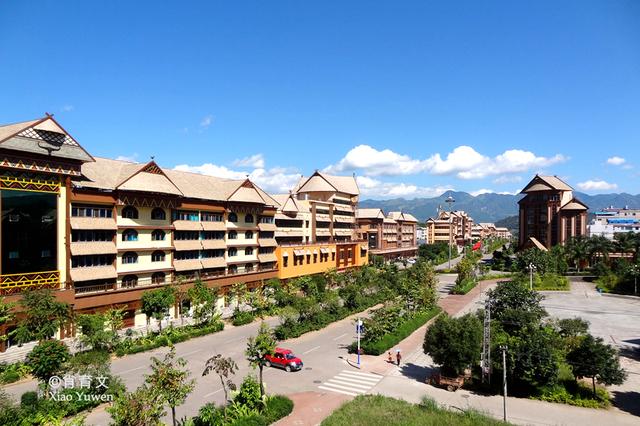
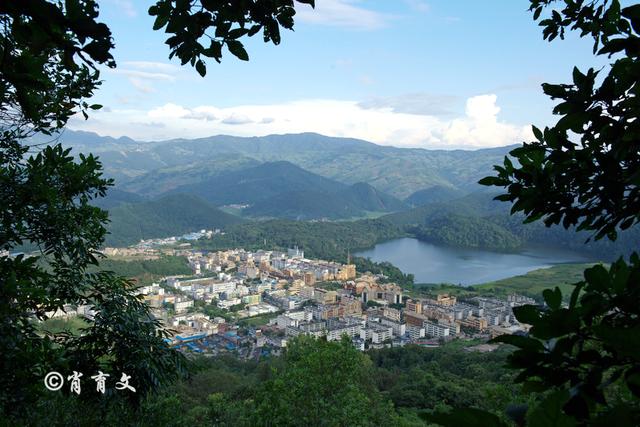
However, Aba Mountain's clouds are the most generous reward along the way, enough to make foreign travelers happy and forget their worries. This terrain and climate allow for constant cloud cover, resembling divine blessings. At different altitudes in the mountains, the views change, sometimes soaring high with dazzling light, and sometimes drifting through misty illusions. When arriving in Mengjie County, you'll find that the buildings on both sides of the town are very uniform, with a unified thatch roof and wooden-structured houses, reflecting a unique ethnic style. Looking out, you can see the green mountains, white clouds, and neat buildings, creating a perfect picture. The entire town appears so tranquil.
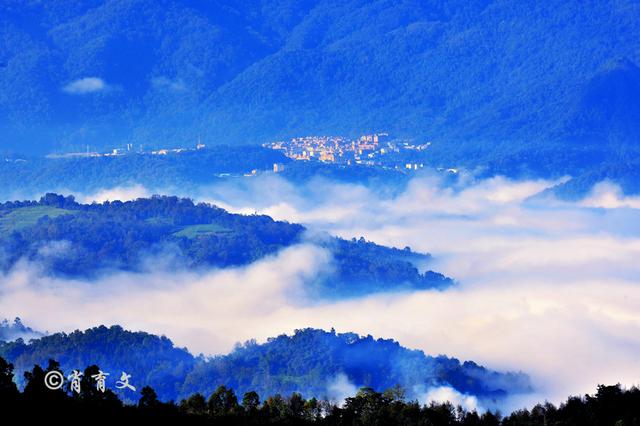
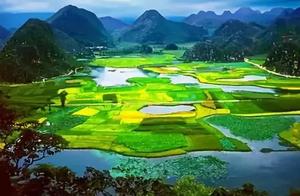
The small town is small and exquisite, delicate and beautiful. It's completely surrounded by lush greenery, with large and fluffy clouds resting on the buildings, as if you could reach out and grab them. Mengjie has no industry and is not like bustling cities filled with cars; the air is exceptionally fresh, as if filtered.
The rhythmic beating of the drums is a way for the honest and hospitable Aba people to express their warmth and hospitality. When Aba people beat the drums, it's to pray for blessings, hoping for the gods to grant them peace, prosperity, good harvests, and a happy life; it's also to pray for visitors, wishing them good fortune and safety.
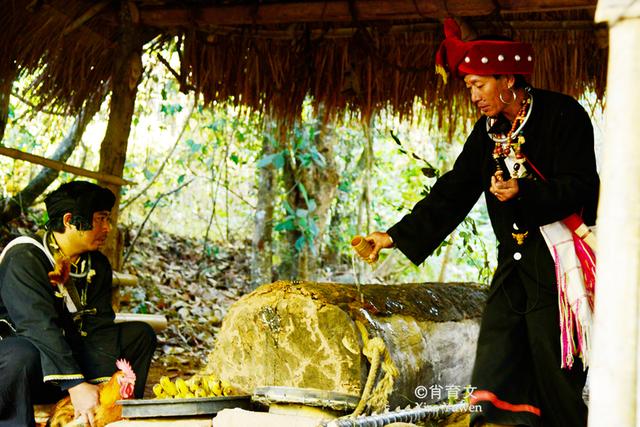
Mengjie is the gathering place for Aba people. The annual Wood Drum Festival is the most ethnic festival for Aba people. On the first day of the festival, headmen and priests hold a ceremony under the towering red-leaved tree before the priest cuts a few trees with an axe, and then others carry the trees to the stump, placing three stones on it as a 'tree line' to buy for the tree spirits. Then, according to the desired size of the drum, the trees are cut and carved with ear-shaped holes, and tied with rattan straps.
The next morning, men and women of all ages, dressed in festive attire, go up the mountain to pull the drums. The priest holds a branch in his right hand, leading the singing and directing the action. People scatter water wine on the ground where the drums have been pulled, men pulling the drums while singing and dancing, others cheering or providing wine and food.
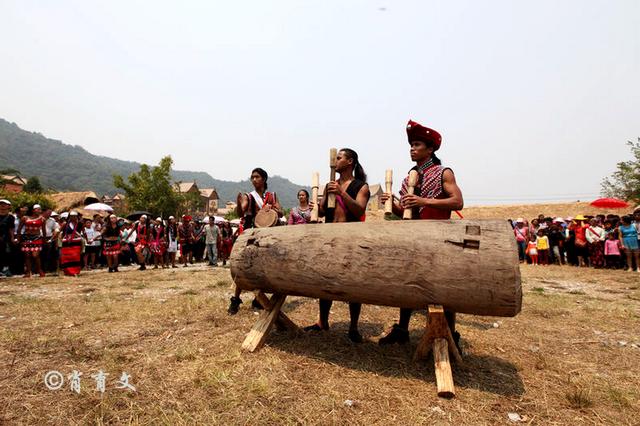
During this drum-pulling, men and women pull together, squeezing and jostling, and they want to have a long, lively time. Once the drums are tested and sound good, they are carried into the drum house for another carnival. People beat the drums together, jumping to the rhythm, and the audience's emotions are stimulated, joining in the frenzy.
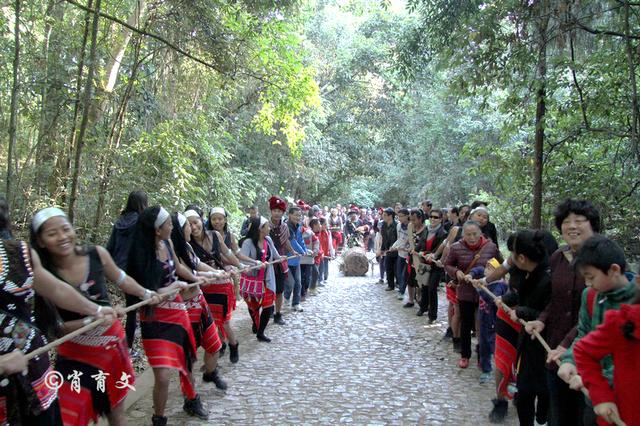
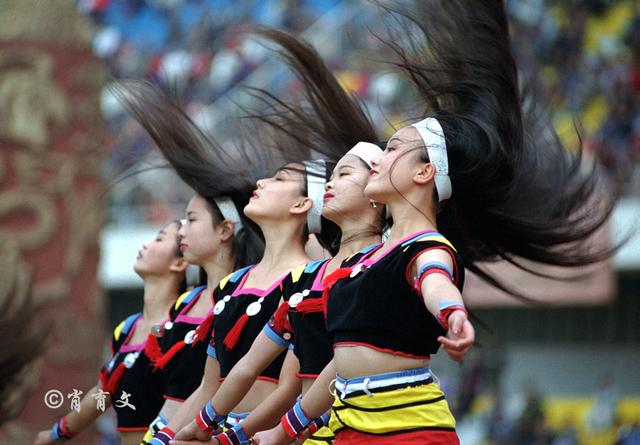
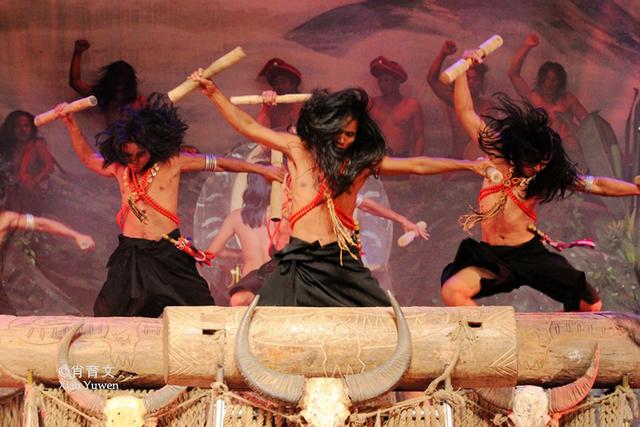
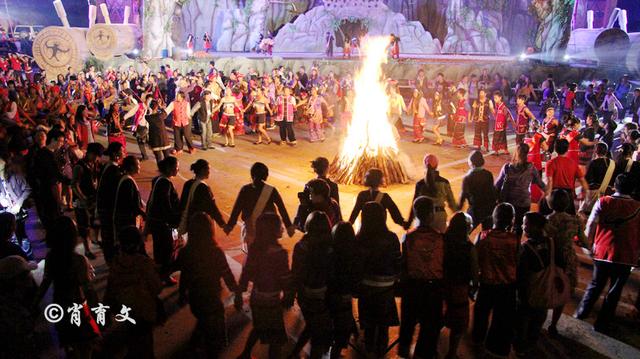
Watching two teams of young men and women pull long ropes from the park's side, singing and pulling the drums, with a priest jumping and using a large wooden piece as a drum, perhaps a special sacrificial action, was on the main street near Dragon Pool Park. After the drums were pulled to the Dragon Pool Park entrance, under the accompaniment of the drum music, a lively scene of Aba dance unfolded. The drums sounded magnificent and exciting, and the dance burst into a passionate frenzy. The audience's emotions were stimulated, and everyone joined the carnival.
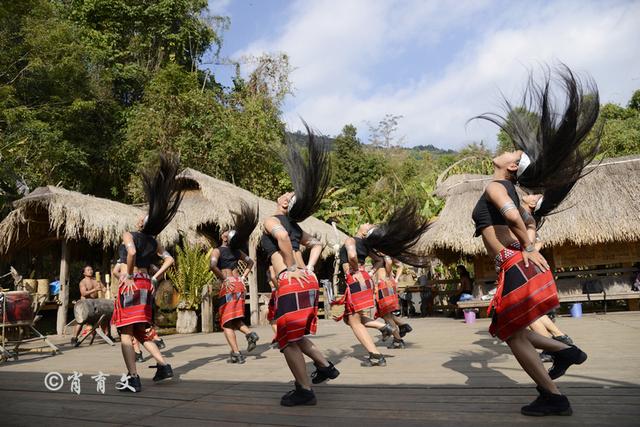
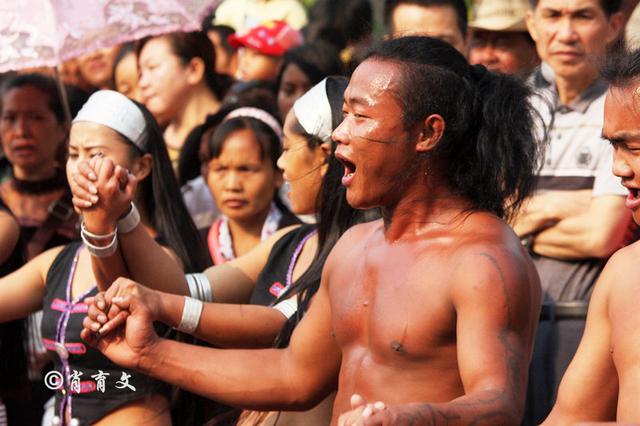
Aba women's hair fell like a waterfall in the sunlight, dancing and fluttering in the light, and the young men's booming chest-pounding sounds echoed across Mengjie. This showed men's bravery and ambition. Beads of sweat rolled down their muscular chests in the sunlight, creating silent water trails. They spread out to the people around them.
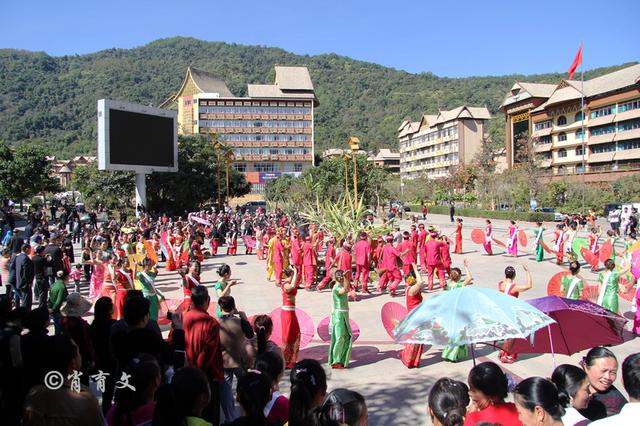
In my eyes, what image is presented here? This kind of vigor, this bold and unrestrained expression, this carefree attitude—this place has become a boiling world. The audience's emotions were all stimulated and joined in, so let's jump and sing and laugh!
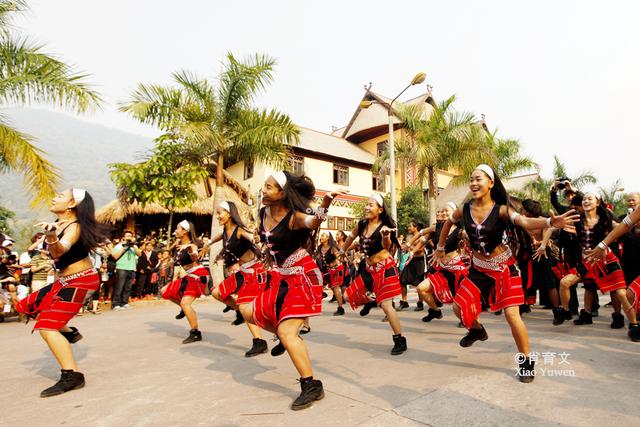
The most straightforward and honest emotions of the Aba people have given birth to either their roughest and wildest or their most original behaviors. The existence of the bull sacrifice is natural; it reflects the Aba people's sincere devotion to cattle.
The bull sacrifice originated from the Aba people's worship of water buffalo. The Aba people have always worshipped water buffalo. Entering an Aba village, the boards of the ethnic houses are hung with buffalo horns. The Aba people worship water buffalo because they believe that only by sacrificing water buffalo to the heavens, the earth, and the gods can solve the difficulties faced by the Aba people.
Legend has it that in ancient times, the earth was flooded by torrential floods, and the ancestors of the Aba people were trapped in a tree. A water buffalo swam over and took them on its back to a safe place. When the floodwaters receded, the surviving Aba ancestors faced the desolate land and encountered a threat of starvation. The water buffalo, to save them, asked the Aba ancestors to slaughter it for food. The water buffalo's only requirement was that people leave their heads as offerings. From then on, the Aba people were grateful to the water buffalo, and every important sacrifice would involve sacrificing a bull and offering the most sacred bull head.
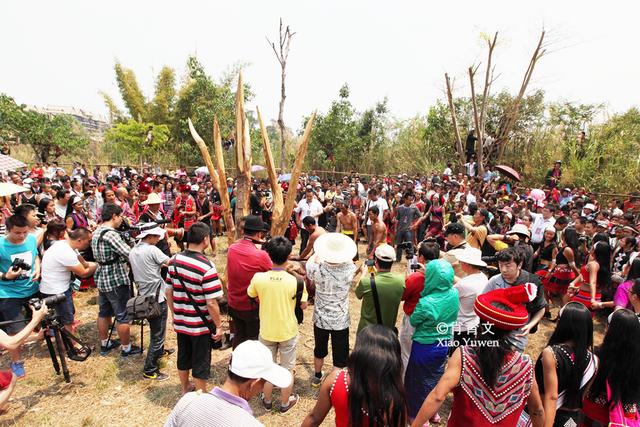
A long procession of people carrying the bull heads began to move towards the sacrificial site at Dragon Pool Lake, and a grand sacrificial activity was about to take place.
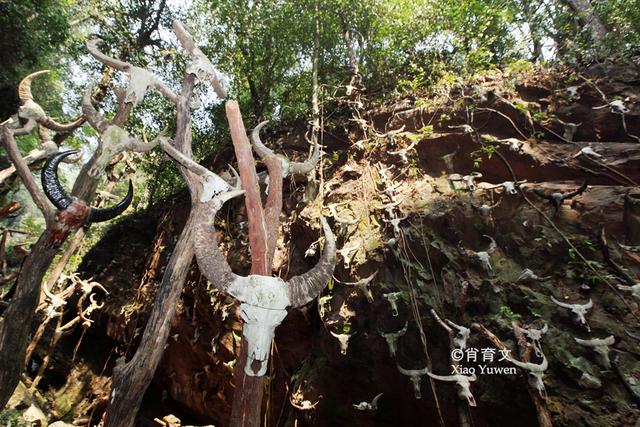
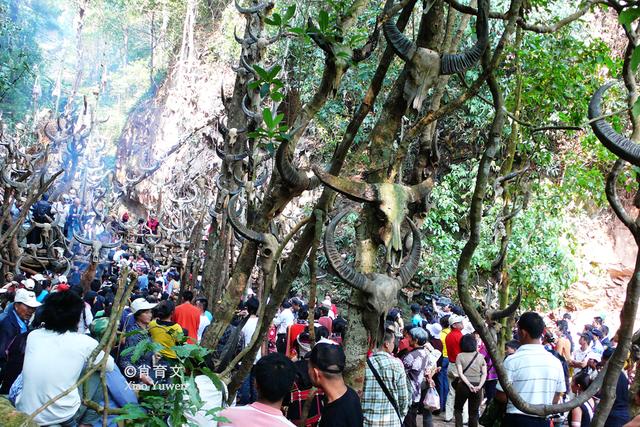
Dragon Pool, in Aba's language, means the dwelling of all gods and spirits; it's the mountain and forest where each Aba tribe stores offerings and worships gods. The Dragon Pool Holy Land in Mengjie County, Diannan Province, has experienced wind and rain for thousands of years. Now it stores over 3,000 bull heads. Every major festival, Aba people come to the Dragon Pool Holy Land to hold a sacrificial activity, to pray for peace in their villages, bountiful harvests, and a smooth life.
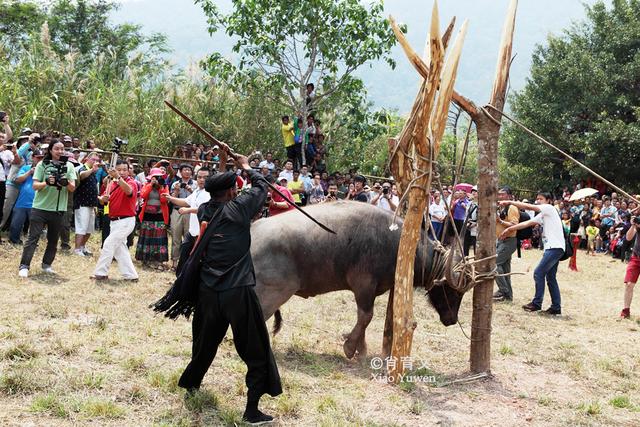
I slowly walked towards the high terrace behind me, which was a road lined with bull heads. After walking about ten minutes, I looked up and saw a bull head stump standing on the road. This was a sacrificial place for the Aba people, where they offered sacrifices to the gods.
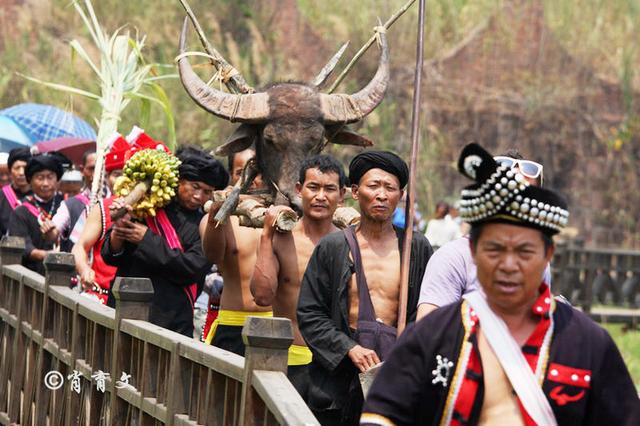
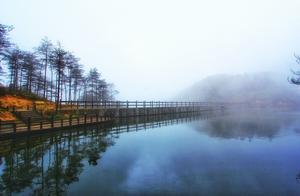
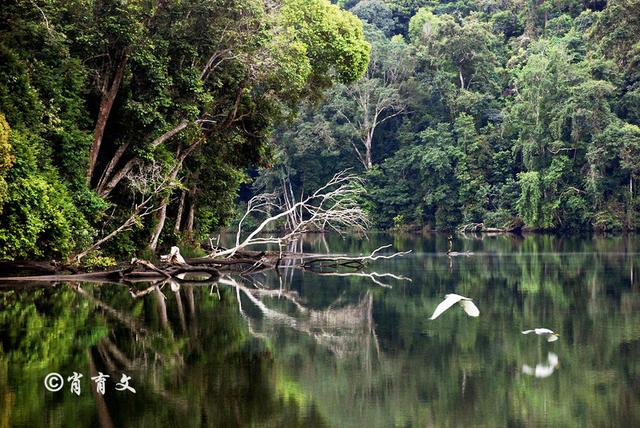
Taking a step back, I first looked around. Here should be a geomantic treasure land. Looking down, I could see Dragon Pool Lake in its entirety, and behind it, along the small creek, were bull heads hanging on trees and rock walls. All around was green mountains. Then my eyes were attracted to the quiet bull heads in front of me. This was a place where the spirits were worshipped.
The sacrificial bull represents the Aba people's sincere devotion to the gods, and the bull sacrifice adopts the most traditional, original, and sincere way in the Dragon Pool Holy Land to hold a solemn and concentrated sacrificial ceremony. Under the leadership of the priest, everyone worshipped the gods, which is the most effective way for the Aba people to communicate with the gods, and it is also a traditional sacrificial activity to pray for peace, prosperity, good harvests, and a happy life.
Travel Guide:
Route: Kunming-Puer: Kunyu Fastway-Yuanmu Fastway-Kunmu Fastway-Kunmu Fastway, the whole route is about 410 kilometers, 4 hours, the toll is about 170 yuan.
Puer – Lancang: 170+km, 3+ hours. Second-level road, oil road, the road surface is flat, there are many bends and slopes, there are many trucks.
Lancang – Mengjie: 54km, 1+hours. Second-level road, oil road, the road surface is flat, there are many bends and slopes, few vehicles come and go.
Accommodation: County hotel, price about 100 yuan. Increase price during the festival, please book in advance.
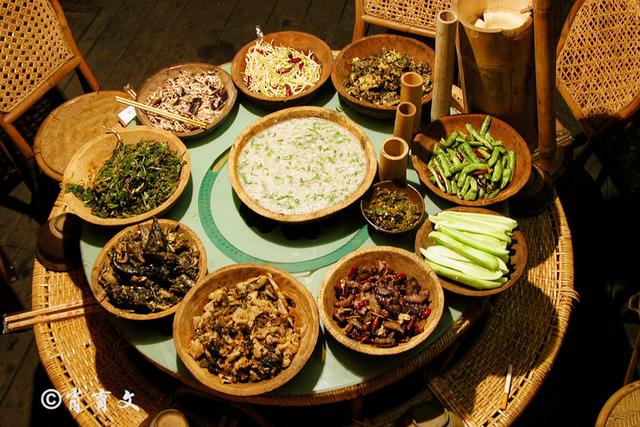
Food: Zizhi rice, sour bamboo shoots, Aba's every-press, these are more original foods.
Driving Route: From Longtan (Dragon Pool Holy Land) → County town experience → Bo'ang Ethnic Characteristic Tourism Village → Miyiji Gorge → Aba Tree King → Mengka Town (Aba Heavenly Lake and Three Buddhas Relics Site) → Aba Village (Mas Village Yong'e Village) → Natusi Township (China-Myanmar Border).
100
→→→→→→→