Entreat Him to Drink Another Cup of Wine, There Are No Friends Beyond Yangguan
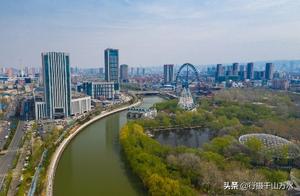
Most people's perception of Xinjiang is still stuck in the majestic Tian Shan Mountains and the vast expanse of the desert, lingering in the beautiful melodies of the Qinvqi flute and the poignant sounds of the Huqia gusset zither. However, today's Xinjiang is no longer as it appeared to those who once knew it. Skyscrapers, rapidly developing villages, and a well-developed road network have amazed everyone who has visited Xinjiang, but even more impressive is the region's unique and magnificent landscapes and distinctive exotic charm.
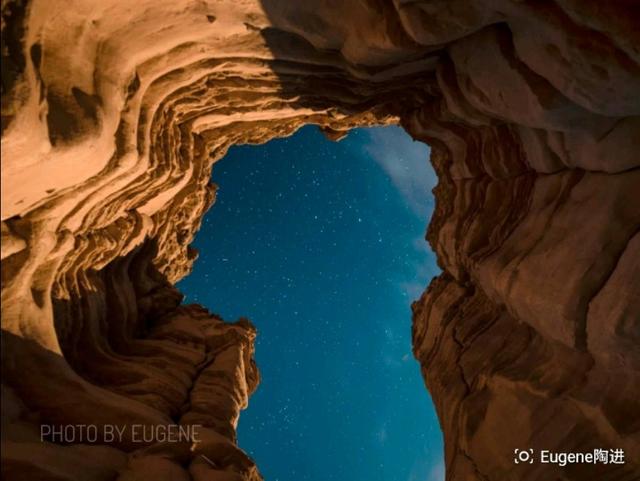
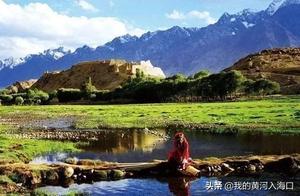
Entering Xinjiang, entering the beautiful Bayinqotu, to appreciate the renowned inland lake and mountain scenery, desert scenery, grassland scenery, and badlands terrain.
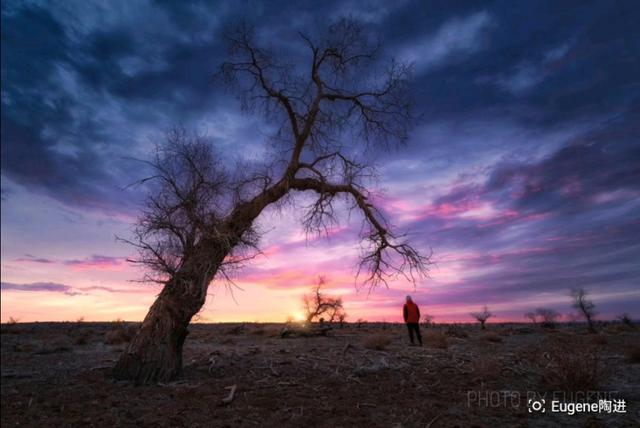

Bayinqotu, in Mongolian, means 'beautiful and prosperous basin.' It accounts for 71.6% of the national basic types of tourism resources, 85% of Xinjiang's basic tourism resource types, with numerous lakes, deserts, grasslands, mountains, ice peaks, and historical sites forming a large tourism resource pattern.
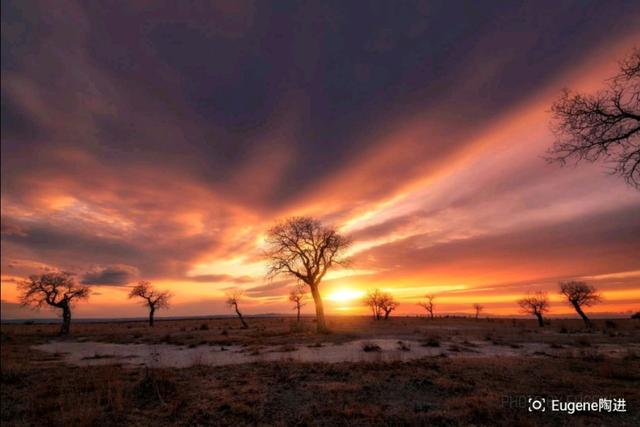
Looking at the vast expanse of Bayinqotu gives the first impression of endless desert.
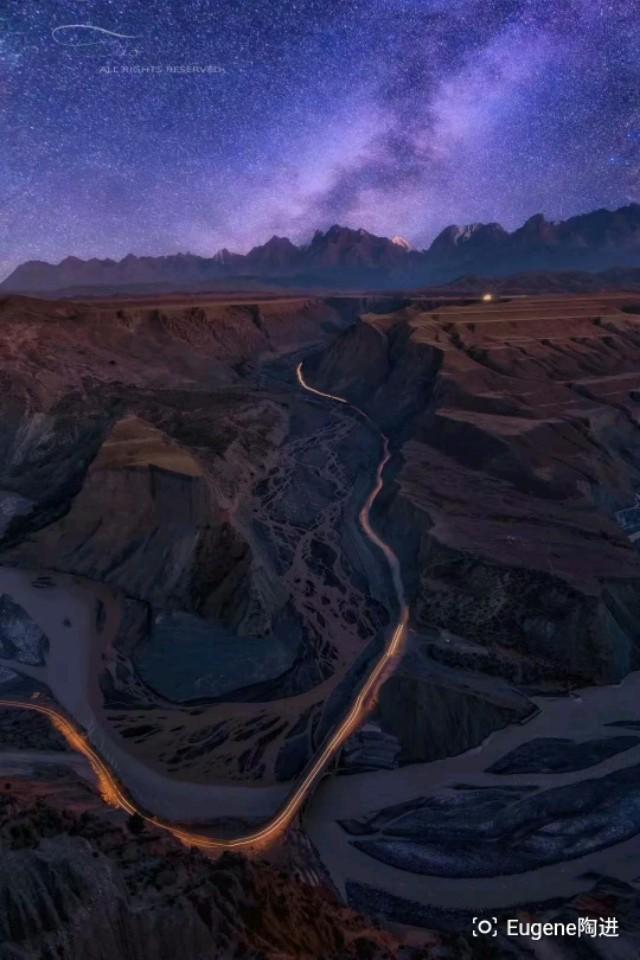
Bayinqotu has a unique geographical environment and climate conditions that have created magical natural landscapes, and also the human landscapes that have been widely discussed because of history. From Zhang Qian's opening of the Western Regions to Ban Chao ensuring the safety and smoothness of the Silk Road; from Marco Polo's foray into the Rub' Al Khali desert to Sven Hedin discovering the ruins of Luhou; from the Türegut returning to the People's Liberation Army's entry into Xinjiang for reclamation; from the accomplishments of the Malan people creating prosperous achievements to the oil battles of Tarim resulting in abundant harvests; from ancient times to the present, the various ethnic groups living on this hot soil of Bayinqotu have formed colorful and ancient pastoral styles in the long-term historical development process. All of this demonstrates the human essence of Bayinqotu from different perspectives.