Nine Hundred and Ninety Springs' Chronicles for This Life
Nine Hundred and Ninety Springs' Chronicles for This Life
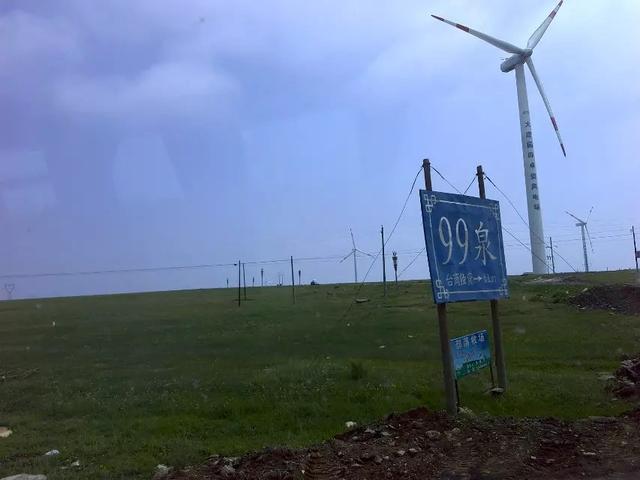
Jiu Jiuquan, Mongolian for ‘Aolunnaoer Xilüe’, located in the ‘Huating Xilüe’ high plateau grassland tourist area of Ulaanhuhot City, Ordos Autonomous Region, Inner Mongolia – the eastern region.
Legend has it that in the southern regions of ancient China, during the hot summer months, a fairy woman, riding on clouds, crossed the Yangtze River and the Yellow River to arrive in the northern grasslands, where Huating Xilüe grassland’s northern area was most pleasant for cooling off in the summer. Therefore, this fairy woman filled a ‘’ (Liri Bing - Crystal Bottle) with spring water; this ‘spring water’ came from underground spring eye springs, sweet and cool.
This spring water was said to be ‘Lingquan Water’, even on the hottest days, a single sip would make you ‘heart feel refreshed and spirit delighted’ with a shiver!
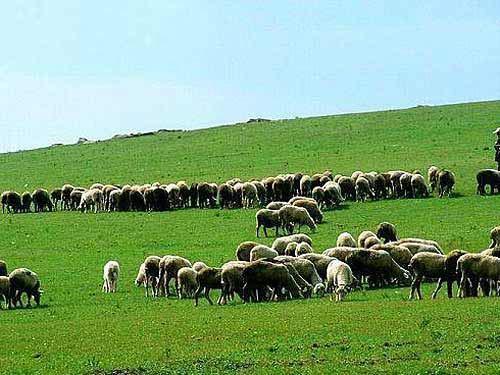
The fairy woman happily floated away, preparing to return to her homeland to cool off her relatives and friends. But as she was about to arrive at Liangding, she was almost blown away by a strong wind, nearly falling from the clouds. When she regained her senses, she realized her clothes were wet and chilly. Only a little more than one-third of the original (Liri Bing - Crystal Bottle) of spring water remained. Suddenly, a ‘’ (Qi Cai Hong - Seven-Colored Rainbow) appeared, and she didn't bother to lament it, instead, she stepped onto the rainbow bridge – it was truly beautiful!
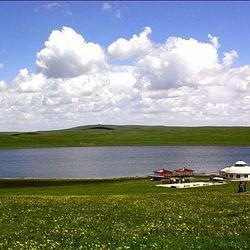
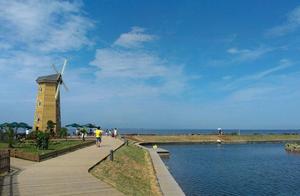
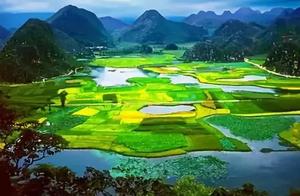
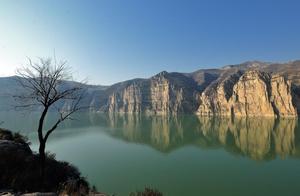
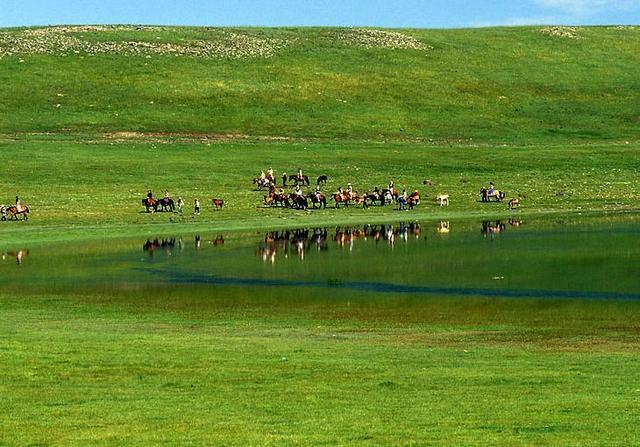
Upon returning, she found over a hundred lakes! Each lake was like a mirror, so beautiful and serene. The rainbow bridge and herself were reflected within them. The sun was at midday, and the fairy woman gently wiped sweat from her forehead with her sleeve, took a small sip of spring water, and couldn’t help but shiver, ignoring the heat, she waved her sleeves and set off towards her dwelling!
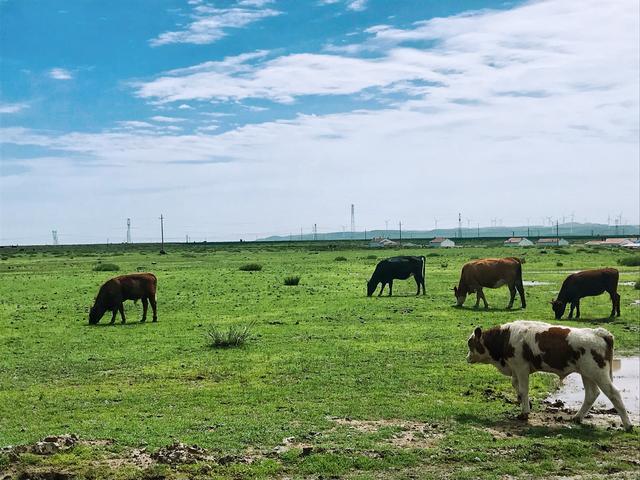
After thousands of years, the earliest historical records state that the Northern Wei Emperor, Tuoba Gui, when he toured north, built a stone pavilion in the Jiu Jiuquan area. His son, Tuoba Si, who inherited the throne, also traveled extensively and became deeply fascinated by the Jiu Jiuquan scenic area.
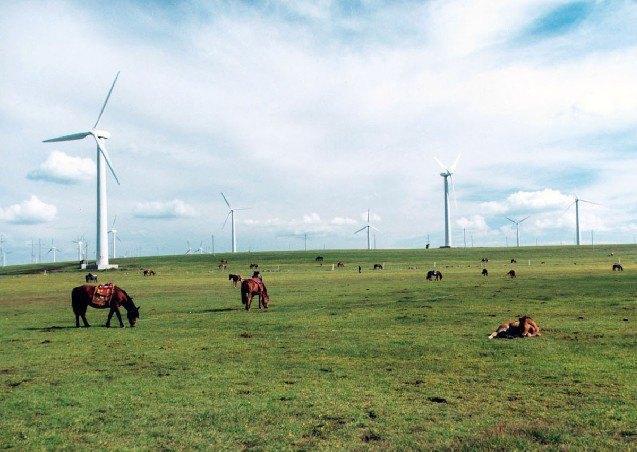
During the late Tang Dynasty, the Liao Dynasty and the Western Xia Kingdom fought for decades, and the Khitan leader Yelabuoji, the Yuan Emperor Yeluyu, and Yeluzongzhen stayed troops at Jiu Jiuquan scenic area to expand military campaigns.
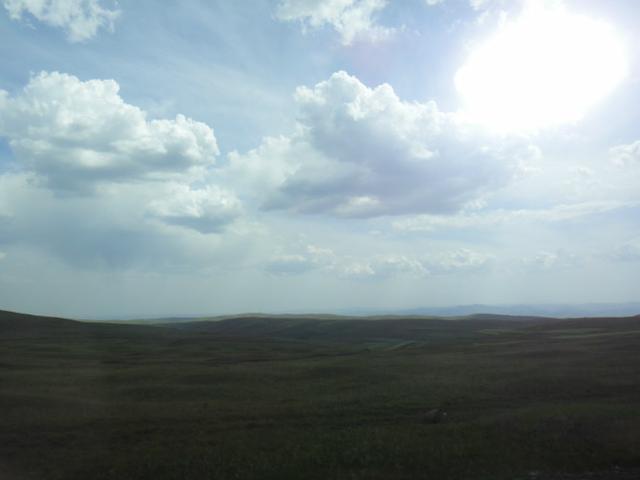
During the Yuan Dynasty, the second Emperor of the Yuan Dynasty, Genghis Khan’s third son, (Woketuai), established a ‘Woketuai’ palace – a temporary camp – at Jiu Jiuquan scenic area at that time. You can imagine ‘gold chariots and horses’ and ‘drinking from the spring’ – a beautiful scene…!
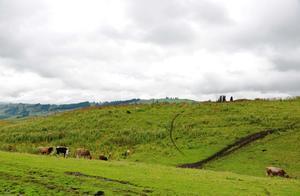
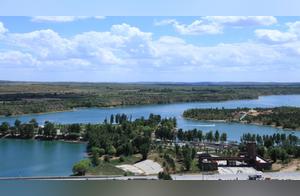
The Jiu Jiuquan scenic area is located at an altitude of 2,000 meters on the high plateau grassland. The area to the north of the scenic area is nourished by two underground sources – the Dingji River and the Heishanzi River. Furthermore, due to the high altitude, a cloud layer forms when a breeze gathers clouds, and the cloud layer, combined with the cold air from the north, the warmth of the mountain’s slopes, and the water vapor from the vegetation, creates rain and snow. Spring, winter, and autumn snows; summer and autumn rains – often mixed with spring and autumn rain showers.
Every sunny day, the sunlight shines on the spring and lake waters, creating shimmering reflections!
Every full moon night, the moonlight shines on the grasslands; a full moon reflects in the lakes, quiet and profound – like a mirror.
A poem: ‘’ (Jiu Jiuquan)
Ji Qianquan
Nine Hundred and Ninety Springs' Chronicles for This Life,
Several thousand years have passed without regret;
The fairy woman had no intention of falling,
creating over a hundred spring lakes.
The Khitan army’s orthodox transmission,
The Liao Dynasty and the Yuan Dynasty’s gold chariots and horses;
Drinking from the spring at Liangding.”
The altitude is as high as 2,000 meters;
Dingji and Heishanzi rivers,
Nine hundred and ninety years – enduring the vicissitudes.