One of Sichuan’s Ten Most Beautiful Streets, Crowded with Tourists, But the Name Was Chosen Casually
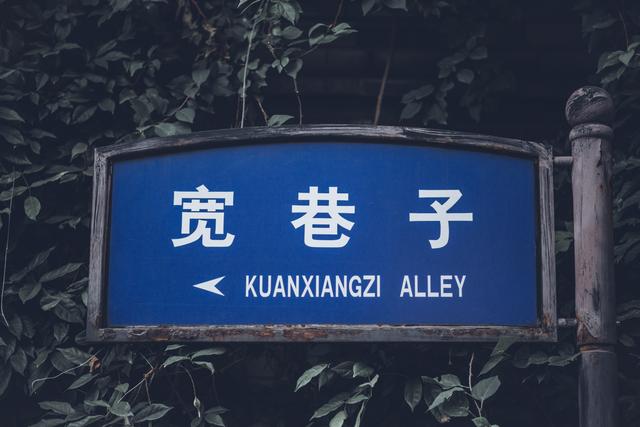
Chengdu is a famous tourist city in China, boasting delicious food, beautiful scenery, and a unique humanistic history. Every corner of the city holds its own story, and one place in particular is hugely popular with tourists, retaining a profound sense of history.

Located in Qingyang District of Chengdu, the Chengnan Alley (Wide and Narrow Alley) consists of three alleys: Wide Alley, Narrow Alley, and Jing Alley. It is always bustling with tourists, and has been selected as one of Sichuan's ten most beautiful streets. However, it was originally not named like this, and the story behind its naming is quite peculiar.
During the Qing Dynasty, the Chengnan Alley was called Xing Ren Hutong (Xing Ren Lane), the Narrow Alley was called Tai Ping Hutong (Tai Ping Lane), and the Jing Alley was called Ru Yi Hutong (Ming De Hutong), radiating a strong sense of the era. In the early years of the Republic of China, 'hutong' was changed to 'alley', and finally, in the 37th year of the Republic of China, city surveyors simply labeled the wider one as 'Wide Alley', the narrower one as 'Narrow Alley', and the one with a well as 'Jing Alley'. No one could have imagined that these three names would accompany them for the rest of their lives.
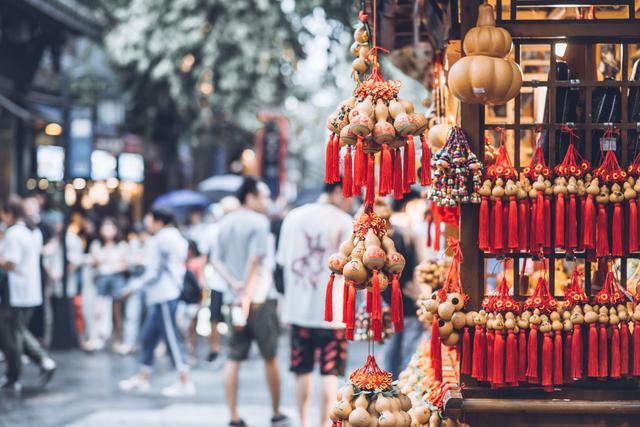
However, no matter what they were called, they couldn't change the essence of the place, and they were even more memorable and easier to spread. Within the Wide Alley, there are many buildings from the late Qing Dynasty and early Republic of China, mixed with some Western-style churches, which are particularly suitable for nostalgic photography, with traces of time embedded in them.
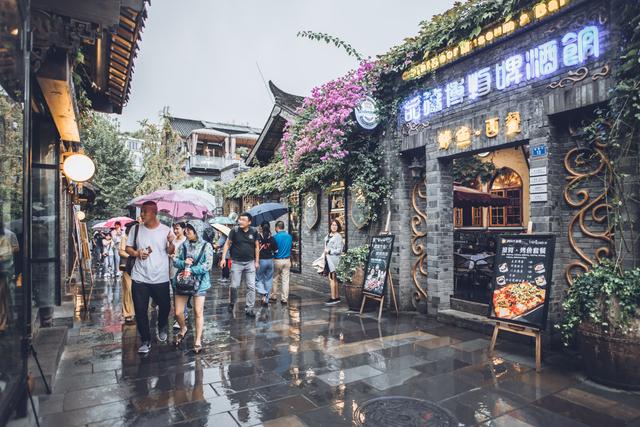
The Narrow Alley has become a favorite place for young urbanites. After the transformation of Lao Chengdu's courtyard, it has become a stylish bar and restaurant venue, where young people often stay for a whole day, reflecting modern people's aesthetic tastes.

The Shilian Stone in the Chengnan Alley scenic area is now mottled, but it also reflects the culture of the Chengdu region. The Wide and Narrow Alley was once the residence of eight banner troops from the north, who were accustomed to riding horses, and the Shilian Stone also played an important role.

And the 500-meter-long brick cultural wall in Jing Alley tells the history of a thousand years of Chengdu. The bricks pieced together countless years of wind and rain. The 500-meter-long folk custom shadow wall interprets old Chengdu's market life in another way.
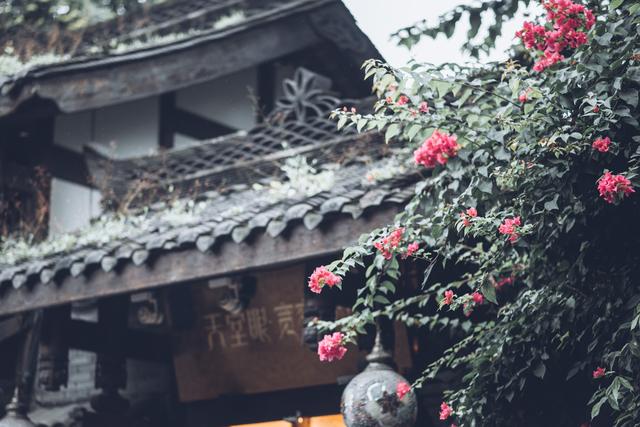
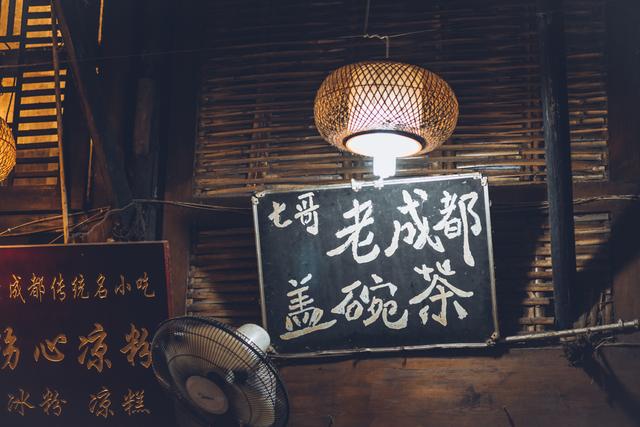
Time flows on, and the prosperity continues. The Wide and Narrow Alley has been a popular destination from the Qing Dynasty to the present day. The shops along the street are lined up in succession, trees are shady and green, and flowers are blooming in abundance. Old Chengdu people who like to relax and spend time enjoy tea and listen to the news, enjoying a leisurely life worthy of being cherished.