Mountains Like Paintings, Bridges Like Dreams! Visitors are Enchanted by this Scenery – Dujiangyan Travel Guide
Dujiangyan is located west of Dujiangyan City, Chengdu, Sichuan Province, and was built in 256 BC. This large-scale water conservancy project has been preserved until today. Dujiangyan is 60 kilometers from Chengdu downtown. When traveling to Chengdu, you can spend a day to visit Dujiangyan to see the green mountains and waters and feel this great water conservancy project.
Tourist Route
Scenic Route: Guanxian Ancient City—Dujiangyan South Bridge—Dujiangyan Scenic Area Off-Heap Big Gate—————————
Guanxian Ancient City
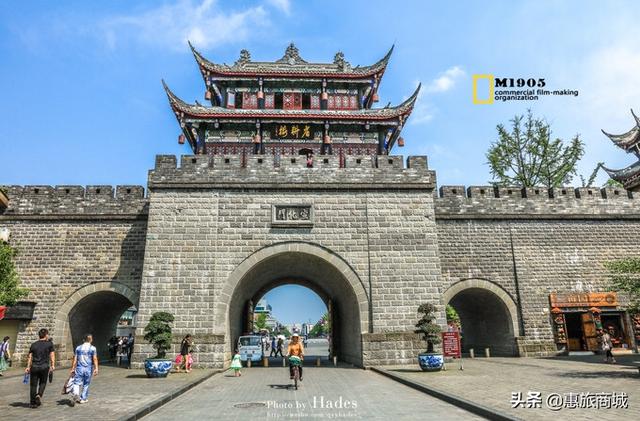
Known as 'Mountains and Water into the Heart, Life Dao', Guanxian Ancient City is integrated with the Dujiangyan Scenic Area. Standing on the city, modern city and millennium ancient canal each stand on the left and right, forming a significant visual impact. Although Guanxian Ancient City's city walls and watchtowers are newly built in imitation of old style, they still reveal a strong historical atmosphere.
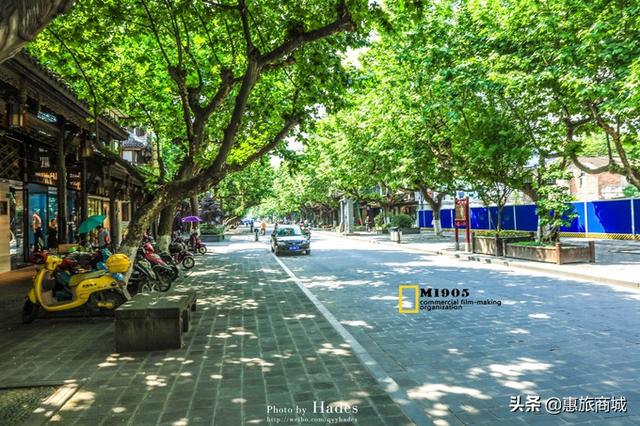
Enter Guanxian Ancient City, the streets are spacious and clean, and the trees along the roadside are lush. It is completely different from the scenery outside the city.
Dujiangyan South Bridge
After passing through a long restaurant corridor in the city, you come to a wide square. Here is the famous Dujiangyan South Bridge. South Bridge West Street is the starting point of the Tea-Horse Road, and South Bridge beside it is the main entrance to the Dujiangyan Scenic Area.
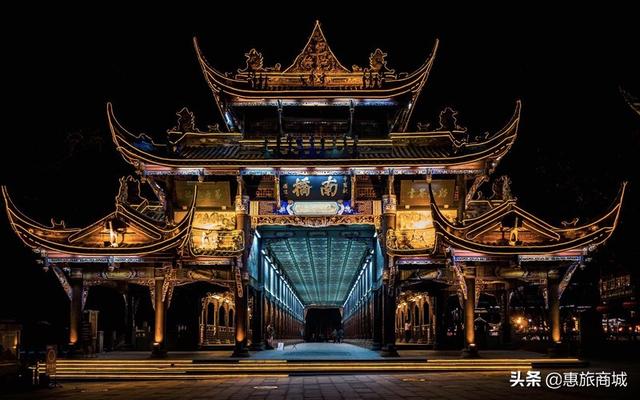
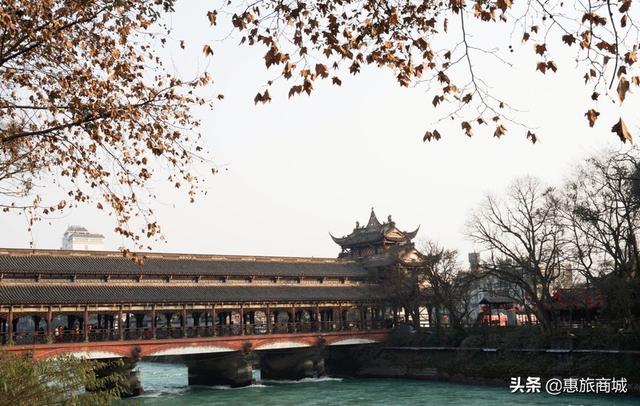
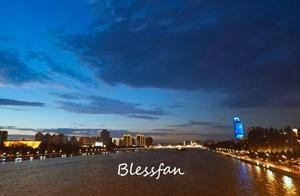
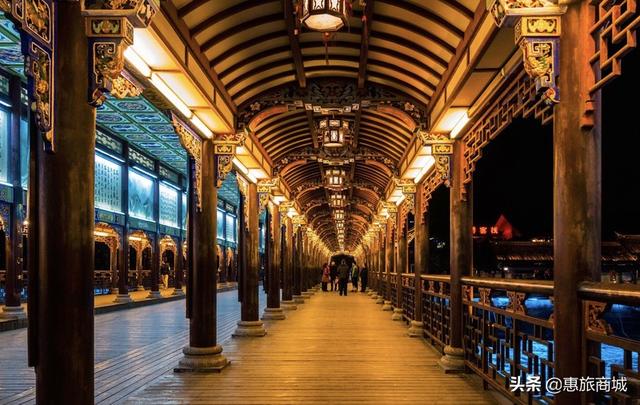
In 2008, South Bridge was identified as a dangerous bridge after the Wenchuan Earthquake and underwent large-scale repair and lighting beautification. The bridge corridor night view is a must-see in Dujiangyan; the bridge corridor's carvings and decorations are beautiful.
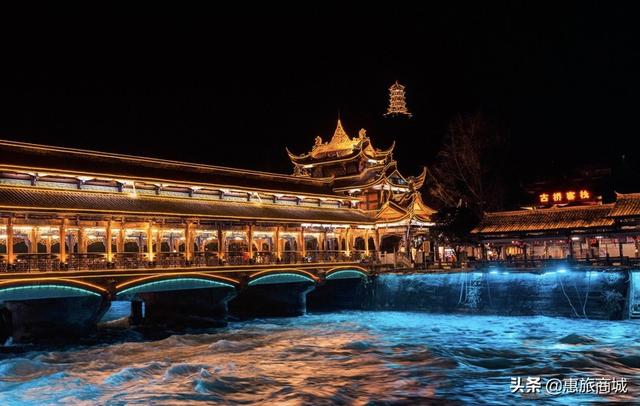
The river under South Bridge comes from the Dujiangyan River. The riverbank is lined with imitation old-style corridors. Under the corridors are shops and businesses. During the day, people play mahjong and drink tea. In the evening, they have a lively banquet.
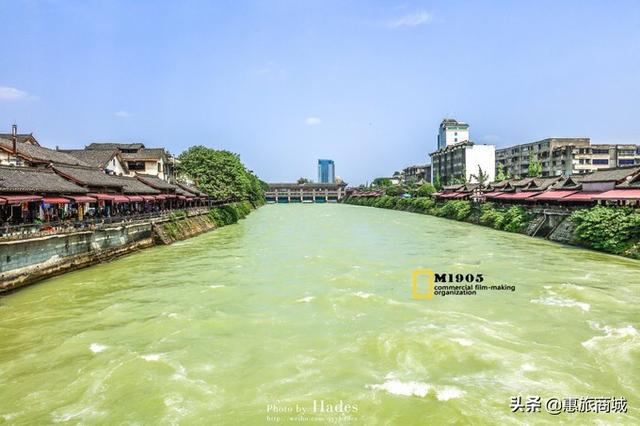
Dujiangyan Scenic Area Off-Heap Gate
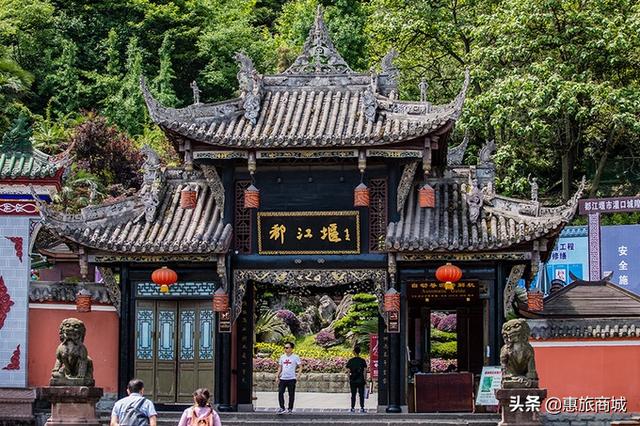
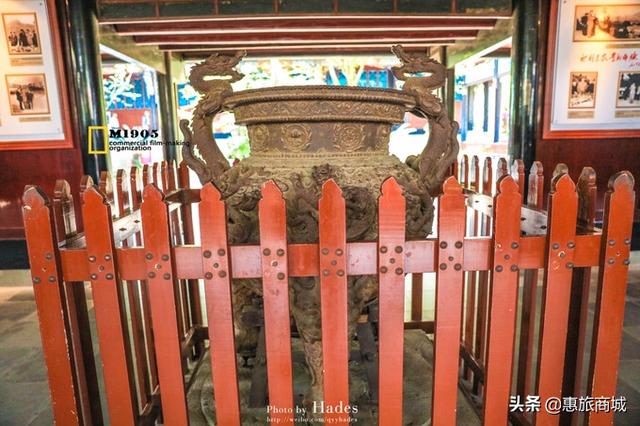
Not far from the entrance of the scenic area is a small square. In the middle of the square is a fountain, and four lying iron pillars are downstream. These four lying iron pillars are called 'Lying Iron'. The fountain performance shows three props used by Li Bing when building the dam.
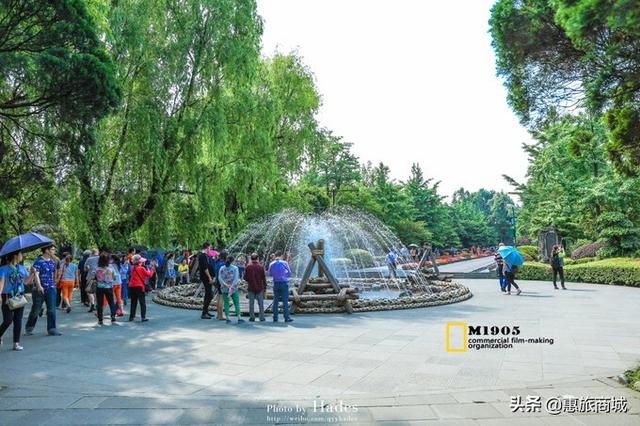
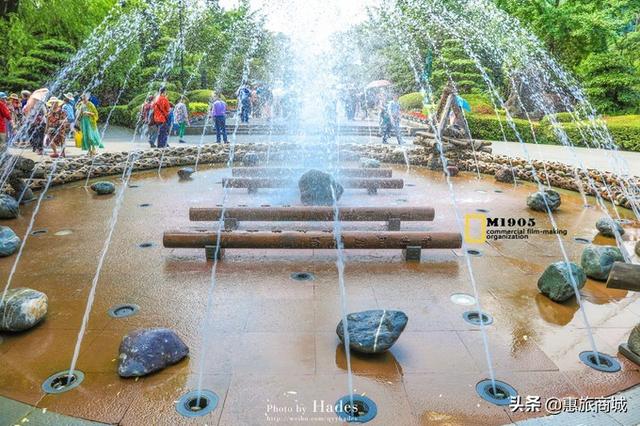
1Legend says that Li Bing buried stone horses under the riverbed when building the dam. They were later transformed into lying iron. The standard for scouring the riverbed in Inner River was located at 'Fei Si Wo', and it was the sign for repairing the riverbed depth of Inner River every winter. Locals would stop scouring the riverbed when they saw four lying iron pillars because scouring too deep would cause floods in the Chengdu Plain, and scouring too shallow would cause drought in the Chengdu Plain. The replicas of the lying iron seen in the Off-Heap Gate fountain are still buried under the Inner River.
2To intercept the river, a bamboo cage was used to reduce the flow of water.
3: A three-legged frame made of bundled large logs, used together with bamboo cages to prevent them from being washed away.
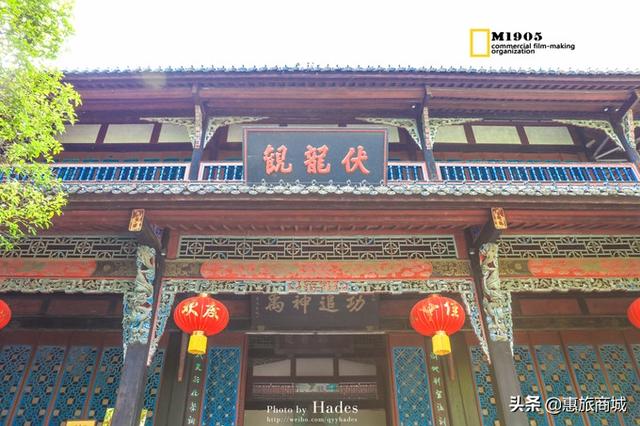
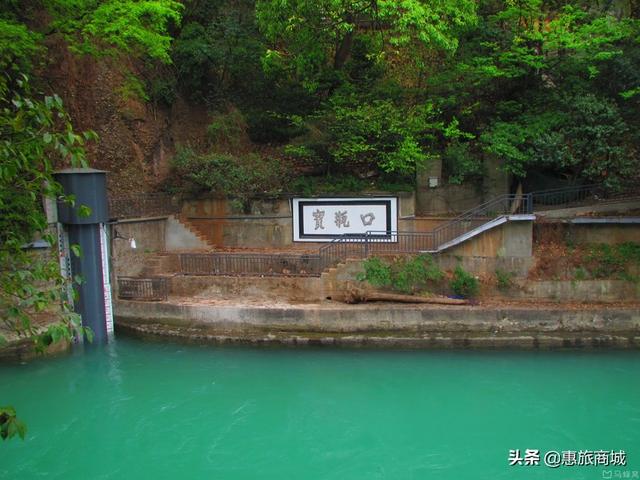
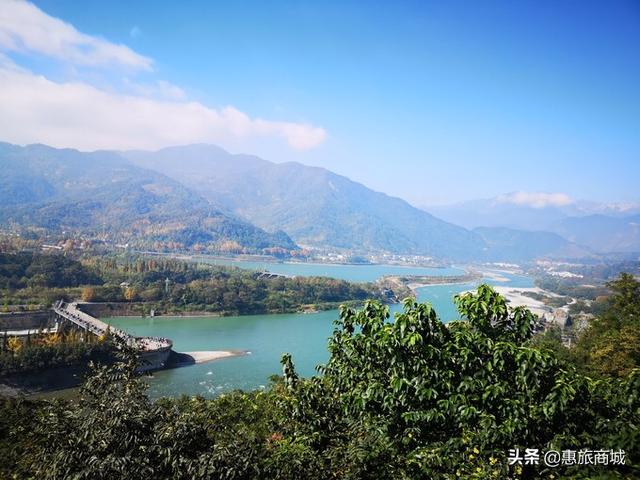
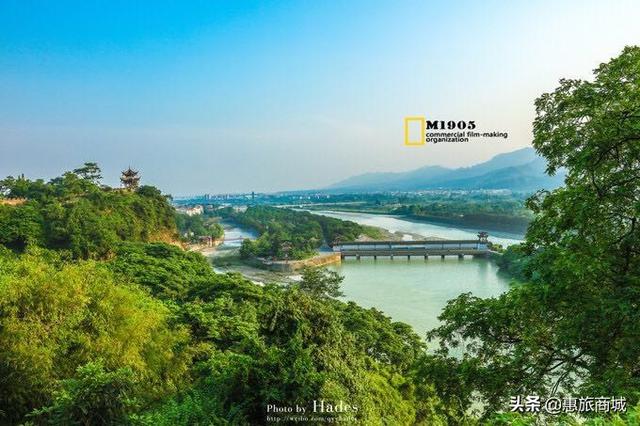
The hill where Vulongguan is located is Off-Heap, and the river channel is called Bao Ping Kou. Bao Ping Kou is the first water conservancy project entering the Dujiangyan Scenic Area, used to strictly control the flow of water entering the Chengdu Plain. Because it looks like a bottle mouth when viewed from a high place, it is named Bao Ping Kou, and it also means 'to ensure peace and safety'.
To further control the water entering Bao Ping Kou, Li Bing built a diversion ditch near Bao Ping Kou for flood control and water diversion. To ensure there are no disasters in Inner River, the ditch in front of the diversion ditch is curved, and the water flows into Outer River when it exceeds the dam, so it is called 'Fei Sha Yan'.
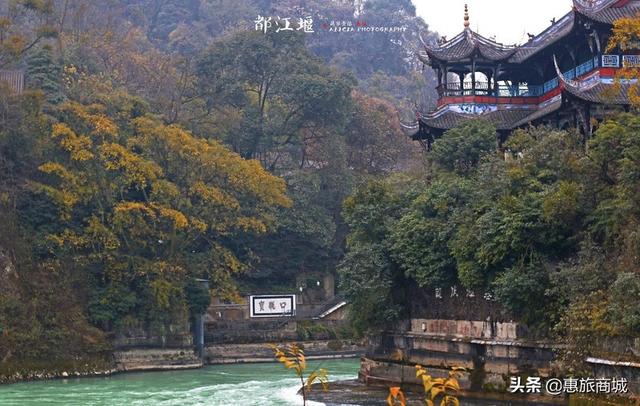
After Bao Ping Kou's water conservancy project, the river was difficult to flow into Bao Ping Kou, so Li Bing decided to build a diversion dam in the middle of the to divide the water into two branches: one flowed down the river, and the other was forced into Bao Ping Kou. Because the dam's front shape looked like a fish's head, it was called 'Yu Zui'.
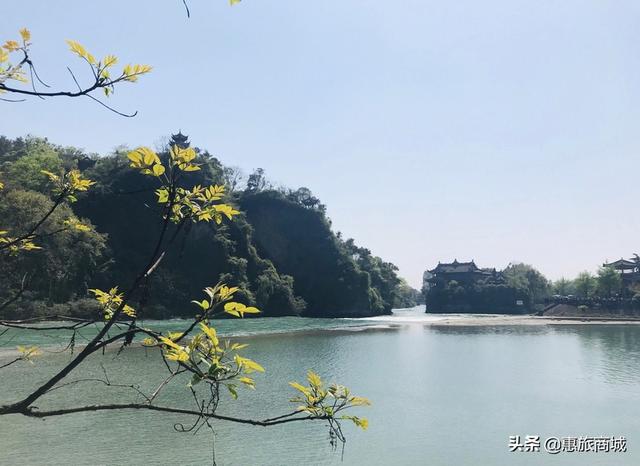
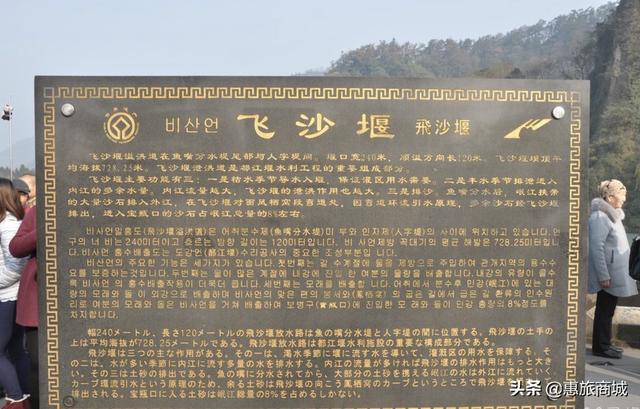
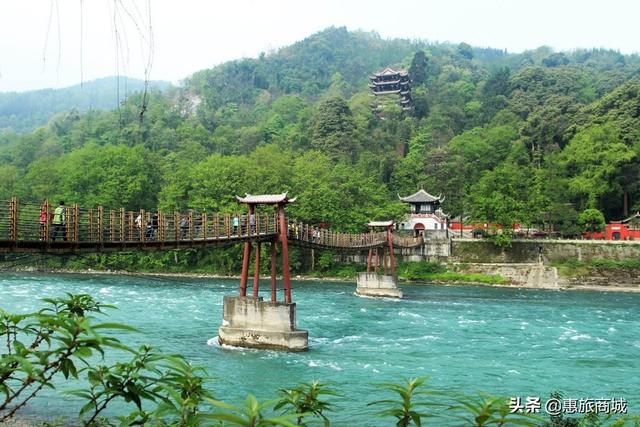
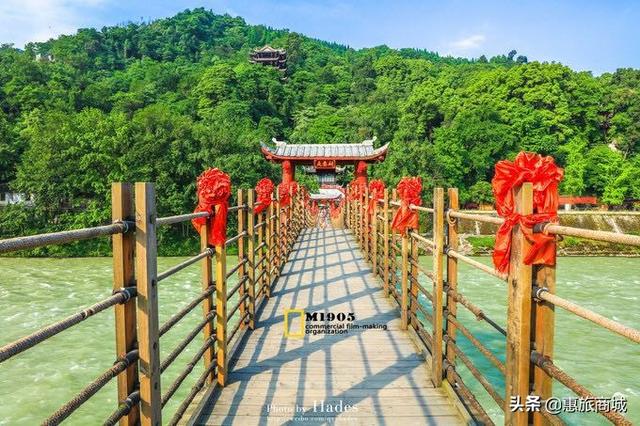
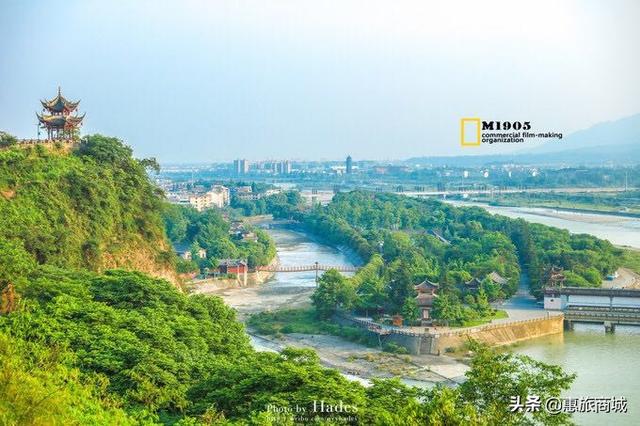
Anlan Suspension Bridge was built during the Tang Dynasty and was destroyed during the Ming Dynasty. The current Anlan Suspension Bridge was built by a pair of He surnames in the Qing Dynasty. The bridge surface is paved with wood, and a railing is set on the side. People on both sides can safely cross the river, so it was renamed Anlan Bridge. The locals commemorate the He surname couple, and it is also called 'Husband and Wife Bridge'. The bridge is 320 meters long and crosses two rivers.
The current Anlan Bridge is an iron suspension bridge. The bridge surface is paved with wooden boards. Walking on the bridge, the body shakes violently. The bridge surface is very close to the river surface, and you can touch it.
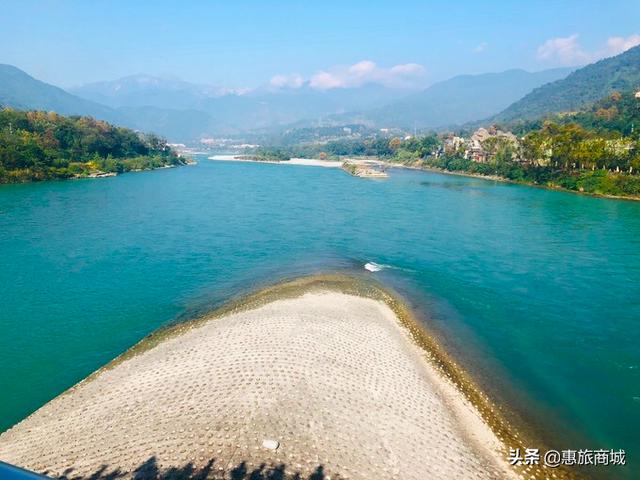
After crossing Anlan Bridge, walk along the bridge corridor uphill, and you will arrive at Lao Jun Temple at the halfway point. The temple is not big, but it is still quite busy. You can overlook the scenery below from the temple.
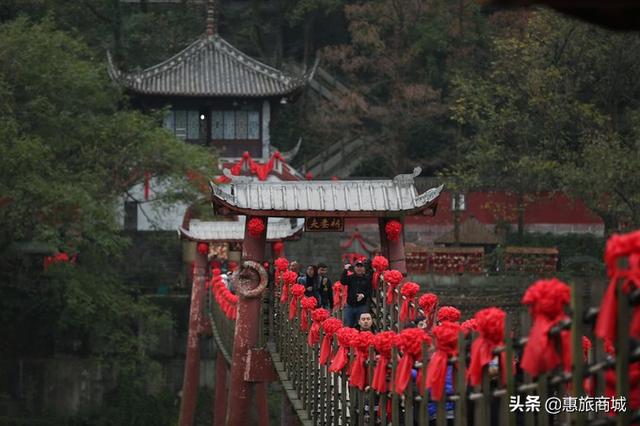
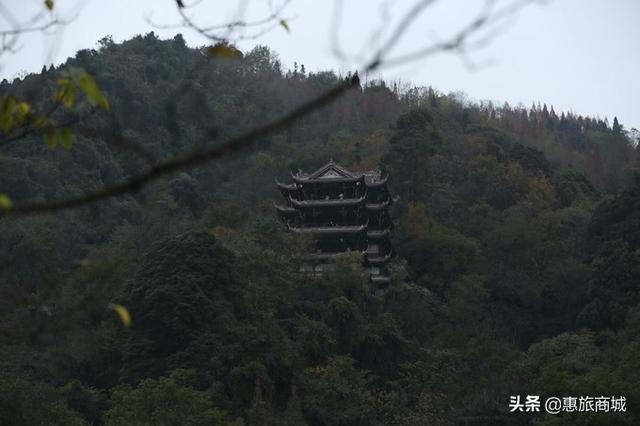
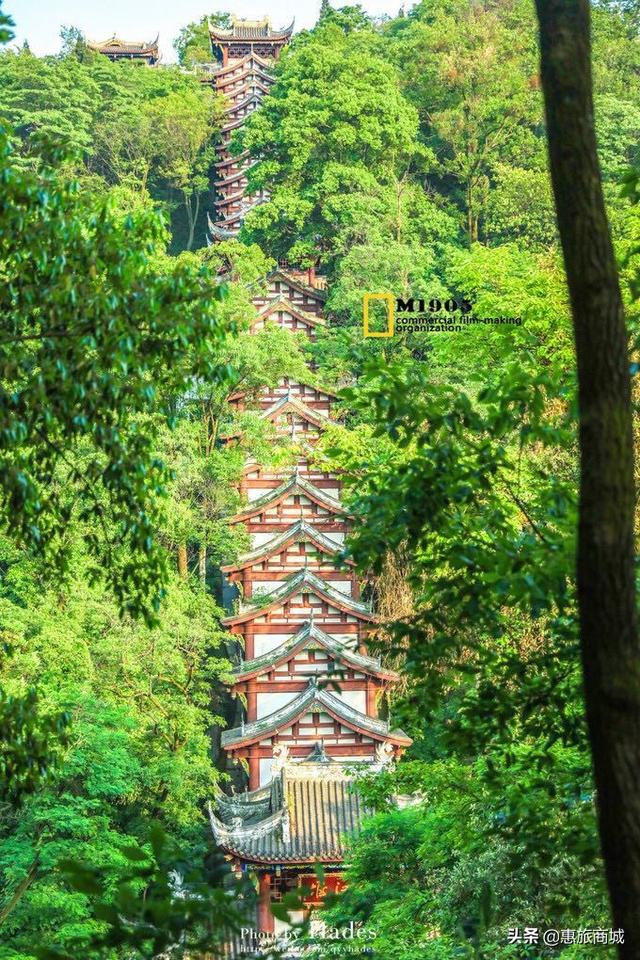
Continue to the Qin Yan Tower, which is the best location to view the entire Dujiangyan Scenic Area. Qin Yan Tower is a modern building built in imitation of old style. You can take an elevator to the bottom, and the elevator passage is very spectacular.
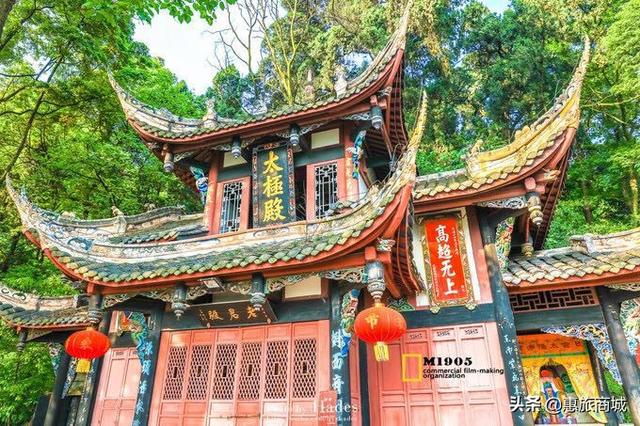
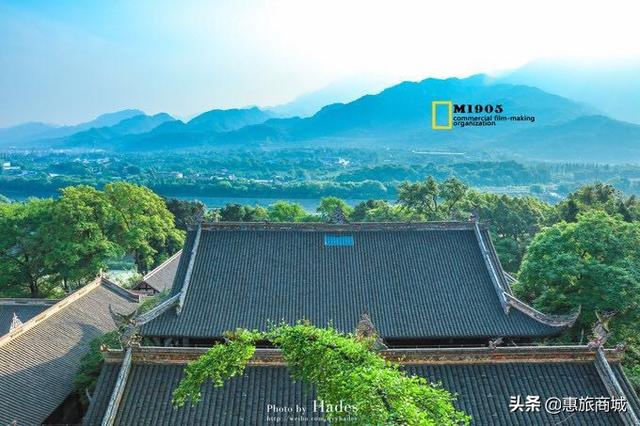
Continue to Yulei Temple, Yulei Temple has good scenery, and you can directly overlook the entire scenery of Fei Sha Yan. Yulei Pass is known as 'The Key to the Southwest' and has a history of more than 1100 years, built during the early years of the Tang Dynasty's Zhenguan, located at the Tiger Head Cliff on the banks of the, controlling the throat of the ancient , it is called 'The Key to the Southwest'.
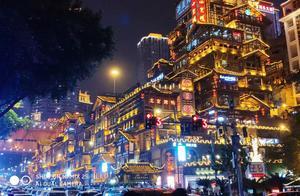
From the exit of the scenic area is a square, and the exit gate is very beautiful. With the arrival of the night, Dujiangyan lived in the night. The mountains are like paintings, and the bridges are like dreams. Visitors are all immersed in the night scenery of Dujiangyan.
Transportation Information
Self-driving: From Chengdu downtown to Dujiangyan Scenic Area, take the Chengdu-Guanzhou Expressway, about 1 hour, toll is 20 yuan.
Intercity Rail: Take a high-speed train from Chengdu North Station to Dujiangyan (one train per hour), about 30 minutes, ticket price is 15 yuan.
Bus: Depart from Dizi Tea Farm Bus Station in Chengdu West to Dujiangyan (one train every half hour), about 1 hour, ticket price is 17 yuan.
—120
15
117