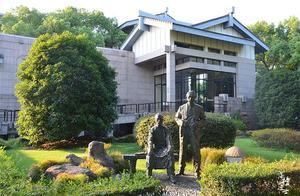
The ancient city of Yuxi, Yunnan, resembles a square official seal, with the Niu Belt as the central element.
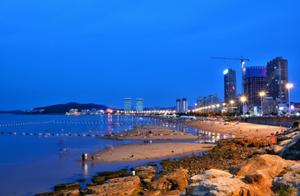
Note that it is still chilly in Harbin, and there is a longing for spring-like weather in the 'south of the clouds,' like 'Yunnan's Yuxi, which has a seaside ancient city, interestingly, this ancient city is just like a seal.
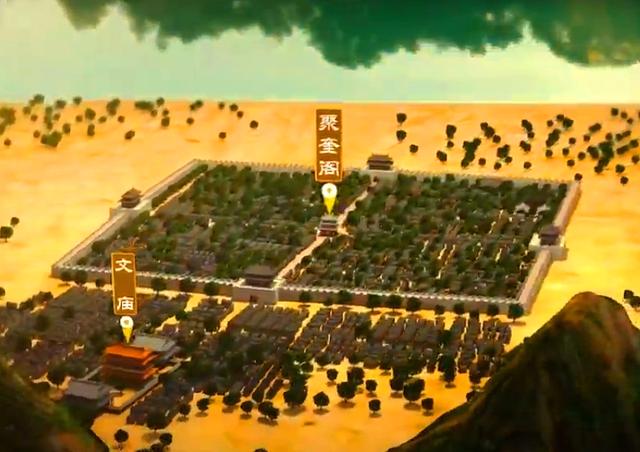
During the Qing Dynasty, poet Qian Nan yuan wrote in 'Rainy Stay in Tonghai' 'Lonely city backed against the water and leaning against the mountains, recalling the misty rain in Jiangnan,' which expressed the spiritual and beautiful essence of Tonghai Ancient City. Tonghai Ancient City has passed through a thousand years of history, located in the eastern part of Yunnan Province's Yuxi, with an area of less than one square kilometer. From an aerial perspective, it looks like a square and neat seal. The 'Niu' belt is the fortress built during the Ming Dynasty.
Tonghai's cultural accumulation is profound and rich in cultural heritage, known as 'a country of rites and music.' The Tang Nanzhao established 'Tonghai City Road,' opening up the maritime humanistic wind. The Song Dalai Kingdom set up the Xian Shan County as the administrative center in Yunnan south, and Tonghai was the administrative center of the road. The Ming Dynasty established Tonghai Imperial Enclave and '' (military garrisons and farming),
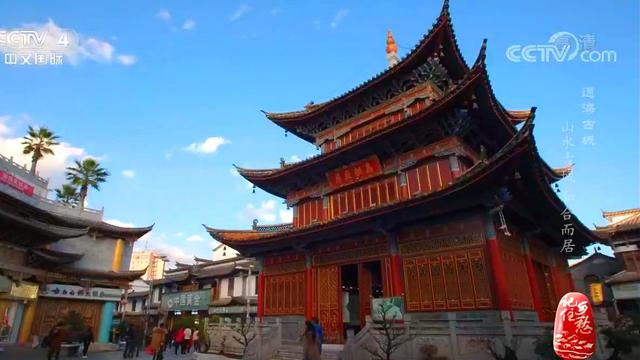
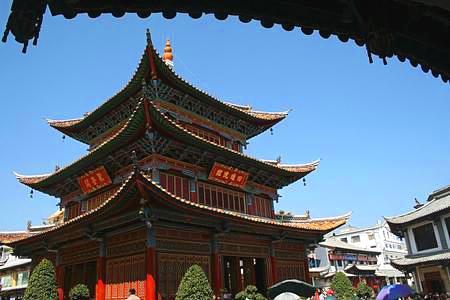
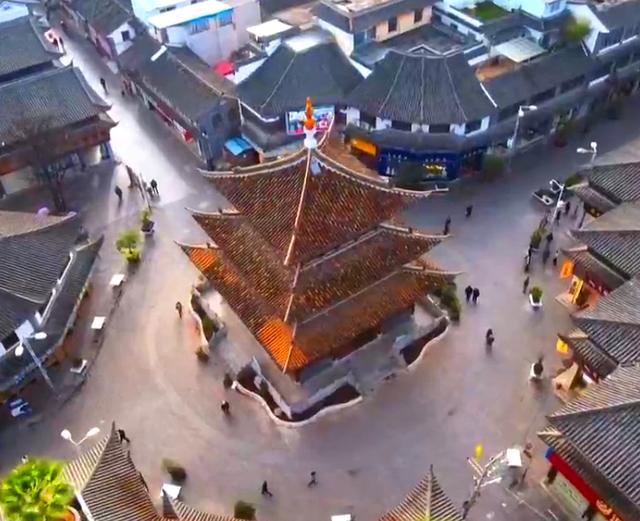
The landmark of Tonghai Ancient City, the Quijie Pavilion, at the intersection of the four north-south streets east and west, was built during the Ming Wanli period, rebuilt many times in the Qing Dynasty, and the last reconstruction is about a hundred years ago.
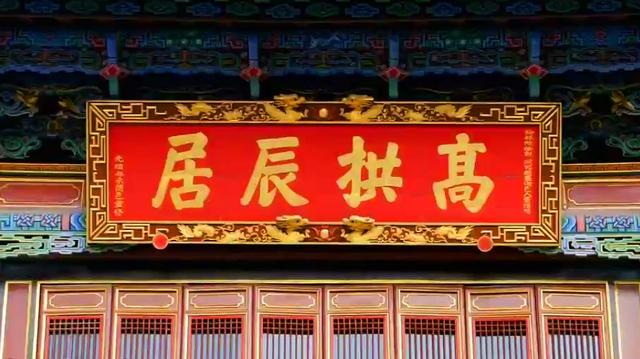
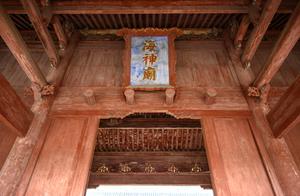
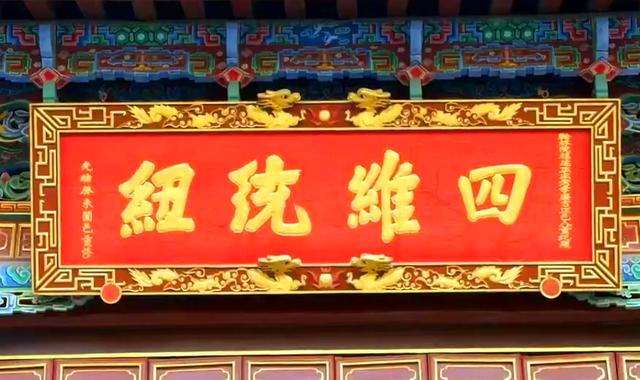
'High arched residences,' 'Four-dimensional unified belt,' 'Crown-decorated south region' – these plaques hanging on the pavilions reflect the magnificent past of the ancient city. 'Four-dimensional unified belt' is the center, unifying politics, economy, culture and life; 'Crown-decorated south region' further elaborated the meaning of 'Four-dimensional unified belt,' saying that Tonghai Ancient City from the Tang Dynasty to the Qing Dynasty, covered the whole Yunnan south.
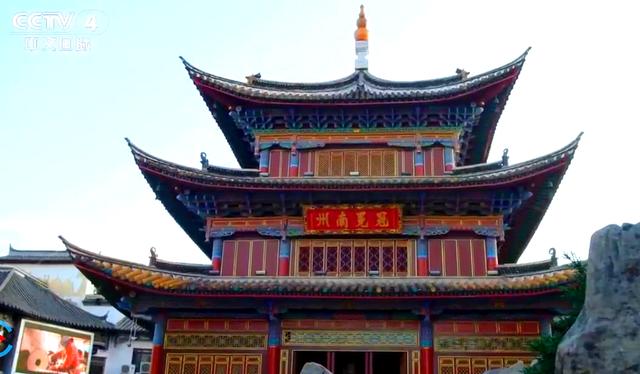
The Quijie Pavilion, the central building of Tonghai Ancient City, is a conical-roofed single-eave building with four sides, twice destroyed by large fires, and rebuilt in the fifth year of the Qing Dynasty, preserved until now. The Quijie Pavilion is made of southern iron chestnut trees, built with the '' (mortise and tenon structure) of Chinese construction, and has withstood two earthquakes in over 100 years, which is a perfect annotation of the scientific nature of traditional Chinese building structures. 'The top floor of Quijie Pavilion enshrines Qu Xu, the legendary god who controls the imperial examination, with a pen in his hand, specially used to write the names of those who pass the exam.' Looking up at the Quijie Pavilion, the ancient city extended in all four directions, and Tonghai Ancient City was built based on this basis.
Tonghai Ancient City has a long history, as early as the pre-Qin period, the Yi people lived here. During the Han Dynasty, it was an important station on the Southern Silk Road, countless merchants passed through here, north to Bashu, south to Ziqin (present-day Vietnam), and during the Tang Dynasty, the court set up a Governor's Office here, named 'Tonghai' – meaning 'to connect rivers and seas.' With a vision of a vast area. In the Ming Hongwu period, with the implementation of immigration and farming policies, a large number of people from the Central Plains migrated here. They promoted education in the ancient city, advocated Confucianism, valued culture and education, and a style of culture flourished. At that time, Tonghai with a population of only 50,000 built 5 academies. Over hundreds of years, countless Confucian scholars emerged. Today's Tonghai still retains the street layout of the Ming and Qing Dynasties,
The Quijie Pavilion is a landmark building of Tonghai Ancient City, with it as the center, four north-south streets extending in a cruciform shape, unlike other bustling ancient cities, here the streets have a sense of elegance and tranquility, the sound of reading and the sound of the ancient guzheng are familiar tunes to the people of the ancient city.
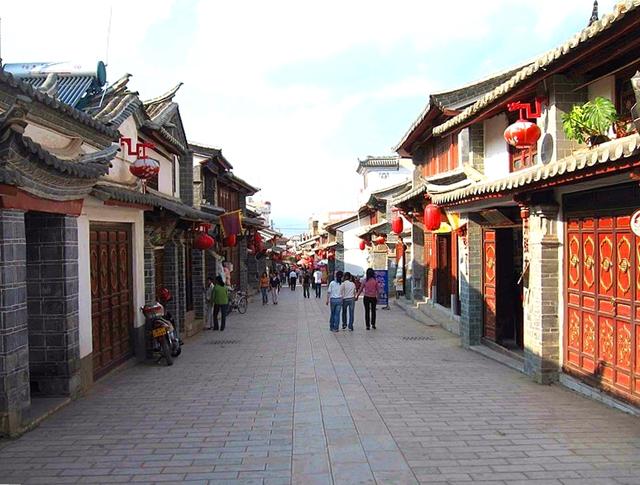
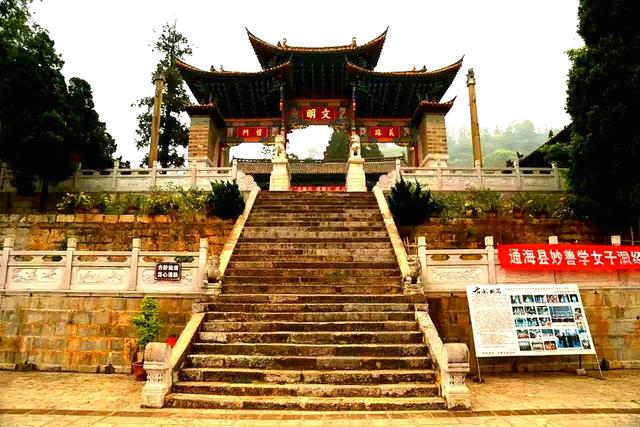
When visiting Tonghai Ancient City, in addition to appreciating many original streets and buildings, there are Xian Shan, San Sheng Temple, Bai Long Temple, Tonghai Temple of Literature and Culture, and other local attractions to play. Add Tonghai Ancient City to your latest travel plan!