The Spanish Small Town Most Beloved by Hemingway, Also the Birthplace of Spanish Bullfighting Art
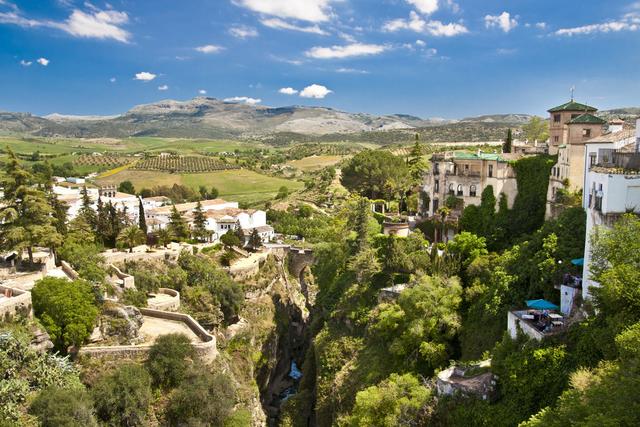
Hemingway once commented on Ronda: 'If you want to go on a honeymoon in Spain, then come to Ronda; if you want to elope with someone, then also come to Ronda.'
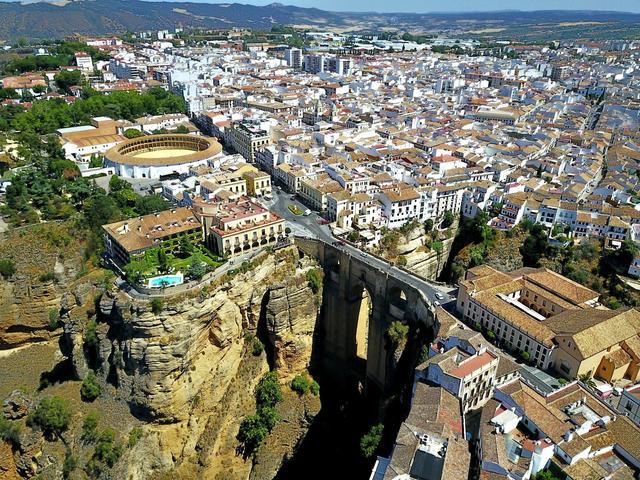
Ronda is located in the heart of Andalusia, founded during the Roman period, dating back 3000 years, with plains nearby and mountains in the distance, and the town is situated on three sides of rocky cliffs. 'City in the Sky' title was derived from this.
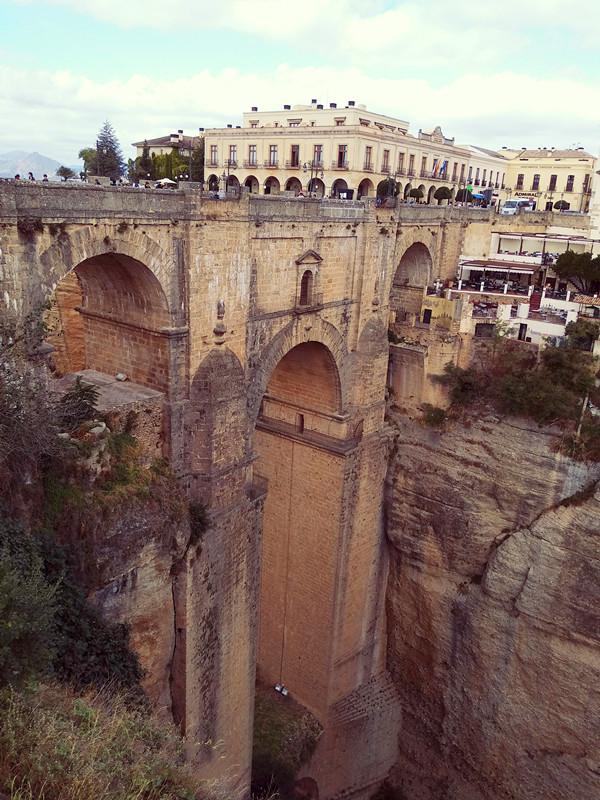
The Guadalquivir River's rapid current has continuously eroded and cut through the mountains, creating a gorge approximately 100 meters deep. A stone bridge, 90 meters high and 40 meters long, was built across the gorge, connecting the old and new towns. The gorge is filled with bizarre rocks, clear water flows at the bottom, and birds fly in the gorge. Standing by the railing, looking down, makes you feel apprehensive.

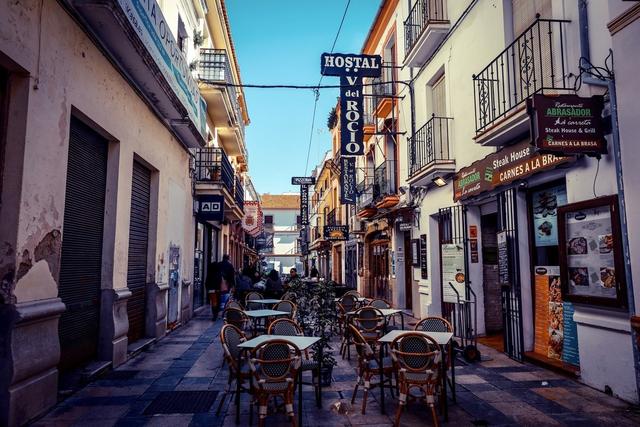
Hemingway, who had traveled extensively throughout Spain, had a particularly special connection to this land. He spent many summers in Ronda during his lifetime, and many scenes from his novels, such as 'The Sun Also Rises' and 'For Whom the Bell Tolls,' appeared in Spain, allowing us to read a different Spain.
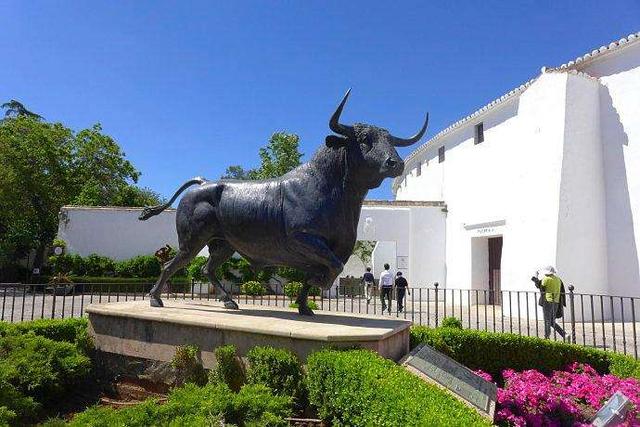
When talking about Ronda, one cannot help but mention that it is also the birthplace of Spanish bullfighting, with the oldest bullring in Spain. The statues of the Lopez bullfighting family father and son are erected outside the circular bullring. Not far away is a statue of a robust bull.
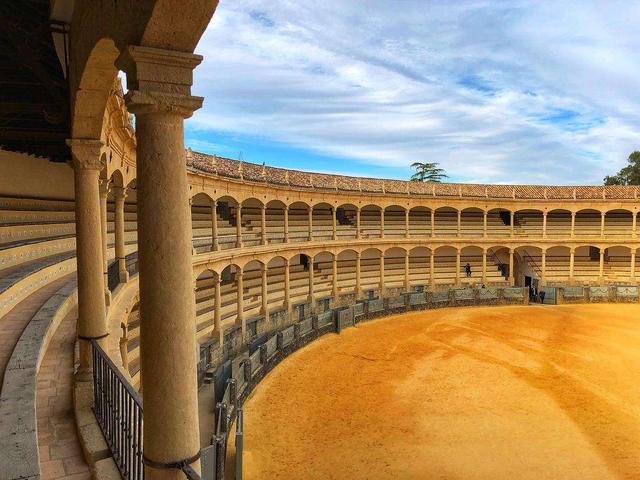
The Lopez family established a bullfighting school, training many famous bullfighters and formulating the rules of bullfighting competitions. In bullfighting, if the bull is not killed, the winner will no longer participate in competitions and can be revered for life; if the bullfighter wins, he can receive a generous prize and high honors. However, this bloody slaughter has been condemned by the World Animal Protection Organization, and this tradition has gradually declined.