China’s Earliest International Tourist City, Included in the World’s Top Ten Ancient Capitals, is Not Beijing
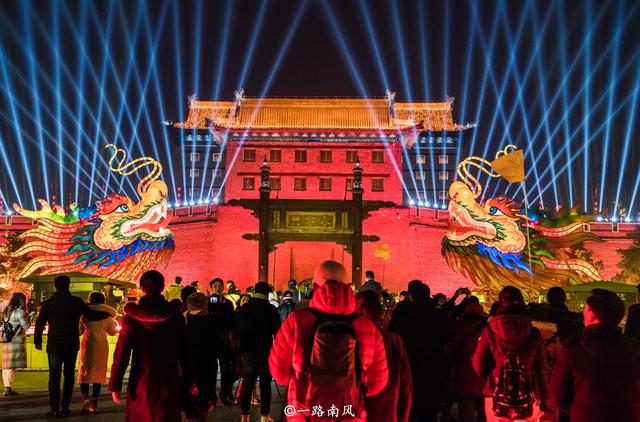
China has a civilization of five thousand years, with countless ancient capitals. Most of these ancient capitals have become tourist cities, attracting Chinese and foreign tourists every year.
Among China's numerous ancient capitals, Beijing and Xi'an have the largest fame, with the most abundant tourism resources. However, in terms of historical longevity, Xi'an takes the lead. Xi'an was the capital of thirteen dynasties, and the two most powerful ancient dynasties of China – the Han and Tang dynasties – were both established here. Chang'an during the prosperous Tang Dynasty, with envoys from all nations, was a spectacular sight, and this city is China's earliest international tourist metropolis and a world-renowned city, comparable to Rome, with two World Heritage sites.
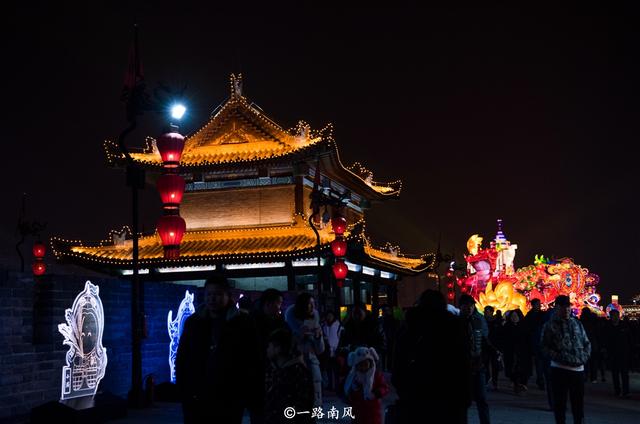
The American magazine 'Life Science' once selected the world's top ten ancient capitals, and Xi'an is the only Chinese capital included in the list. The cities included in this list also include Rome, Athens, and Constantinople. Xi'an's importance is ranked first.
Xi'an's long history of capitals has left behind a large number of tourism resources, and now it is one of the three hottest 'internet celebrity' cities in China.
Xi'an has many famous tourist attractions, and the Terracotta Army Museum in Lintong and Huaqing Palace are very popular. The attractions in the city also cannot be missed.
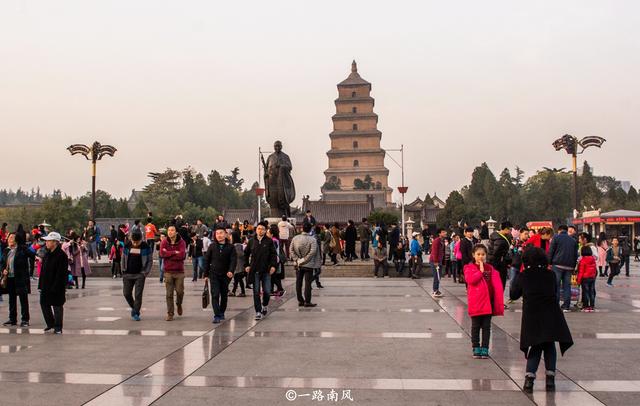
The Big Wild Goose Pagoda and the Small Wild Goose Pagoda are Xi'an's landmarks. The Big Wild Goose Pagoda is the most visited, and it is a great place to watch the musical fountain. The Big Wild Goose Pagoda is located within the Da Ci'en Temple and has a history of over 1000 years. This type of building was not invented by the Chinese but was introduced from India to the Central Plains, and then fused with Chinese culture and aesthetic sensibilities to create a high-rise building, and it is one of the most representative landmarks on the Silk Road.
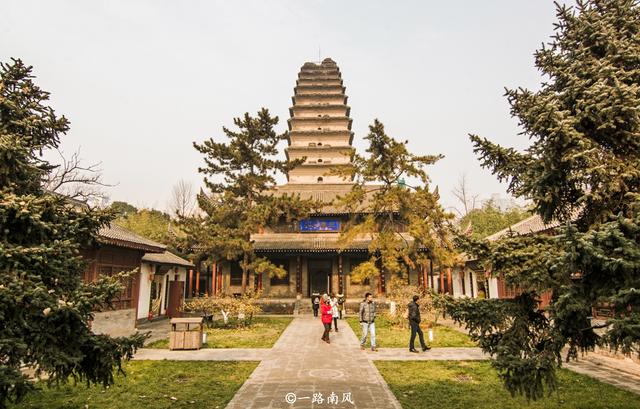
The Small Wild Goose Pagoda is located within the (Jianfu Temple) and is now part of the Xi'an Museum. There are far fewer tourists here than at the Big Wild Goose Pagoda.
This pagoda with a slightly damaged top was built during the Tang Jinglong years and was once 15 stories high, making it one of the 'skyscrapers' of ancient Chang'an. People outside the city could use it as a reference point to quickly reach destinations inside the city.
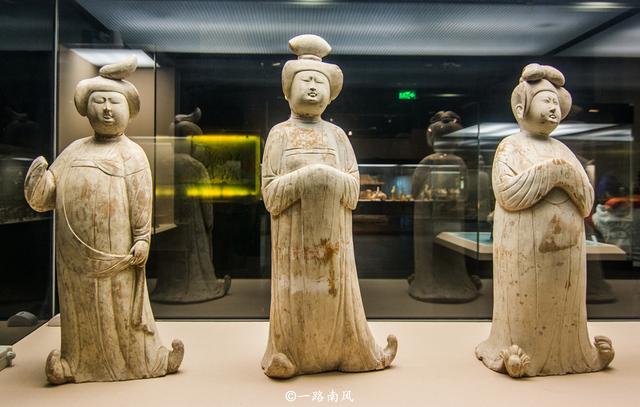
The Xi'an Museum is a free attraction that showcases artifacts from various dynasties to visitors, including terracotta figurines.
When you watch the Tang Dynasty female terracotta figurines, you will find that the women's figures at that time were very plump, which is not only related to people's self-confidence and relatively unrestrained diet, but also to the intermarriage between different races and ethnic groups.
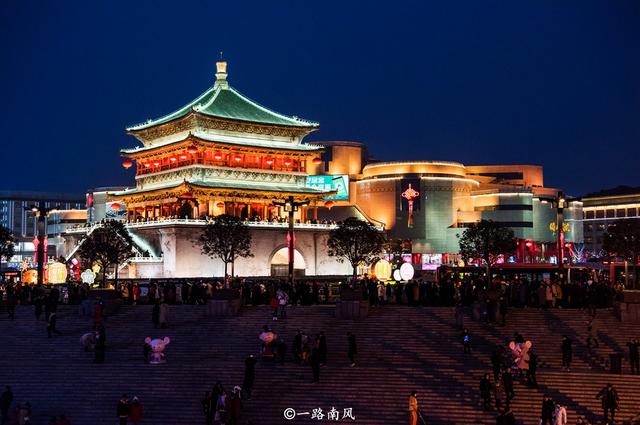
Many tourists traveling to Xi'an will go to Hui Muslim Street to browse, and the Clock Tower and Drum Tower are next to Hui Muslim Street.
The night views of these two ancient landmarks are very beautiful, and the Clock Tower is the center point of the road circle, too.
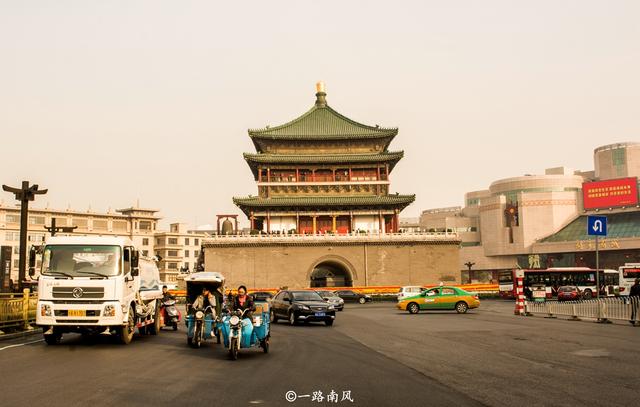
The Xi'an Clock Tower was built in the Ming Dynasty and is the largest ancient clock tower building still in existence in China. A large bell hangs on the tower, which was used to announce the time and to sound the alarm when important matters needed to be conveyed to the citizens. This brick and wooden building is a hall-style building and is more majestic under the backdrop of modern buildings.
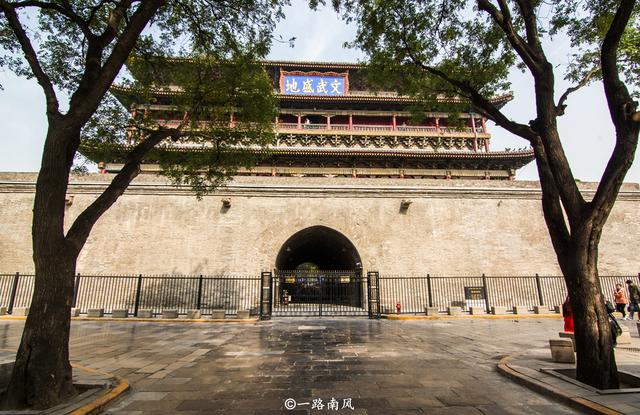
The Clock Tower and Drum Tower are only 200 meters apart, and it was built four years earlier than the Clock Tower. The main entrance faces Hui Muslim Street, and its area is larger and more majestic than the Clock Tower. In ancient times, there was a saying of 'Morning Bells and Evening Drums,' which means the bells are rung in the morning and the drums in the evening. The Clock Towers and Drum Towers are alarm warning buildings and are also important city landmarks.