Why Doesn’t Jiangxi, Located on the Yangtze River’s South Bank, Call It ‘Jiangnan’? These Tourist Destinations Are All Beautiful
Many tourists know that narrow Jiangnan refers to Shanghai, Southern Jiangsu, Northern Zhejiang and part of Anhui south, while broad Jiangnan includes most areas south of the Yangtze River basin. So the question is, why doesn't Jiangxi, which is south of the Yangtze River, call itself Jiangnan, but instead calls itself Jiangxi?
There are two reasons.
First, Shanghai, Jiangsu and Anhui were originally parts of the Jiangnan Province, and Jiangxi could not share the same name.
Second, the boundary between the current Jiangxi Province and Anhui Province is close to east-west, and the Qin Han and Three Kingdoms dynasties used north-south sections of the Yangtze River as a reference line, dividing the surrounding vast lands into Jiangzuo and Jiangdong. Earlier, Jiangzuo did not only refer to the current Jiangxi, but also included part of the current Anhui.
During the Tang Dynasty, the current Jiangxi belonged to the Western Jiangnan Circuit, and during the Song Dynasty it belonged to the Western Jiangnan Road, and it was only changed to Jiangxi Province during the Qing Dynasty. Here, 'West' and 'Left' had basically converged in meaning.
Jiangxi has very abundant tourism resources, with many mountains and rivers, such as Jiujiang Lushan, Shangrao Sanqing Mountain, and Tiantai Longhu Mountain, all worth visiting.
In spring, it's most worth visiting Wuyuan County.
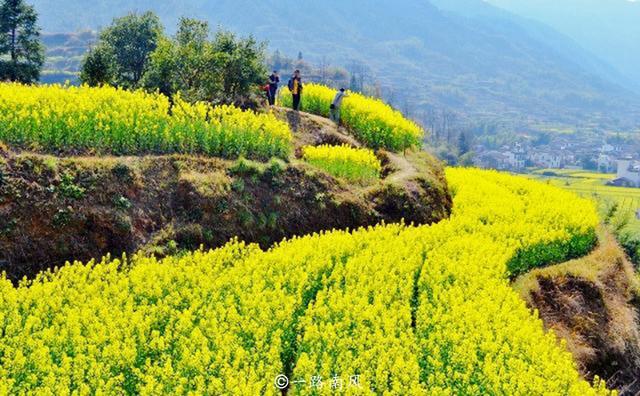
Wuyuan was originally part of the Huguo Prefecture of Anhui, now belongs to Shangrao City, here there are more than hundreds of ancient villages, of which dozens have been developed into tourist attractions.
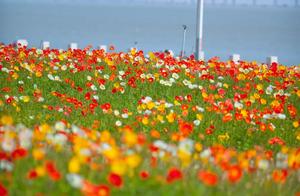
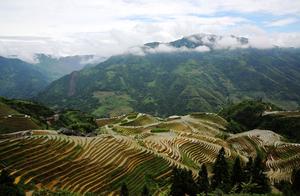
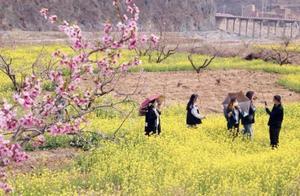
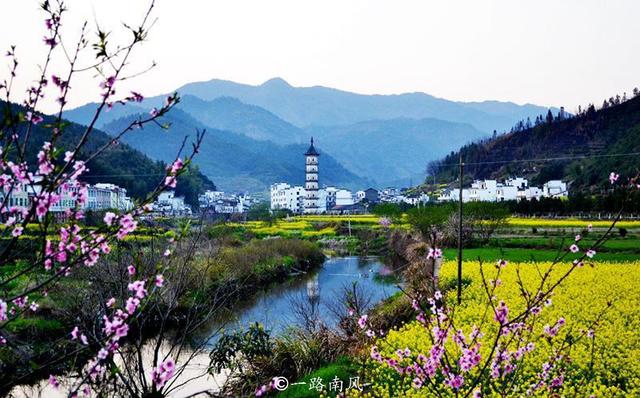
In spring, places like Jiangling,, Xiaqi, Sisixi Village, Qingyuan, and Chapitan are full of blooming canola flowers, covering the mountains and fields in a golden hue, and tourists are as if they have wandered into paradise.
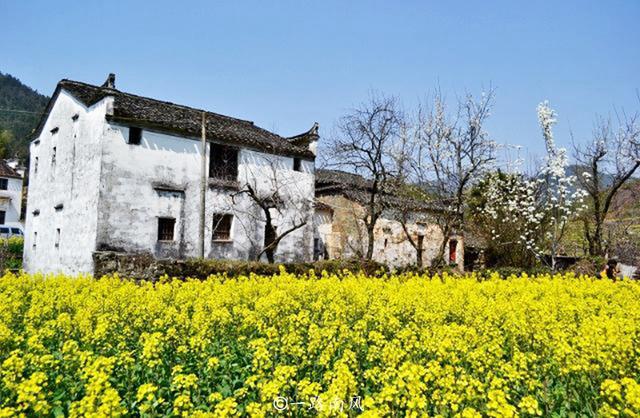
These canola fields in the villages have their own characteristics, some grow in fields, some grow in terraces. Visiting the ancient villages of Wuyuan to admire the spring colors, you must also praise the beautiful ancient architecture here.
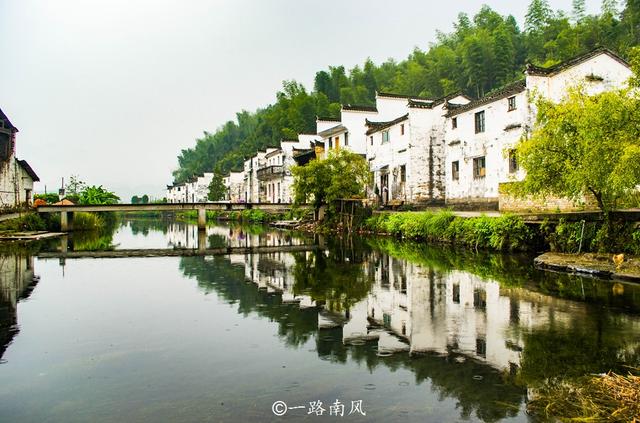
Wuyuan's countryside retains the white wall and gray tile Hui style ancient dwellings, and there is a water source near almost every village.
Besides liking to plant canola flowers, the locals also like to plant bamboo, peach trees, pear trees and other plants around the villages.
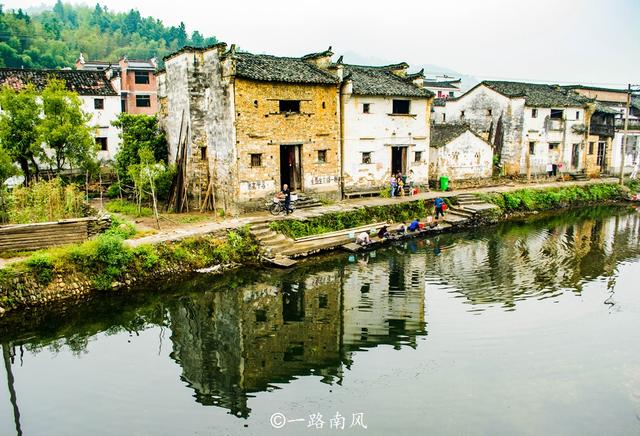
In the past, Wuyuan was relatively remote and became a favorite retreat for many Central Plains nobles. Most of these ancient villages were surrounded by mountains on four sides or three sides, and were often shrouded in mist, resembling paradise.
Entering the ancient villages of Wuyuan, admiring the exquisite carvings, learning about a distant story, the journey is perfect. It is the birthplace of Hui merchants, and one of the sources of southern ancient architecture in Jiangzhe area, many elegant houses in the area were influenced by Hui culture.
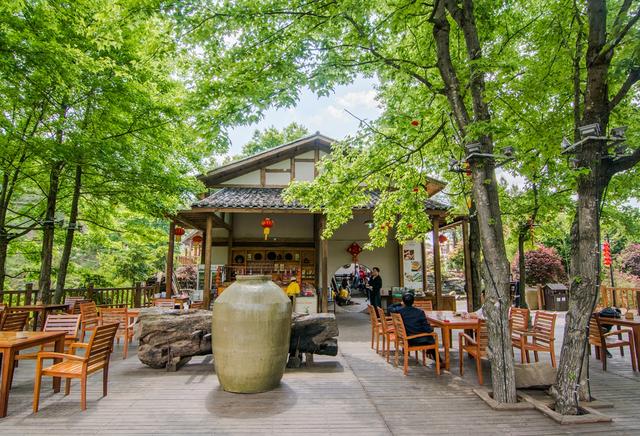
Leaving Jiangxi in the north-east, coming to the south of Ganzhou, Longnan County, here there are also many tourist destinations worth visiting, and tourists are relatively few.
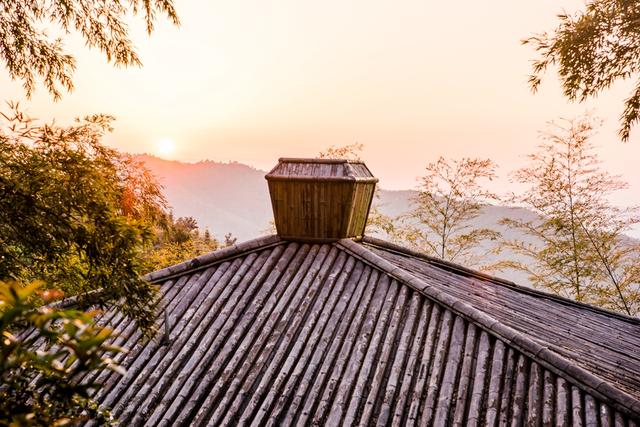
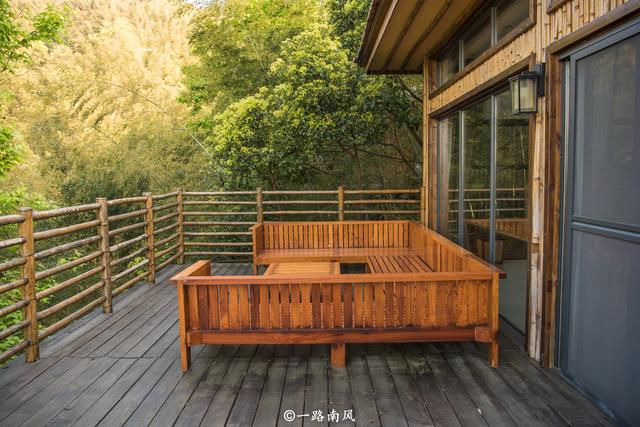
Qianshin Town is a tourist resort developed from high mountain tea gardens, located in Lingtang Township of Longnan, here the tea fragrance is fragrant, the bamboo forest is secluded, and it has 'Zen' meaning, suitable for a weekend to relax and unwind.
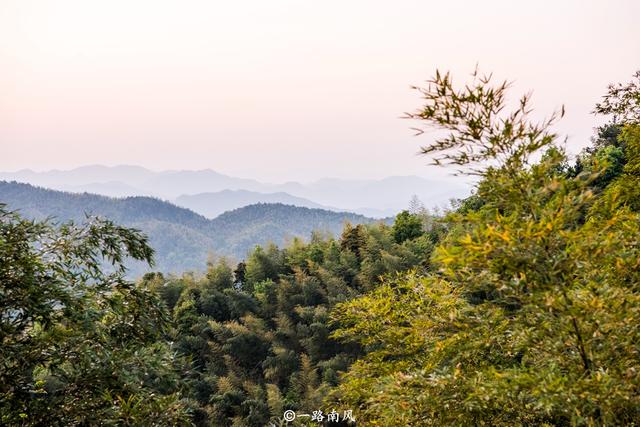
Qianshin Town is located on the top of the mountain, overlooking the surrounding mountains and tea gardens, and can greet the sunrise and sunset. Besides tea trees and bamboo, it also grows azaleas and maples. Walking along the forest trails, breathing fresh air, and feeling relaxed and happy.