How to Avoid Shoulder Pain from Bench Press: Learn 4 Techniques to Keep Your Shoulders Pain-Free and Build a Bigger Chest

In the gym, the most frequently injured muscle is the shoulder, and the most common exercises causing this are barbell bench press, necked up pull-ups, and necked overhead press. However, the bench press is a movement that everyone can do to build muscle.
The risk coefficient of the bench press isn't large, but it's practiced by so many people!
Secondly, many people are in a hurry and haven't mastered the standard bench press technique before trying heavier weights.

Moreover, avoiding shoulder compensation is a process that takes time and effort.
Today, let's share four methods to solve shoulder compensation and alleviate shoulder pain.
It's not a lie that after reading this article, you'll be able to bench press without shoulder pain, and your chest muscles will be more stimulated, making it easier to fill out.
One, don't shrug or probe your shoulders
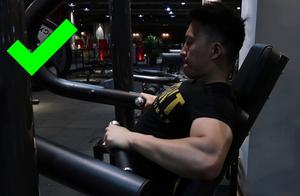
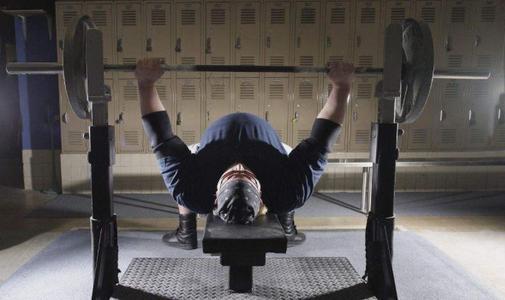
Regarding the standard of the movement, what many people have heard is that during the bench press, you must keep your shoulders down and retract your shoulder blades.
What is meant by 'down shoulders' is that you should not shrug your shoulders.
You should try to extend your neck, not retract your neck, while simultaneously pressing your shoulders down.
This will increase the stability of your shoulder joint, so during the bench press, you won't twist your shoulder and injure it.
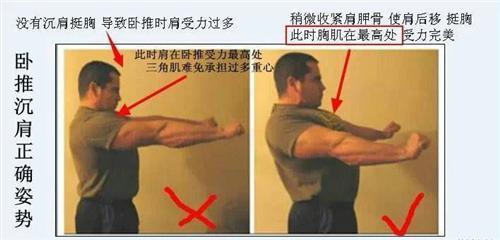
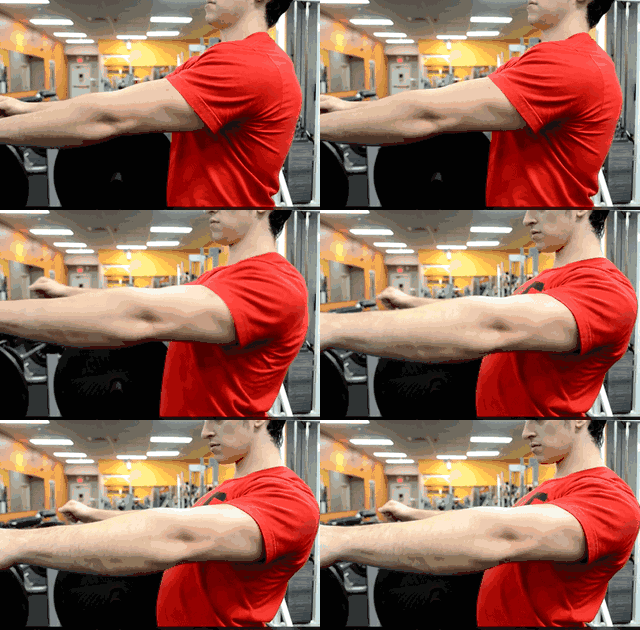
What is meant by 'retracting the shoulder blades' is that you should not probe your shoulders forward. Instead, use your shoulder blade muscles or your shoulder blades to support the bench press.
This will solve the problem of shoulder compensation. Your shoulder will not exert force at this time, but will purely rely on the chest muscles to exert force.
If you can do these two things, the bench press won't be a big problem, and even if you have shoulder pain, it will be very minor.
Two, tighten your back muscles
Many players, including myself, have a misunderstanding of muscle isolation.
What is meant by 'muscle isolation' is not that the chest muscles are tense and other parts are relaxed. It means that the chest muscles move while other parts remain still.
However, during the entire bench press action, in addition to the chest muscles, other parts should remain still and maintain tension—that is, to contract.
Why is it important to tighten your back muscles?
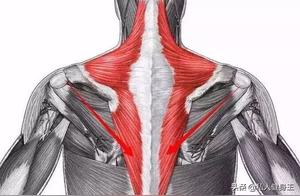
The first reason is that to achieve 'down shoulders' and 'retract the shoulder blades,' these two joints' movement is controlled by the back muscles.

Therefore, tightening your back muscles, maintaining the standard of the bench press action, is beneficial.
Secondly, the back chain muscle group is the core support muscle group, and the core support muscle group can maintain body stability.
Therefore, tightening your back muscles will make the barbell more stable, which means it's safer and less likely to injure your shoulder.
Three, the trajectory should not be straight up and down
The trajectory of the bench press is very important, and many players get injured because they don't do the bench press trajectory correctly.
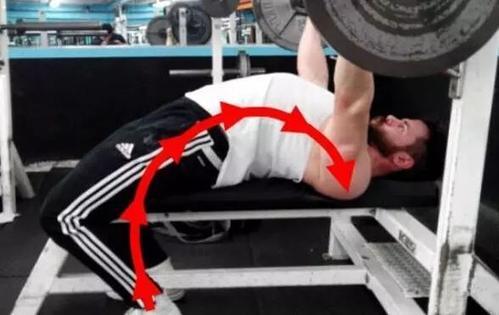
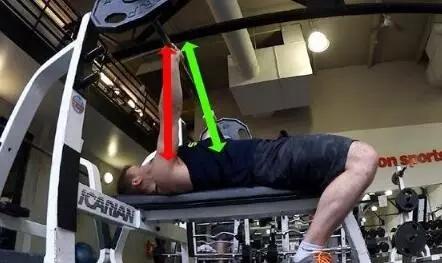
Taking flat bench press as an example, when the barbell reaches the top, it should be placed above the shoulder, which is like standing on its head. Your shoulders will not be affected.
When the barbell reaches the bottom, the barbell should be placed below the chest muscle, at this time, the shoulder joint's range of motion is smaller, so the impact is less.
Therefore, the trajectory of the flat bench press is from above the lower serratus to above the clavicle—a slanted trajectory.
Different bench press angles are suitable for different bench press trajectories.
For example, the trajectory of an incline bench press is closer to straight up and down.
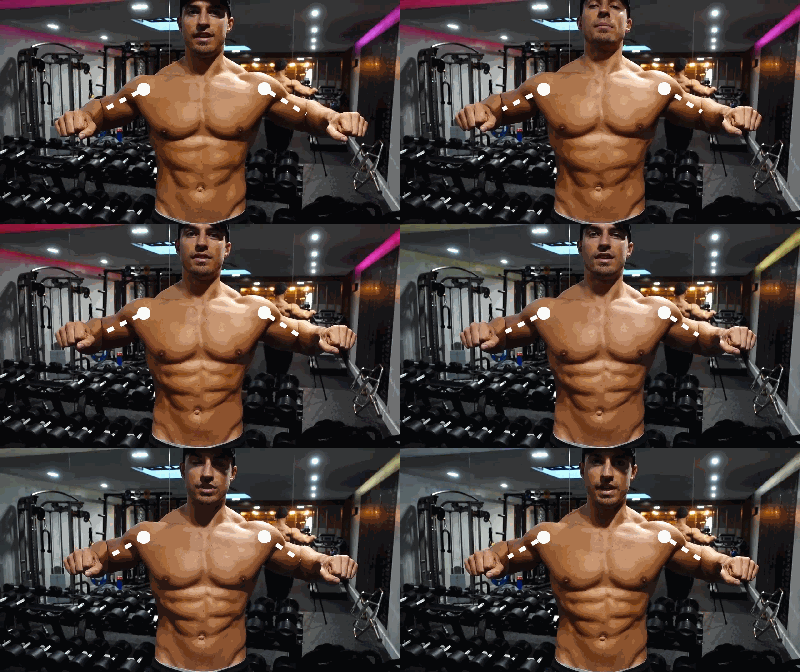
Four, try arm external rotation
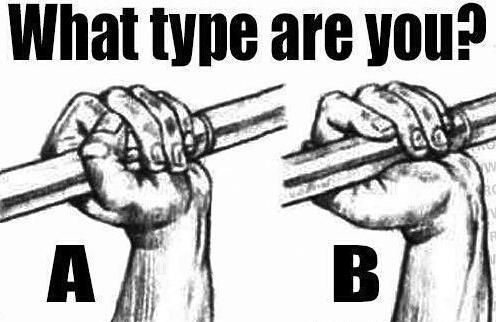
Have you ever had a feeling that compared to the full-grip bench press, half-grip bench press seems to stimulate the chest muscles more?
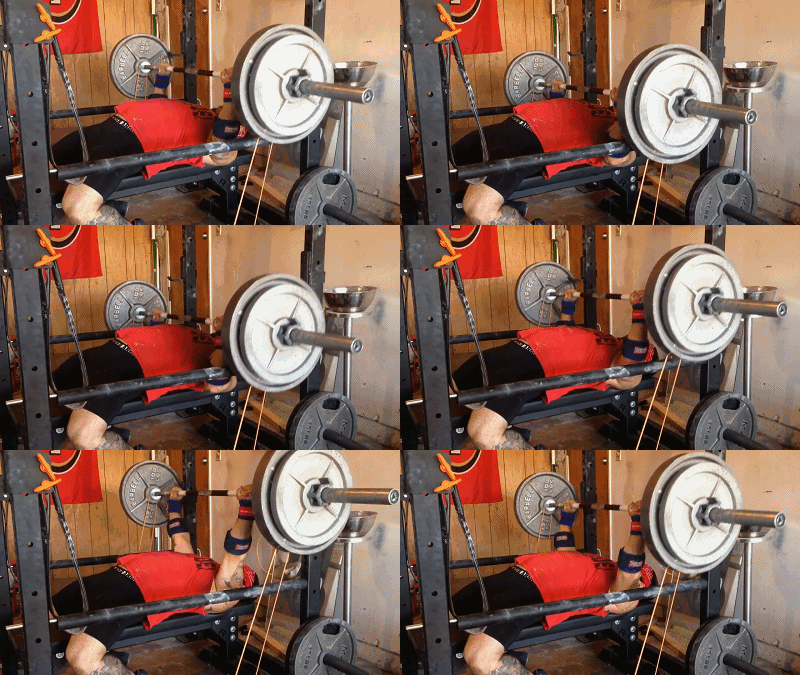
This is not a coincidence, this is the fact.
Because when you use a half-grip bench press, your arms are more likely to external rotate, and after external rotation, your elbows will be pinched inwards, which will make the chest muscles work better.
Therefore, half-grip bench press is more isolated and causes less shoulder injury.
However, half-grip bench press is a little dangerous and not suitable for beginners.
As beginners, we can imitate the external rotation of the arms in a half-grip bench press to achieve muscle isolation and reduce shoulder compensation.
So when pressing, bring your elbows inwards, not let your elbows jut outwards. This takes practice.
It's difficult to do this, especially when the weight is heavy at the bottom. We instinctively let our elbows jut outwards, but with more practice, we can easily do it.
If you can do the above four points, your bench press posture will be more standard and stable, and the chest muscle isolation will be stronger.
At the same time, reducing shoulder compensation means your shoulder will no longer ache. If it still aches, it's probably because the volume or weight is too large, or the movement is distorted.
4