What is Wa-style Breathing? Do You Really Understand It? Don't Half-Understand It!
There are many sayings about how to breathe when exercising. Some say we exhale when exerting force, inhale when relaxing, and naturally or consciously breathe. Some even say we can use concentric contractions to inhale a small breath and then exhale as we descend. In short, traditional fitness knowledge allows us to exhale during concentric contractions and inhale during eccentric contractions. But no matter what, we must never hold our breath, or blood pressure will rise and cause danger.
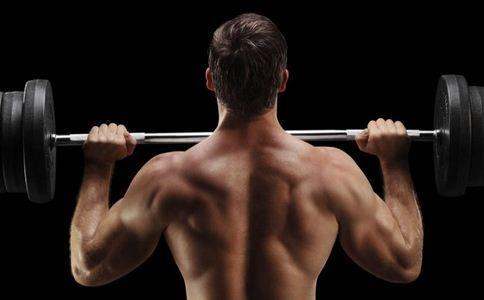
Because in strength training, especially with heavy weights, we should use Valsalva breathing – the method of holding our breath.
What is Valsalva breathing?
Valsalva breathing is an abbreviation of Valsalva's Movement Technique, a method of holding our breath that most people use almost every day, such as when lifting heavy objects, during exercise, and even when going to the toilet. Because in these situations, we need to exert a large amount of force in a short period of time, and the body will naturally perform Valsalva breathing.
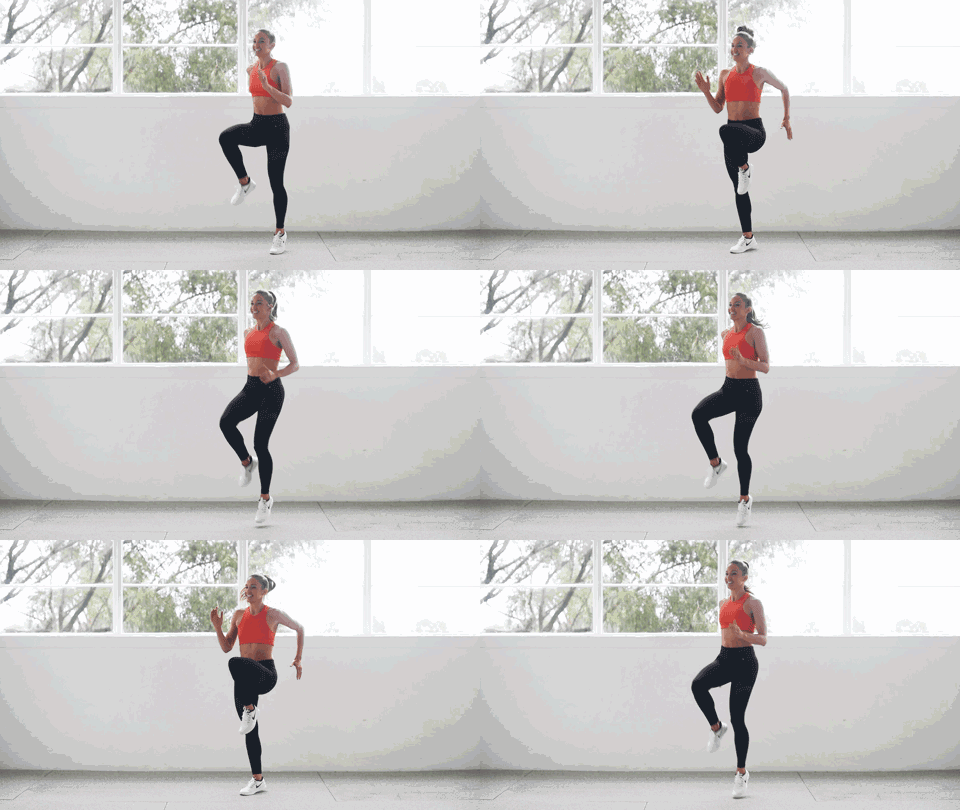
The technique has many methods, all of which primarily involve forceful exhalation with the glottis closed. Below, let's learn about Valsalva breathing during strength training.
1. Take a deep breath before starting an action, inhaling while keeping air in your abdomen and trying to expand your abdomen as much as possible, rather than your chest. Then, open up your chest.
2. Close your glottis and activate your abdominal muscles. The glottis is a door in the throat that controls airflow. When we close the glottis, the increased pressure in the chest and abdomen, along with the activation of core muscles, enhances spinal stability and mobilizes more movement units.
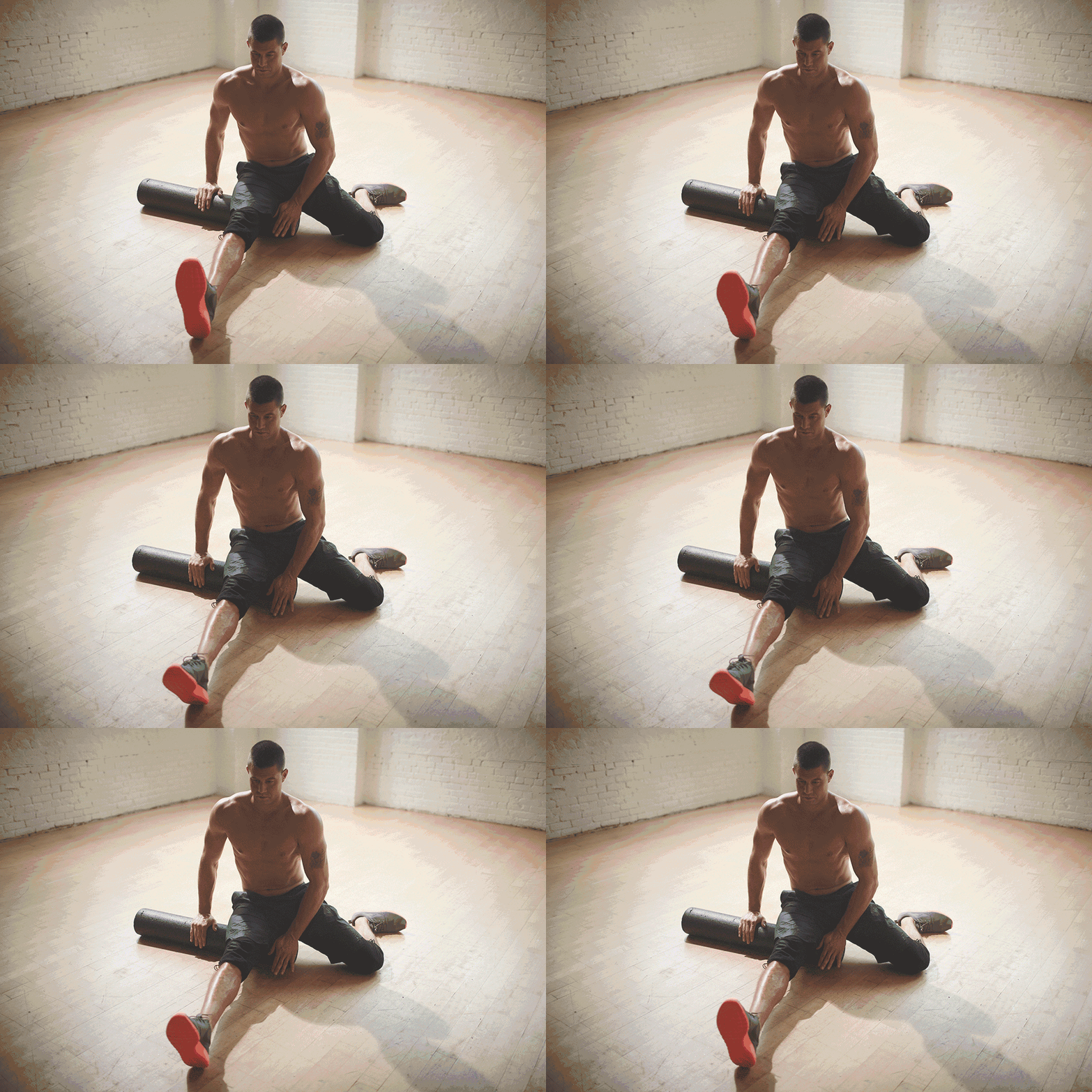
3. Maintain the closed glottis and tightened abdominal muscles, do not open the glottis or exhale during concentric or eccentric contractions.
4. Complete one action before changing your breath, and repeat the above actions.
After saying so much, what is the function of Valsalva breathing?
The functions of Valsalva breathing are:
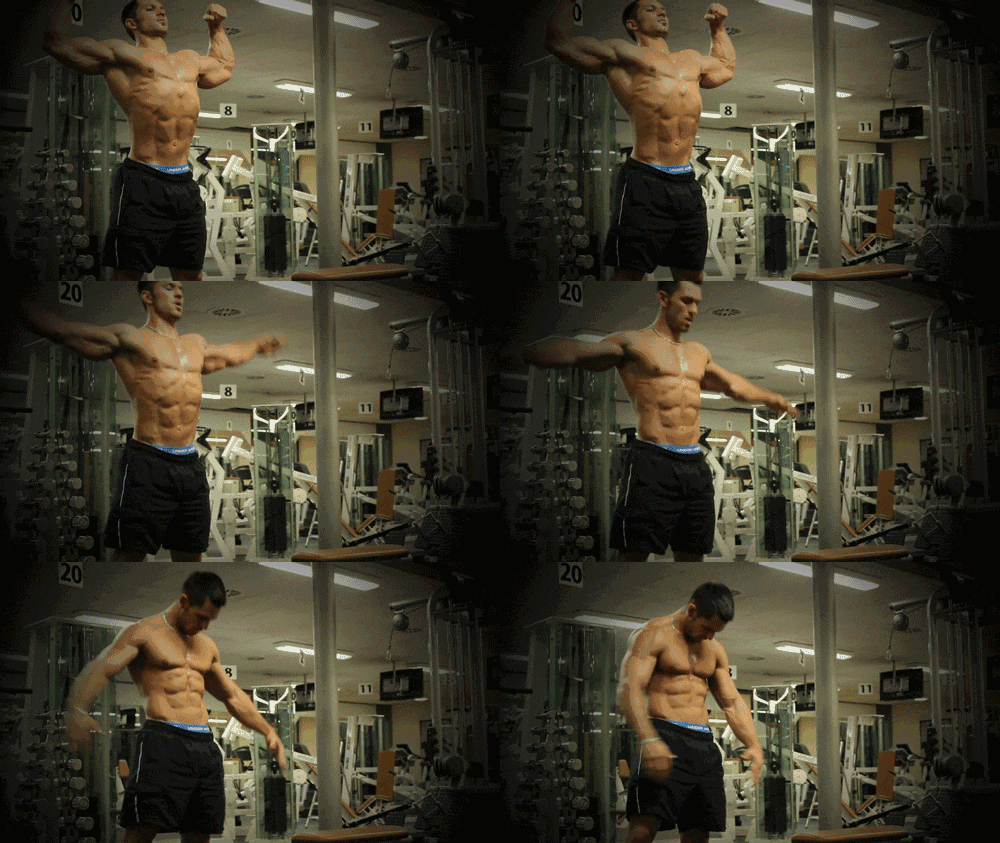
When we inhale, our diaphragm contracts, which increases the pressure in the chest and abdomen. As abdominal and back muscles are activated, the spine becomes more stable, mobilizing more movement units.
If we exhale during concentric contractions, the intra-abdominal pressure will decrease, and the spine will become less stable, with fewer movement units participating, resulting in lower efficiency of force transmission and a higher probability of waist injuries.
Therefore, breathing helps to improve athletic performance and reduce the risk of waist injuries.
But will holding your breath during exercise increase blood pressure, leading to symptoms such as blood vessel rupture? That is, is Valsalva breathing safe?
Valsalva breathing does increase blood pressure. When combined with resistance training, blood pressure is higher than training + normal breathing. In this study, subjects' blood pressure under breathing + resistance training reached 360.
However, no matter how you breathe, no matter what kind of exercise you do, your blood pressure will rise. The heavier you are or the closer you get to exhaustion, the higher your blood pressure will be. Experimenters will automatically perform Valsalva breathing, even if researchers specifically instruct them not to perform Valsalva breathing. Therefore, inevitably, blood pressure will rise during exercise, and the heart will beat faster. Furthermore, the heavier you are or the closer you are to exhaustion, breathing will automatically use, which is impossible to avoid.
However, the blood pressure increase during resistance training or/and breathing is temporary, because after training, blood pressure will immediately drop. However, the short-term blood pressure increase and the long-term blood pressure increase are two different concepts. We usually hear about hypertension as long-term blood pressure increase, which is different from the blood pressure increase during training.