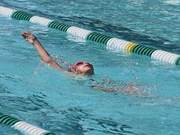
If you don't have a sense of rhythm, your freestyle will be a tangled mess.
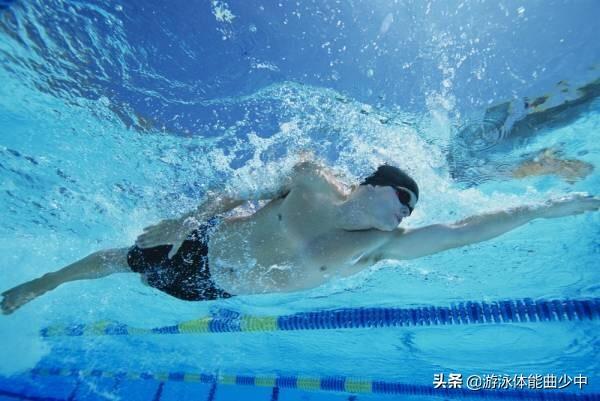
It's often overlooked in numerous swimming courses – the practice of rhythm. If you're someone with extensive swimming experience, the primary thing to assess a swimmer's technique is their rhythm.
But why do we overlook this? And constantly get stuck on the final details?
You might have learned a 'fake freestyle'
What is 'real freestyle'? In reality, we need a slightly deeper understanding of this movement – it's a movement that requires both fitness and rhythm. Swimming rhythm, to put it simply, is the ability to consistently find the point of resistance, coordinate the body to move forward.
And fitness is to serve the rhythm. If our fitness is insufficient, the rhythm will be chaotic, and we may not be able to produce a rhythmic movement.
Why practice two legs in freestyle?
First, practicing two legs makes it easier to find the coordination between the arms and legs, preparing for multiple legs acceleration.
Second, for fitness swimmers, it's easier to swim long distances.
If we can't find the rhythm of two legs, it often leads to a contradiction – the propulsion force of one arm's water stroke clashes with the resistance of the other leg's leg retraction. If you've realized this problem, take a close look at your fellow swimmers in the pool – aren't they doing this when they're grabbing and pushing water?
And because of the disordered kicking, one leg often remains in a fully extended state.
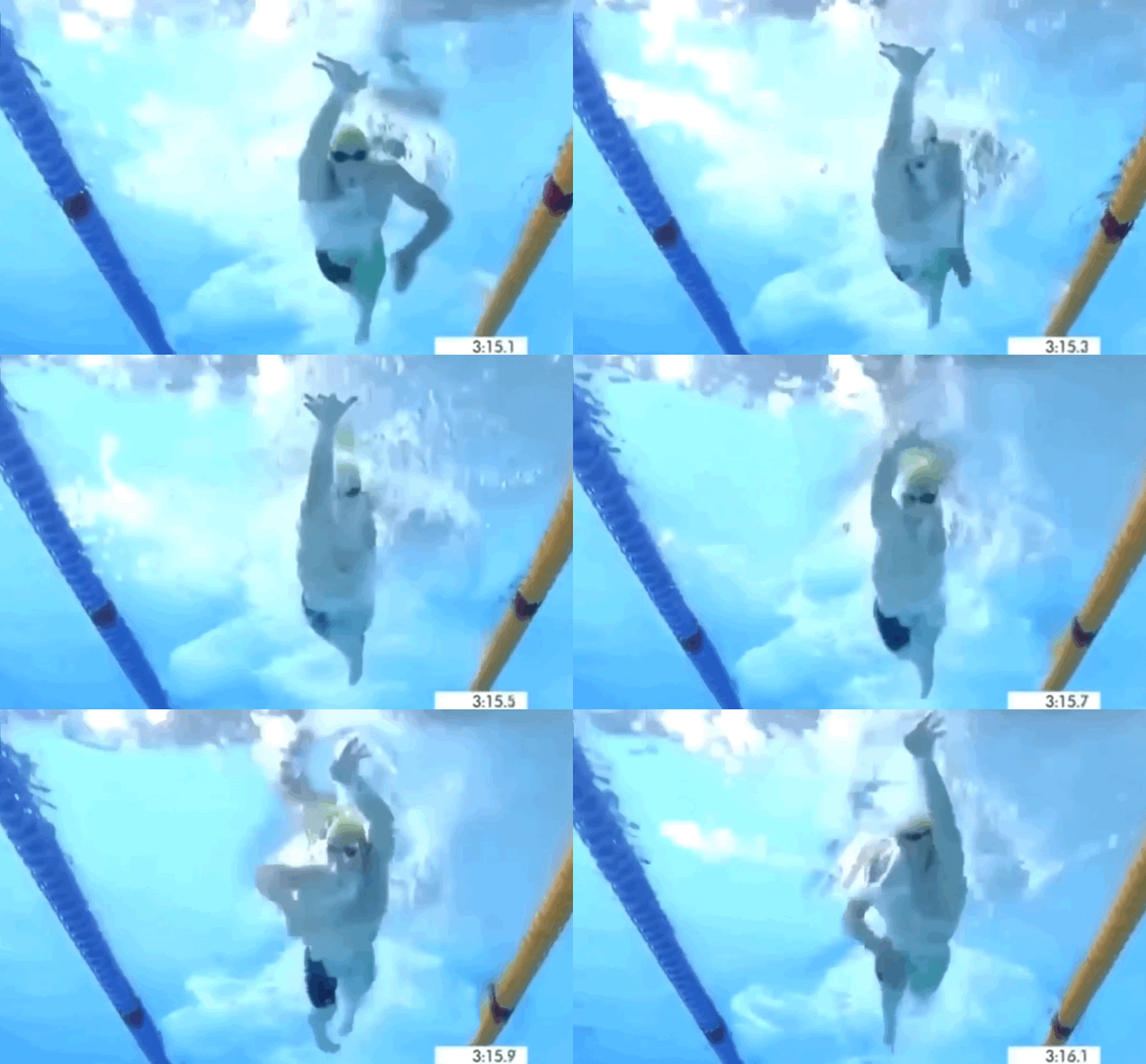
What does the two-leg kick of freestyle look like?
For beginners in freestyle, mastering the two-leg rhythm will be easier. However, if you have a certain foundation, it will take a longer time to improve this habit, because changing the neural circuit of the brain is relatively difficult, and it requires repeated and diligent practice.
Before practicing, let's first understand what the correct action of two legs in freestyle is.
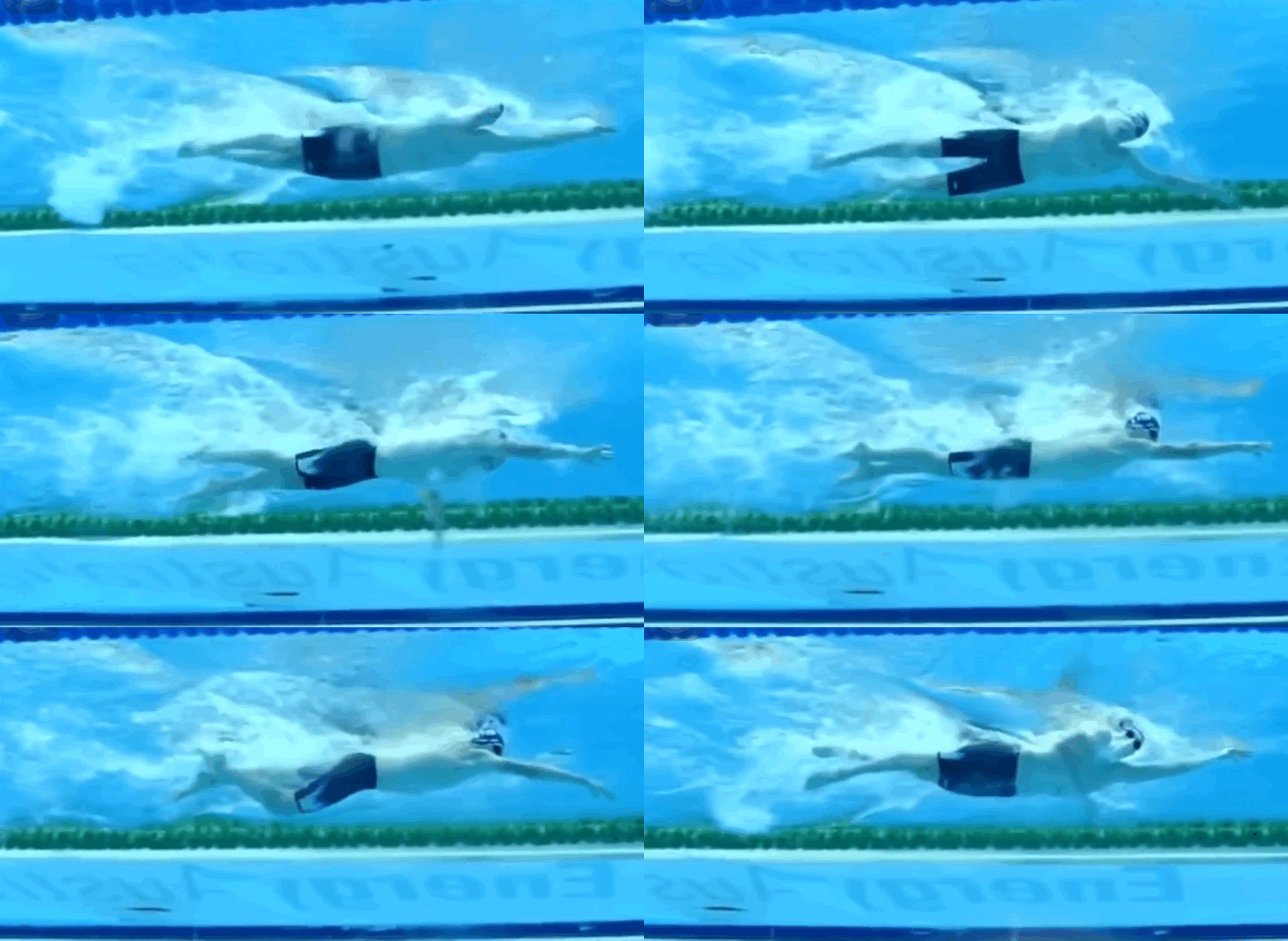
Two key points | Rotation + Pre-extension + Same-side power
The rotation pre-extension should feel like power comes from the hip joint, transmitted to the fingertips, and extended to the farthest point to increase the stroke amplitude. At this time, your rotation angle of about 90 degrees is not exaggerated, as long as the core remains tight to control it.
Immediately following is the grabbing water action and the same-side power, downward propulsion; at the same time, the other side immediately enters the pre-extension rotation process.
Repeatedly alternate, creating a highly rhythmic action, which looks very beautiful.
Land + Water practice, solidify the two-leg foundation.
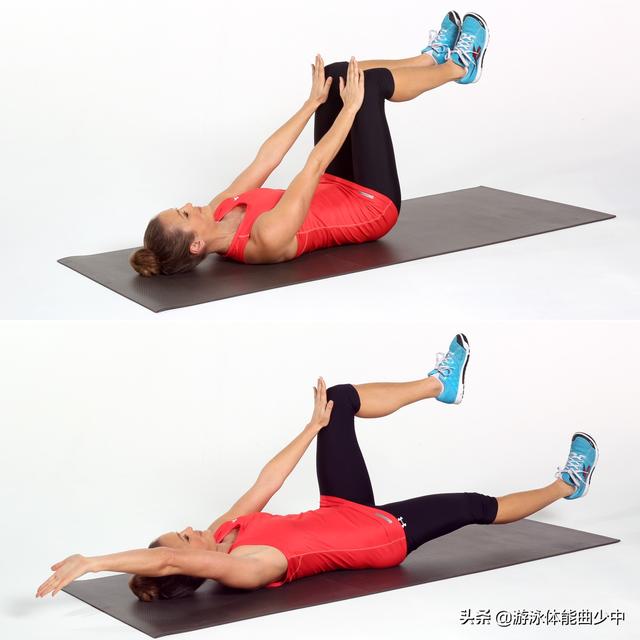
Land practice
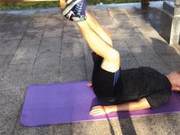
- Dead bug same-side variation
- During the freestyle rotation pre-extension, the core needs strong anti-rotation ability to ensure the stability of the action. We will have 'stretching' sensation on the sides of our abdomen. This feeling can be found through the dead bug on land.
- Lie on your back, hip and knee bent, hands supporting the knees;
Stretch the same-side hand and foot, slowly exhale;
Quickly return to the starting position, and start stretching the other side.
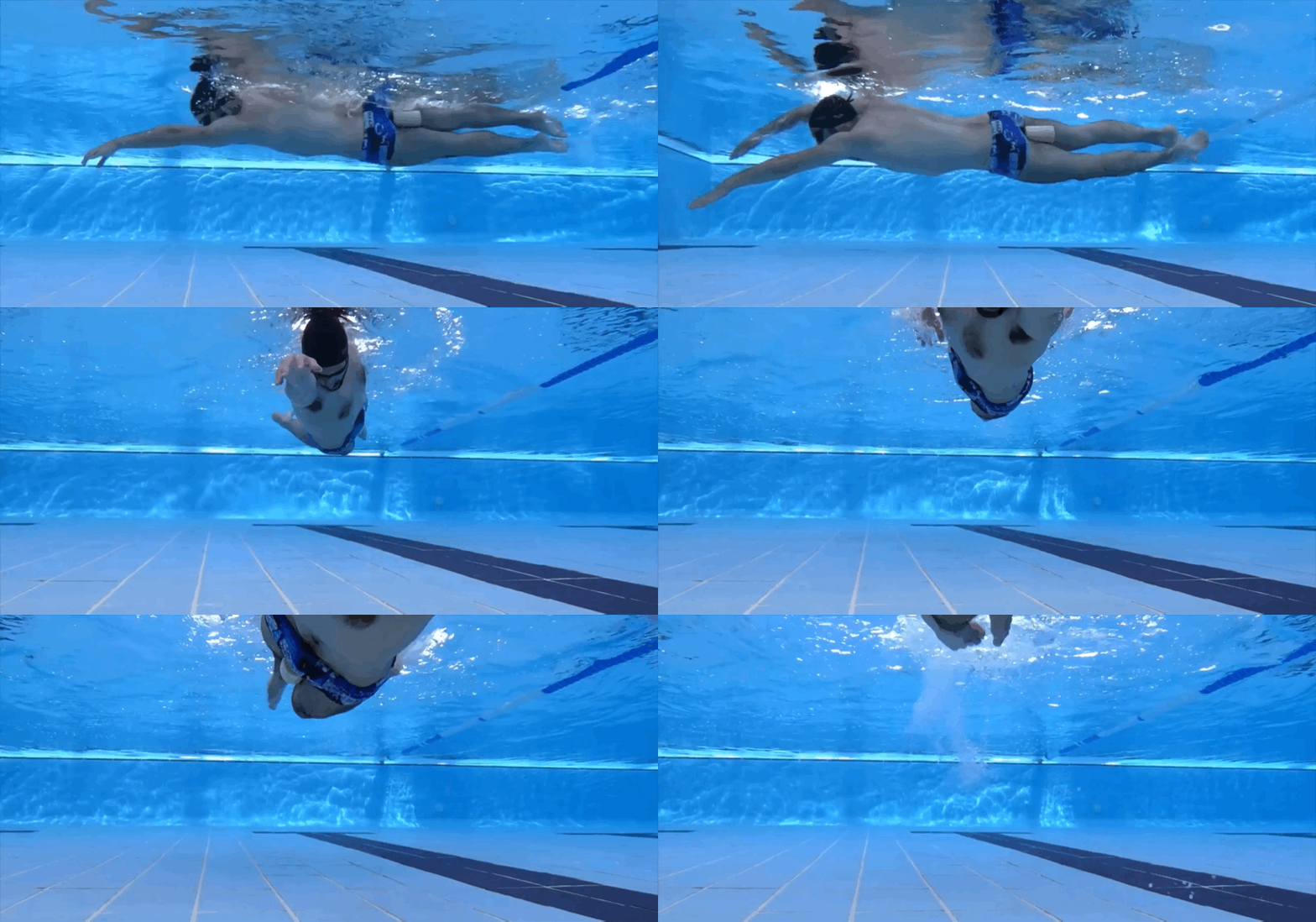
Water practice action
Board rhythm practice
Increasing board practice can help us reduce core movement, better find the rhythmic coordination between rotation and hand-leg.
Pre-cross two legs
We can also call it a complete coordination action practice. In many long-distance swimming competitions, excellent athletes often use pre-cross action.
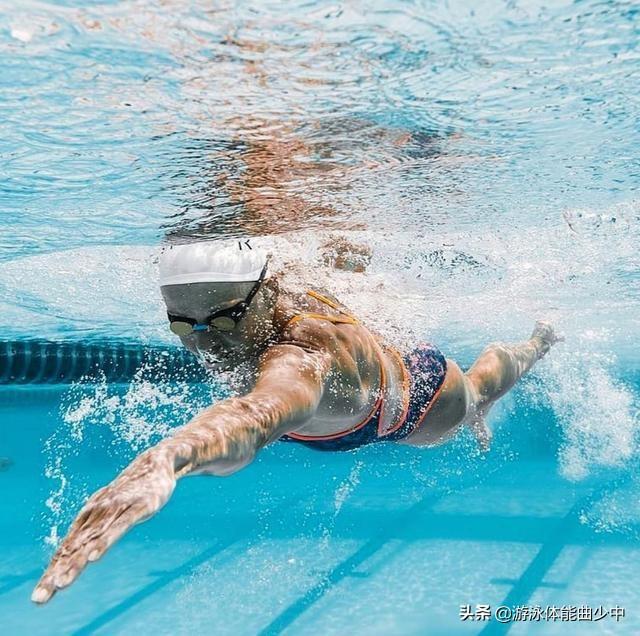
At this time, we need to follow the previous feeling and rhythm, ensure the quality of the action. We can do segmented practice, count our actions, and after a period of practice, see if we can reduce our stroke.
Summary
The two-leg rhythm practice in freestyle should be one of the main parts of learning swimming. If you lack this link, your freestyle will become 'chaotic'.
Some coaches who don't understand the rhythm practice will not understand what you are 'wrong' with.