How to Make Dough: Secret Techniques Not Told to Others
Today we're going to learn how to make dough.
I usually use dry yeast.
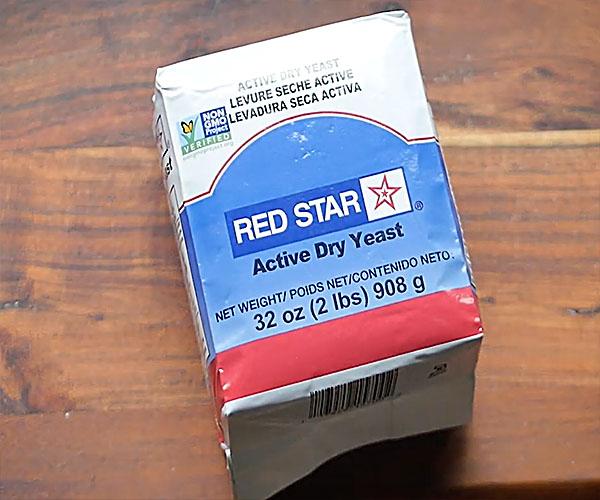
Marketable another common yeast is fast yeast, it is generally believed that fast yeast granules are a little smaller than dry yeast, but you can see my dry yeast, his granules are not very big.
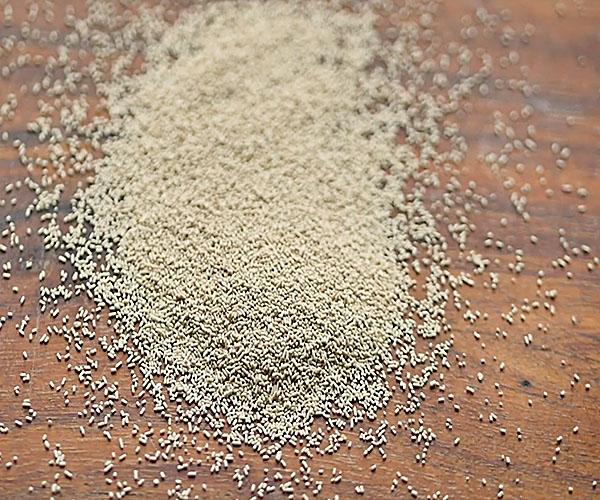
Nowadays, many dry yeasts are made very small, whether it's dry yeast or fast yeast, you should first soak it with water, the fermentation effect will be better. A small experiment, the first is to add yeast to the flour and then add water.
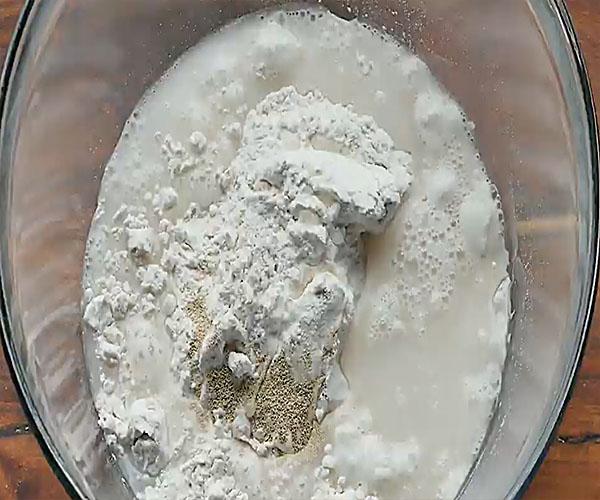
The second is yeast, first soak it with water, then add flour.
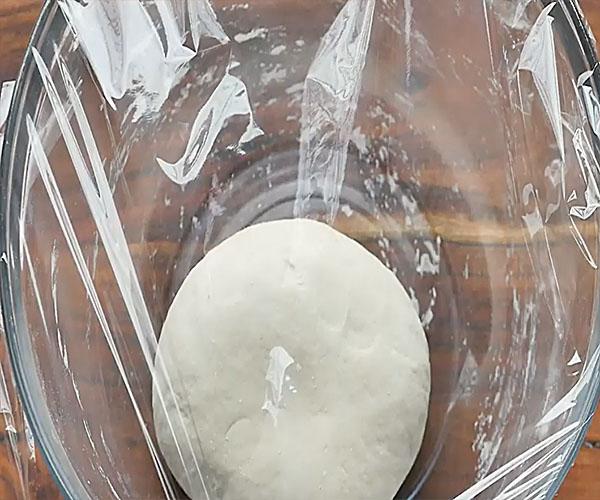
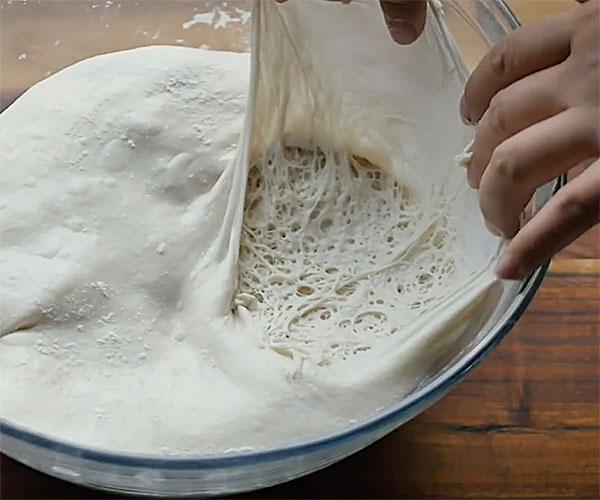
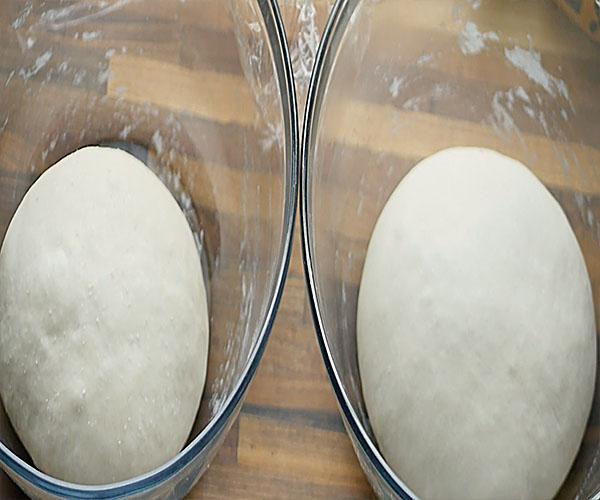
The same recipe, the only change is to add yeast in the order, the dough on the right will ferment better, because yeast and flour need water, let yeast absorb water, can faster and more evenly mixed. In the dough, this point is particularly effective for dry dough. The flour mixes after the dough begins to ferment, at this time? What's happening internally?,One starch enzyme breaks down starch to produce sugar, the second is that in an anaerobic environment, yeast growth and reproduction, consume these sugars, while producing carbon dioxide and alcohol. The carbon dioxide bubbles produced by the heating and baking of alcohol are to turn the dough into a soft sponge structure. The most important factor affecting yeast growth and reproduction is temperature, which drops to 36 degrees Celsius, which is close to the body temperature, the reproduction is fastest. However, the speed of fermentation should not be our pursuit goal, the taste and texture of the food are the most important.
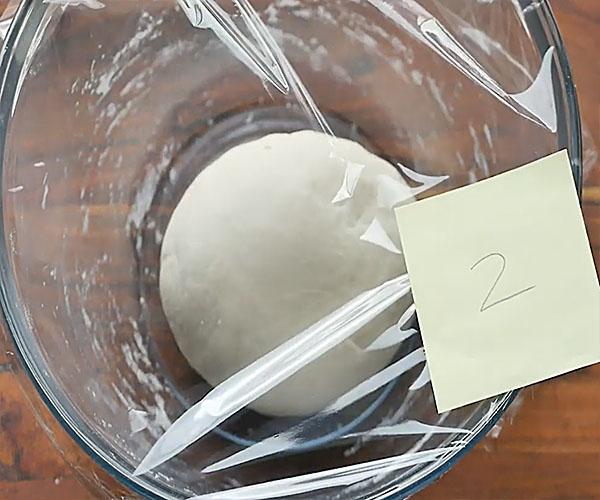
Twenty to thirty degrees Celsius yeast growth and reproduction slows down, 24 to 26 degrees Celsius is the best fermentation interval for dough. Forty degrees Celsius or higher, yeast starts to die, sixty degrees Celsius all die out, ten degrees Celsius below yeast stops reproduction, but sometimes you will see putting the dough into the refrigerator for low-temperature fermentation. For example, the pain au levain stops the process of yeast reproduction producing carbon dioxide, but the process of converting starch to sugar is still going on. Although its speed is very slow, you give it enough time.
The starch enzyme produces sugar, you can taste the aroma of wheat. Modern fast-fermenting bread compensates for its flavor by adding sugar, fat, eggs or milk. Such bread ferments quickly, usually with two fermentation processes. Let's take a look at the role and impact of these two fermentation processes on the finished product.
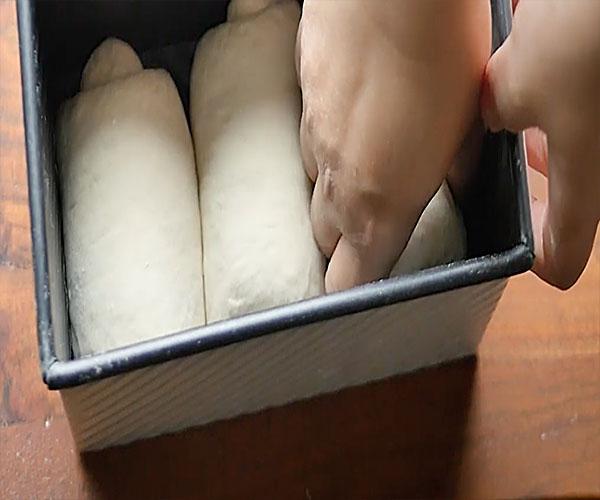
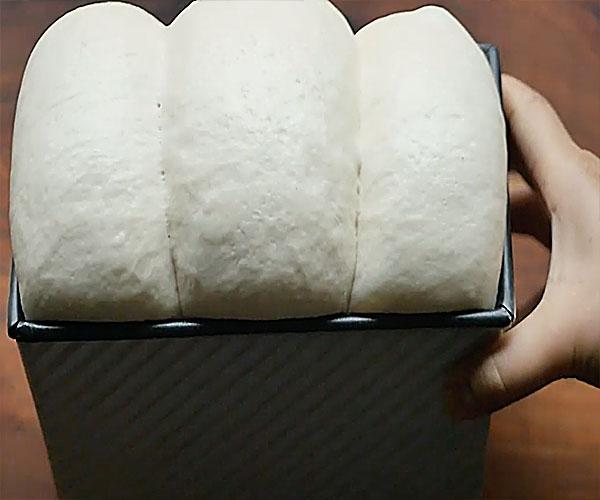
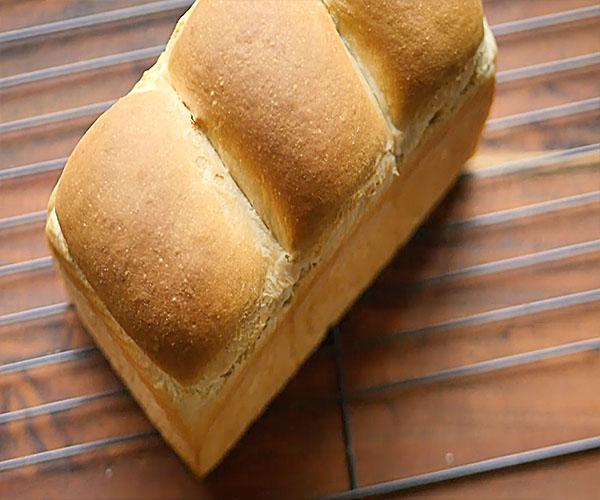
After the dough is well kneaded, it undergoes the first fermentation, to what extent? Usually the standard is double in size, the first fermentation, is to let yeast reproduce, to ensure the second part of the fermentation. Use your finger to poke a hole in it. If it doesn't shrink and doesn't rise, the first fermentation is complete, deflate and shape, put it into a toast mold for the second fermentation, let it produce carbon dioxide again, forming the final bread structure. Ferment to eight or nine times full, then bake it.
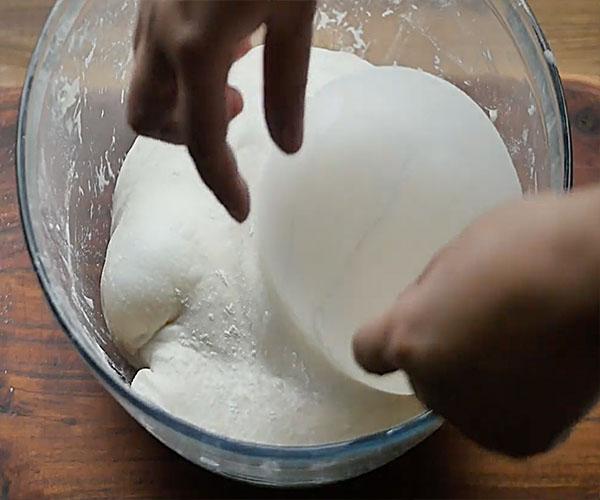
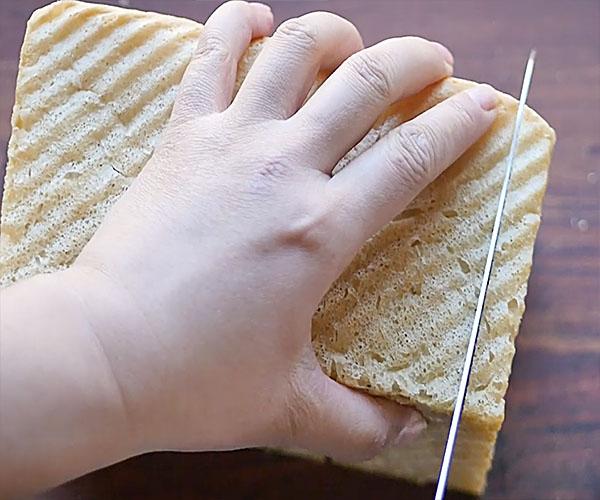
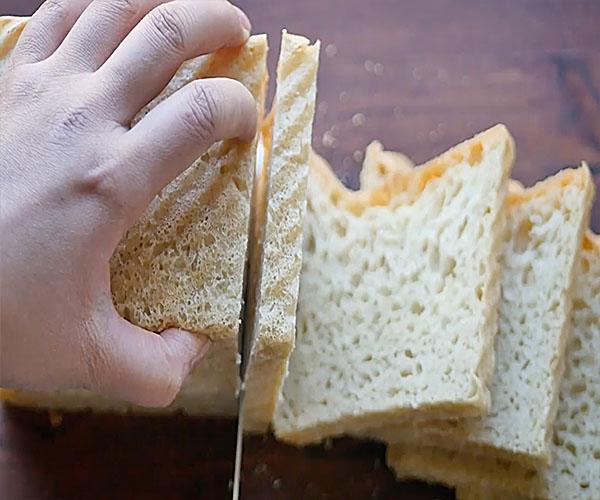
But we continue to ferment, see if it's over-fermented, if it gets too big, it will collapse in the oven, cut it open and see the structure inside. If the last fermentation fails, all the hard work is wasted. The muscle oven's fermentation and the bread's shape and structure. Conversely, let's see the impact of the first fermentation bread, continue to ferment three to four times as big, use your finger to poke a hole,The dough collapsed, obviously it's over-fermented, continue to shape and deflate, you can smell wine and a little bit of sourness. Put it into a toast mold to eight or nine times full, then bake it.
From the appearance, it has expanded, and the inside is fluffy and soft, just with very subtle differences in taste, two doughs that are exactly the same just have different fermentation times,The bread baked with the last step fermentation, decides the bread's structure and shape, the first step fermentation, is to adjust the bread's flavor, fermenting the content,In fact, there are many, here I simply talked about a few points, some are basic experiments, some are my own experience, I hope it's helpful,Fellows, have you learned it? If you have learned it, quickly get your hands on it, of course, if you like my friends, you can follow me, you can also move your little finger to forward this article to more friends, let's spread food and love together, tomorrow's article see.